

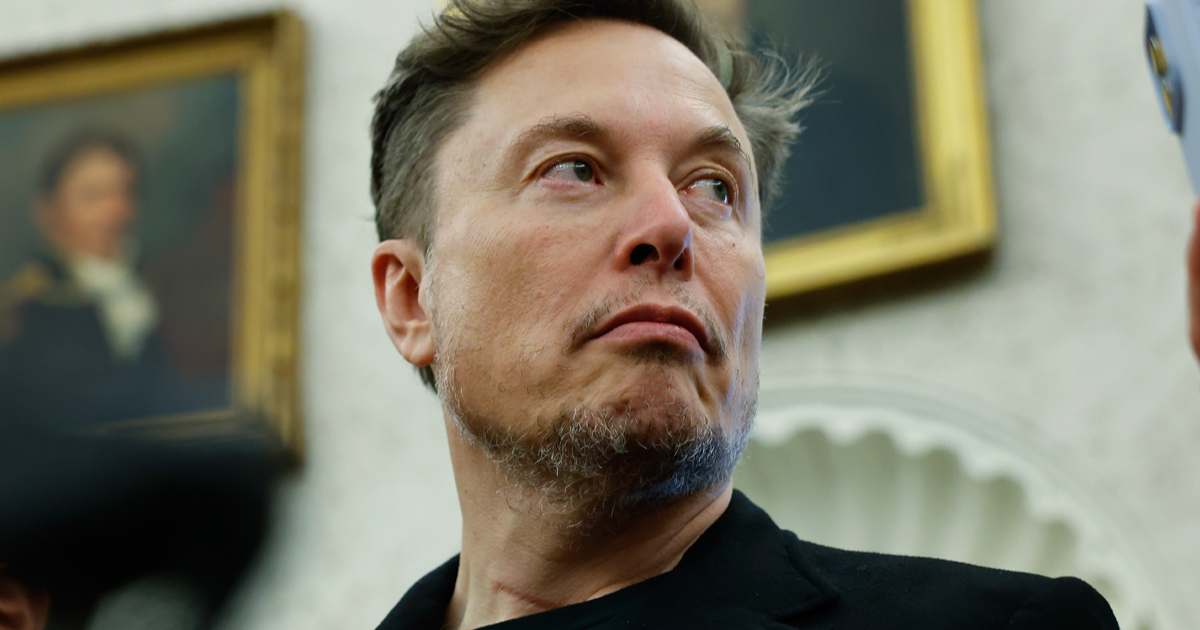
The billionaire urged people to take his warning seriously
advertisement
Elon Musk has shared his view on what could eventually bring artificial intelligence to a breaking point here on Earth.
The tech billionaire believes there is only one realistic path forward if AI is going to keep expanding at its current pace and scale.
Modern AI systems depend on massive networks of servers and data centers, all of which consume enormous amounts of electricity to operate day and night.
Some industry watchers have already raised concerns that the growing demand from AI companies is driving up the cost of components like RAM and hard drives.
Musk has now gone further, suggesting that drastic action may be needed soon. He recently said there are only a matter of months left to put a long-term solution in place if AI growth is going to continue.
While speaking on the Dwarkesh Podcast, Musk argued that moving AI infrastructure beyond Earth may be the only viable way to meet its future energy needs.
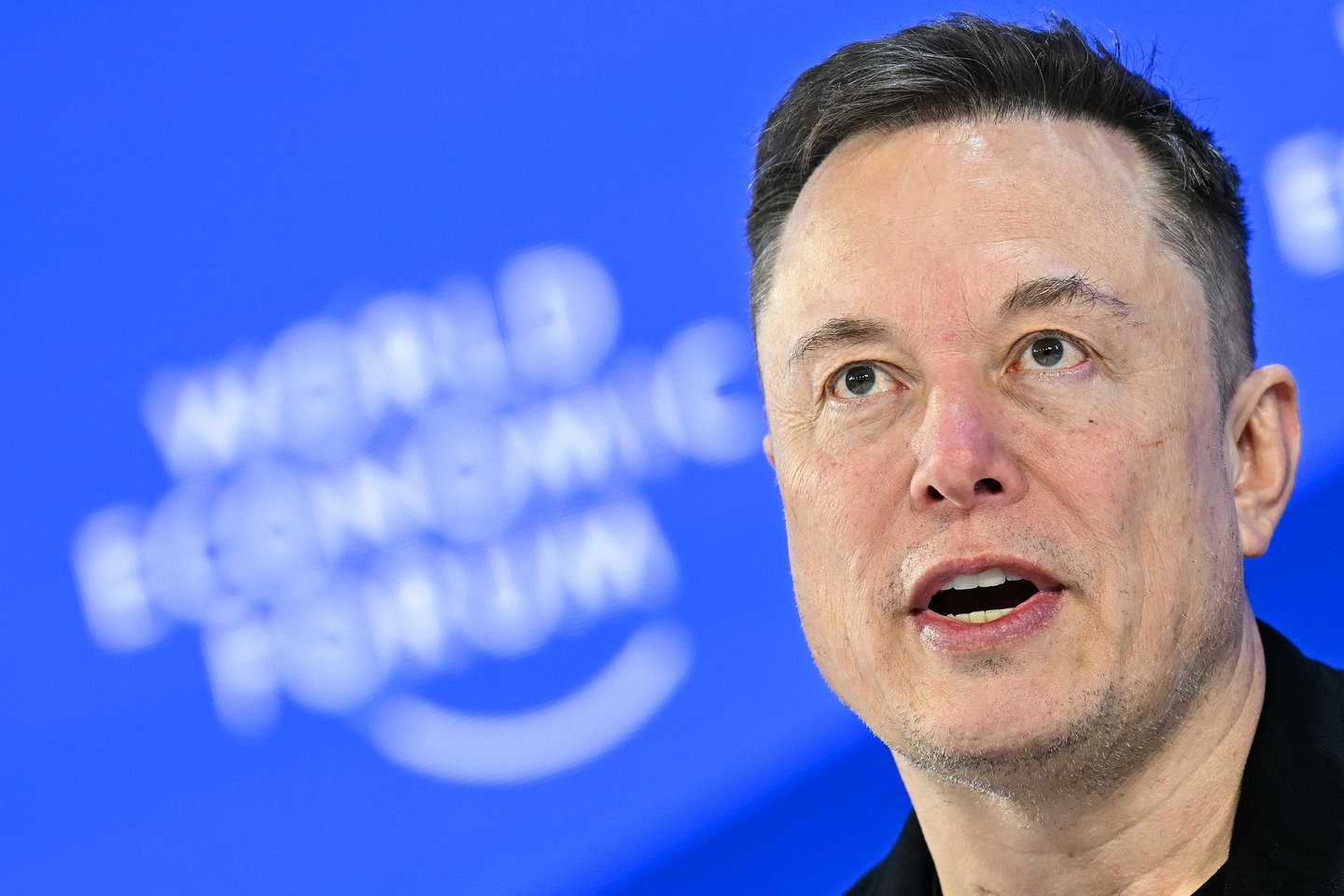
Elon Musk shared what he thinks the future holds for AI
Fabrice COFFRINI / AFP via Getty Images
advertisement
"My prediction is that by far the cheapest place to put AI will be space in 36 months or less, maybe 30 months," he said. "Less than 36 months, mark my words."
The Tesla and SpaceX CEO explained that the sheer amount of power required to run advanced AI systems makes it increasingly difficult to support them using Earth-based energy sources alone.
"All of the United States currently uses only about half a terawatt of power on average," Musk said. "Imagine trying to build enough power plants to double that. People don't realize how hard that actually is."
According to Musk, relocating AI systems to space would allow them to rely heavily on solar energy.
"Solar cells are already very cheap, around 25 to 30 cents a watt in China," he continued. "Put them in space and it's effectively 10 times cheaper because you don't need batteries."
Looking ahead, Musk made a confident claim about where AI development is headed: "We will be launching and operating more AI in space every year than the cumulative total on Earth."
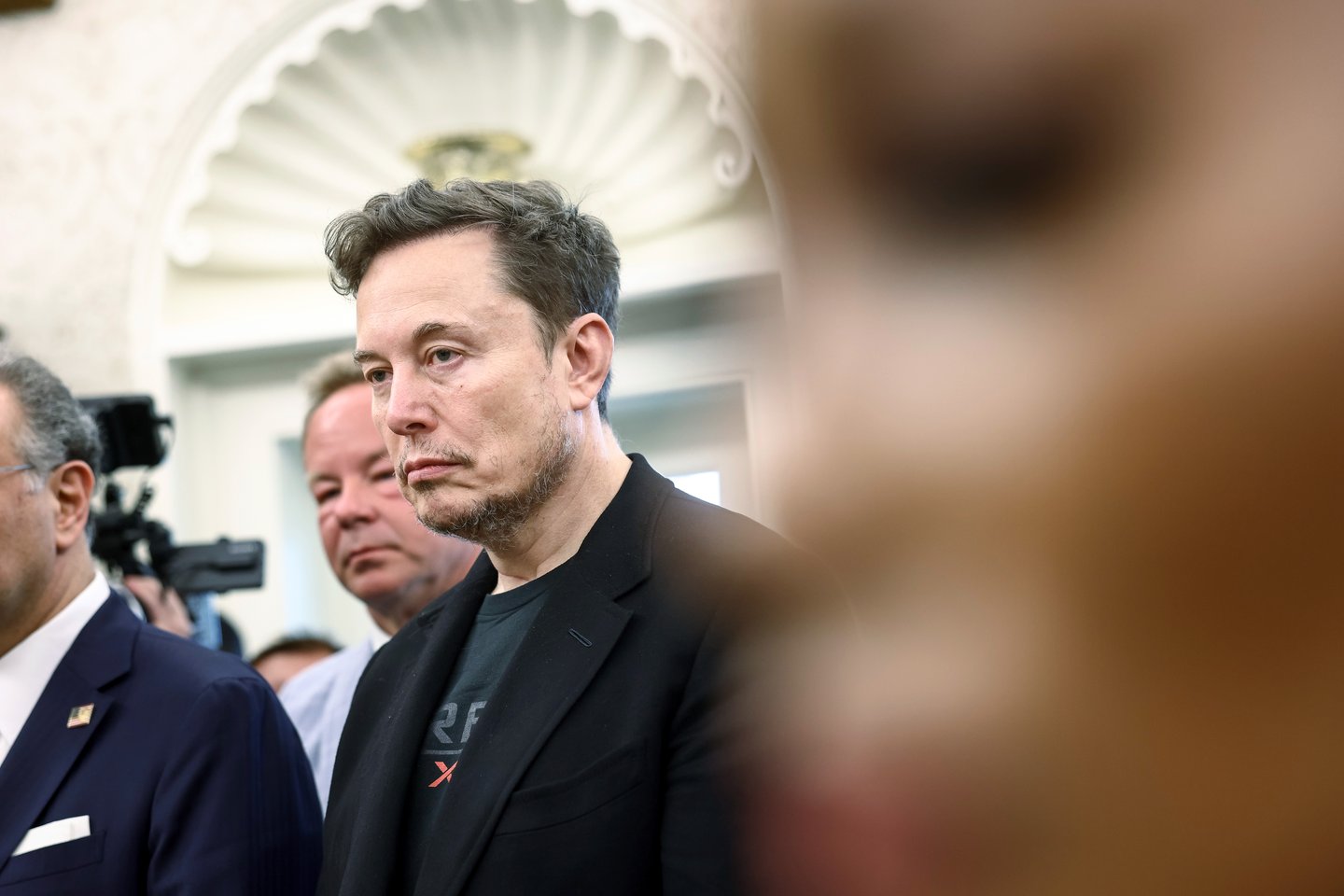
The billionaire predicted that AI would need to be sent to space
Jim Lo Scalzo/EPA/Bloomberg via Getty Images
advertisement
He expanded on the idea, saying: "You start thinking in terms of what percentage of the Sun's power you're harnessing. Then you realize you have to go to space. You can't scale very much on Earth."
AI has become a controversial topic in recent years, with critics pointing to the strain it places on power grids and the huge volumes of water needed to cool server farms.
Generative AI has drawn particular criticism, with many arguing that it relies heavily on existing human-made work rather than producing truly original output.
advertisement
At the same time, Grok, the AI system integrated into Musk’s platform X, caused backlash after users managed to generate sexually explicit images, including of women and minors, an issue Musk later addressed publicly.
As investors continue to pour billions of dollars into AI research and development, it remains to be seen whether Musk’s space-based vision will turn into reality.