

The satellites were launched on February 3 by the tech corporation, which also happened to be the day of a solar weather event that caused the satellites to lose contact with Earth and fall from the sky.
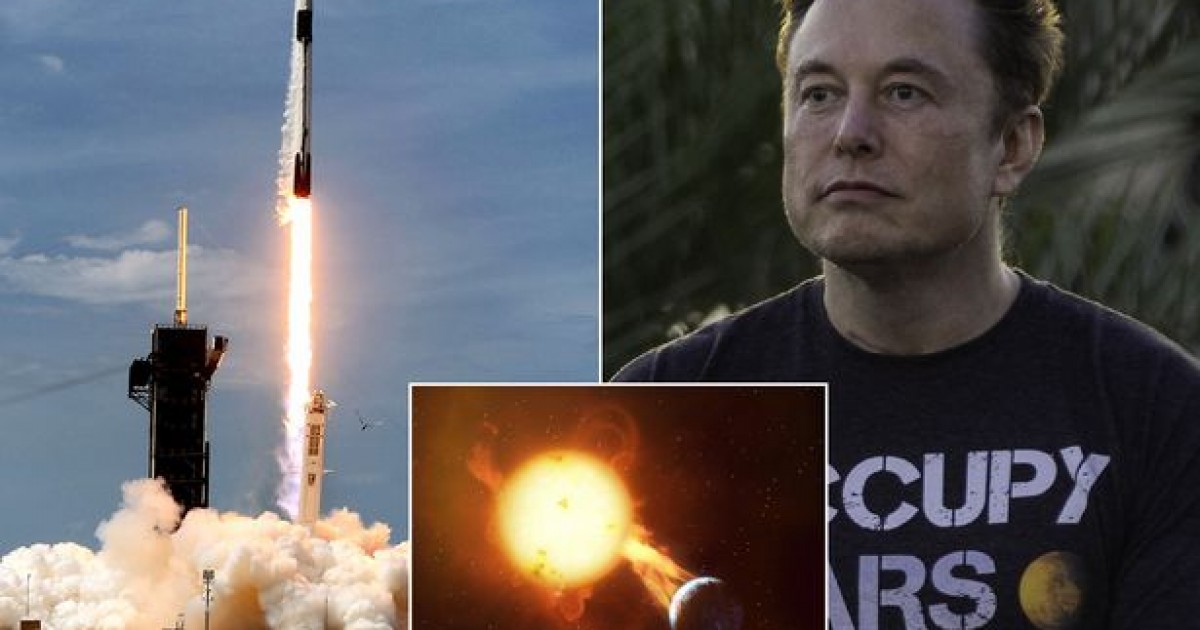
Elon Musk Loses Millions After Bizarre Solar Storm Knocks Out 38 Starlink Satellites
By
Haider Ali in
News
On 17th September 2022
advertisement
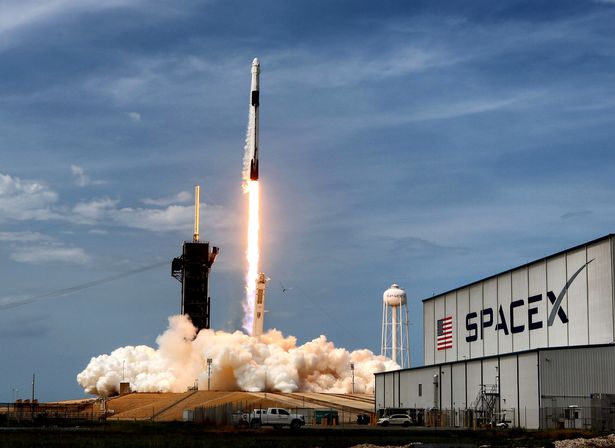
The IT firm had recently sent 49 satellites into space from Florida's Kennedy Space Center at the time.
The low-latency internet satellites were originally launched without a problem. But at the same moment, a wave of solar radiation and particles swept over the globe.
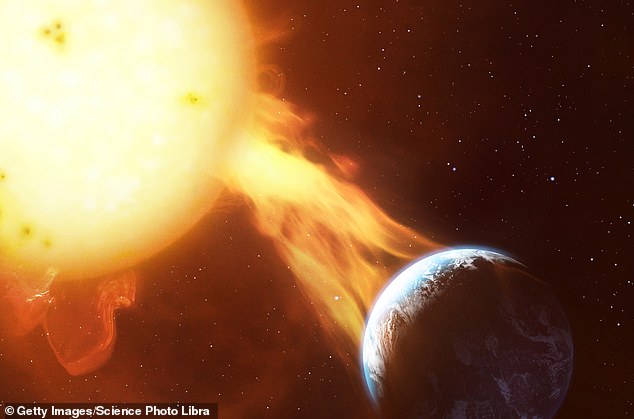
The solar flare wave, which was created by the explosion on the sun's surface, reached our planet, heating it and increasing the density of the air close to the satellites.
38 of the satellites were destroyed when they fell through the atmosphere and burned up at high velocities.

advertisement
The satellites were supposed to lift themselves, but the atmospheric drag prevented it.
Researchers from the United States and China determined that the drag increased by at least 60%.
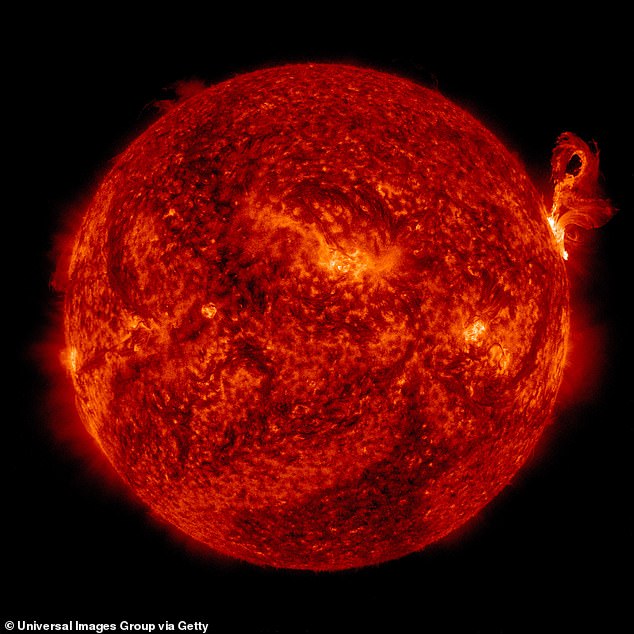
Of the incident on February 3 this year, scientists wrote: "This event brings forth the urgent requirements of better understanding and accurate prediction of the space weather as well as collaborations between industry and space weather community."
Researchers also found that the financial loss to SpaceX from the solar storm would have been "several tens of millions of dollars."
Getty Images
advertisement
"We have illustrated the solar eruption, solar wind propagation, and atmospheric density enhancement, using both observed data and model simulations," the study says.
Fortunately, no one was in danger even though the satellites fell to Earth.
advertisement
"The de-orbiting satellites pose zero collision risk with other satellites and by design demise upon atmospheric re-entry, meaning no orbital debris is created and no satellite parts hit the ground," SpaceX said in a statement at the time.
More than 3,000 satellites from the corporation are already in space, and thousands more are planned for launch.