

Elon Musk, the billionaire owner of SpaceX, has high intentions to land on mars by sending people there in a commercial spacecraft. His great achievement has recently received a significant boost.
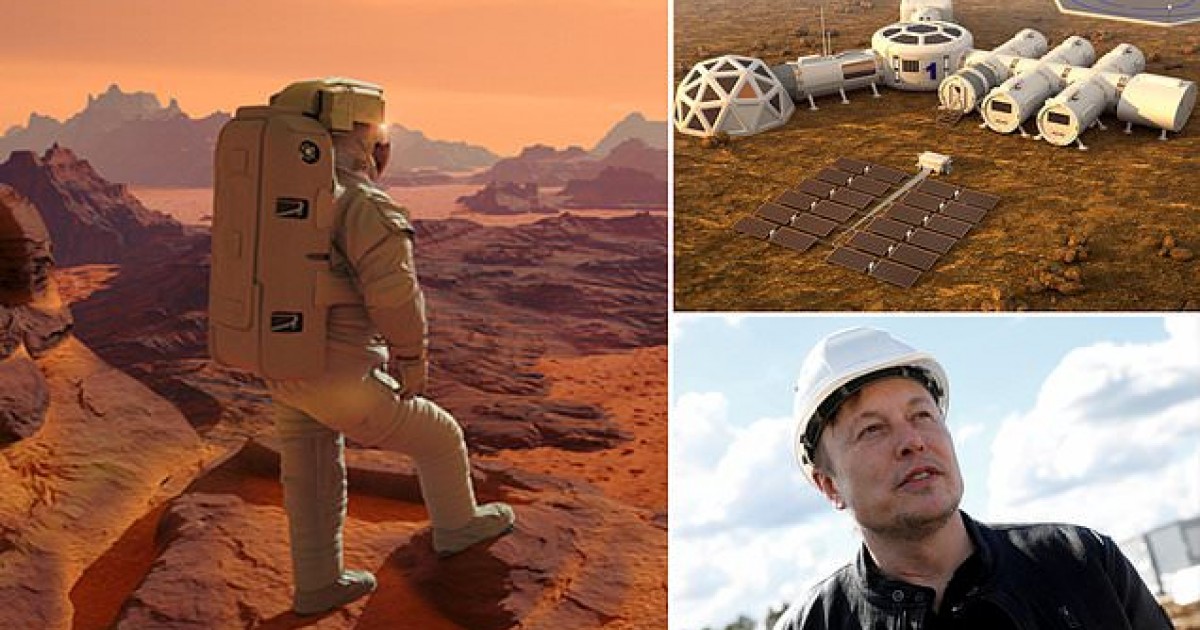
Elon Musk's Mars Dream Almost Realised After Machine Produces Oxygen On Red Planet
By
Haider Ali in
Science and Technology
On 24th September 2022
advertisement
After learning that oxygen has been produced for the first time on the Red Planet, Elon Musk's ambitious dream of humans visiting Mars and establishing their colony has made a huge step forward for humanity.
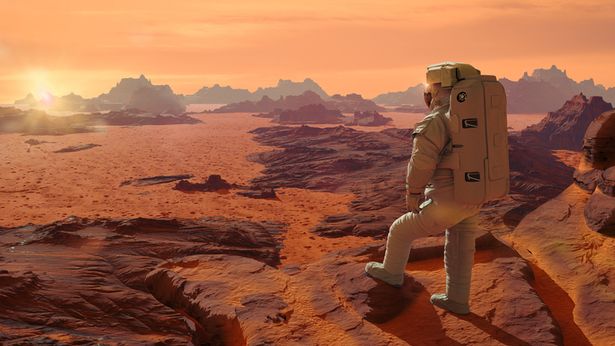
The CEO of SpaceX has been outspoken about his desire to establish human life on Mars, recently estimating that this might happen as early as 2026 or even sooner "if we're lucky." After a team with NASA helped succeeded in producing oxygen on Mars seven times over 18 months, that vision is now looking more and more like it might come true.
Getty Images
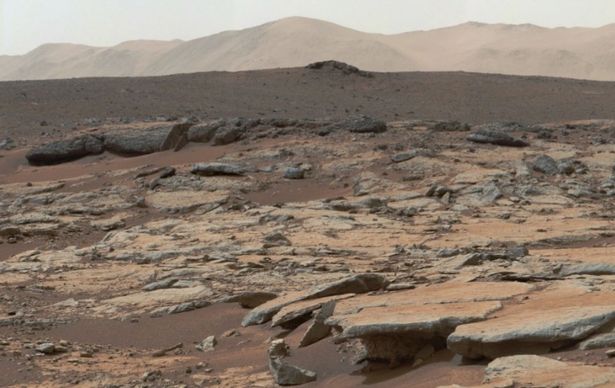
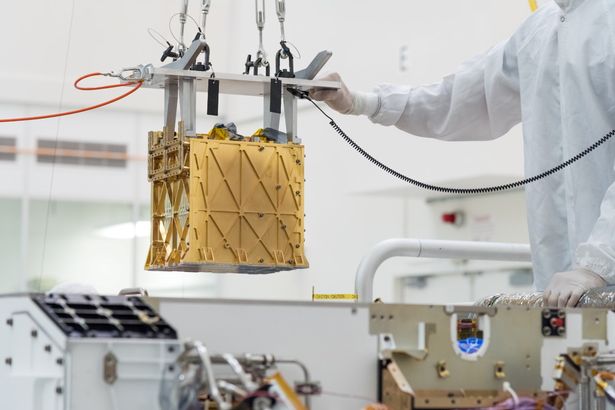
This week's news revealed how scientists were able to use a device "the size of a lunchbox" to convert part of the carbon dioxide on Mars into oxygen instead.
Seven times, during various seasons during both night and day, the Mars Oxygen In-Situ Resource Utilization Experiment, or "Moxie," as it is more widely known, has been able to produce oxygen at the pace of a small tree.
Getty Images
advertisement
Dr. Michael Hecht, an MIT research scientist who worked on the study, said: “We have learned a tremendous amount that will inform future systems at a larger scale."
MOXIE deputy principal investigator Jeffrey Hoffman added: "This is the first demonstration of actually using resources on the surface of another planetary body, and transforming them chemically into something that would be useful for a human mission.”
"It's historic in that sense."
Reuters
The discovery is especially significant since it allows for the fueling of rockets for their returns and the first-ever landing of astronauts on Mars without the need for breathing apparatus.
This is important for Musk since his long-term goal is to launch passenger flights to and from the Red Planet.
Getty Images
advertisement
The creative billionaire, who also owns Tesla, is presently working with technicians to get SpaceX's Starship rocket ready for its upcoming first orbital test flight, which might take place as early as November.
“We will have two boosters & ships ready for orbital flight by then, with full-stack production at roughly one every two months,” Musk wrote on Twitter on Wednesday.
advertisement
The Starship spacecraft will eventually be a reusable craft that can transport paying customers to the moon and Mars in a manner much like how an airplane transports passengers from one country to another.
After beating off competition, including Amazon CEO Jeff Bezos and his Blue Origin project, SpaceX won a lucrative contract with NASA to build the next lunar landing spacecraft for the first time since 1972.
advertisement
According to The Mirror, MOXIE's inability to produce oxygen during Martian dawns and dusks has been a roadblock to its development, but the MIT team is sure they already have the know-how needed to accomplish that breakthrough.
"The next run coming up will be during the highest density of the year, and we just want to make as much oxygen as we can,” Hecht added. “So we’ll set everything as high as we dare, and let it run as long as we can.”
advertisement
“To support a human mission to Mars, we have to bring a lot of stuff from Earth, like computers, spacesuits, and habitats.”
"But dumb old oxygen? If you can make it there, go for it — you’re way ahead of the game.”