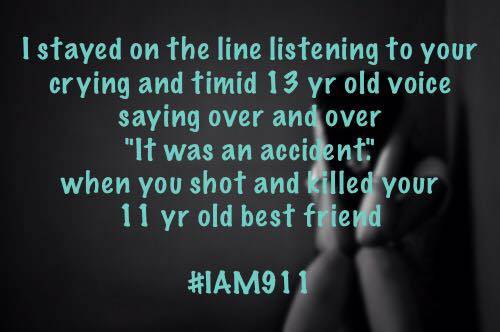
You may have seen the #iam911 photos floating around in your twitter and facebook feeds, but do you know why they're there?
Emergency Dispatchers Reveal Their Side Of The Distressing Phone Calls
By
Teresa Thomerson in
Confessions
On 1st September 2016
advertisement
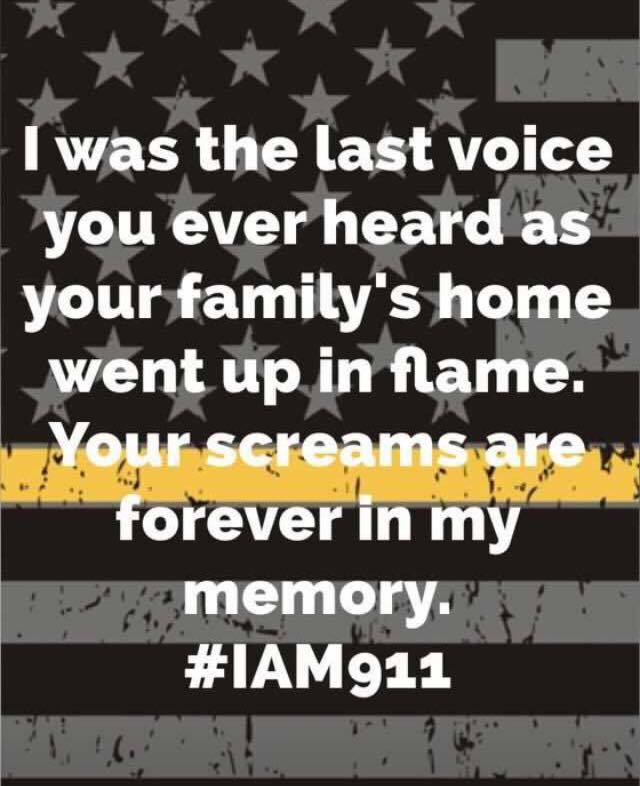
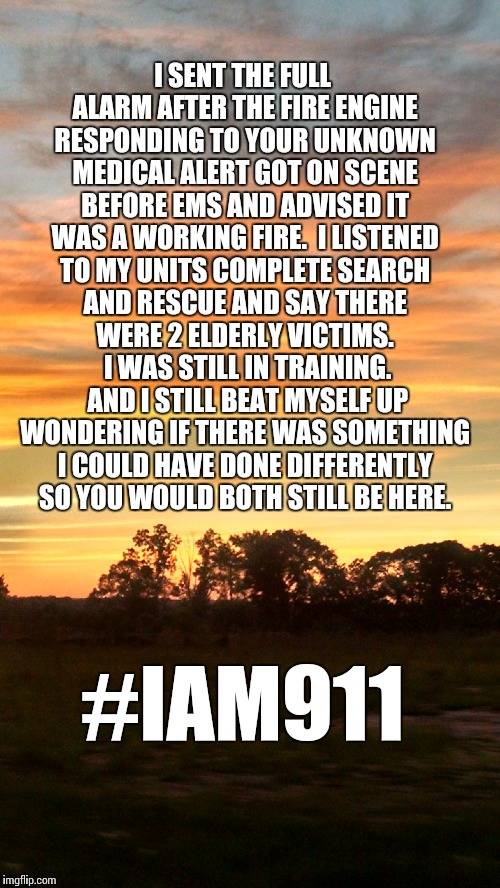
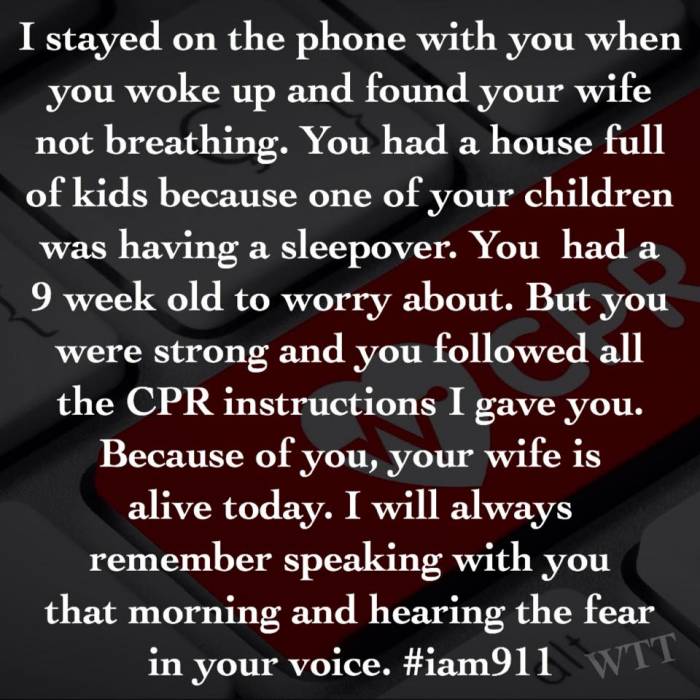
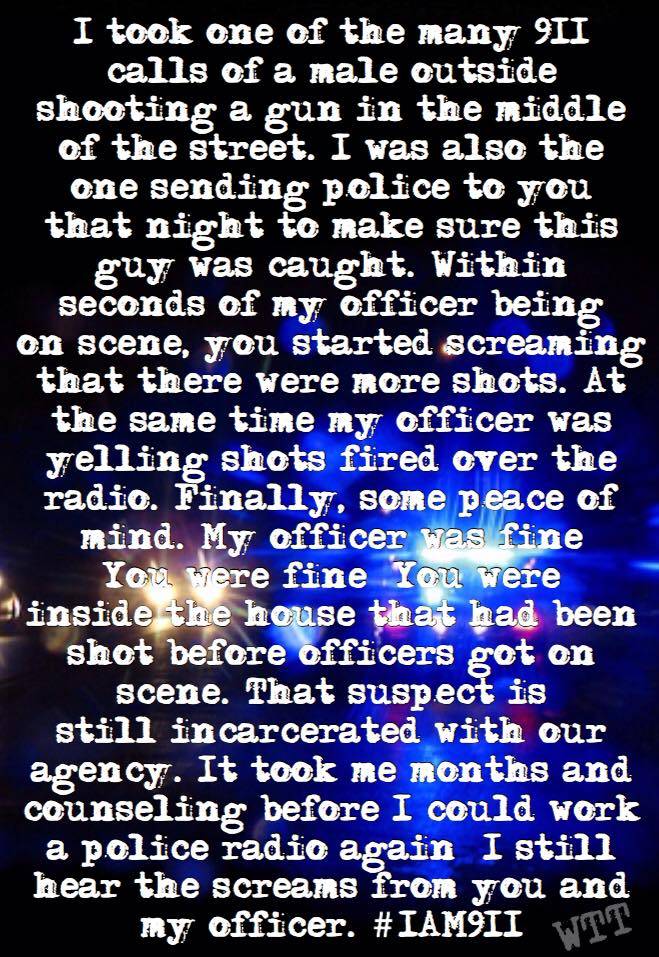
#1 #iam911 was started to reclassify emergency dispatchers from "clerical" to "protective."
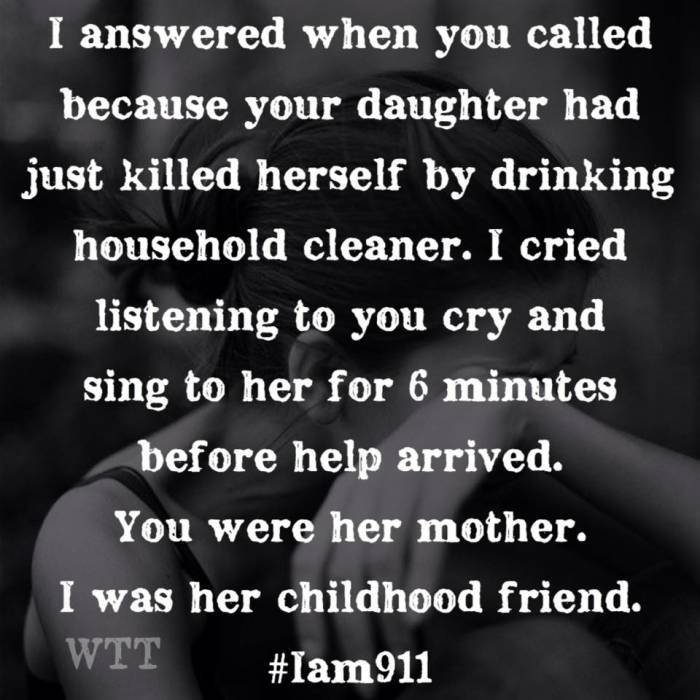
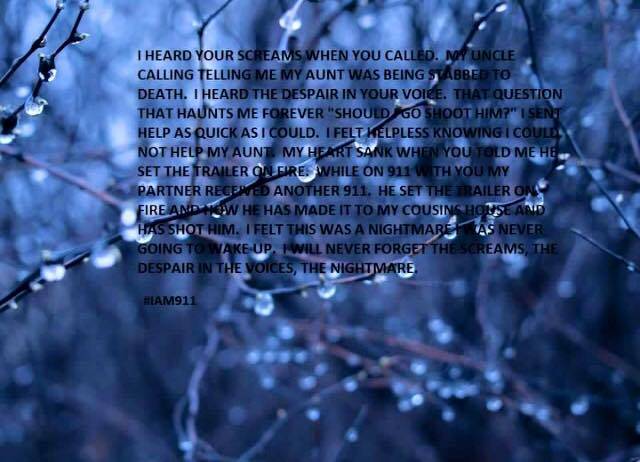
"In The Trenches Podcast" Facebook page is collecting and displaying short dispatch stories from working telecommunicators all over who are fighting to show how non-clerical they are.
#2 There's a big difference between clerical and protective jobs.
When you're working clerical telecommunications you're generally taking messages and directing calls, while dispatchers do that, they also are on the front lines for medical knowledge and the emergency advice.
advertisement
#3 They aren't strangers, either.
There's a BIG chance that someone you know and who loves you is on the other line or in the same room as the person receiving the call.
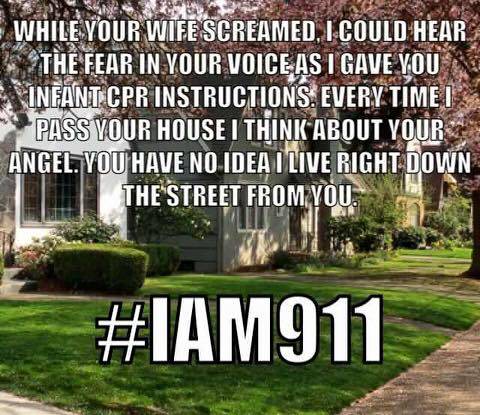
#4 This leads to a TON of emotional stress on these workers.
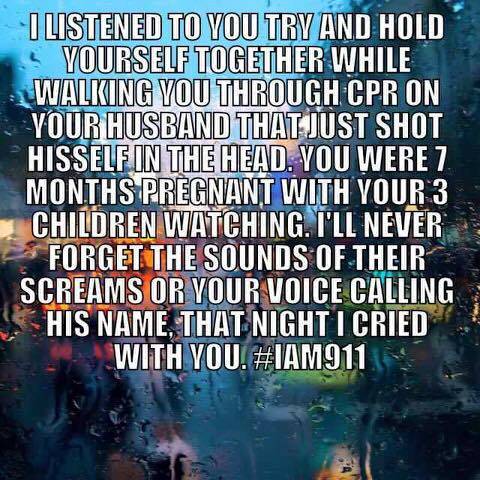
One recent study found 9-1-1 dispatchers are at risk for post-traumatic stress disorder due to the high volume of distressing calls they receive. "This is a population of people who are routinely exposed to events that should be considered traumatic," says Michelle Lilly, a psychology professor at Northern Illinois University.
advertisement
#5 It's not just PTSD, either.
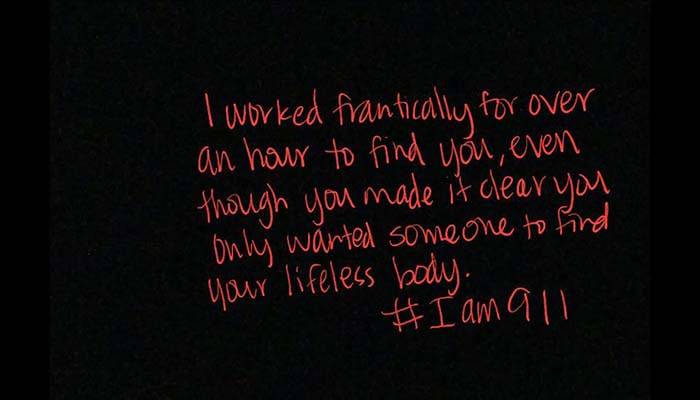
Insomnia, paranoia, and grief can haunt dispatchers when they're not manning the phone lines. Herron says she can't drive around her town without remembering the bad things that happened at particular addresses.
"I know the geography of grief," she says. "I know which woman hanged herself in that window and which mother found her son dead in that bedroom."
advertisement
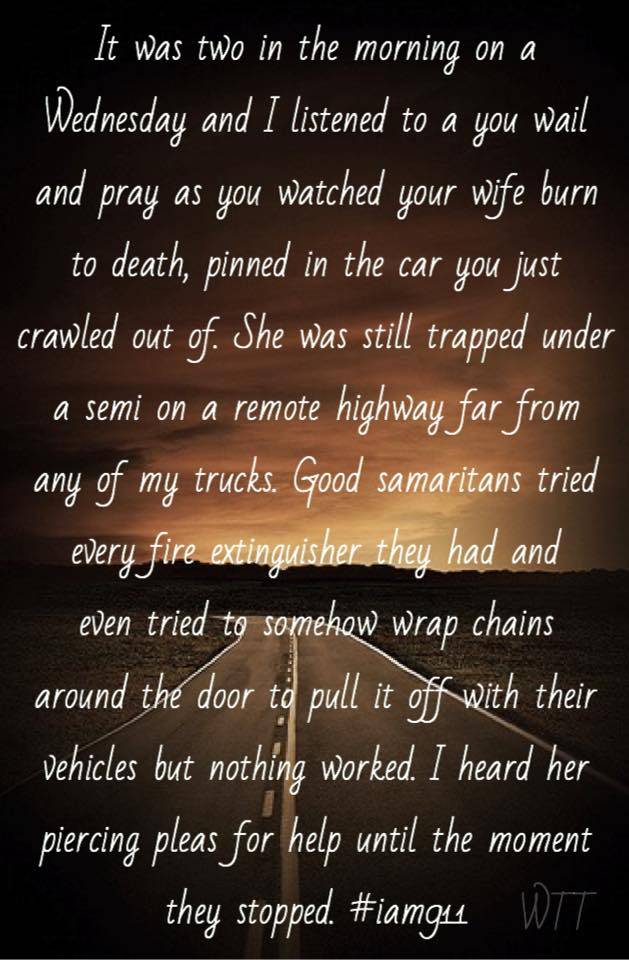
#6 The worst calls are when they involve kids and infants.
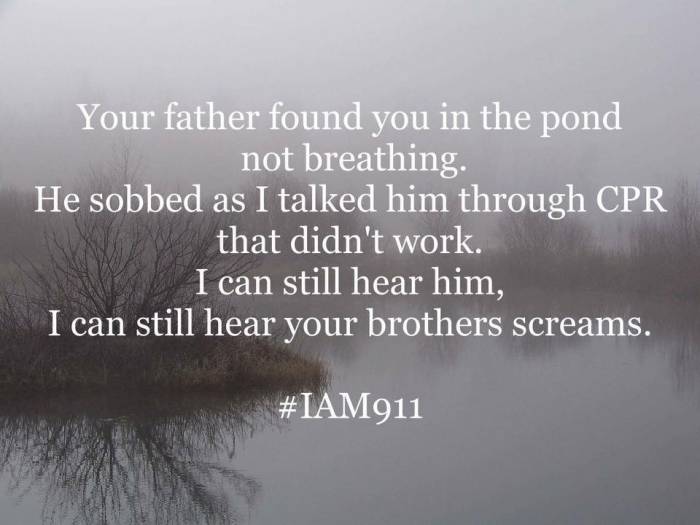
"Everyone hates a baby call," says Herron. "If you get a call that a baby isn't breathing, the whole room gets really, really quiet and all the dispatchers pull for the person giving CPR instructions. I've had a couple that have gone badly and those are hard to let go."
advertisement
#7 As one can imagine, there is a high turnover rate for this field.
Only one-third of the dispatchers make it through the training.
advertisement
#8 All for the average annual salary of $36,300.
Keep in mind the average American salary is about $50,756.
advertisement
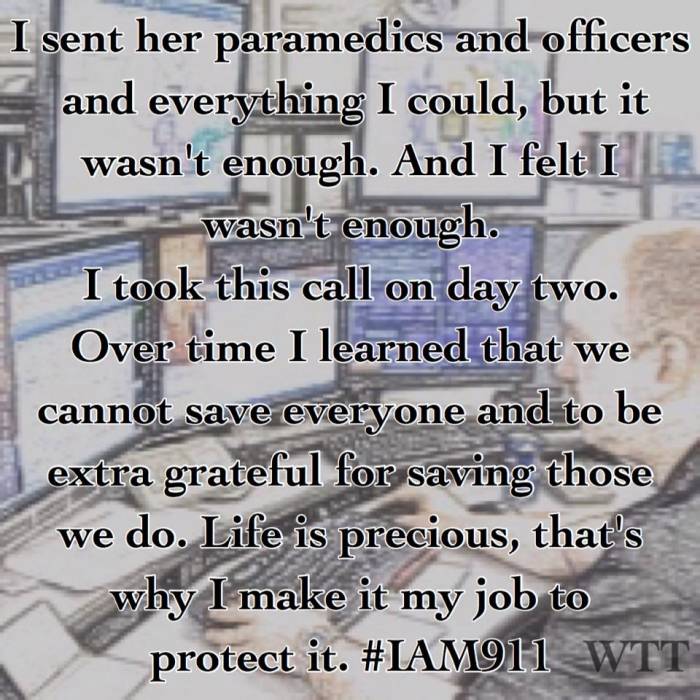
#9 Despite the lack of pay and improper classification, they are still dedicated to saving lives.
Some dispatchers survive by emotionally detaching, others by approaching their job from a mindset of positivity. "A lot of people I work with live with a lot of fear and assumptions that terrible things will happen in the world because that's what they hear," says Amanda. "But my frame that keeps me ok is I know that this person is having a terrible day whether I'm there or not, and anything I do might make things better. And most people never have to call us. The majority of people go through their days and nothing bad happens to them and that's very powerful also. We have to remember the things we hear are rare."
advertisement
#10 They take it one day at a time.
Most try to work on small tasks to reduce stress and to recenter the mind so they can be prepped when it is go-time, some even knit.
advertisement
#11 They may not be the first person you see, but they are the first responders.
advertisement
#12 They do everything they can to help while also protecting everyone's privacy.
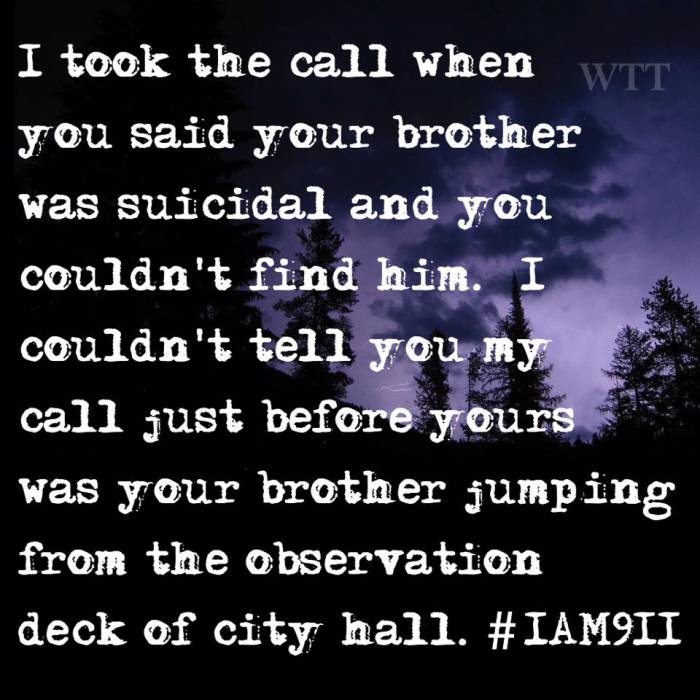
#13 It's more than being about a classification, this is also about respect for the ones who are there when no one else it.
advertisement
#14 They deserve the title change.
Being a 911 dispatcher is so much more than a clerical job. Staying on the line with someone in their darkest moments takes strength and courage not everyone possesses. While these stories are difficult to read, hopefully the #IAM911 movement serves its purpose and these brave men and women can be classified as protective public safety professionals, as they deserve to be.