

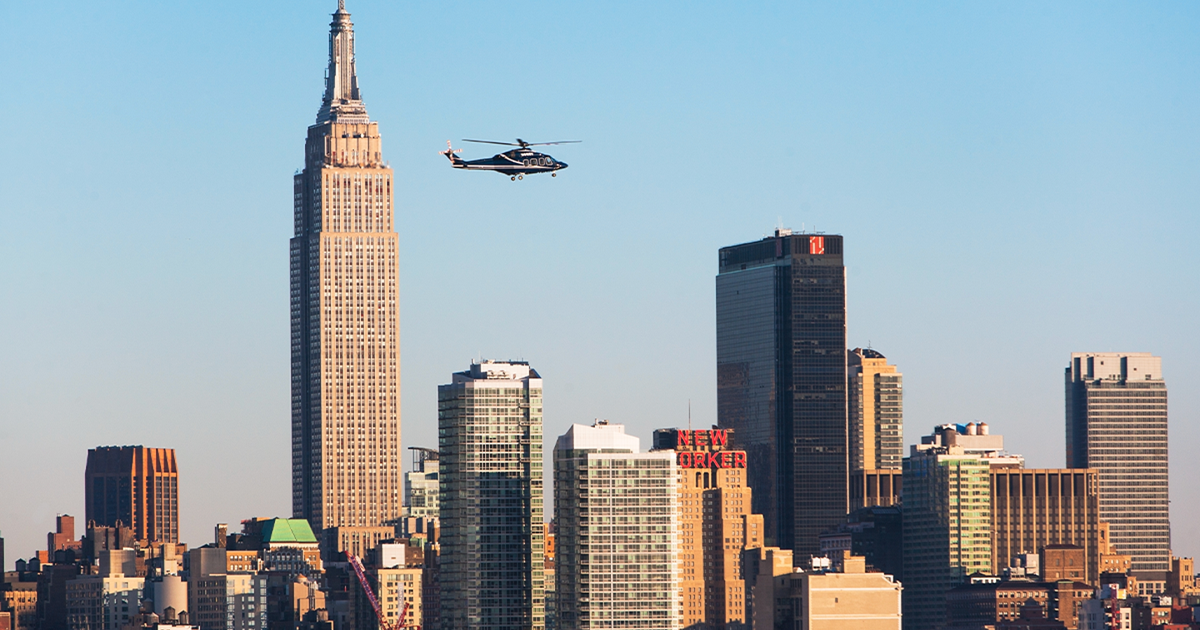
These well-known bricks are famous for their strength and surprising history
advertisement
Standing tall at 1,454 feet, the Empire State Building remains one of the most iconic and recognizable buildings in New York City.
This towering 102-story skyscraper, with its strong steel frame, draws in more than four million visitors each year. For a solid 40 years, it held the title of the tallest building in the world—until the World Trade Center took the crown in 1971.
But what many people don’t realize is that the Empire State Building’s foundation includes bricks that came all the way from a small town in Lancashire, England.
These bricks, known as 'nori' bricks, are considered to be among the toughest in the world. They were manufactured by the Accrington Brick and Tile Company, located in the village of Altham.
Thousands of these strong, reliable bricks were used in the base of the Empire State Building. But that’s not the only major structure that relied on them—Blackpool Tower and the Sellafield nuclear site in Cumbria also made use of them.
Accrington's bricks gained a reputation for more than just strength. They were incredibly durable—so much so that they were often used in power stations, like the ones at Battersea, Barry, and Fiddlers Ferry in Cheshire, where toughness was essential.
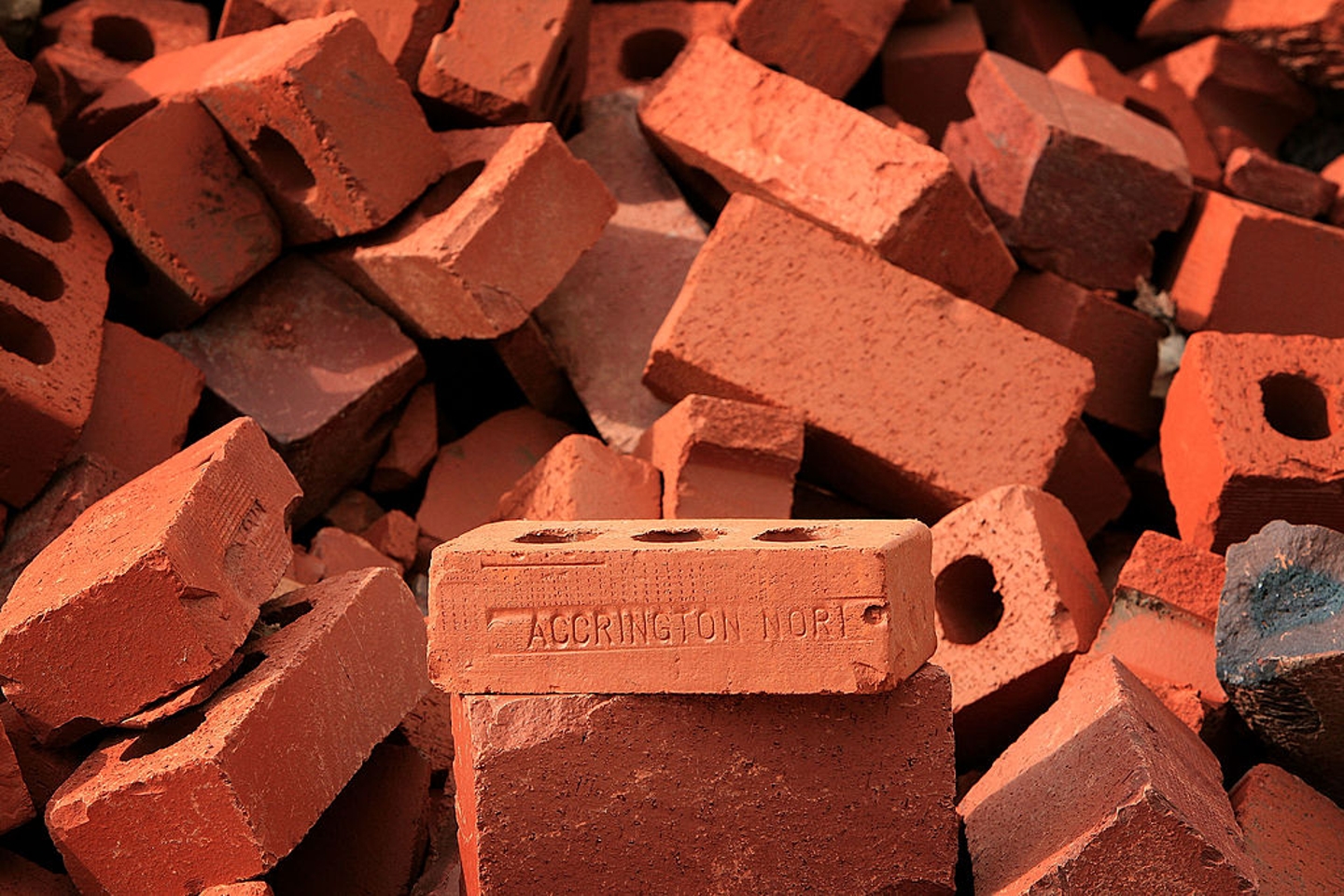
Nori bricks were famous for their immense strength and resistance / Christopher Furlong / Staff / Getty
advertisement
Thanks to the high-quality clay found deep beneath Lancashire, these bricks could stand up to just about anything. They were resistant to harsh acids, extreme pressure, and all sorts of environmental challenges. That made them ideal for a range of uses, from building factory chimneys to forming the strong base of towering skyscrapers.
The influence of nori bricks didn’t stop there. They even made their way into places like Manchester’s famous Hacienda nightclub and the artistic Brick Train sculpture in Darlington.
Their rich, deep red color is also believed to have inspired the term red brick universities. That label was first used in reference to the Chancellor’s Court building at the University of Birmingham.
Now, as for the name 'Nori'—well, that’s a bit of a mystery, even today.
One popular theory says it came from the word 'Iron' being written backwards on the chimney of the brickworks, with the letter I appearing at the bottom. Another version of the story suggests that someone accidentally placed the letters 'IRON' backward in the brick mould, ending up with 'NORI' instead.
There’s also the idea that it was done on purpose, to make the bricks stand out from the nearby REDAC bricks (short for 'Accrington Red') that were produced in Huncoat, just down the road.
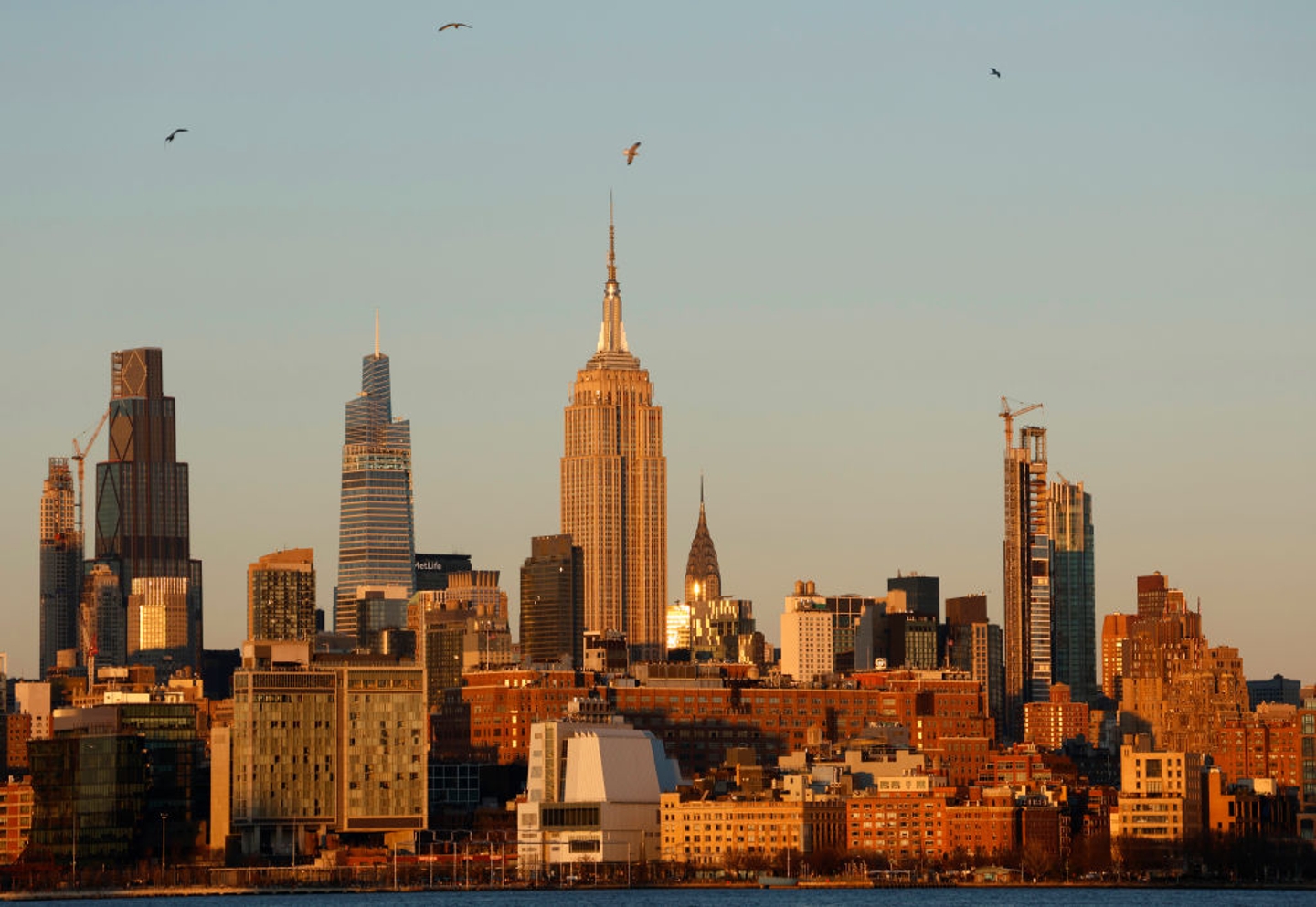
The Empire State Building held the title for the world's tallest building for 40 years / Gary Hershorn / Contributor / Getty
advertisement
For more than 100 years, these bricks were shipped far and wide across the world. They were transported using the East Lancashire Line railway and the Leeds and Liverpool Canal, which made global trade possible even back then.
Production sadly came to a halt in 2008, resulting in 83 job losses. But things turned around in 2014 when a £1.4 million investment brought the brickworks back to life to support a growing demand for housing materials.
That same year, former Prime Minister David Cameron and Chancellor George Osborne even visited the site to mark the factory’s exciting reopening and revival.
advertisement
What started in a quiet town in Britain has turned into something legendary. These bricks helped build some of the most important and long-standing structures in the world—and their reputation for strength and quality continues to live on.