

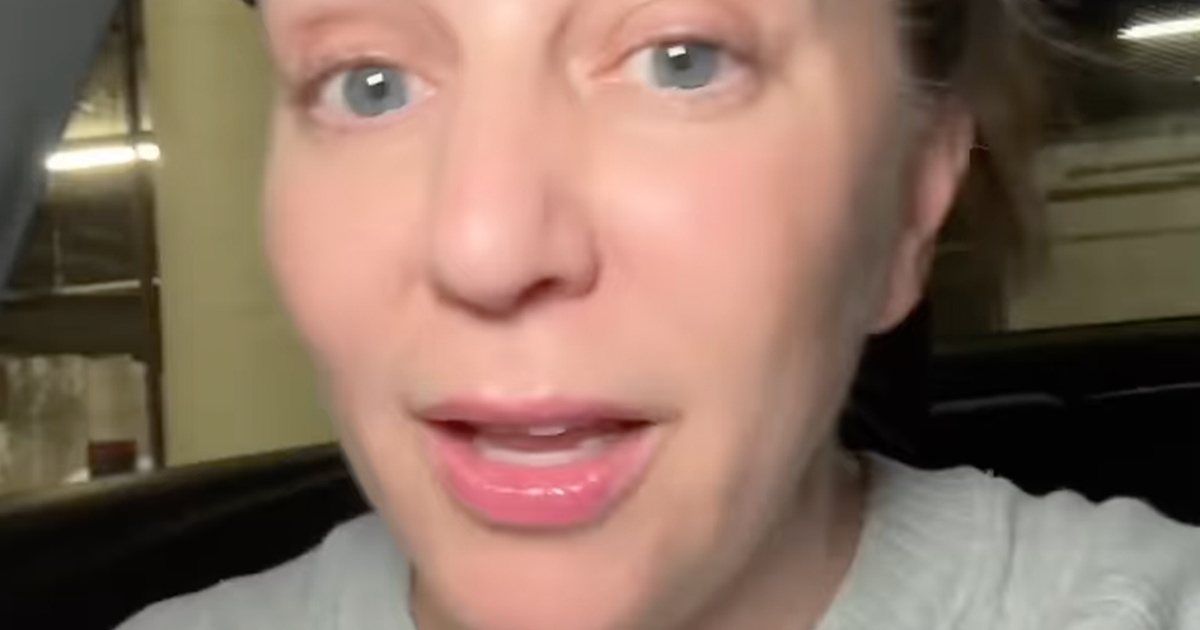
Julie McFadden uses her platform to educate people about the final moments of life, helping them understand and prepare for losing loved ones.
advertisement
A hospice nurse specializing in end-of-life care has shared some of the most unsettling things people do in their final moments. She hopes that by shedding light on these experiences, families can feel more prepared and less fearful when their loved ones pass.
Julie McFadden has dedicated her career to helping people understand the process of dying. She believes that educating others about what happens in those final days and hours can help remove some of the stigma and fear surrounding death.
Through her online videos and recently published book, she offers insights into what happens as life ends, breaking down the biological changes that may seem frightening but are a natural part of the process.
In one of her most talked-about posts, McFadden shared what she considers to be the two most disturbing yet completely natural things that occur before death.
advertisement
Changes in Breathing
One of the most noticeable and sometimes distressing things that families witness at the end of life is a sudden change in breathing patterns. McFadden explained that this is often one of the things families wish they had been warned about beforehand.
She reassured that while these changes can look alarming, they do not mean the person is suffering or struggling to breathe.
She described the experience: "You can see that chest rapidly breathing, and then a long pause [...] and then rapid breathing again."
This type of breathing pattern is called Cheyne–Stokes respiration, and it happens due to natural metabolic shifts occurring in the body. While it can be unsettling to witness, it is a common and expected part of the dying process.
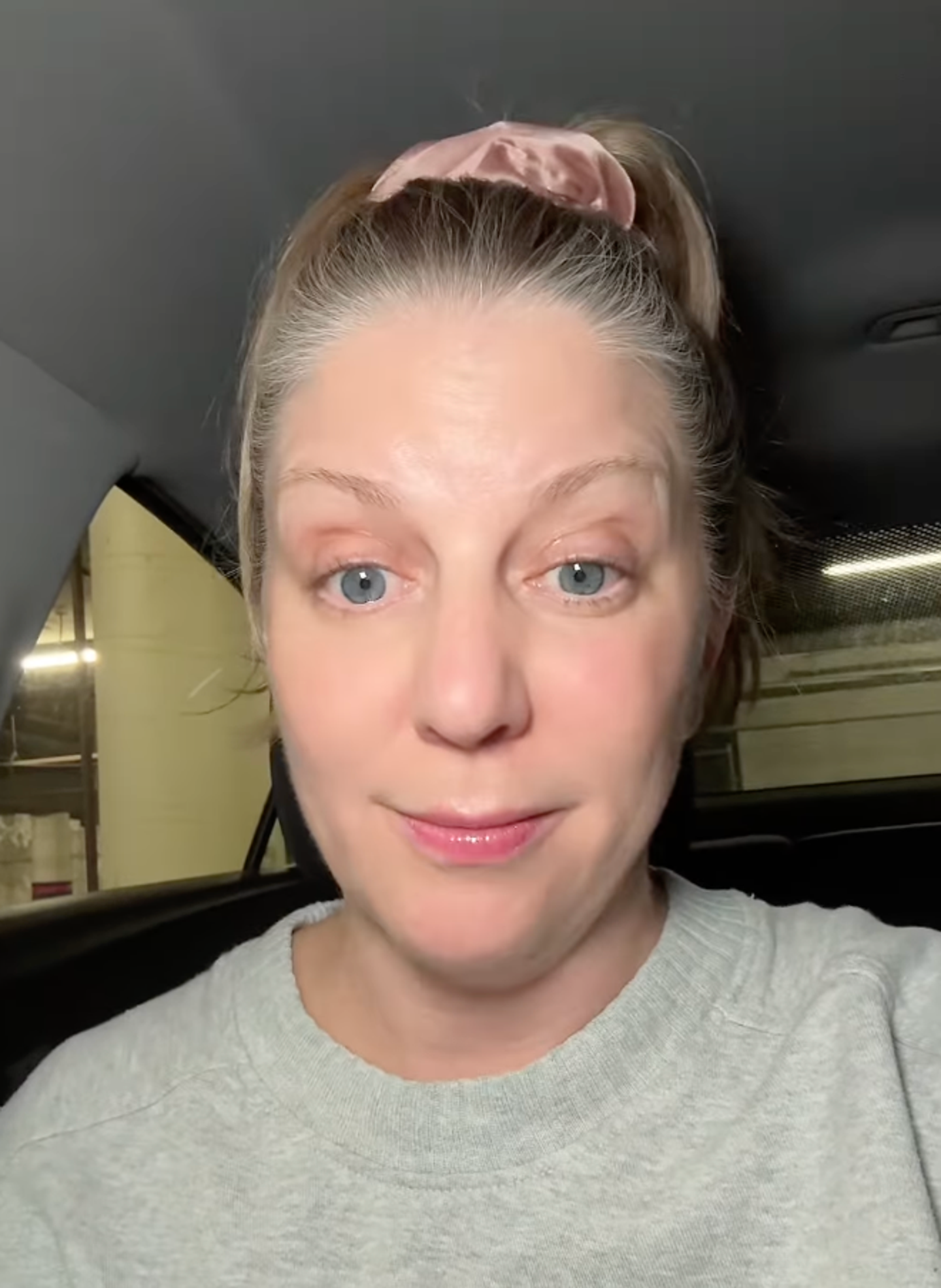
Julie shares insights to death to help people be prepared
Instagram/@hospicenursejulie
advertisement
The 'Death Rattle'
Another phenomenon that often unsettles family members is something called the 'death rattle.' McFadden has addressed this in her videos, explaining that while the sound can be shocking, it is completely normal and expected in the final stages of life.
She reassured viewers that while it might sound distressing, it is not a sign that the person is in pain or gasping for air. However, she acknowledged that for those who have never heard it before, it can be one of the most difficult things to witness.
The 'death rattle' occurs when the body continues to produce saliva, but because the brain is no longer signaling the person to swallow, the saliva pools in the throat and creates a gurgling noise when they breathe.
advertisement
McFadden explained the cause in simple terms: "People hear it, they don't understand it, they automatically assume it's coming from their lungs. That is not happening. It's truly just a little bit of saliva."
She emphasized that while these sounds can be unsettling, they are not an indication of distress. She reassured families that their loved ones are not feeling discomfort during this stage.
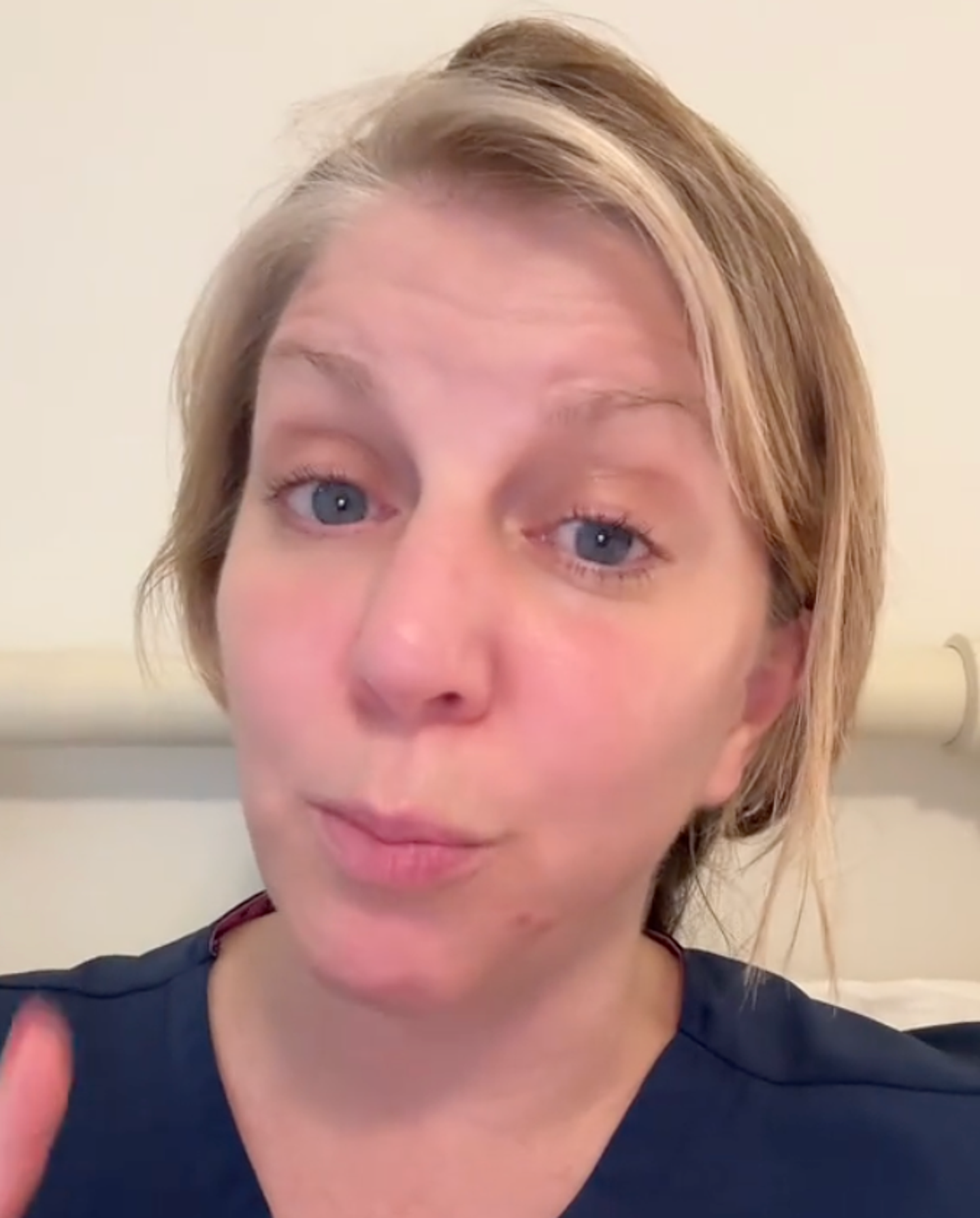
McFadden has assured patients are not in pain at the end of life
TikTok/@hospicenursejulie
advertisement
She further explained: "This is not making them feel that they are suffocating, and we know this because the body is showing that it is relaxed,"
McFadden also pointed out that the human body is designed to know how to die. While some patients may appear to be struggling, doctors and caregivers can administer medication to help them stay relaxed and comfortable during their final moments.