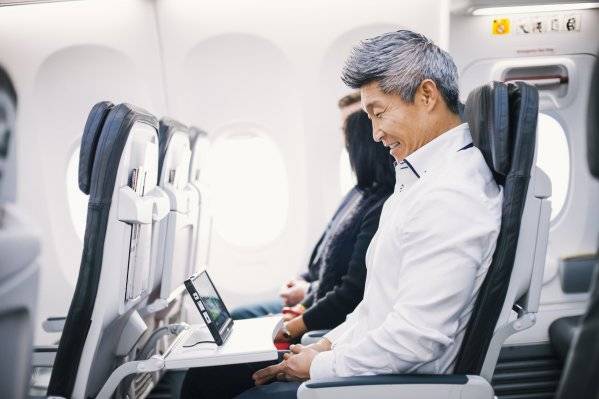
If you have ever wondered why you are asked to keep your seat in the upright position when taking off or landing on a plane, you're not alone. But thanks to experts, we finally have an answer for you.
Ever Wondered Why Airline Seats Must Be In An Upright Position During Takeoff?
By
Editorial Staff in
Facts
On 12th October 2016
advertisement
#1 Why Must The Seats Be In The Upright Position?
You have hundreds of questions about flying and airline safety, and some of the rules and regulations seem absurd, especially when you're in a hurry to catch your flight. But there are actually very good reasons why the airlines make you fasten your seat belts, close your window blinds, and even put your seat in the upright position.
#2 Safety First
You are instructed to adjust your seat to an upright position when the plane takes off and then again when it lands. These are the two most dangerous times for passengers while flying. Things are more likely to go wrong upon initial take-off and then while coming to a halt, though most people are more frightened when in the air.
advertisement
#3 The Locking Mechanism
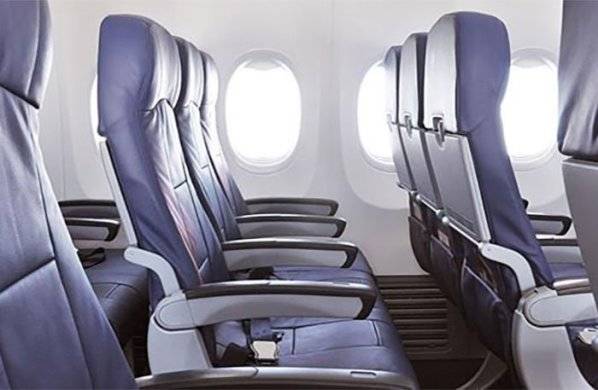
The seats also have a special locking mechanism installed in them that holds the seat in place while it is in the upright position. When the seat is up, it is locked. When the seat is back, it's not locked. In the event of an emergency, an unlocked seat has more force during impact, and the thrusting forward of that seat can cause passenger injury.
#4 Extra Room
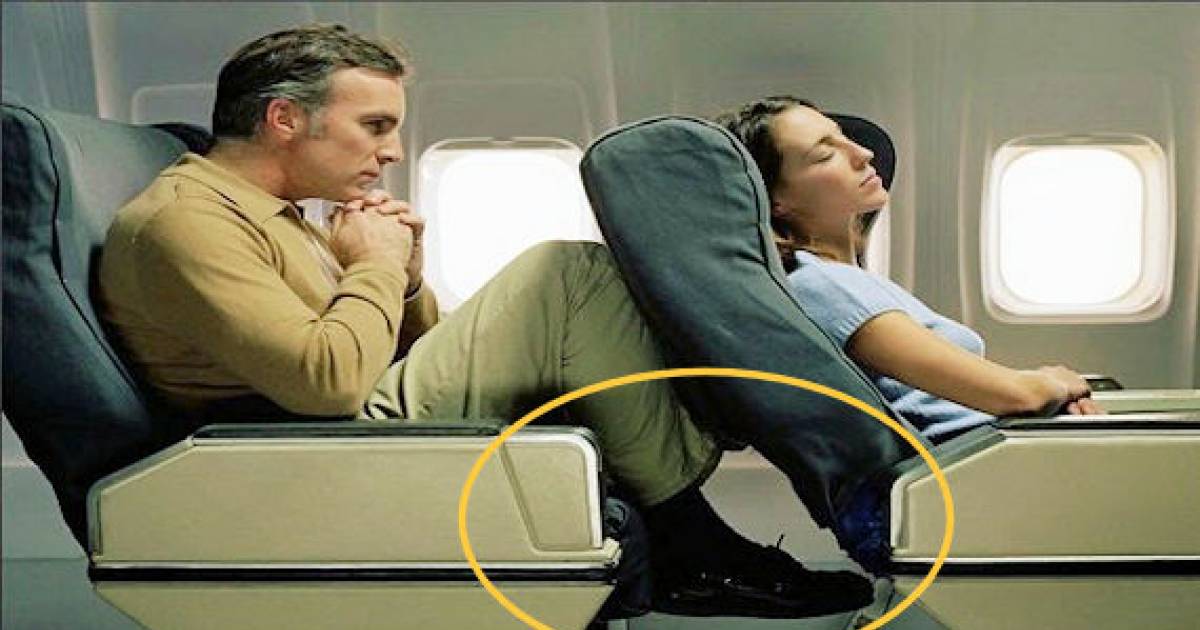
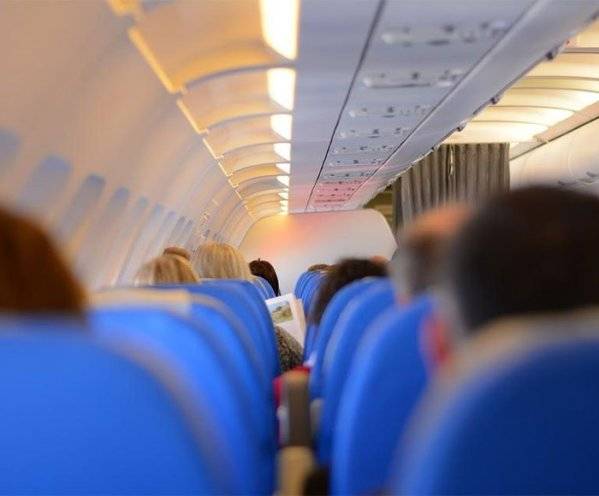
Another reason is that when the seat is in the upright position, more space is created for the person behind you. This makes evacuating the plane much easier for everyone. People sitting behind a seat that is reclined or unlocked will not be able to brace properly because the seat will rock and move slightly.
advertisement
#5 These Seats Are Tested Repeatedly
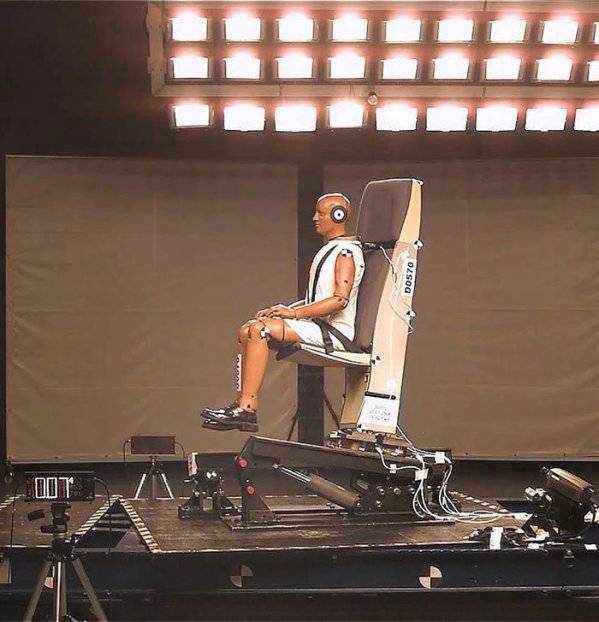
In the late 1980's the FAA researched various ways to prepare the body for impact, using test dummies. They tested thousands of ways in which a person might be either blocked into their seat or ejected, and found that an upright and locked seat is the safest.
advertisement
#6 Center Of Balance
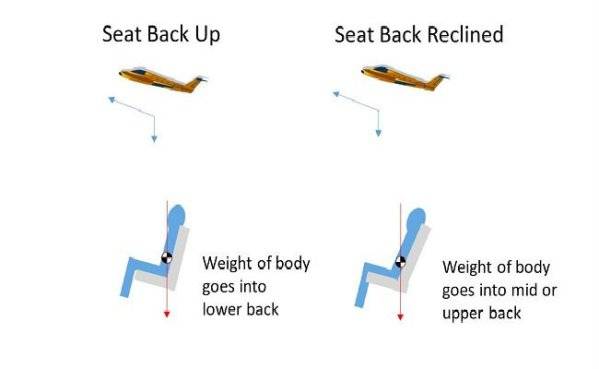
Another reason is due to the center of balance. When the plane is inclined, you back is supported by your upper back when the seat is reclined, which is bad for your spine. This could make it harder for certain people to get a footing and pull themselves up from the reclining position.
advertisement
#7 Whiplash Effect
Like a catapult, the farther back the seat, the greater distance your head would travel during an impact, and the more force would be generated. Those three inches can add to the whiplash effect.
advertisement
#8 Brace For Impact
Finally, you are not able to properly brace for impact unless the chair is upright. So do what they tell you and make flying safer for everyone involved!