Many people have asked this question, and finally, we have some answers.
Ever Wondered Why The Letters On Keyboard Are NOT In Alphabetical Order?
By
Editorial Staff in
Facts
On 9th June 2016
advertisement
#1 The Original Keyboard
If you've ever wondered why the letters on your keyboard or other devices are not in alphabetical order, you're not alone. People have been asking that same burning question for years. It all started with the very first typewriters.
#2 The First Typewriter
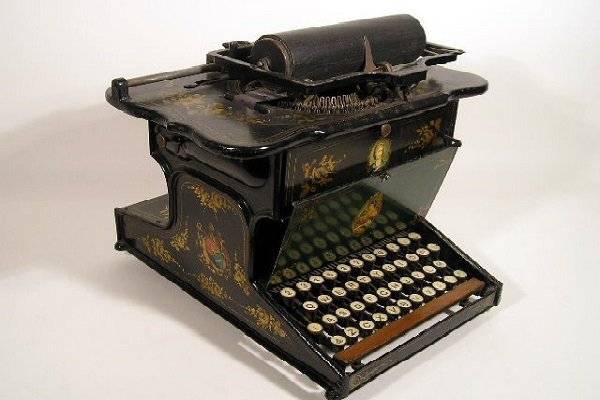
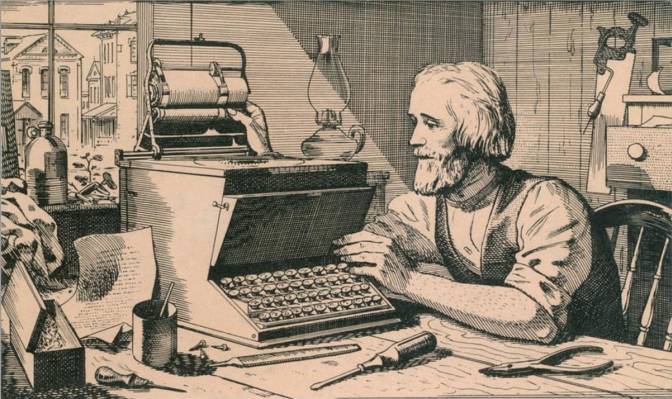
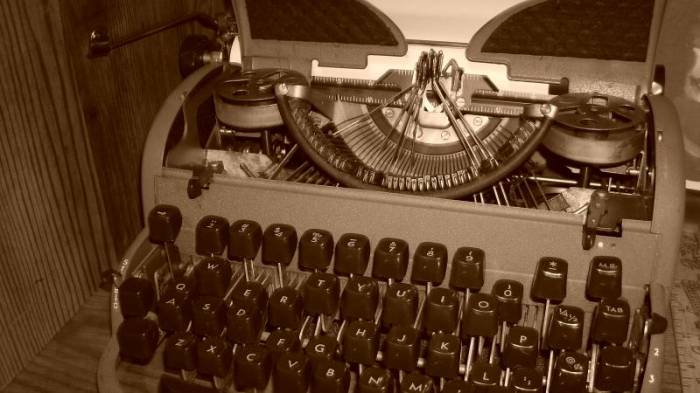
The first typewriter was built in 1868 by Christopher Latham Sholes, a newspaper editor, and printer from Milwaukee. When a key was hit, a typebar would pop up and strike the ink-coated tape, transferring the letter onto paper.
advertisement
#3 Crude Beginnings
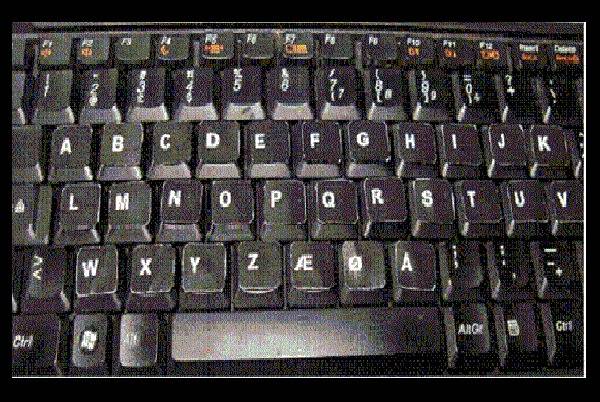
However, the first models of the original typewriter had the keys placed, as one would think, in alphabetical order. A through Z. The "WRITING MACHINE" (the name with which the machine was patented) had only two rows and the letters were arranged in alphabetical order with numbers from 2 to 9. O and I were used for the numbers 1 and 0.
#4 The Original Design
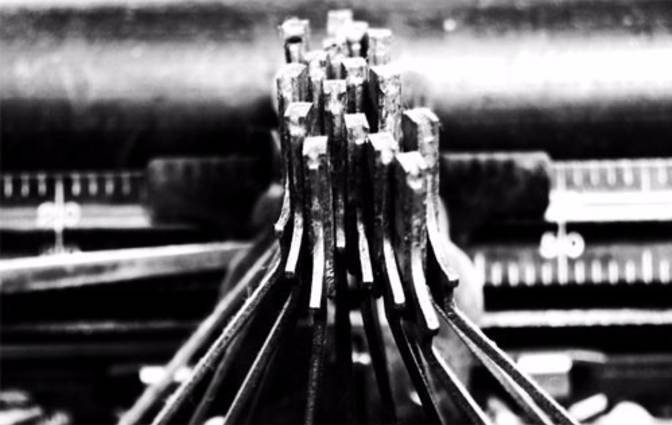
The less distance and higher speed allowed the typist to place alternate hands on the consecutive letters as often as possible. However, there was one major flaw in the design of this new fangled writing machine. When certain letters were hit in succession, like the TH and ST combinations, the arm bars on the typewriter would jam because they were too close together. In an attempt to correct the problem, Sholes spent the next five years experimenting with various key arrangements. To prevent sticking, he managed to come up with a new way to arrange the bars.
advertisement
#5 The Keyboard Is Based On The Products Name
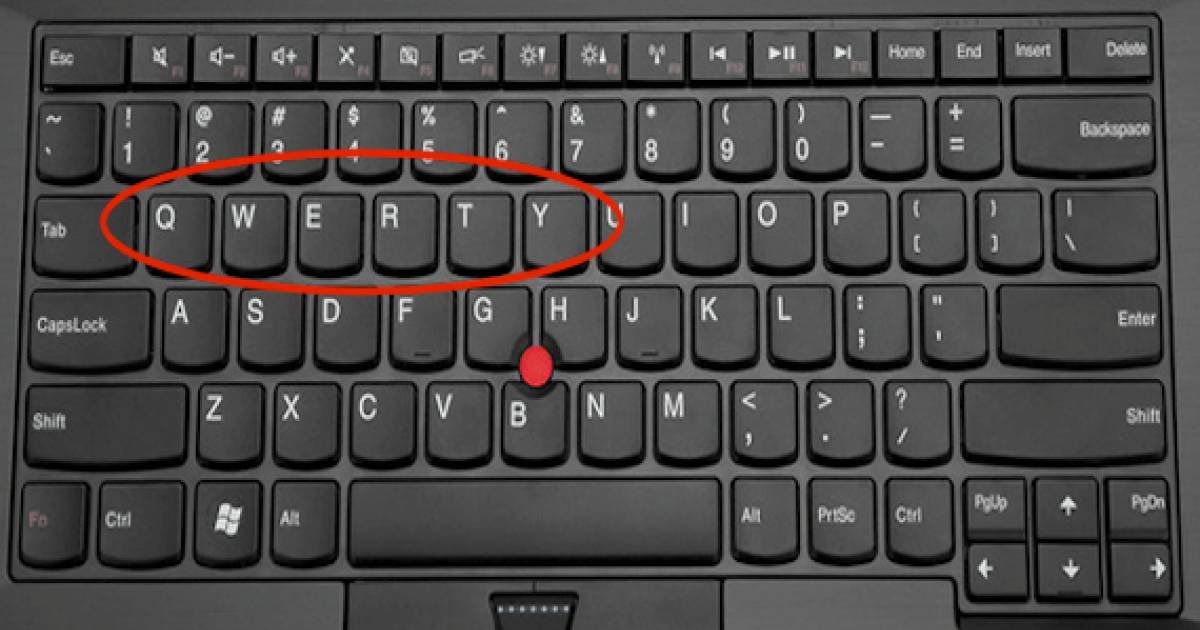
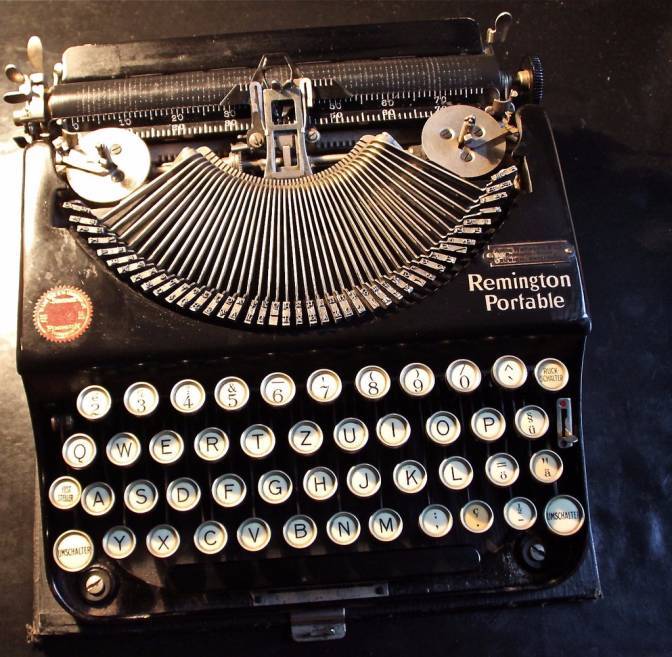
In 1873, the manufacturing rights of the machine were sold to E.Remmington and Sons. The company again arranged the LETTERS with the help of Soules. There is an interesting fact here. Try typing the word "TYPEWRITER". Did you notice something? All the letters you typed are in the FIRST ROW of your keyboard. The BRAND NAME of the machine was TYPEWRITER and it is said that the company wanted the letters of their brand name on the TOP. This layout is still being used as it has become a standard all around the world.
advertisement
#6 Bigram Pairing Influenced the Design
It's believed that the study of bigram (letter-pair) frequency was an influence on the letter arrangement. Others say the design evolved from the feedback of telegraph operators, who said it was easier to have the letters arranged by the amount they are used instead of where they should be placed in the alphabet.
advertisement
#7 Modern Day QWERTY Keyboard
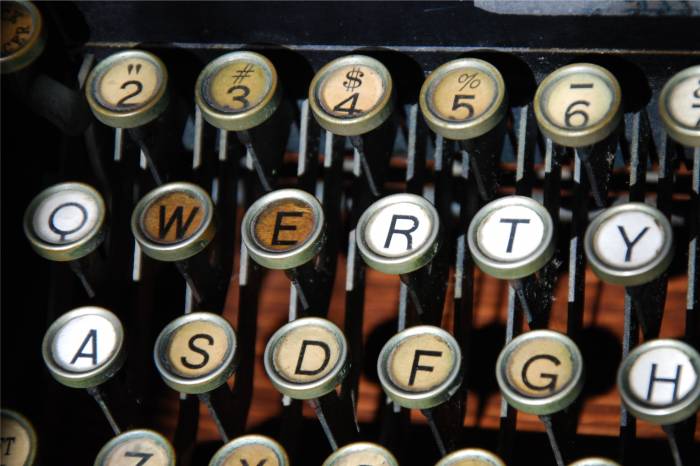
The result was the modern QWERTY layout. The design became a success after the release of the Remington Standard No. 2 in 1878. This typewriter included both upper and lower case letters. The SHIFT key was introduced in the 1878 version of the TYPEWRITER to shift between upper and lower case of the Alphabets. Our modern keyboards have so many keys additional to that found in the original Typewriters.
advertisement
#8 Stiff Competition
Sholes' keyboard did have some competition, however. In the 1930s Professor August Dvorak made it his mission to develop a more user-friendly keyboard, arranging all of the vowels and the five most commonly used consonants on the home row. They began producing typewriters in this format but it was met with a big resounding NO from consumers who refused to switch over.
advertisement
#9 Dvorak Defeated
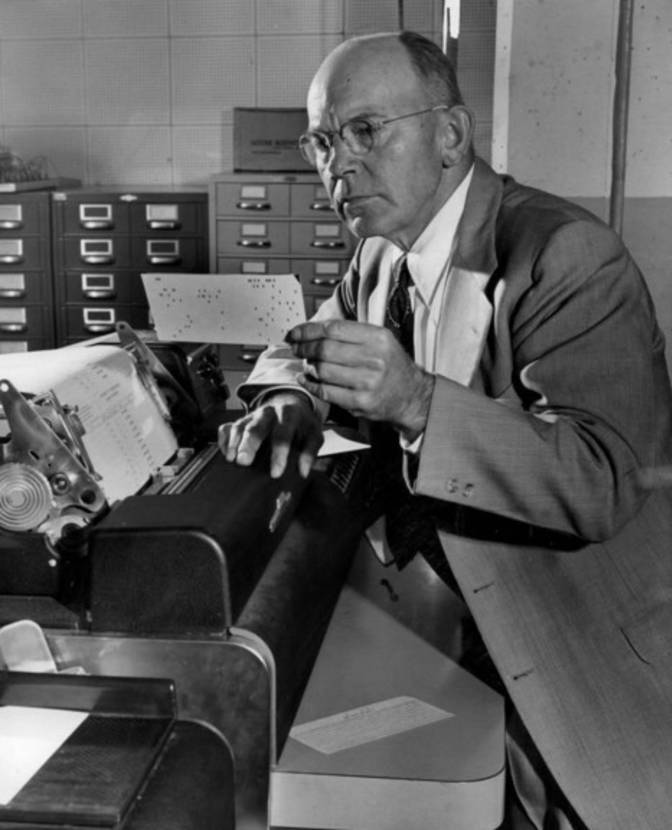
A U.S. General Services Administration study in 1953 determined that there wasn't a vast difference in the keyboards when it came to usability. Experienced typists in either design typed at roughly the same speed. On top of that, most people had already gotten used to typing on the QWERTY design and didn't want to relearn.
advertisement
#10 It Stuck Due To Classroom Typing Lessons
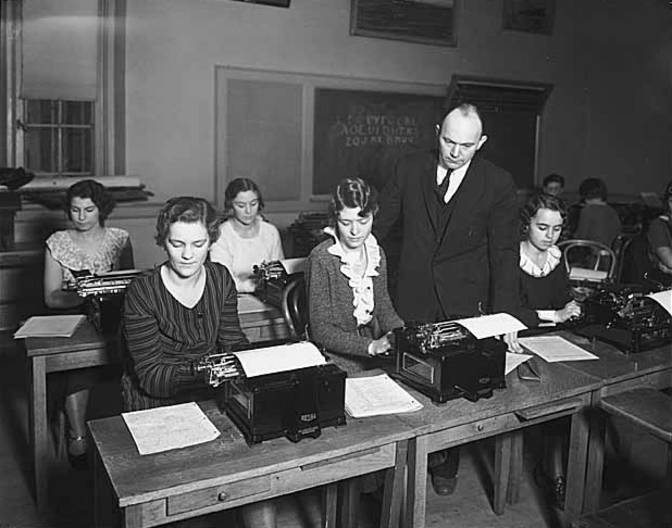
By the middle 1920s everyone was using the Remington typewriter as a means of jotting down a letter or story. They became commonplace in homes, offices, and schools, as the classrooms began offering courses in typing since it was considered the way of the future.
advertisement
#11 Carried Over To Modern Devices
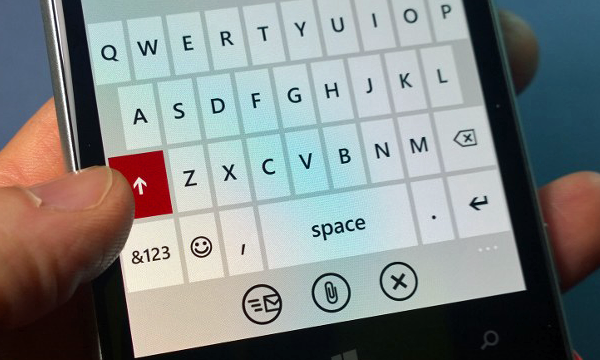
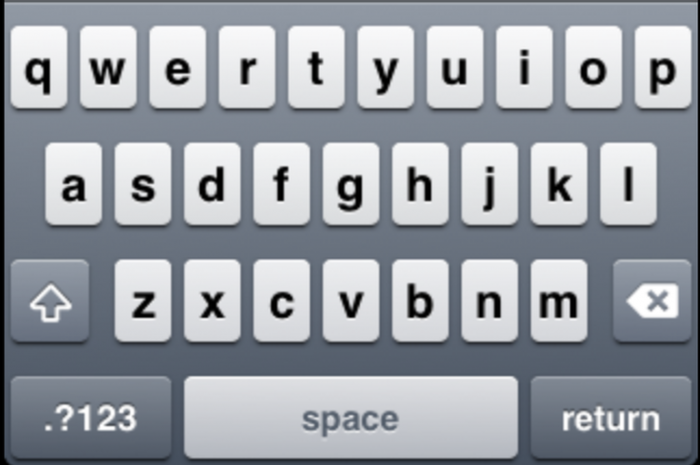
Typing class in schools soon made way to computer classes, where the original QWERTY keyboard was still the standard. The QWERTY keyboard worked so well, it has remained as our keyboard for our computers, laptops, and even cell phones.