Ever Wondered Why There’s A Silent ‘R’ In ‘Mrs’? It Goes Back Centuries
By
Shehzad in
Facts
On 25th November 2016
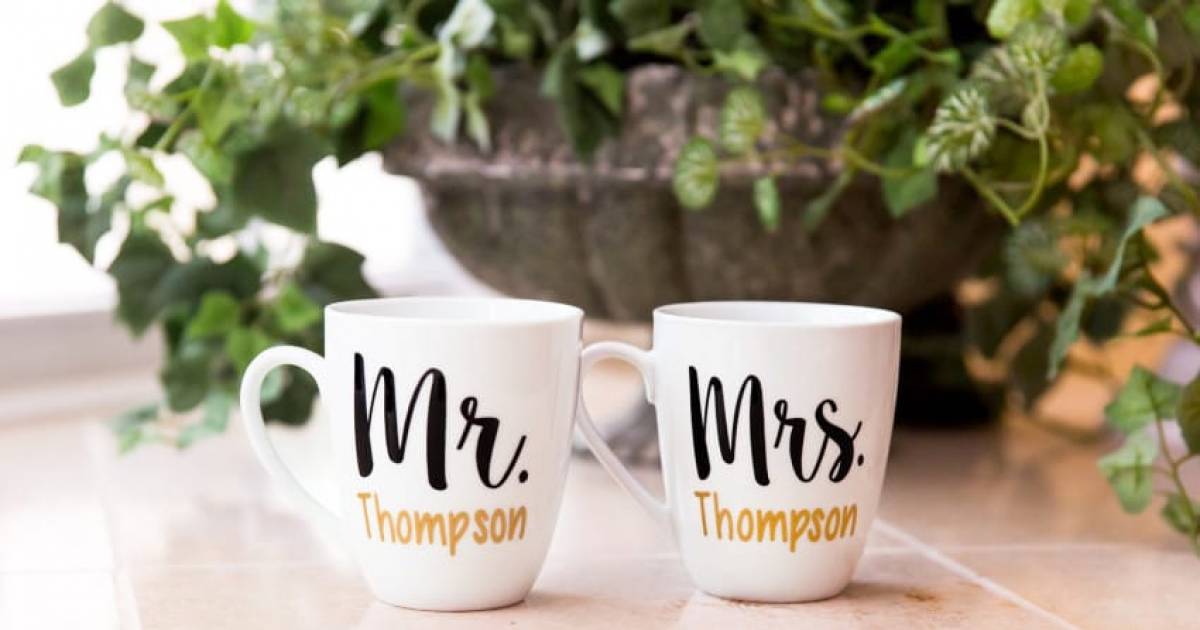
Referring to someone politely, you probably use the titles “Mr.,” “Ms.,” or “Mrs.” Obviously, these are abbreviations — after all, you can’t very well pronounce a word with no vowels! And that’s why we pronounce those words “mister,” “miz,” and “missus.”
But, wait a minute. Those first two make sense, but what’s up with the third one? Where did the “r” in “Mrs.” go when spoken aloud? And “missus” certainly looks like a pretty strange word, doesn’t it?
If you’ve ever wondered about this, never fear. We have the answers for you! Why? Because language and its history is really fascinating, and it helps us understand all kinds of things about the world we live in and the words we use today — and some of the words we don’t use anymore but should probably bring back.
So what’s up with “missus,” anyway?
Well, it all goes back to a slightly different word: mistress.
Today, “mistress” has a certain…connotation, but centuries ago, it simply meant the woman of the house or business. It also didn’t have anything to do with a woman’s marital status, so whether she was married or unmarried, a woman in charge was the Mistress.
Language is a fascinating and constantly evolving thing, and so the simple act of speaking is, in reality, a connection with the past. Even a common word we use every day can have a secret history that gives us a perspective on how our world came to be shaped. Pretty amazing!
#1
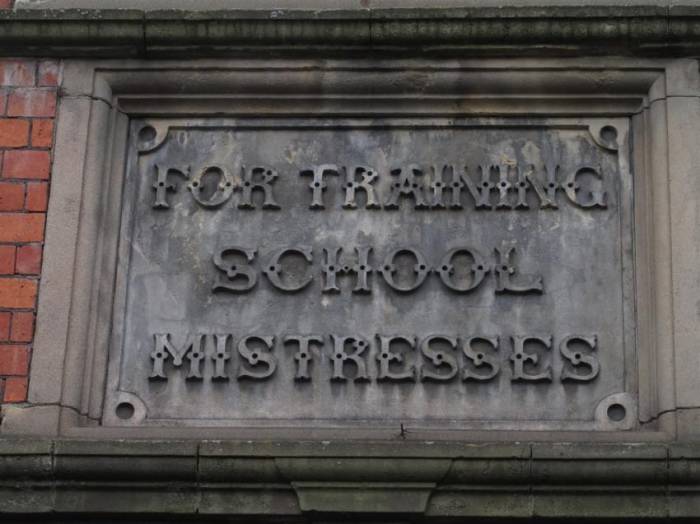
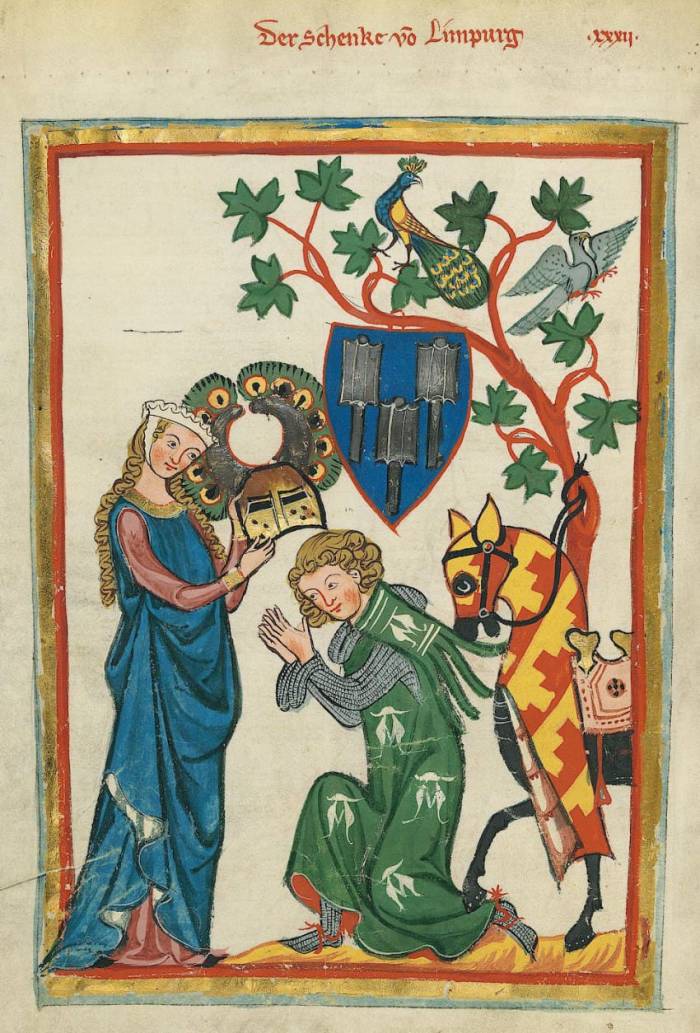
Back in the day, a woman who ran a business or a home, or was in charge, like a teacher or governess, was called by the honorific title "Mistress," which is the feminine form of ‘Master."
Female teachers, for example, would be called "schoolmistresses." The term was also used by servants and hired help towards their employers as a sign of respect. But it didn't have anything to do with the woman's marital status.
Throughout the 19th century, the word "mistress" became gently slurred into "missus," and the pronunciation stuck. The abbreviation, "Mrs.," though, retained its "r."
#2
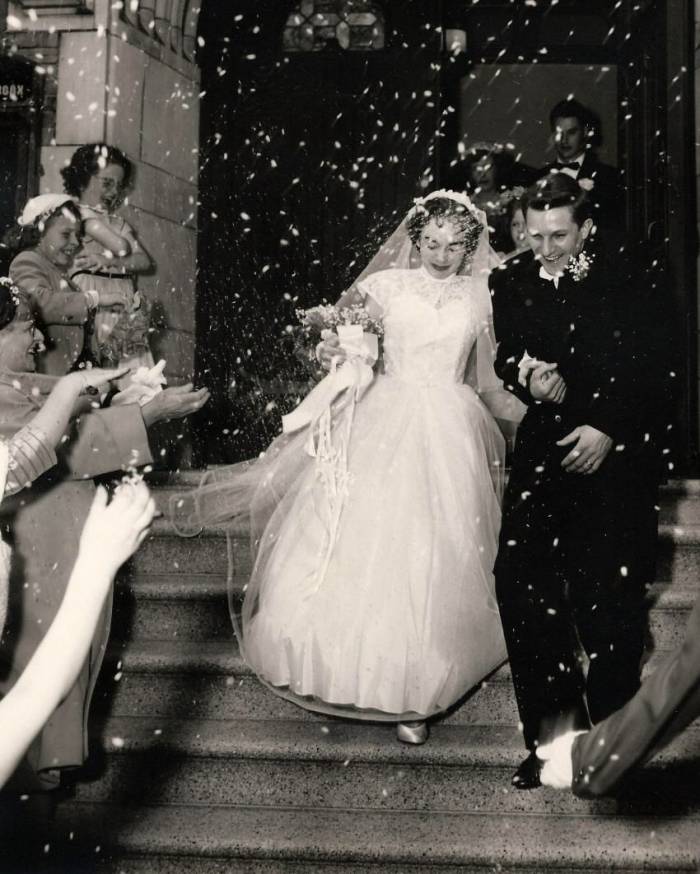
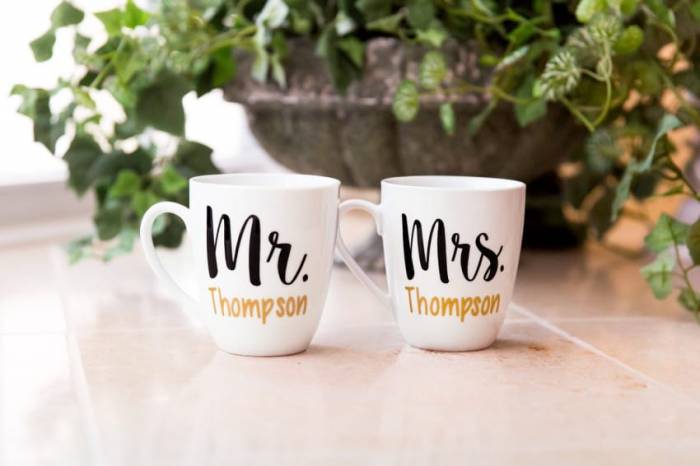
By the 20th century, "Mrs." meant a married woman. An unmarried woman was "Miss."
Traditionally, a woman went from being a "Miss" to a "Mrs." when she got married, and would also replace her last name with that of her husband's.
#3
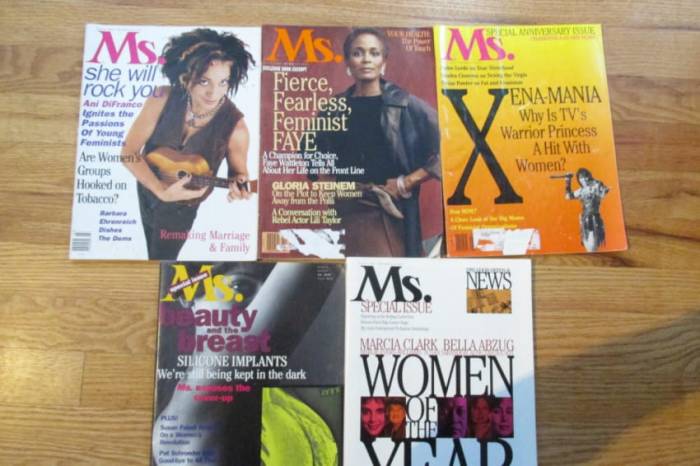
In the 1970s, with the rise of feminism and women's rights movements, another option appeared: Ms.
"Ms.," pronounced "Miz," is like an even shorter version of "Mistress," and similarly doesn't differentiate between a married and an unmarried woman, and can be used by either.
It's also the name of a magazine covering women's issues around the world!
#4
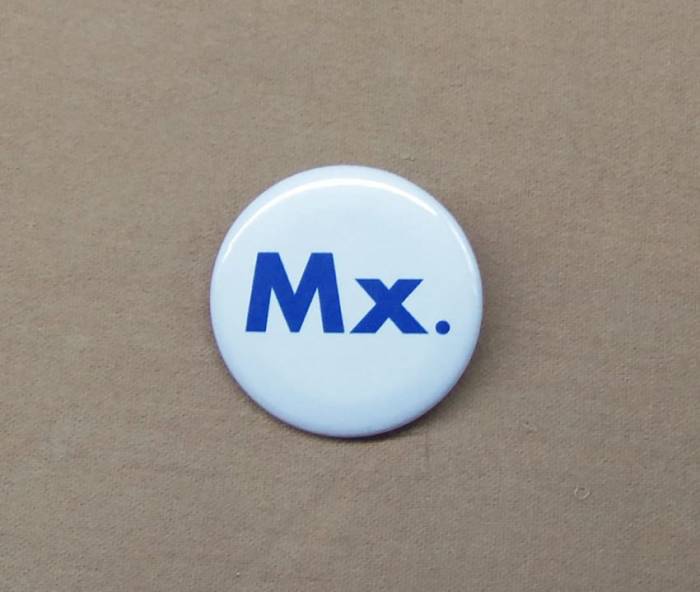
Today, an even more broad honorific has been introduced. It's pronounced "Mix" and can be used by any gender, or in place of the clunkier "Mr./Mrs./Miss/Ms." on official forms.
This one's still in its early stages and isn't very common, so it's hard to say whether it will catch on the way "Ms." has.
#5
So now that you know about "Mrs.," what about "Ma'am"? What's with that apostrophe?
"Ma'am" is actually short for "madam," from the French ma dame, which literally translates to "my lady," and has been used since the Middle Ages as a term of respect for a woman, especially of noble standing. "Sir" is derived from "sire," meaning "lord."
#6
Did you know about the history behind these little words? What's your favorite weird word history? Let us know in the comments, and SHARE with any history buffs you know!