If your scale doesn't reflect your healthy lifestyle, there could be a hidden reason you're gaining.
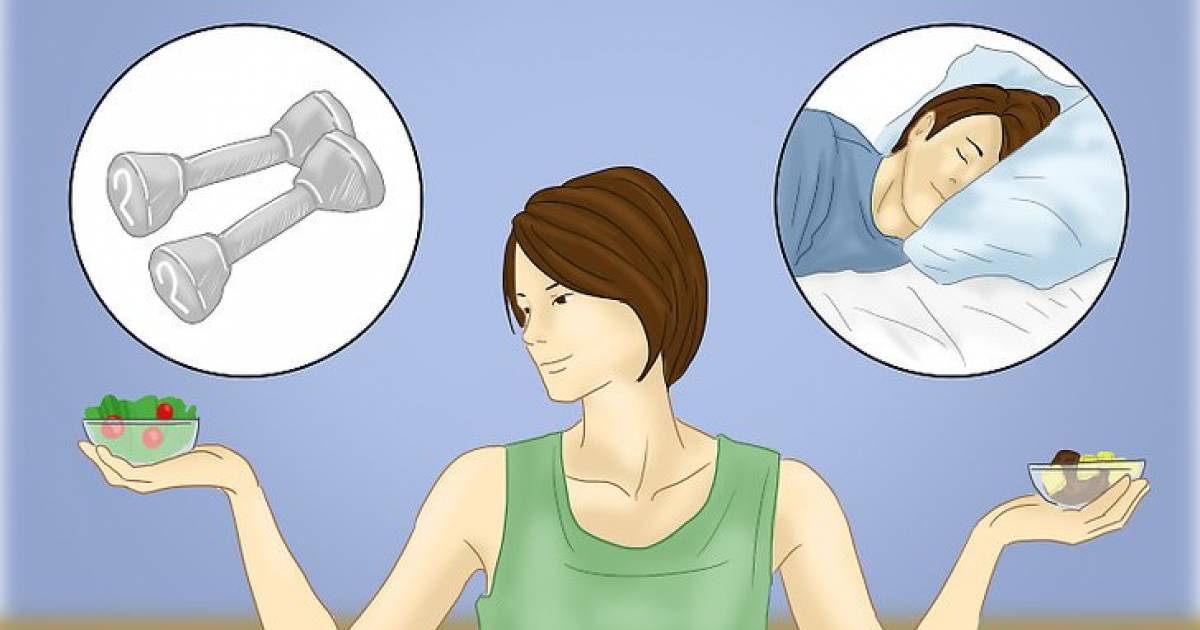
Everyday Habits That Are Causing You To Gain Weight
By
Editorial Staff in
Health and Fitness
On 13th April 2017
advertisement
#1
The frustration of seeing extra pounds on the scale—or of a too-tight waistband that you know used to fit—is understandable. But did you know that anything from a hormonal imbalance to vitamin deficiencies to the prescription meds you take can hold clues to what's making you gain weight? "A lot of people make what we think are lifestyle choices but are actually our bodies reacting to factors we can't control," says Robert J. Hedaya, MD, clinical professor of psychiatry at Georgetown University Medical Center. "Whether it's hormonal, a medication side effect, or something else, too often we put the onus on the individual, and there are factors that sometimes justify a doctor's help."
Here are Everyday Habits That Are Causing You to Gain Weight!
#2 You sleep too much
With too little sleep, your body is more likely to produce the stress-response hormone cortisol which increases your appetite. However, oversleeping might not be much better for you either. According to a recent study conducted by PLOS One journal, sleeping more than 10 hours a night can lead to a higher body mass index. It’s no wonder that doctors recommend getting 7 to 9 hours of sleep every day.

advertisement
#3 You're taking the wrong Rx
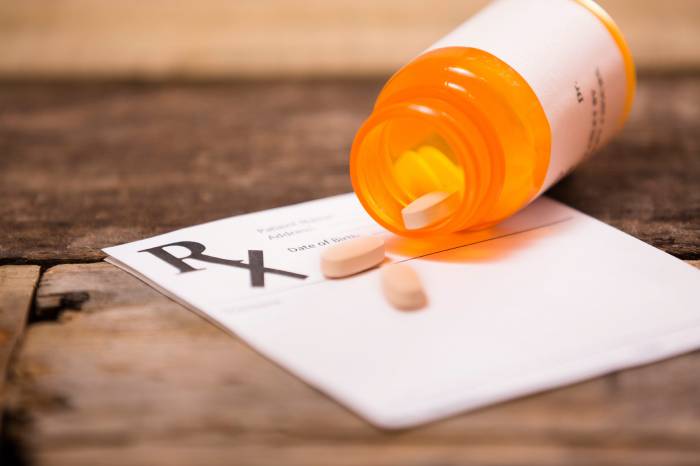
There's a long list of medications that can cause weight gain: If you're taking birth control pills, excess hormones for hormone therapy, steroids, beta-blockers for heart disease and blood pressure, anti-seizure meds, breast cancer medications like Tamoxifen, some treatments for rheumatoid arthritis, and even some migraine and heartburn medications, you may notice pounds creeping on.
"When I see patients who are concerned about weight gain, I start looking at their medications," says Steven D. Wittlin, MD. clinical director of the endocrine-metabolism division at the University of Rochester Medical Center in Rochester, NY. "That's a biggie. Some may affect appetite; some may affect metabolism." Others may simply make you feel better and thus regain your lost appetite.
#4 You turn your back on dietary knowledge
It turns out that when people receive exercise and nutritional advice, they make healthier choices than people who do not receive such advice. So you are off to a great start by reading this article.

advertisement
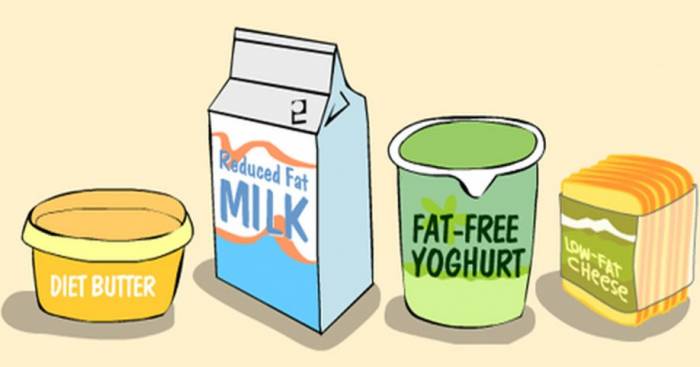
#5 Low fat is not always your friend
The issue is that when fat gets taken out, it must be replaced with something else. Often, that something is carbohydrates, and often, carbs are worse than fat! Extra carbs cause our blood sugar to spike. When we fall back to earth, we are hungry again, so we eat more. Eating healthy fats is actually good for you and makes you feel full.
advertisement
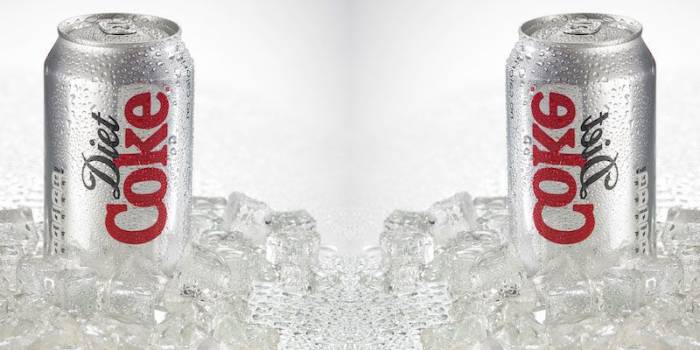
#6 You fiend for diet soda
It’s true that diet soda has fewer calories than regular soda. However, artificial sweeteners in diet soda may increase your appetite. Studies comparing groups of diet soda drinkers to non-drinkers find that the drinkers gain significantly more weight than nondrinkers.
advertisement
#7 YOU EAT TOO QUICKLY
If your body has one major flaw, this is it: It takes 20 minutes for your stomach to tell your brain that it’s had enough. A study in the Journal of the American Dietetic Association found that slow eaters took in 66 fewer calories per meal, but compared to their fast-eating peers, they felt like they had eaten more. What’s 66 calories, you ask? If you can do that at every meal, you’ll lose more than 20 pounds a year!

advertisement
#8 YOU WATCH TOO MUCH TV
A University of Vermont study found that overweight participants who reduced their TV time by just 50 percent burned an additional 119 calories a day on average. That’s an automatic 12-pound annual loss! Maximize those results by multitasking while you watch—even light household tasks will further bump up your caloric burn. Plus, if your hands are occupied with dishes or laundry, you’ll be less likely to mindlessly snack—the other main occupational hazard associated with tube time.

advertisement
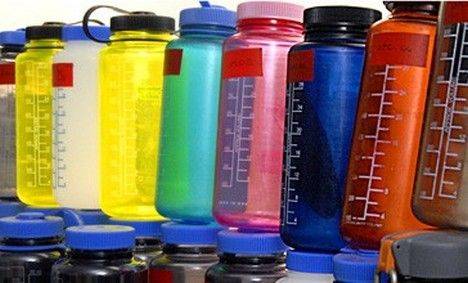
#9 YOU DRINK OUT OF PLASTIC
You know how important it is to stay hydrated, which is why you’re never seen without a bottle of Poland Spring by your side. While we commend you for getting your daily dose of H20, you should seriously consider trading your throw-away bottle for the reusable, BPA-free variety. Bisphenol A, commonly referred to as BPA, can negatively impact fertility in both men and women and has also been been linked to obesity. Don’t believe it? The science doesn’t lie: A 2011 Harvard study found that adults with the highest concentration of BPA in their urine had significantly larger waists and chance of being obese than those in the lowest quartile.
advertisement
#10 YOU COOK TOO MUCH
Just because your meal is healthy doesn’t mean you don’t have to practice portion control. Remember, even virtuous foods have calories! Half of your plate should be filled with veggies and the remaining half should hold a cellphone-sized serving of lean protein, a fist-sized serving of grains and a bit of fat no larger than the size of your pointer finger.

advertisement
#11 Portion distortion.
We tend to eat everything served to us -- whether at home or on the go. "Portions are huge these days," says Zelman. "Learn what normal portions are, and stick to them."

advertisement
#12 You get ready in the dark
Open the blinds or curtains immediately after waking up. One study in the journal PLOS One found that blue light waves from the early morning sun boost your metabolism and help your body wake up. Even 20 to 30 minutes of daylight is enough to affect your body mass index.

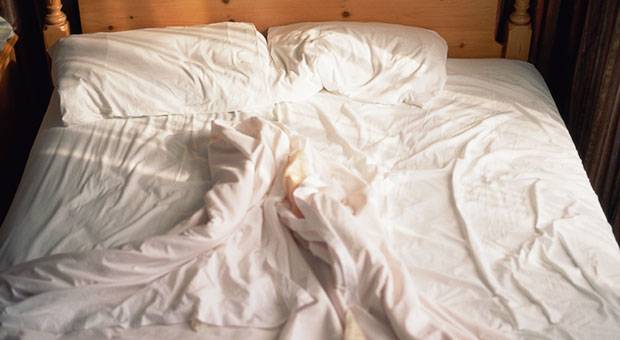
#13 You don’t make your bed
It may sound strange, but it’s true. A study by the US National Sleep Foundation revealed that people who reported making their beds also reported better sleep overall. After all, healthy sleep is the optimal way toward a healthy weight.
advertisement
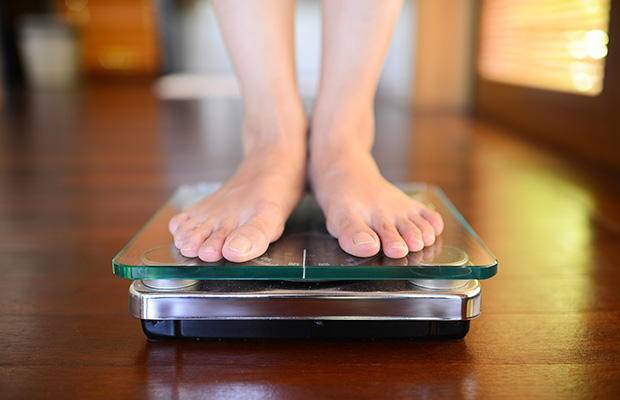
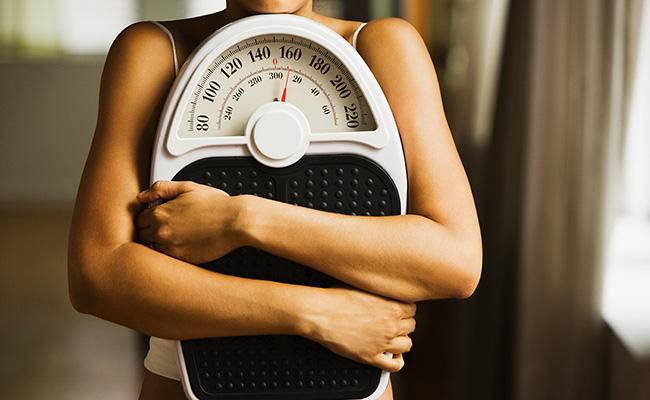
#14 You forget to weigh yourself
Researchers from Cornell University proved that daily weighing is a successful technique that encourages weight loss. The best time to step on the scale is first thing in the morning before eating or drinking anything. Since you lose water weight overnight, you’ll get the most accurate number.
#15 Skipping breakfast.
"That's a big mistake, because you've fasted overnight. Your body needs fuel, and your metabolism needs to be jump-started with food." Best breakfast choices: whole-grain cereal with fresh fruit.