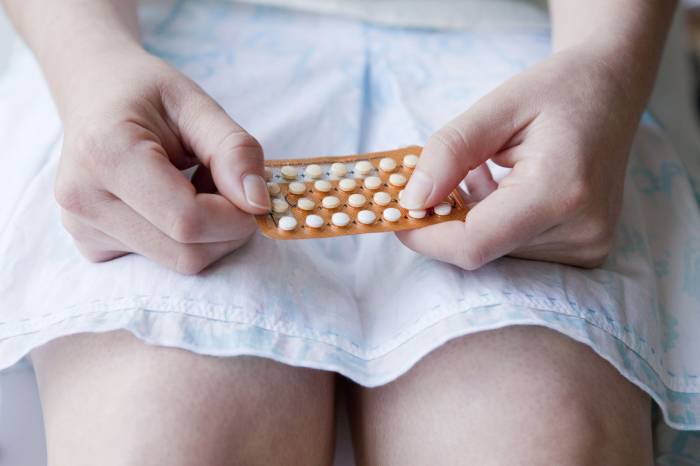
Our bodies enjoy rhythm and routine. So, if everything is going according to plan, your cycle should be regular and easy to keep up with. However, because hormones fluctuate easily, there are many factors that could quickly change your monthly routine. Everyone knows that pregnancy and birth control pills can affect our periods, but there are many other potential causes that we would not consider as being problematic. Here are explanations of some daily activities that you might not suspect could have a strong influence on your period.

Everyday Things That Can Affect Your Period.
By
Editorial Staff in
Health and Fitness
On 3rd August 2017
advertisement
#1
If you feel that your period is unpredictable in terms of arrival dates or if you notice a change in the flow, you might not be aware of things you are doing that are affecting it.
Here are everyday things that can mess up your menstrual cycle.
#2 Poor Diet
A poor diet low in nutrients, antioxidants and probiotic foods yet high in stimulants can tax the adrenal glands and thyroid. For example, a high intake of sugar, hydrogenated fats and artificial additives, or pesticides is linked with thyroid issues and adrenal fatigue that can raise cortisol.
Excess cortisol hinders the optimal function of many other essential hormones, such as sex hormones. It can also promote the breakdown of bones, skin, muscles and brain tissue when high over a long period of time. This cycle of excess cortisol can lead to protein breakdown, which results in muscle-wasting and potentially osteoporosis.

If you’re struggling with menstruation, make sure to eat enough food and make it the right kind. Eat high antioxidant foods that are nutrient-dense, especially plenty of fats (even saturated fats that are good for you) and proteins. Also, choose a high-calorie supplement if you are underweight, have low body fat or are an athlete.
advertisement
#3 Smoking
Whether you smoke or not has a strong effect on your menstrual cycle. Research shows that smoking alters the development of hormones such as testosterone, progesterone, and estrogen which shortens periods and makes them irregular. The fluctuation of these hormones has been known to worsen PMS.

Although the risk of period irregularity and PMS is correlated with how young you were when you started smoking, your menstrual cycle can actually be helpful in quitting. A study by researchers at the University of Pittsburgh School of Medicine discovered that women who quit smoking during the first half of their cycle (days 1-14) had less intense withdrawal symptoms than those who quit the second half of their cycle (days 14-28).
#4 Changes in routine
Major changes in routine can cause your periods to go off schedule, so if you’ve recently been traveling, moved to a new time zone, started working a different shift, or done something else to dramatically change your life and schedule, that might be the culprit.

advertisement
#5 Being Overweight
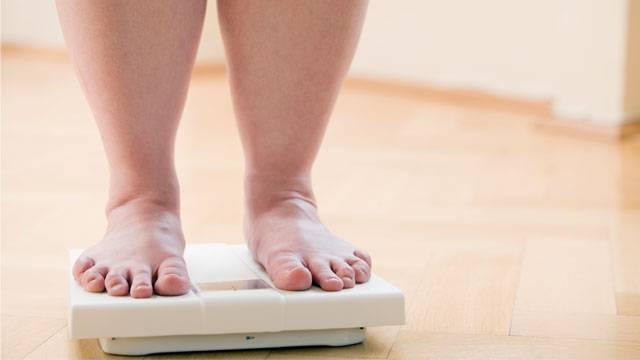
Too many fat cells in your body results in higher levels of oestrogen, which stops the process of ovulation. This is why is very common for obese women to have heavy, infrequent and longer-lasting periods. Having elevated oestrogen levels for a long period of time increases your risk of endometrial cancer – as your endometrial lining still continues to get thicker – so try to lose weight or speak to your doctor about going on the pill, as this makes your endometrial lining thinner.
advertisement
#6 Exercising rigorously
Heard of marathon runners losing their periods? It's not a myth: frequent rigorous exercise combined with low body fat puts stress on your body, and this stress tells your brain to stop producing reproductive hormones. "Since you can't nourish a baby under extreme stress, your body temporarily shuts down the production of fertility hormones," explains Dr. Lerner.

One study found that half of exercising women experience subtle menstrual irregularity. A period that arrives a few days off schedule is nothing to worry about, but see your doctor if you haven't had your period for longer than three months. "It's a condition called amenorrhea, and it can compromise your bone density long-term," says Dr. Lerner.
advertisement
#7 Antibiotics and menstrual cycle
Did you know that antibiotics can affect the menstrual cycle? Indeed, most of them can have an effect on menstrual periods, with some reporting delays.

Antibiotics can interfere with your body’s mechanism which secretes the human chorionic gonadotrophin hormone (hCG) and cause uterus shedding to delay your period. This will happen mainly because the available estrogen will be reduced to cause a change in your cycle for it to become irregular.
advertisement
#8 Infections
Although an infection doesn’t affect your hormones, it can cause excess bleeding which may lead you to think you are getting your period too frequently. This can be caused by bacterial infections, pelvic inflammatory disease or sexually transmitted infections, which can cause bleeding from the inside of your uterus.
If you are bleeding too frequently and its accompanied by painful urination, pain or tenderness in your abdomen, unusual discharge, fever, or vomiting, you need to see your gynecologist.
advertisement
#9 Birth Control Pills
During the high school and college years, many young women start taking the birth control pill to not only avoid unwanted pregnancies, but to also help regulate their menstrual cycle. The thing is, it can take two to three months before your body adjusts to taking the pill. In the meantime, you may experience some irregularity or spotting. To try and eliminate some of the spotting, take the pill at the same time each day.