
Sexual health organisation Brook share everything you need to know about condoms. You can also visit their site for info on contraception, STIs and sexual health advice.
advertisement
#1 There are four different kinds of condoms.
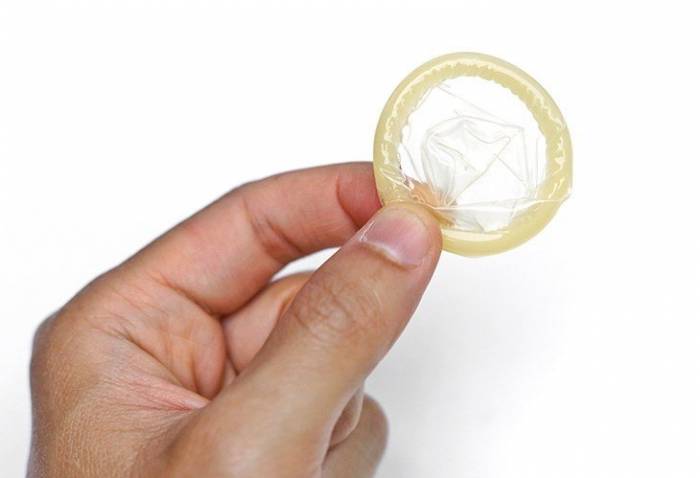
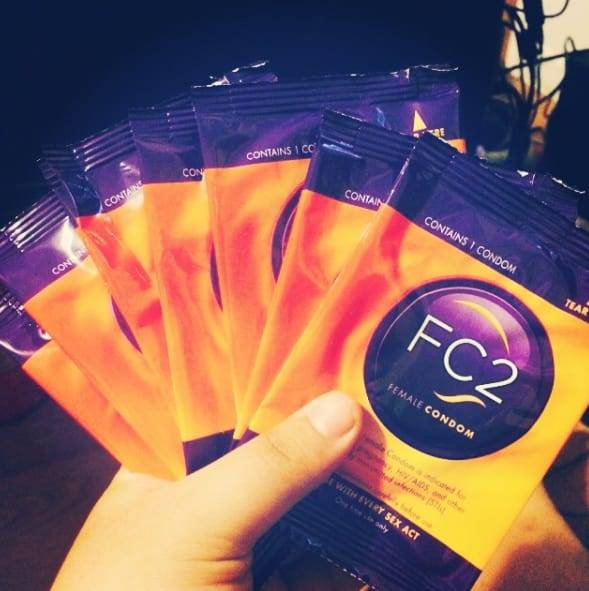
Now that things like cloth and turtle shells (yes, really) have gone out of style, there aren't as many condom options, but that's probably a good thing. Most condoms are made out of latex, but there's non-latex for anyone with an allergy, and those are usually made of polyurethane. Some are even made of polyisoprene, if you're unlucky enough to be allergic to both latex and polyurethane. Then there are lambskin condoms, which are actually made from lamb intestines, not skin. Finally, you can always pick up female condoms, which function drastically differently but are still designed to protect against pregnancy and STIs.
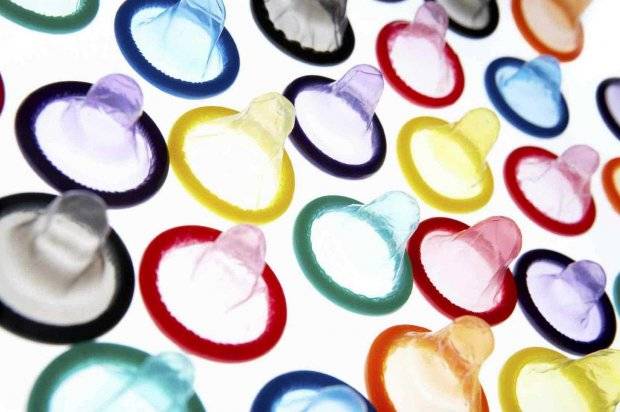
Despite “all men are equal” not being a universal truth when it comes to penis sizes, most Indian manufacturers and retailers of condoms tend to believe in the “one size fits all" maxim. Listen up - bad idea! Most condom “accidents” occur because of guys using the wrong size for them: if the condom is too big, it slips off; if it’s too small, it might get ripped or broken during the course of things. However, luckily for us all, things are changing - finally! You can now get “shaped” condoms for better fit, and also small and large ones in India. So choose carefully - or convince your guy to.
#2 Only 5 percent of men around the world wear condoms.
Keep in mind, this is a cross section of a variety of different countries that may or may not have easy access to contraception. But still, 5 percent is low. Really low. Especially considering the goal is 100 percent.
advertisement
#3 Condoms have been around a long time.
There is evidence that glans condoms were used before the 15th century in Asia. Glans condoms were those that covered only the head of the penis. In Europe, these same style of condom were first used in the 16th century as a way to prevent the spread of syphilis. These early condoms were made from a variety of materials. In China they were made from oiled silk paper or lamb intestines. In Japan, they were made from tortoise shell or animal horn. In Europe, early condoms were made from linen, which was soaked in a chemical solution and then allowed to dry. These were then tied on with a ribbon.
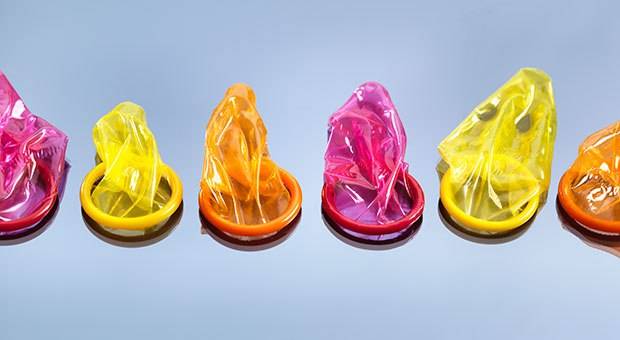
#4 Condoms are sometimes referred to as “rubbers.”
This name came about because Charles Goodyear’s process of making rubber led to the manufacturing of rubber condoms, which were reusable. Today’s condoms are mostly made from latex, polyurethane or lambskin and are used once and then thrown away. Lambskin condoms are actually made from the lamb intestines, not the outer skin.

advertisement
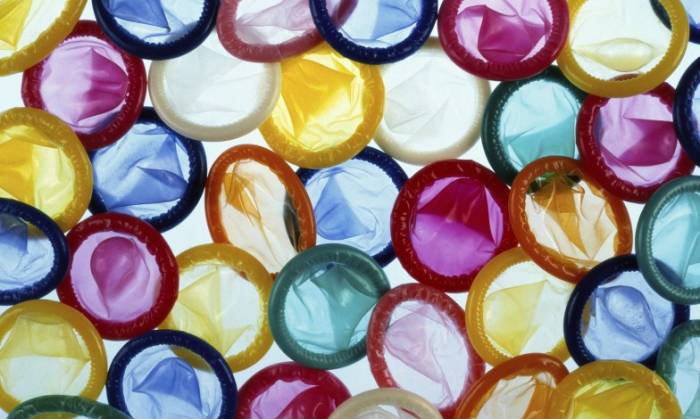
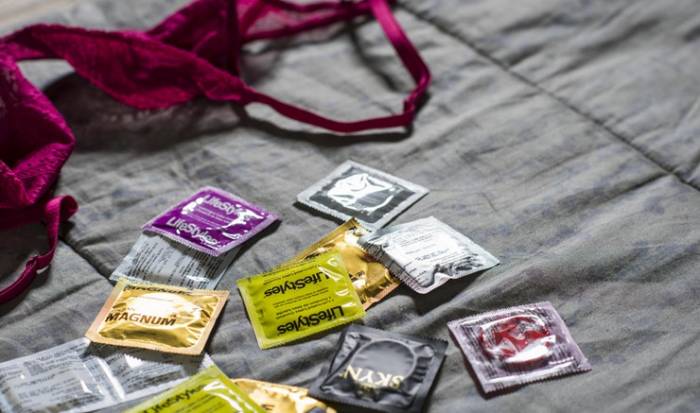
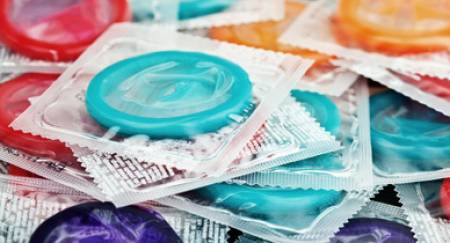
#5 Condoms come in a large variety of sizes, shapes and textures.
Trojan itself, has over 30 different varieties of condoms. Some condoms are less than 7 inches long and some are more than 9.5 inches long. There is also a variety in the width of condoms, making sure that all sizes and shapes are available to help you find the one that fits you best.
advertisement
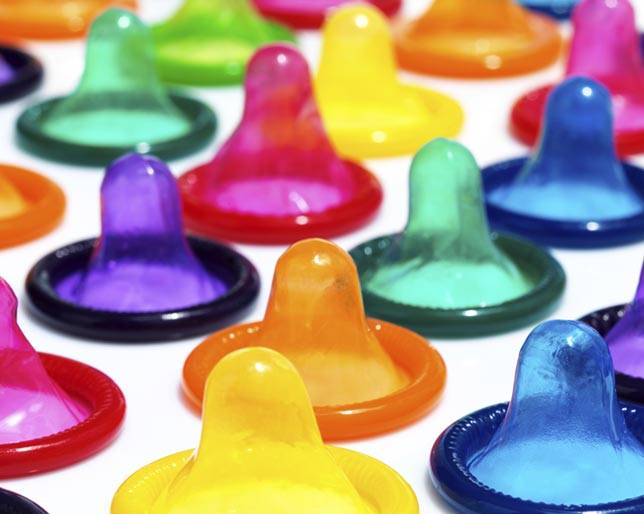
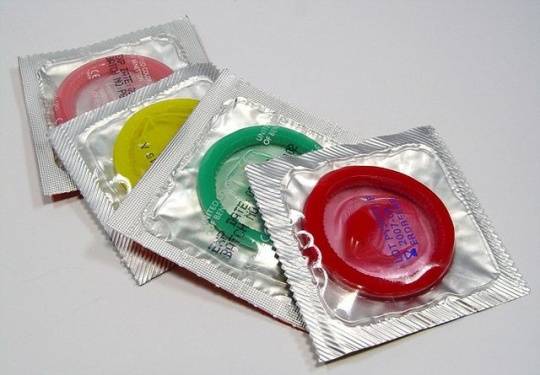
#6 Cutesy, novelty condoms don't necessarily protect against pregnancy and STDs.
Those pink, watermelon-scented condoms you see at the mall? Don't waste your money. Oftentimes, they aren't really meant to be used as protection. It will usually say so on the fine print, but it's pretty hard to see unless you're looking for it. So, what brands should you buy? Head to your local Planned Parenthood or student health center and find out what they recommend. It's usually not the brand you see advertised the most on TV, but one that has the highest success rate against pregnancy and STD transmission.
advertisement
#7
They're usually made from very thin latex, aka rubber, and work by covering the penis which stops sperm in semen from coming into contact with the vagina. That's if you're a straight couple, obvs.

advertisement
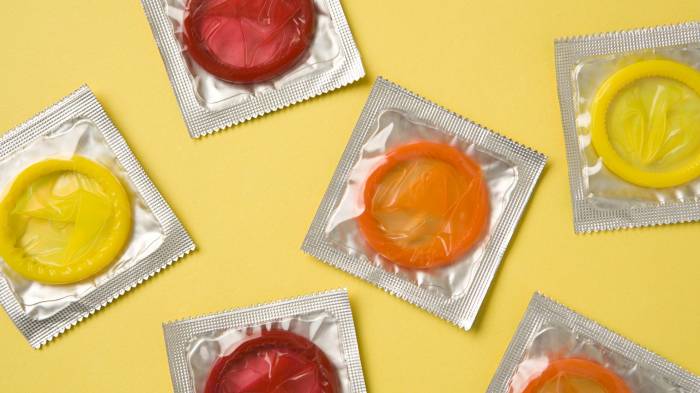
#8 If you or your partner is allergic to latex condoms, it's best to use a female condom instead of a "lambskin" one.
Most people with a latex allergy use natural membrane condoms, also known as "lambskin" condoms. (They're not actually made from lamb skin, but they are made from animal intestines.) They really aren't the best, though. "These offer fair to good protection against unintended pregnancy and bacterial infections like chlamydia, gonorrhea, and syphilis," says Dr. Cullins. "However, they do not offer as much protection as latex or polyurethane condoms do against viral infections such as HIV/AIDS." Eek! So what to do? Try a polyurethane female condom, instead, which has an up to 95 percent success rate against pregnancy and helps reduce the risk of infection. "The female condom has flexible rings at each end and is inserted deep into the vagina before vaginal intercourse," says Dr. Cullins. "The ring at the closed end holds the pouch in the vagina. The ring at the open end stays outside the vaginal opening during intercourse."
advertisement
#9 What if they hurt?
Most popular brands nowadays tend to have lubricated variants, so they shouldn’t hurt too much. And if they do, you’d be well-advised to use an external lubricant like we’ve mentioned before. However, a small percentage of women are actually allergic to latex (or the process by which the material is treated when a condom is manufactured). For those girls, the best option is a non-latex condom, such as one made out of polyurethane. They also tend to be slightly thinner than the average latex condom, so win-win!
advertisement
#10
The word "scumbag" actually means condom. Originating in the 1960s, this derogatory term simply means semen-filled used condom. You had no idea what kind of grimy shade you were throwing at that little boy on the yellow slide during recess.
advertisement
#11
Ireland is one of the most expensive places to buy condoms in, at about $18 a box. Shanghai is the cheapest.
advertisement
#12 If your partner claims that having sex feels ~totally~ different or bad with a condom, be prepped with a great answer.
While it's true your partner might feel different sensations while wearing a condom, realistically, it shouldn't feel game-changingly so. Can he feel it when a condom breaks during sex ? Usually not, so point that out. And any guy giving you an excuse about not using one doesn't respect you as he should. "Many women and men say they actually have better sex when they use condoms, since they're able to focus on what's happening without worrying about unintended pregnancy and sexually transmitted infections," adds Dr. Cullins. The important thing is to make it clear that your health (and your partner's health) is your top priority — and that sex without protection is not an option.
#13 There is no documented medical reason a person can't use a condom.
Since modern condoms are made of latex, polyurethane, lamb skin, and polyisoprene — there's even something for the most sensitive peens out there. Whether a guy or a girl will still complain about having to wrap it? That's not as certain.
advertisement
#14
Condoms can be obtained for free from loads of places. Read our guide to getting your hands on freebies.
#15
You should never feel embarrassed about asking for or buying condoms as choosing to use them shows that you have respect for your body and are responsible enough to look after your sexual health.

advertisement
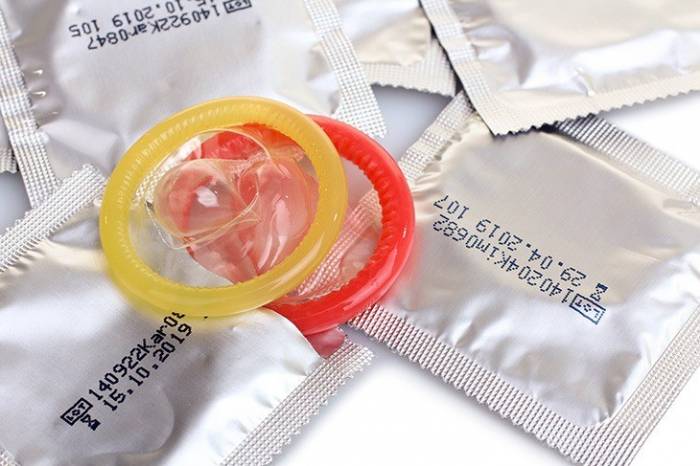
#16 Proper storage of condoms is important for effectiveness.
It is recommended that you keep unused condoms out of sunlight and store them in areas that are between 32 degrees and 100 degrees Fahrenheit.

#17 Condom design hasn’t changed in almost 100 years.
There is research to find a better condom going on around the world. The Bill and Melinda Gates Foundation offers grans of up to $100,000 for people trying to make a better condom. Some ideas for better condoms include a one-size–fits-all made of a material that will mold to the penis and a condom with handles to make it easier to put on.
advertisement
#18 Condoms (on average) don't really affect how good the sex is.
Surveys show that couples were just as satisfied with sex whether or not they were using condoms. So considering condoms are 98 percent effective at preventing pregnancy and make sex ten-thousands of times safer, "it doesn't feel good" isn't an excuse not to use one.
#19 World sporting events are a great place to get condoms.
There were 150,000 free condoms available to athletes during the 2012 Olympic Games in London. Durex provided the condoms for the over 10,000 athletes, giving each athlete the opportunity to have 15 condoms. During the 2014 World Cup in Brazil, Karex, a condom manufacturer distributed 864,000 cocktail-flavored condoms.

advertisement
#20 Bill Gates really wants to make a better condom.
The Bill and Melinda Gates Foundation actually offers up $100,000 grants to people trying to make better condoms. Some of the potential "condoms of the future" include condoms that actually mold to the penis (making for a one-size-fits-all solution) and one with handles (