

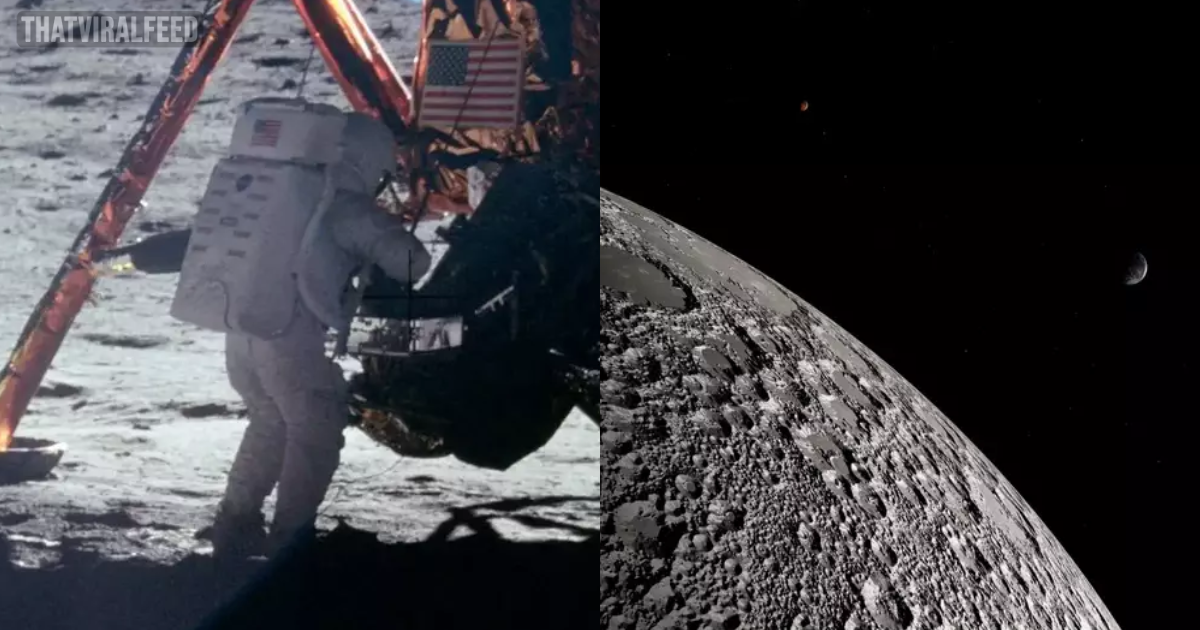
In the world of conspiracy theories, one that's held strong for years questions whether we ever landed on the moon. But let's explore the evidence that supports the reality of those historic moon missions.
advertisement
There are many conspiracy theories to pick from, but this one is one of the most enduring.
Yes, the moon landings are the subject of this.
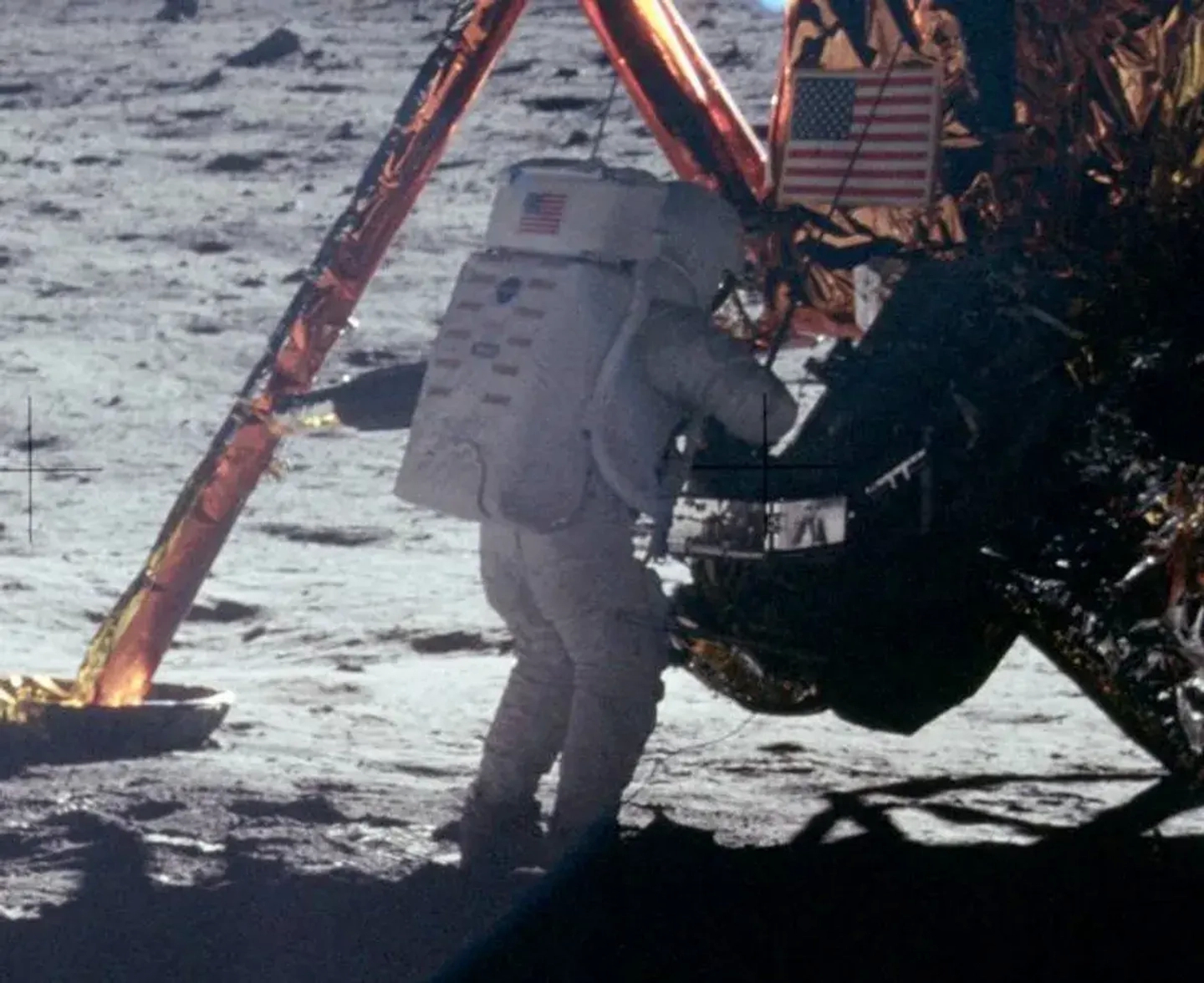
Getty Images
It's simply that they never actually took place, which is the whole moon conspiracy.
As claimed proof, everything from false shadows to no wind in space has been presented.
However, there is also evidence that points in the opposite direction.
So let's take a look at some evidence that the moon landings actually took place.
advertisement
The first myth on our list is the idea that the shadows in the landing pictures proved the shots were fabricated.
This was interpreted as evidence that the photographs were fake because the shadows were not parallel.
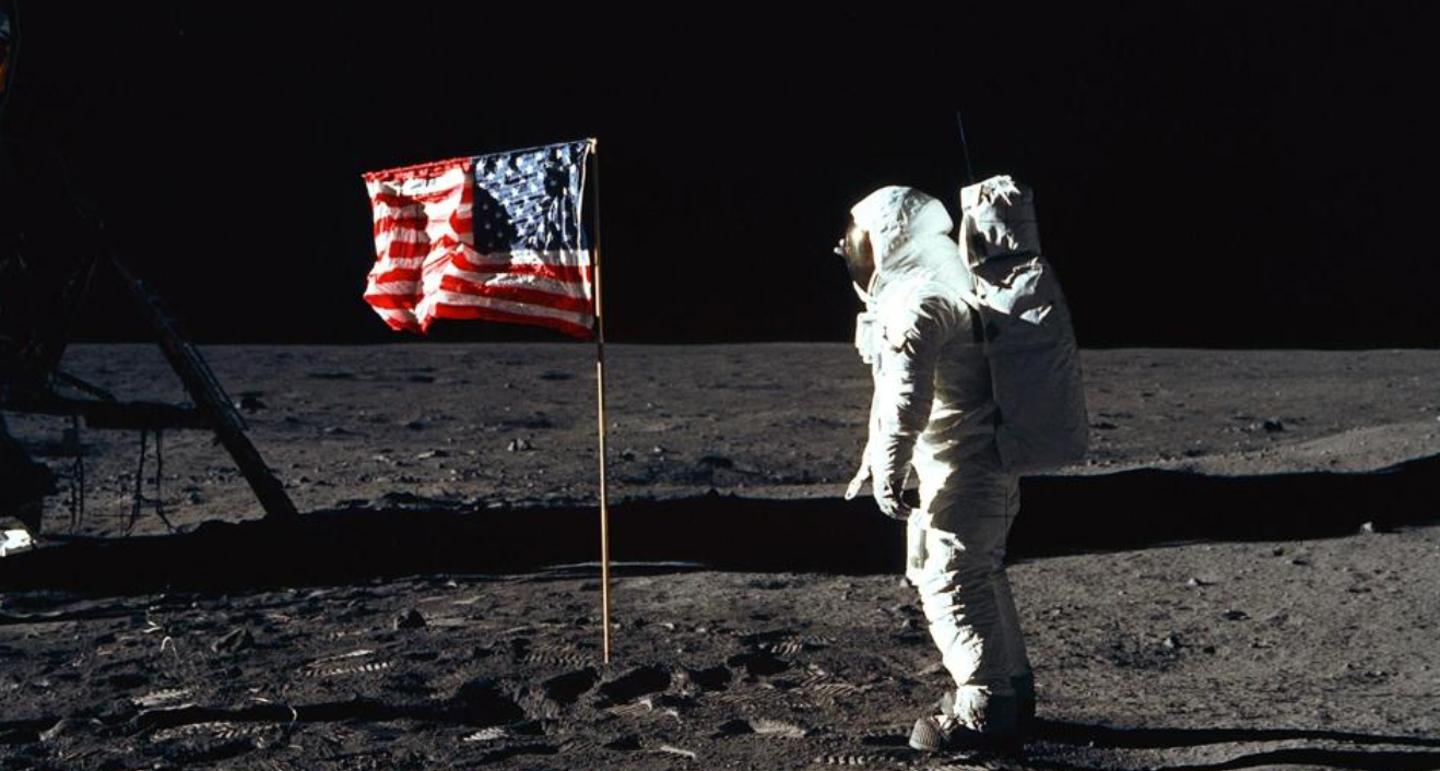
Getty Images
The good news is that this effect can be duplicated elsewhere, including on Earth.
You will have experienced this effect at some point in your life, according to Professor Anu Ojha, director of the National Space Centre Discovery, in a 2019 talk at the Royal Museums Greenwich.
"You have all seen this phenomenon yourself, where, because of perspective, parallel lines appear to be non-parallel," he said.
"If you are trying to reduce to a two-dimensional plane a three-dimensional situation, you can make lines do all sorts of weird things. Artists have been using this for centuries."
advertisement
There is a reason for that as well, going back to the "no wind in space" notion.
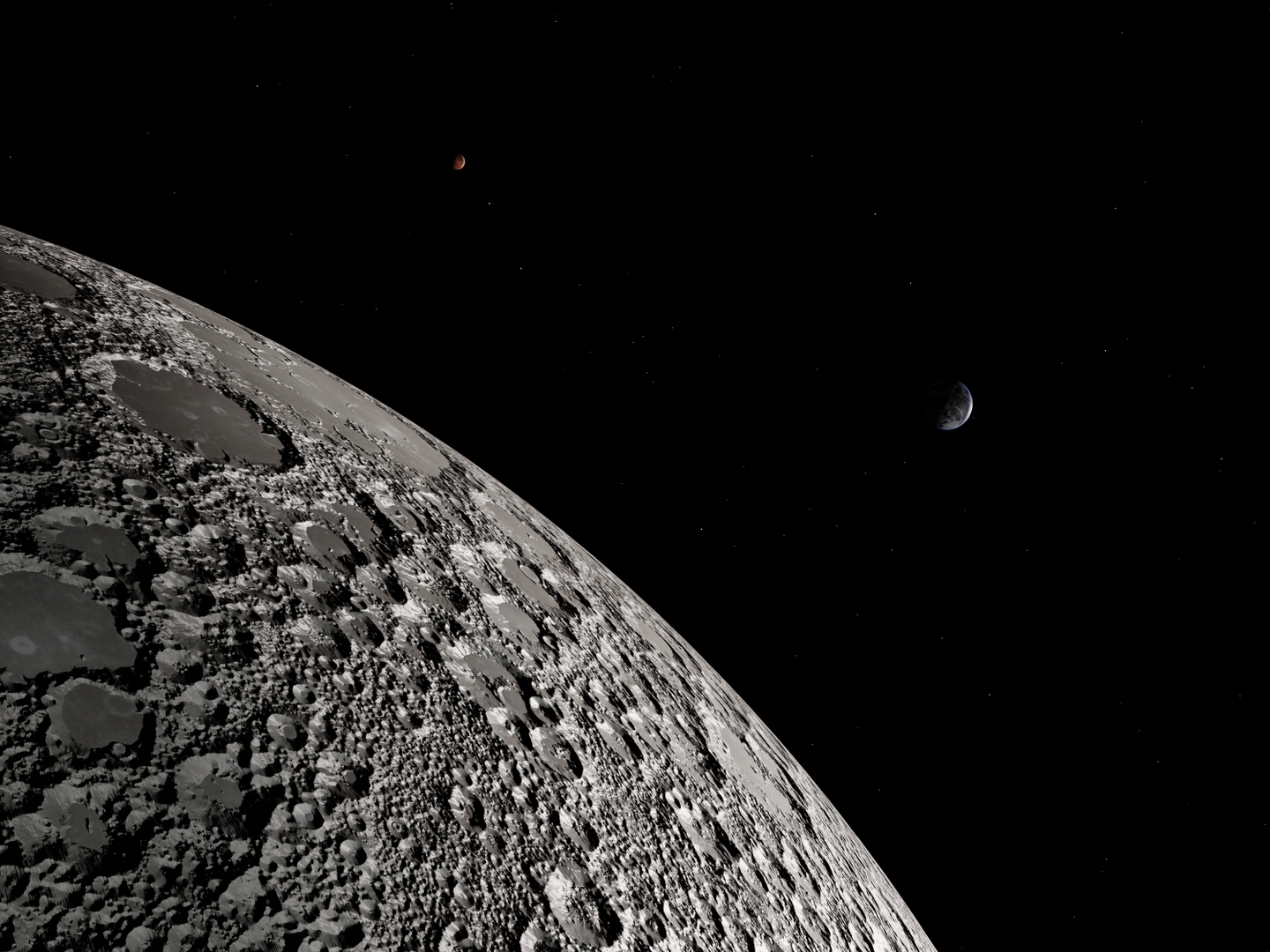
Seeing the American flag flying proudly on the Moon is one of the most significant events in human history.
Getty Images
The flag looks to be moved by wind, but many doubters have quickly countered that this is impossible in space.
But as a telescopic pole has really been placed up to raise the flag, it would seem that the devil is in the details.
advertisement
Professor Ojha explained: "Because it’s been set up like this, it appears to be waving in the wind," adding that it also has a lot of wrinkles because it 'literally been screwed up for four days en route to the Moon'.
Additionally, the Institute of Physics claims that the fluttering effect was generated by the Moon's weak gravity.
advertisement
The 'Van Allen' belt surrounding Earth would have exposed the astronauts to radiation, according to another widely accepted explanation.
Some people held the opinion that humans couldn't pass through these solar wind-derived particles without being exposed to significant radiation.
advertisement
And at the time, NASA had a real concern about this.
In order to insulate the spaceship, they constructed it with an aluminum exterior. The average radiation dose from nine missions was 0.46, which is ten times greater than radiation from exposure to X-rays.
advertisement
However, Professor Ojha stressed that you must move quickly if you intend to pass through a Van Allen belt.
"Travelling through the Van Allen radiation belt if you are going fast enough – which you need to be if you’re going to the Moon – is no problem whatsoever," he said.
advertisement
On the Moon, the expedition also left physical evidence.
There have been 8,400 images and videos taken of the landing sites since the 1969 Apollo 11 landing, which depict astronaut footprints and trails from lunar vehicles.
advertisement
We also have Moon rocks that were collected during the landings and confirmed by lunar laboratories all across the world.
One of the issues is that there is so much information available online that it might get harder and harder to tell what sources to believe.
advertisement
According to Professor Ojha, as time passes, "this information ocean" is becoming "more turbulent."
"The only tools we have to navigate through this maelstrom are the critical thinking skills that we are trying to develop in people as scientists," he said.