

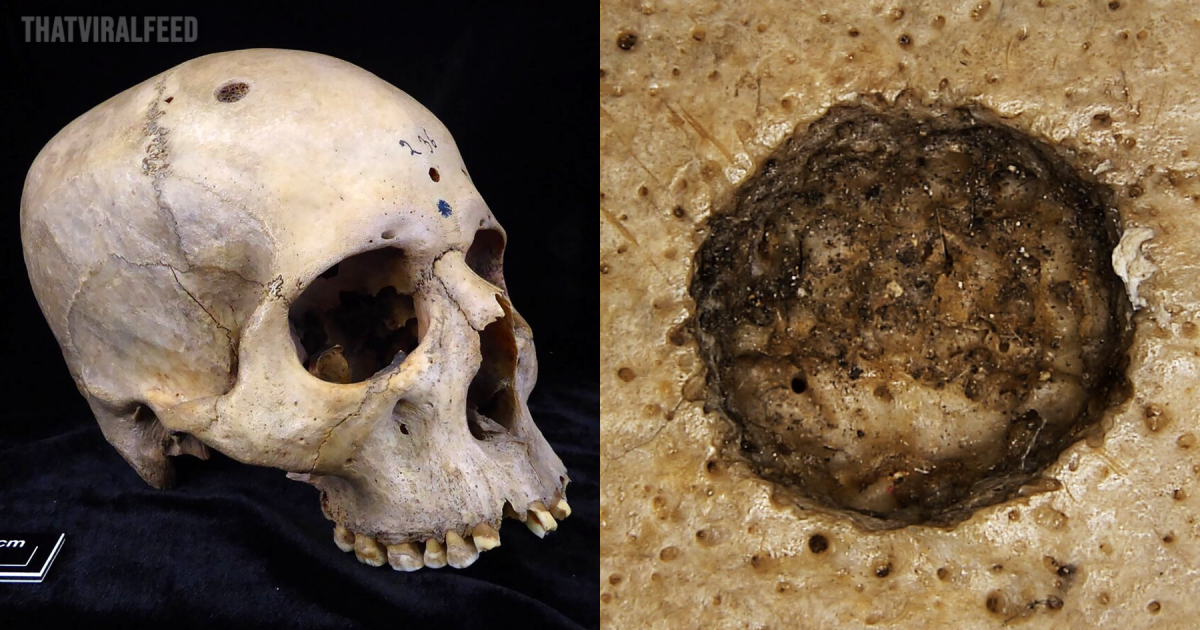
The Ancient Egyptian skull dated back to between 2687 and 2345 BCE
advertisement
Cancer treatment has come a long way, but did you know that even 4,000 years ago, people were already trying to figure out how to handle it?
These days, someone diagnosed with this dreadful disease might undergo chemotherapy.
However, back in the day, such advanced treatments weren't even thinkable, which pushed early medical practitioners to think outside the box.
There's this incredible Egyptian skull that shows attempts to tackle cancer way back when.
advertisement
It even seems like some folks working on the pyramids might have taken days off due to illness.
It's fascinating because ancient texts tell us the Egyptians were quite adept at handling diseases.
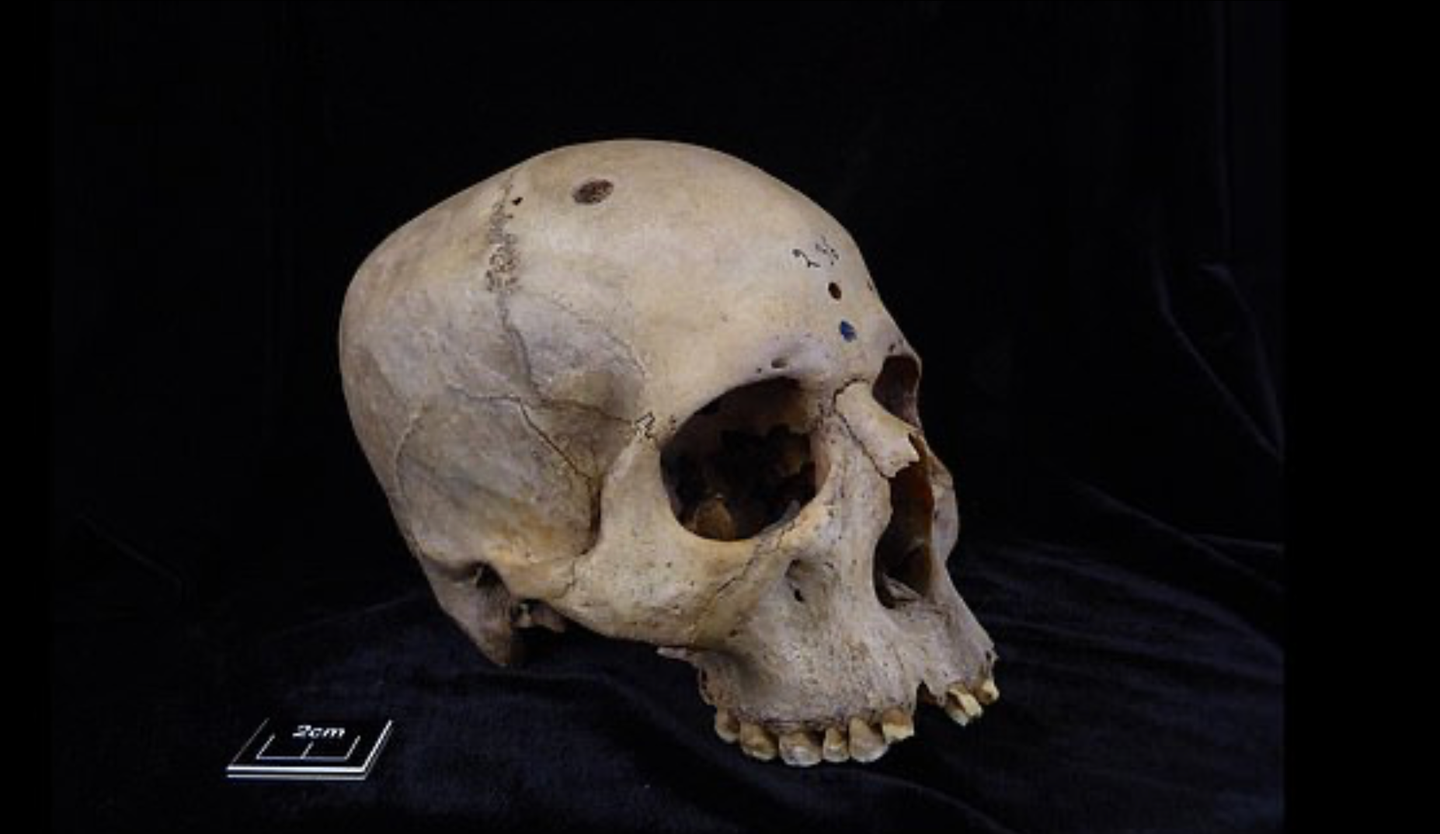
Scientists have examined an 'extraordinary' Egyptian skull.
Tondini, Isidro, Camarós, 2014
Back then, they could identify, describe, and even treat various illnesses, and they were pioneers in implementing dental fillings.
Though they weren’t able to cure cancer, the efforts they made suggest they were definitely trying to address it.
Recently, an international research team took a closer look at two ancient human skulls, and their discoveries offer some fresh insights into how the Egyptians approached cancer.
advertisement
Tatiana Tondini, a researcher at the University of Tübingen and the study’s author, shared:
"This finding is unique evidence of how ancient Egyptian medicine would have tried to deal with or explore cancer more than 4,000 years ago.
Tondini, Isidro, Camarós, 2014
"This is an extraordinary new perspective in our understanding of the history of medicine.
advertisement
"We wanted to learn about the role of cancer in the past, how prevalent this disease was in antiquity, and how ancient societies interacted with this pathology."
These skulls were examined in the Duckworth Collection at the University of Cambridge.
advertisement
One skull, known as Skull 236, which dates from between 2687 and 2345 BCE, really grabbed the attention of experts.
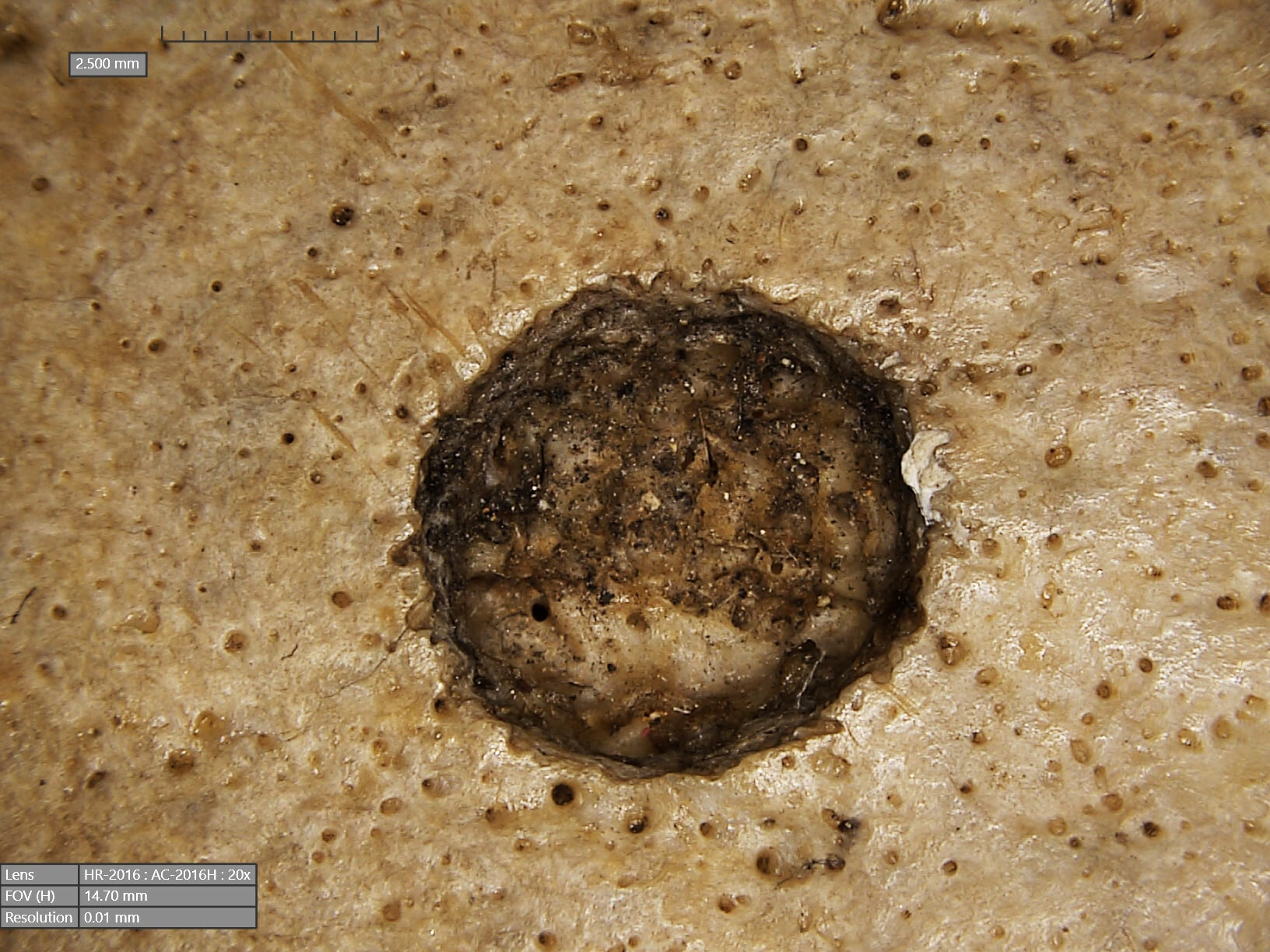
Under a microscope, they observed a large lesion on the skull, which showed signs of significant tissue destruction.
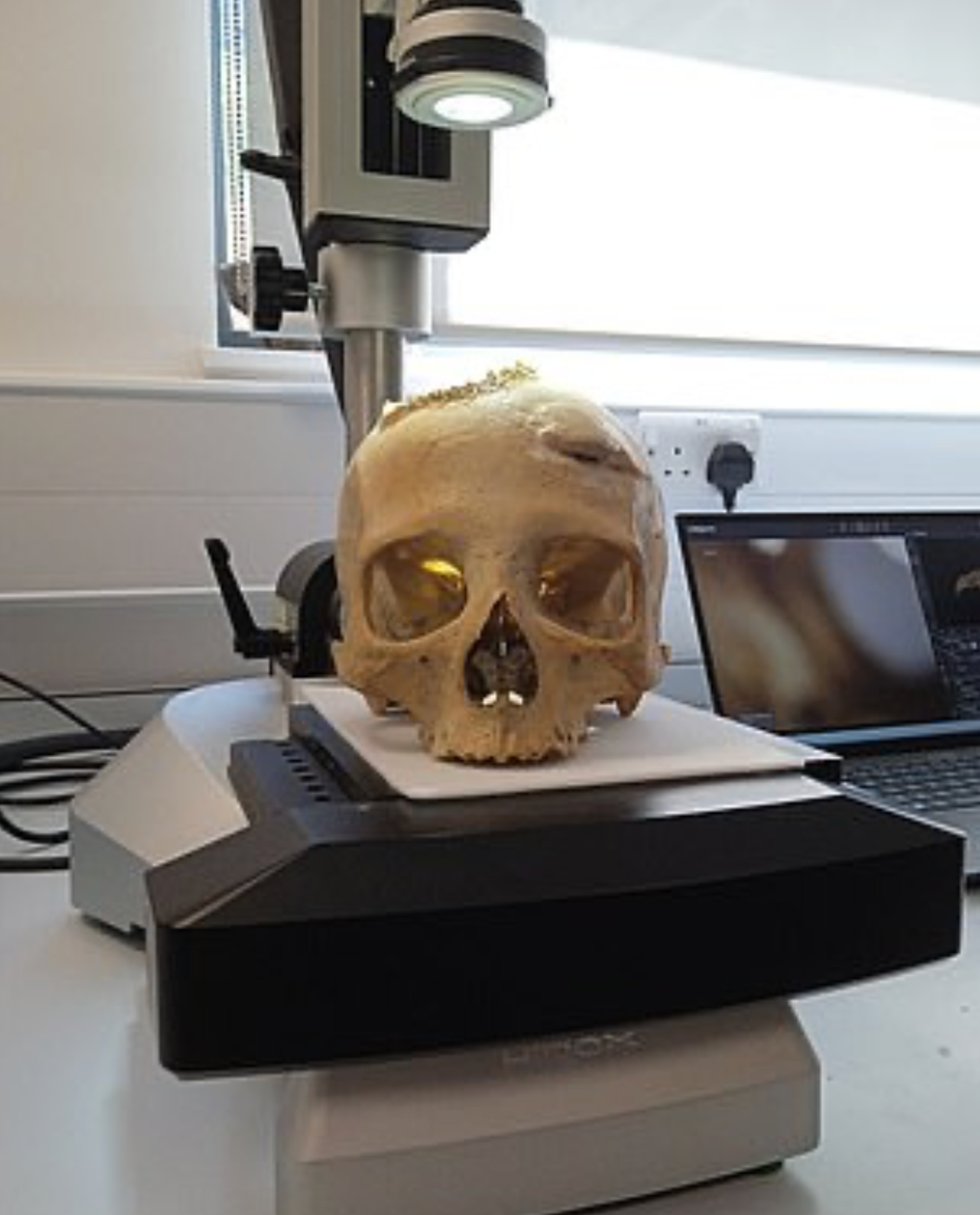
Researchers could not quite believe what they discovered.
Tondini, Isidro, Camarós, 2014
They also found about 30 small, round lesions that had spread across the skull.
advertisement
Interestingly, there were cut marks around these lesions, likely made by a sharp object.
"When we first observed the cut marks under the microscope, we could not believe what was in front of us," Tondini added.
advertisement
Prof Albert Isidro, a surgical oncologist and co-author from the University Hospital Sagrat Cor, commented:
"It seems ancient Egyptians performed some kind of surgical intervention related to the presence of cancerous cells, proving that ancient Egyptian medicine was also conducting experimental treatments or medical explorations in relation to cancer."
advertisement
The findings are quite extraordinary.
However, the study's lead author, Prof Edgard Camarós, notes that 'more studies will be needed to untangle how ancient societies dealt with cancer'.