Extreme Food Fan, 21, Is Addicted To The Controversial Plastic Particles
By
Editorial Staff in
Bizarre
On 11th September 2016
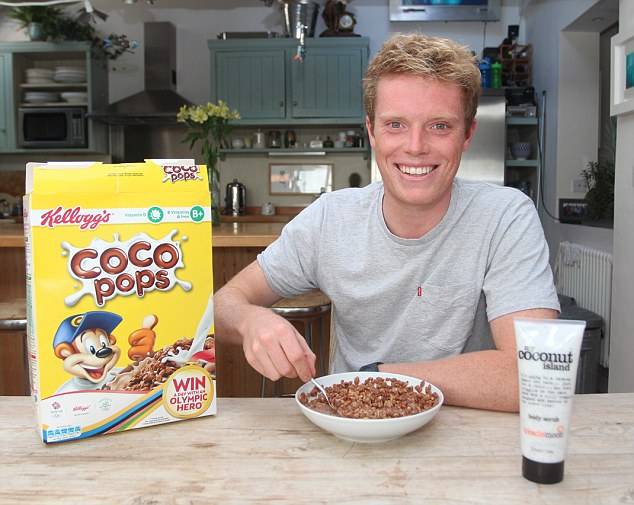
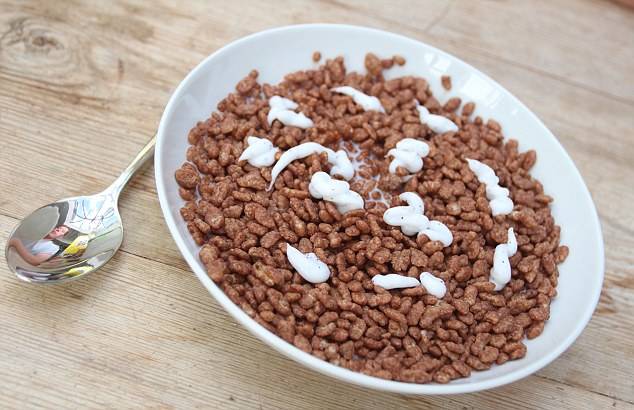
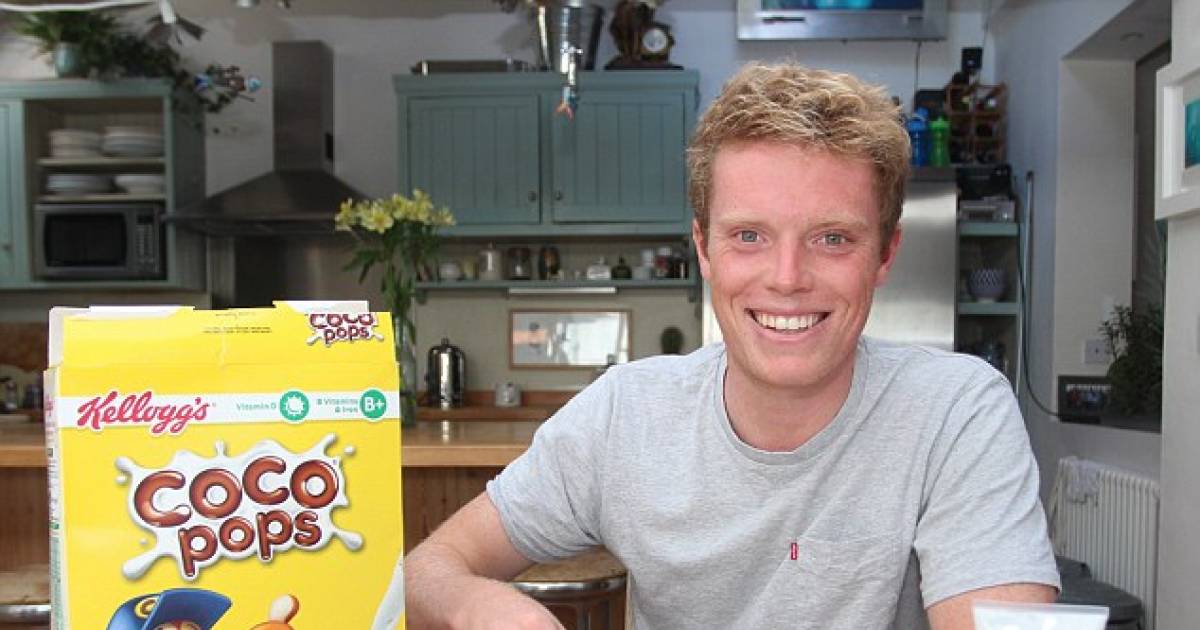
Sam Lewis squirts face wash on his Kellogg's Coco Pops every morning
The Plymouth University claims the beads give them a 'great texture'
There are fears microbeads could be harmful to health and environment
The 21-year-old started the bizarre ritual as a dare but is now 'addicted'
#1
A student addicted to eating microbeads for breakfast has stocked up on the controversial plastic particles before they are banned.
Sam Lewis, a business studies student at Plymouth University, squirts face wash on his cereal which he claims gives them a 'great texture'.
He started the bizarre daily ritual as a dare but now cannot imagine tucking into his breakfast without the helping of face wash.
#2
Sam Lewis, a business studies student at Plymouth University, squirts face wash on his cereal which he claims gives them a 'great texture'
The 21-year-old said: 'My friends said I should put them on my cereal so I did. I couldn't believe how good it tasted.
'They taste best on Coco Pops, they add a really great texture like the crunchiness of sugar that doesn't dissolve.
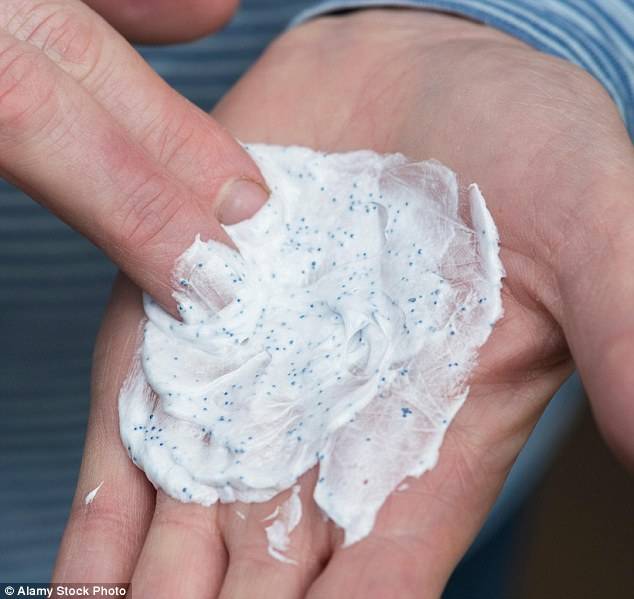
'I sort of wash the facewash off the beads.'
Unsurprisingly, Sam's unusual habit could be harming his health, and he says the beads sometimes cause stomach ache after a meal.
#4
He said: 'I haven't really looked online at the health implications I'm not that bothered. They just taste kind of good!
'My mum doesn't know about it yet because I don't live at home. I think she's probably going to be pretty mad about it.'
He added: 'Obviously, the ban means I won't be able to feed my addiction, which is a real worry. But I've got a plan to stock up on facewash and make sure I've got a big stash.'
#5
Toxins in plastic microbeads could get into the food chain through fish and then permeate human tissues if eaten.
The frightening possibility has been identified by Government experts and environment groups.
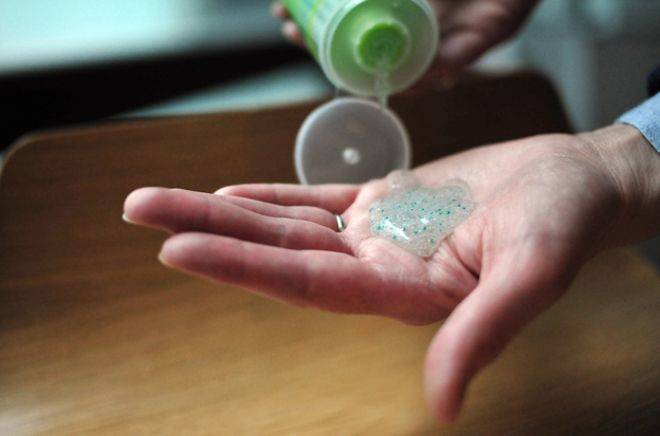
It strengthens calls for a ban on the beads, which are contained in beauty products, face scrubs, gels and toothpaste. They end up being flushed down plug holes before reaching rivers and the sea, where they are eaten by marine life.
The Daily Mail launched its ‘Ban the Beads' campaign amid growing evidence of the damage they cause to the environment.
Now evidence supplied to the all-party Commons Environment Audit Committee (EAC) points to the danger the beads pose to human health.
A submission from experts at the Government's food and farming department, Defra, said the evidence base is limited, but added: ‘They do not biodegrade, they accumulate in the marine environment, they can absorb toxic chemicals and pathogens, and their small size means they have the potential to be ingested by marine organisms.
‘Microplastics have been found in a wide variety of species including zooplankton, mussels, oysters, shrimp, marine worms, fish, seals and whales. Chemicals on microplastics ingested by an organism can dissociate from plastic particles and enter body tissues... This suggests that these chemicals have the potential to travel through the food chain.