

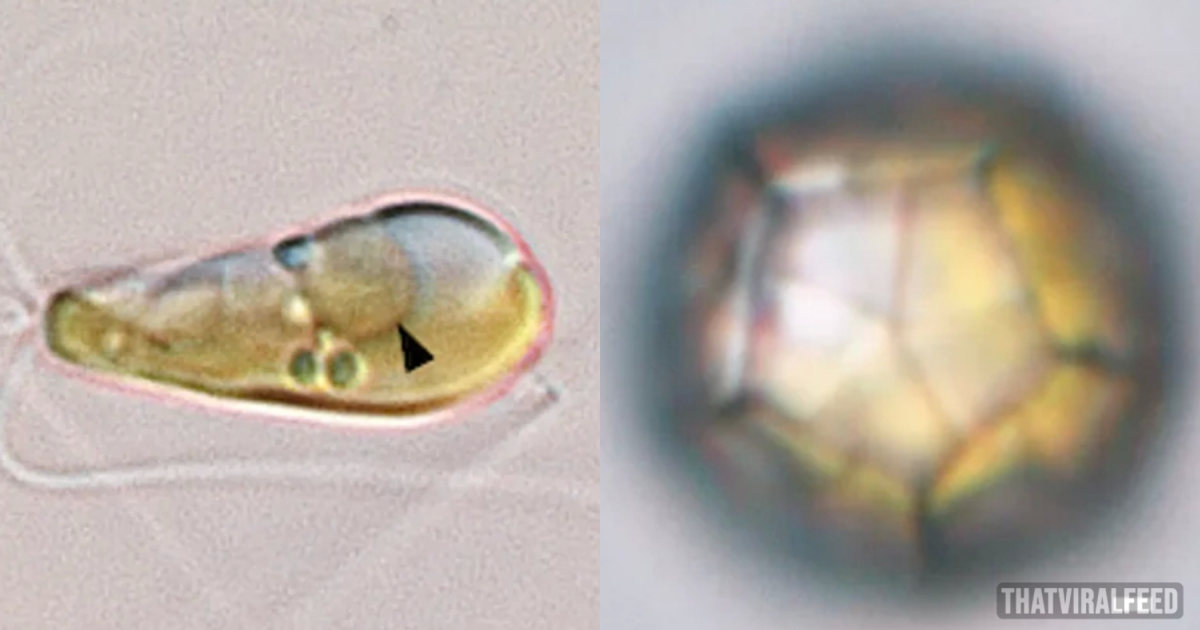
The process is one of the most important biological processes imaginable as it laid the foundation for all complex life.
advertisement
Scientists have recently witnessed an incredibly rare event that might have significantly contributed to the emergence of complex life on Earth.
Evolution typically unfolds slowly over eons, but certain extraordinary events can dramatically accelerate this process, ushering life into new stages of development.
This particular phenomenon has occurred only a handful of times throughout Earth's history and has been observed once again.
During the second documented occurrence of this process, it is believed to have led to the evolution of plants—an event crucial for the existence we now take for granted.
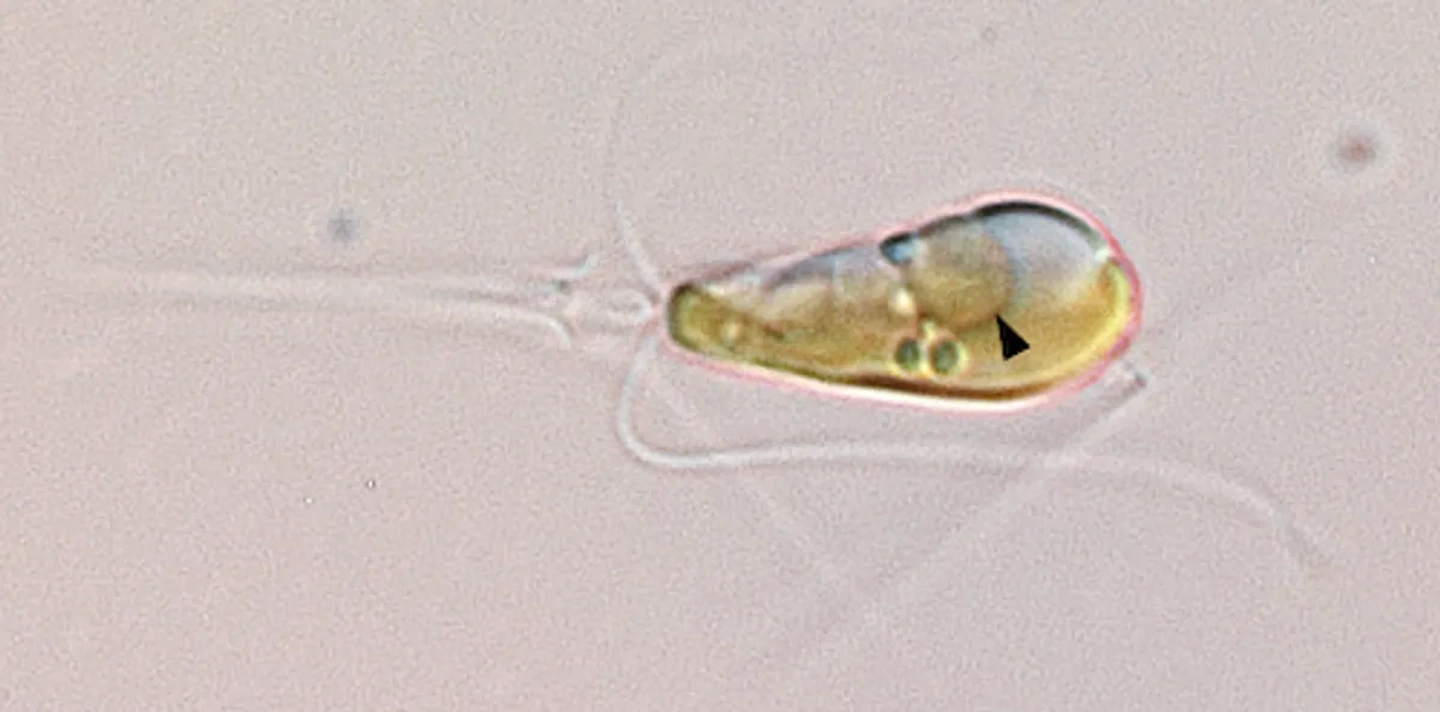
This is the micro-organism in question.
UCSC/Tyler Coale / Hagino et al, PLOS ONE 2013
The first time it happened marked the beginning of complex life as we understand it today.
advertisement
Interestingly, this same scientific process indirectly contributes to modern realities such as paying rent.
But what exactly did the scientists observe? They noticed that a marine bacterium was absorbed by its algal host
Over time, it co-evolved to the point where it became an 'organelle.'
For those who might not remember their high school biology, an organelle is a part of a cell that carries out specific functions, similar to how organs work in the body.
advertisement
In simpler terms, a bacterium integrated into a host organism and started to perform a specialized function within that organism, thus becoming a more complex entity than it was initially.
In this instance, this particular algae became the first of its kind to possess an organelle capable of fixing nitrogen.
advertisement
Nitrogen fixing involves converting nitrogen from the air into other forms usable in various biological processes.
A recent study delves into how nitrogen fixation affects the environment.
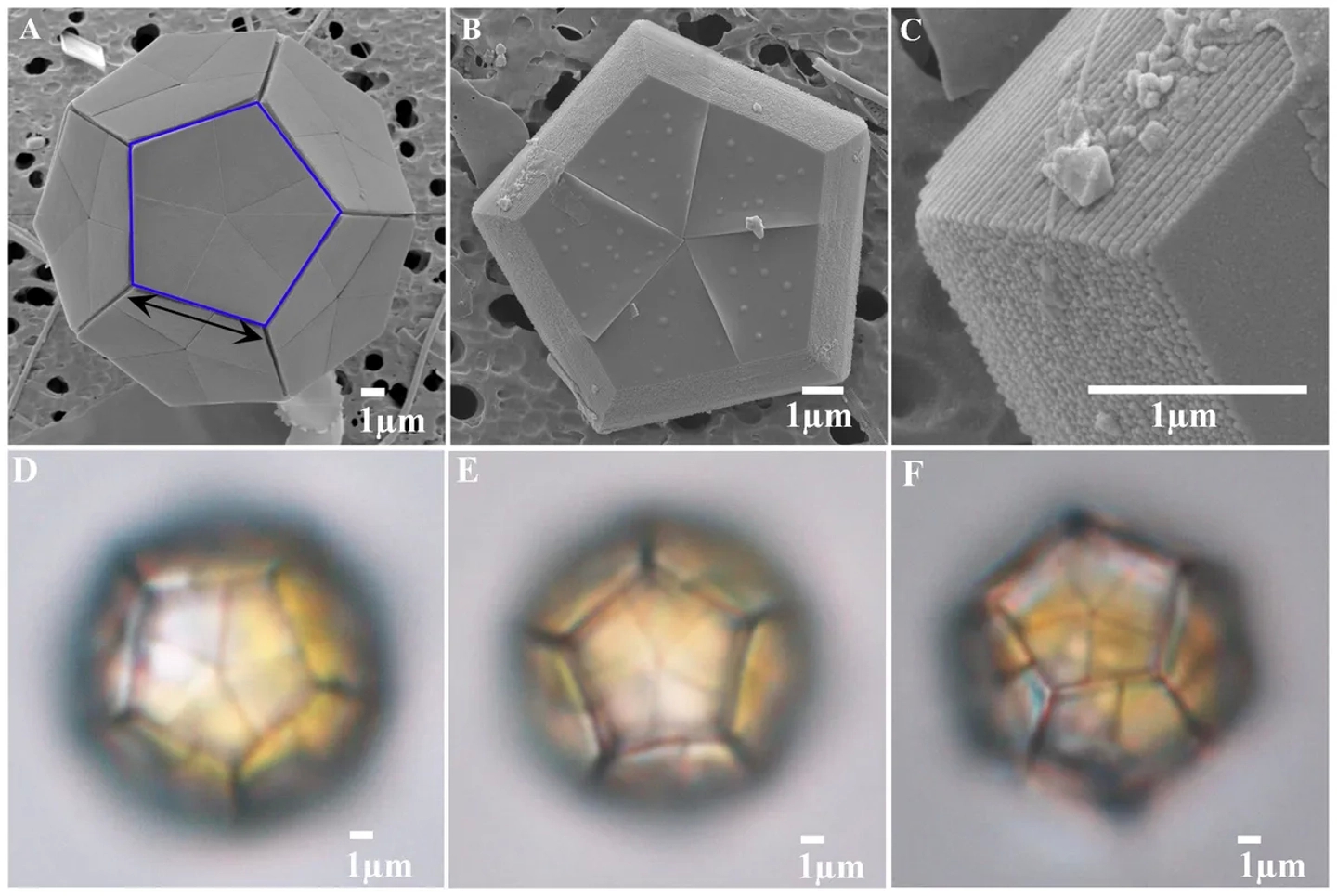
Observations from the study.
Hagino et al, PLOS ONE 2013 (CC BY 3.0)
Tyler Coale, who participated in the research, shared insights on the potential implications of their findings.
advertisement
In a discussion with IFLScience, Coale remarked: "This system offers a new perspective on nitrogen fixation, and it might provide clues into how such an organelle could be engineered into crop plants."
This study, now making headlines in 2024, was sparked some 30 years ago by Professor Jonathan Zehr's observation of a nitrogen-fixing bacterium.
advertisement
The latest findings reveal that the bacterium and the algae maintain a size ratio suggesting their metabolisms are closely linked.
Zehr commented on the significance of this relationship, stating: "That's exactly what happens with organelles.
"If you look at the mitochondria and the chloroplast, it's the same thing: they scale with the cell."