Eyesight Myths It’s Time To Stop Believing
By
Editorial Staff in
Facts
On 16th September 2017
There are unchanging traditions that are carefully followed by all parents of the world and gently passed down from generation to generation. For example, such frequently used phrases as “Don’t put on someone else’s glasses or you’ll go blind!“ or ”Don’t watch TV so much or you’ll go blind!"
We have decided to check the most widespread fears of parents concerning blindness. Are they all really true?
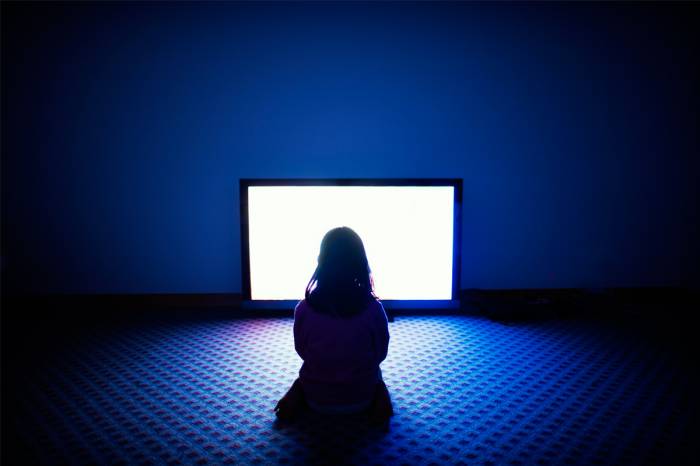
#1 Myth: Sitting too close to the TV or staring at a computer screen will ruin your eyesight
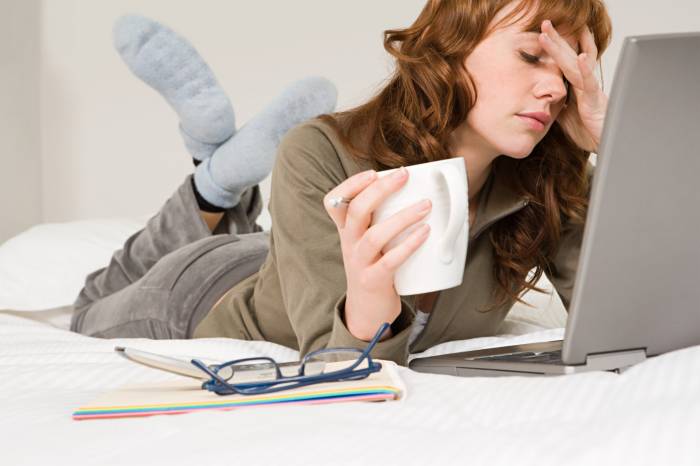
Sitting too close to a TV or staring at a computer screen for too long will hurt your eyes but only temporarily. Those who stare at screens for long periods tend not to blink which makes the eyes dry and means vision suffers.
If you are looking at something up close it’s a good idea to take breaks and look into the distance.
Eyes are not designed to spend all day looking at a computer screen but it’s not going to cause any long-term damage.
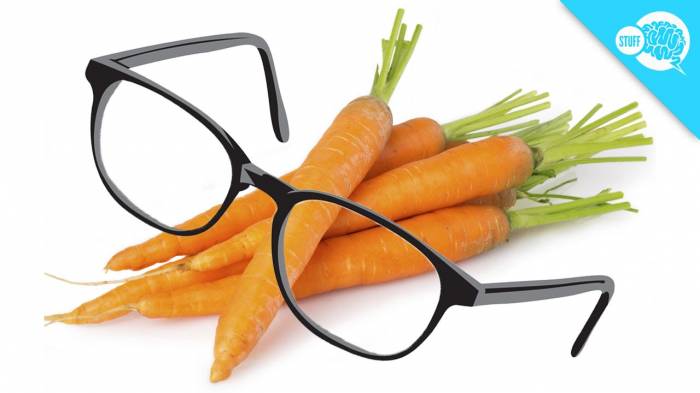
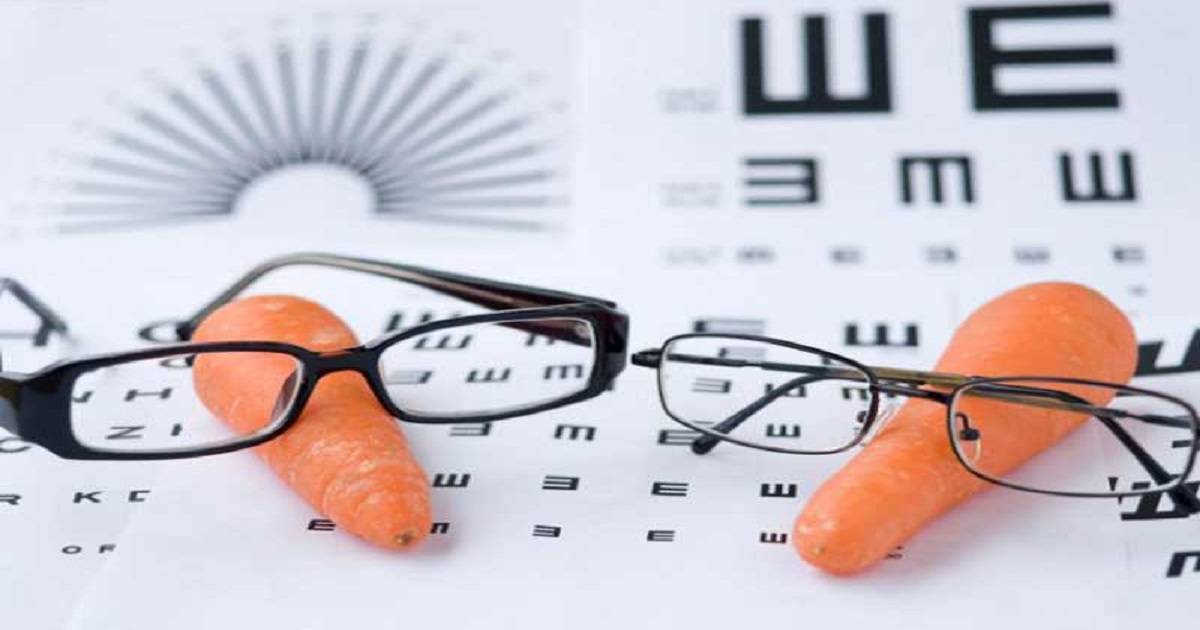
#2 Myth: Eating carrots will improve your eyesight
Diet is important for good vision but that doesn’t mean eating carrots all day will give you eagle eyes. The belief that carrots can help eyesight dates back to the Second World War when the Royal Air Force was trying to hide the fact it had developed a sophisticated radar system to shoot down German bombers.
The RAF claimed the accuracy of its fighter pilots at night was a result of them being fed carrots. Having said that, carrots are high in vitamin A which is necessary for good vision. However a balanced diet will provide enough.
Dark green vegetables such as spinach and broccoli contain lutein which can help prevent retina damage. Also found in egg yolk, this nutrient can protect the macula and may help prevent macular degeneration, a condition in older adults where vision is lost in the centre of the eye.
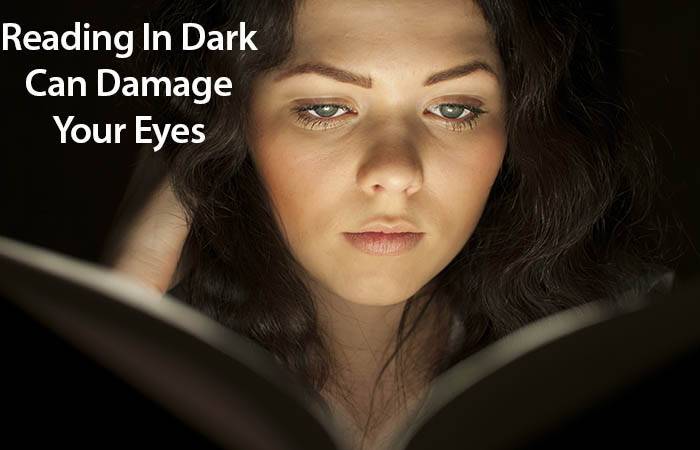
#3 Myth: Reading small print or sewing in dim light damages your vision
Reading in poor light can cause eye fatigue but it won’t damage your eyes. Good lighting will make reading easier and prevent fatigue especially for older people whose lenses no longer change shape as easily as they once did.
In low light the pupil is enlarged so whatever defects there are in the lens are not corrected. When it is bright you have a much greater depth of focus so more outside light can help you see better.
The retina is not damaged by the high amount of light that is let in by an expanded pupil in the dark. Having to focus on a smaller area is likely to strain the eyes but will not cause lasting damage.
#4 Myth: Eye Exercises Can Prevent/Fix Vision Loss
Doing eye exercises or “eye yoga” on a regular basis will delay, prevent or correct vision loss.
Reality – Your spectacle number depends on eye tissue health, eyeball shape and other factors. Eyesight is not significantly affected by eye exercises.
#5 Myth: There's Nothing You Can Do to Prevent Vision Loss
Fiction: At the very first sign of symptoms, such as blurred vision, eye pain, flashes of light, or sudden onset of floaters in your vision, you should see your doctor. If detected early enough, depending on the cause, there are treatments that can correct, stop, or at least slow down the loss of vision.
#6 Myth: Staring at a computer for too long is bad for you
It won't cause permanent damage, but to avoid dry eye, follow the "20-20-20" rule: Every 20 minutes, look at an object at least 20 feet away, for at least 20 seconds.
#7 Myth: Staring at the Sun Can Strengthen Your Eyes
Looking directly into the sun helps to strengthen your eyes and improve your eyesight.
Reality – No, no and no! Looking directly at a solar eclipse causes retinal damage, and so can looking at the sun without protective eyewear.
#8 Myth: Crossing your eyes will make them stay like that.
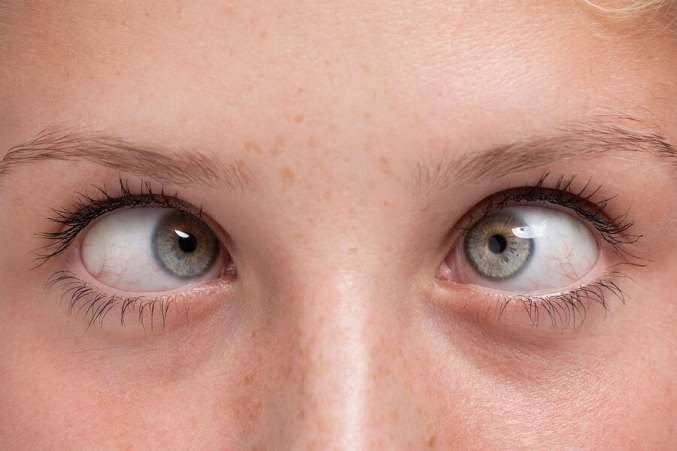
Fact: When you cross your eyes for humor or amusement it may cause a few laughs but it will not cause permanent damage to your eyes and once you are done your eyes will return to normal placement. Our eyes naturally come together when we look at something closely so when you purposefully cross your eyes you are just exaggerating your eyes natural response.
#9 Myth: Children With Crossed Eyes Can Be Treated
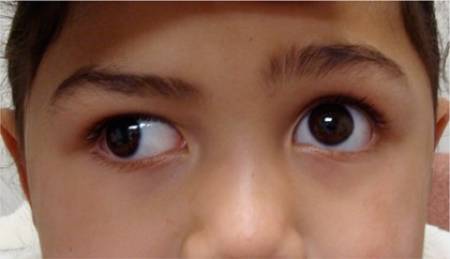
Fact: Children are not able to outgrow strabismus -- the medical term for crossed eyes -- on their own but, with help, it can be more easily corrected at a younger age. That's why it is important for your child to have an eye exam early, first when your child is an infant and then again by age two.
#10 Myth: An Eye Exam is Only Necessary If You're Having Problems.
Fact: Everyone should follow a proper eye health program that includes a regular eye exam, whether or not they're having any noticeable signs of problems.
#11 Myth: Welding can make you blind
It is one of the most widespread childhood myths. In reality, it’s impossible to go blind from welding, but it is easy to get an eye burn. Welders cover their faces for a reason: they protect them not only from sparks but from strong ultraviolet radiation as well.
#12 Myth: Using a Nightlight in Your Child's Room Will Contribute to Nearsightedness
It has been thought that using a nightlight in your child's bedroom may contribute to nearsightedness, however there is not enough evidence to support this claim. Keeping a nightlight on in your baby's room may actually help them learn to focus and develop important eye coordination skills when they are awake.
#13 Myth: Using Artificial Sweeteners Will Make Your Eyes More Sensitive to Light
Fact: If you use artificial sweeteners, like cyclamates, your eyes may be more sensitive to light. There are other factors that will make your eyes more sensitive to light as well. They include antibiotics, oral contraceptives, high blood pressure drugs, diuretics, and diabetic medications.
#14 Myth: Wearing someone’s glasses will hurt your eyes
Your eyesight won’t radically worsen if you simply try on someone else’s glasses. But if you wear them for a long time, it can lead to different kinds of disorders, from weariness to myopia or amblyopia.
#15 Myth: Wearing glasses makes your eyes dependent on them
Eyeglasses correct blurry vision. You may want to wear your glasses more often so that you can see clearly, but your glasses aren't changing your eyes so that they become dependent on your eyeglasses. You're just getting used to seeing things more clearly. Similarly, wearing glasses with the wrong prescription won't ruin your eyes. You just won't see as clearly as you would with the proper prescription.
#16 Myth: Bad Eye sight is inherited.
The idea that bad eyesight is inherited is simply a misconception. Predisposition to illnesses may be inherited, but it doesn’t mean that it becomes a reality. It depends on your lifestyle, profession, bad habits, and eye stress.