Gotta go all the time? The technical name for your problem is frequent urination. In most people the bladder is able to store urine until it is convenient to go to the toilet, typically four to eight times a day. Needing to go more than eight times a day or waking up in the night to go to the bathroom could mean you're drinking too much and/or too close to bedtime. Or it could signal a health problem.

Factors That Cause Frequent Urination
By
Editorial Staff in
Health and Fitness
On 26th November 2017
advertisement
Doctors consider urinating every two hours or more frequent urination. The key to dealing with this problem is figuring out the cause and getting the right treatment. Frequent urination can be a challenge, since in some cases, a person may lose control of their bladder when the urge to go to the washroom strikes. It can be uncomfortable since your bladder can feel very full.
Polyuria is not just an inconvenience. It can affect the quality of your sleep since you’re waking up at the night to go to the washroom. It can also be a symptom of a medical condition. Research suggests that many people with this problem avoid discussing it with a doctor because they find it too embarrassing, while others are too afraid to bring it up because they fear the underlying cause may be serious.
The truth is, when people seek medical attention for frequent urination, they often discover that the cause is not serious and can be easily treated. In fact, for some people, the reason for the urge to urinate is as simple as drinking too many fluids. Pregnant women urinate a lot because the enlarged uterus is pressing on the bladder, so pregnancy could be the issue for some people.
Since some frequent urination causes can be more serious, it is best to get an assessment from a doctor.
There are a number of frequent urination causes that doctors consider when a person complains about the sudden urge to urinate or the need to urinate frequently. Some of which are:
Overactive bladder
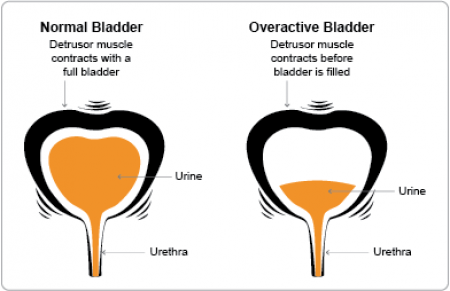
An overactive bladder is another common cause of frequent urination. According to the American Urological Association, an estimated 33 million Americans have an overactive bladder. This affects about 40 percent of all women. Overactive bladder is usually a collection of symptoms that can lead to frequent urination as a result of overactive bladder muscles. Common symptoms include:
*urinary urgency, or the sudden urge to urinate, sometimes resulting in leaks
*nocturia, or the need to urinate at least two or more times a night
urinary frequency, or having to go at least eight times a day
advertisement
Pregnancy
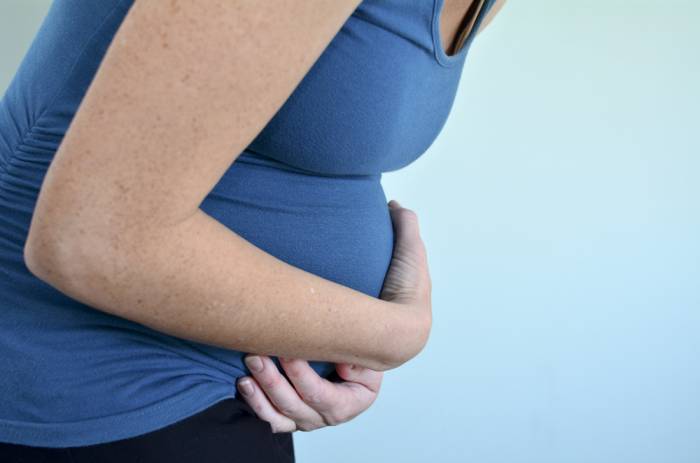
Hormonal changes and the growing uterus placing pressure on the bladder cause frequent urination, even in the early weeks of gestation. The trauma from vaginal childbirth can also cause damage to the urethra.
Urinary tract infections
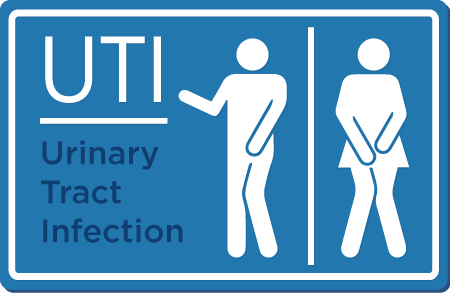
Urinary tract infections may also be referred to as cystitis and urethritis depending on which part of the urinary tract is infected (bladder or urethra respectively). They are more common and more easily treatable in women than in men, simply because women have shorter urethras and it is easier for bacteria to build up there.
advertisement
Interstitial cystitis
Interstitial cystitis (IC)/bladder pain syndrome (BPS) is a chronic bladder health issue. It is a feeling of pain and pressure in the bladder area. Along with this pain are lower urinary tract symptoms which have lasted for more than 6 weeks, without having an infection or other clear causes. A condition that causes pelvic and bladder pain and the feeling of having to urinate constantly.

advertisement
Diabetes
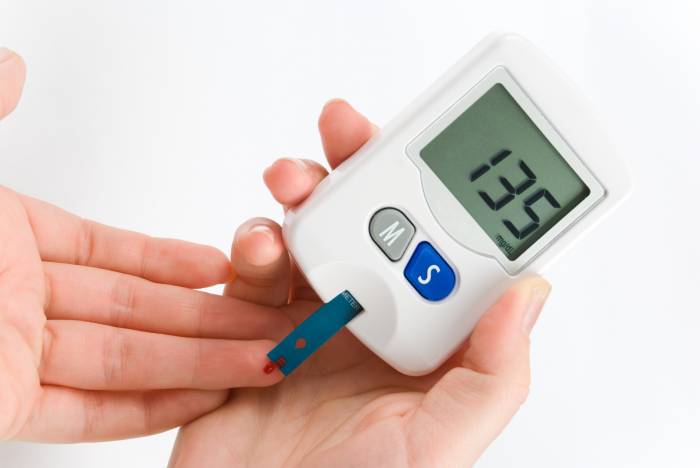
Frequent urination with an abnormally large amount of urine is often an early symptom of both type 1 and type 2 diabetes as the body tries to rid itself of unused glucose through the urine.
advertisement
Stress and anxiety
Stress and anxiety can trigger stress hormones to travel to certain spots in the body – the bladder is one of those areas – and bring about physiological changes. Relaxation and stress reduction often eliminate frequent urination.

advertisement
Artificial sweeteners, alcohol, caffeine and other foods
Alcohol and caffeine can act as diuretics, which can cause more frequent urination. Carbonated drinks, artificial sweeteners and citrus fruits are known to irritate the bladder, causing more frequent urination.