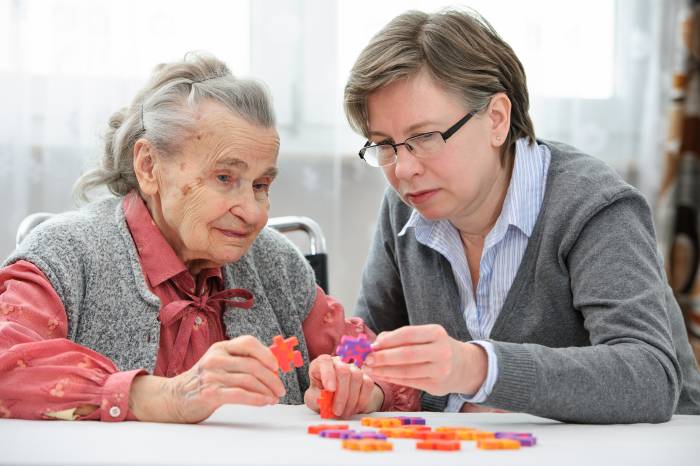
Dementia is a general term for a decline in mental ability severe enough to interfere with daily life. Memory loss is an example. Alzheimer's is the most common type of dementia. There are some facts, which everyone should know about Dementia.

Facts About Dementia You Need To Know
By
Editorial Staff in
Health and Fitness
On 23rd February 2017
advertisement
#1 Dementia is not a natural part of aging
It's true that dementia is more common among over-65s, and some of us do become more forgetful as we get older or during times of stress or illness. Your memory loss will be more noticeable, and may be accompanied by mood changes and confusion.
#2 Dementia is caused by diseases of the brain
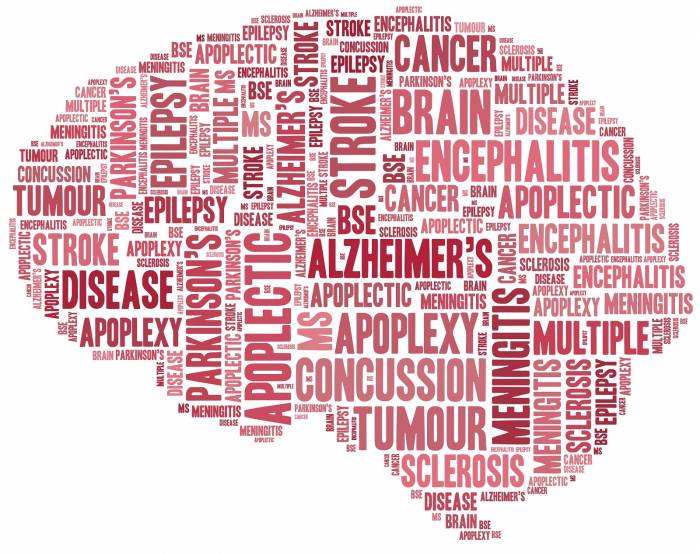
Dementia is the name for a collection of symptoms that include memory loss, mood changes and problems with communication and reasoning. These symptoms are brought about by a number of diseases that cause changes in the brain. The most common of these is Alzheimer's disease, which changes the chemistry and structure of the brain causing the brain cells to die. There are many other types of dementia.
advertisement
#3 It's not just about losing your memory
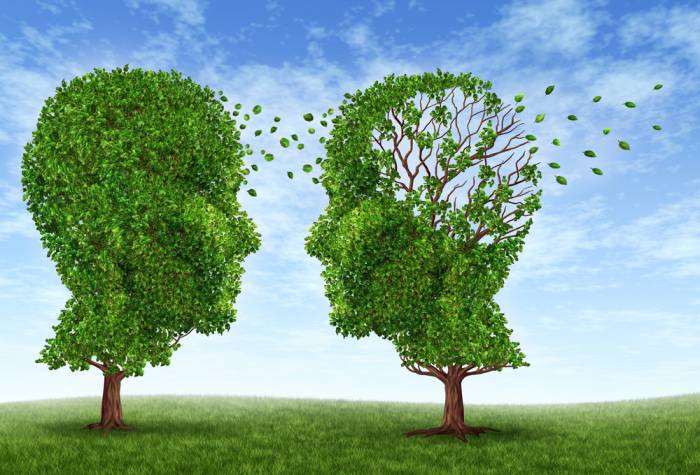
People often think of dementia as a form of memory loss. And usually it does start by affecting people's short-term memory. But it's more than that - it can also affect the way people think, speak, perceive things, feel and behave. Dementia makes it harder to communicate and do everyday things, but there is a lot that can be done to help.
#4 It's possible to live well with dementia
Most of us have an image in our mind of what life with dementia looks like. That image is often very bleak. So it can be very surprising to learn that many people with dementia continue to drive, socialise and hold down satisfying jobs. Of course dementia does make it harder to do certain things, but with the right knowledge and support it is possible for someone with dementia to get the very best out of life.
advertisement
#5 There's more to a person than the dementia
The inspirational people we work with are living proof that life doesn't end when dementia begins. When someone is diagnosed, their plans for the future might change and they may need more help and support to keep doing the things they enjoy - but dementia doesn't change who they are.