Not every product created is a success. That's why we took a visit to the Museum of Failed Products.
advertisement
#1 Believe It Or Not, There Is A Museum of Failed Products
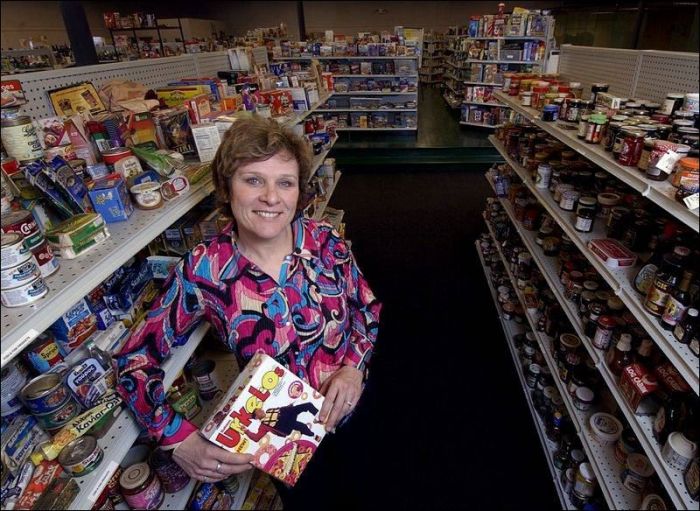
It's actually called NewProductWorks, and is located in Ann Arbor Michigan. The company is a research consultant for product manufacturers. These manufacturers, inventors, and researchers pay big money to browse through the over 120,000 products in over 350 categories. Because over 80% of all products introduced fail, the museum has come to be known for 'what not to do' when creating the next big product. Here are just some of the items found at the Museum..
#2 Ayds
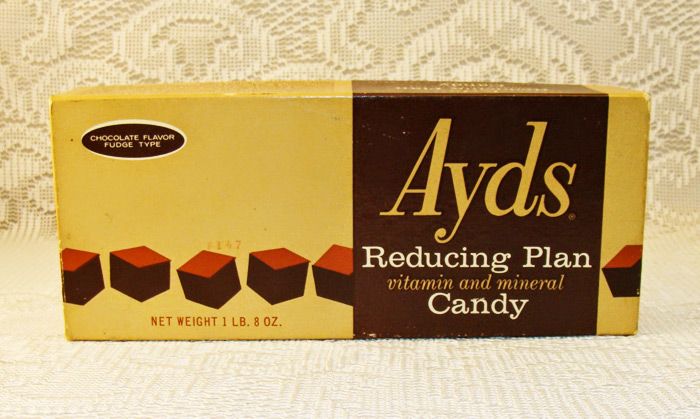
Sometimes a product failure is due to circumstances seemingly beyond the company's control. Originally marketed in the 1930's, the appetite suppressant candy Ayds suffered in the 1980's as consumers gained awareness of a fatal epidemic bearing an uncomfortably similar name.
The company responded by changing the product's name - to Diet Ayds.
advertisement
#3 Vegetable Flavored Jell-O
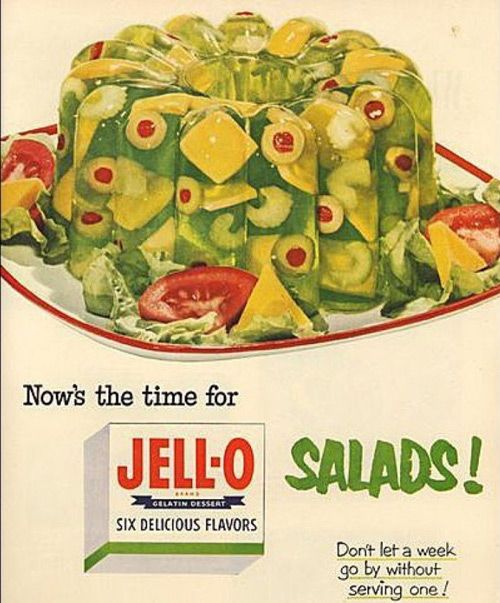
In the mid 1960's, when Jell-O was the hottest dessert going, the company decided to create some outrageous recipes in which to use the Jell-O gelatin. Most all were disgusting, like the tunafish lemon ring mold. So it's little surprise that vegetable-flavored Jell-O would receive a similar reception, as when General Foods introduced gelatins in four new flavors: Celery, Seasoned Tomato, Mixed Vegetable, and Italian Salad.
#4 Apple Maps
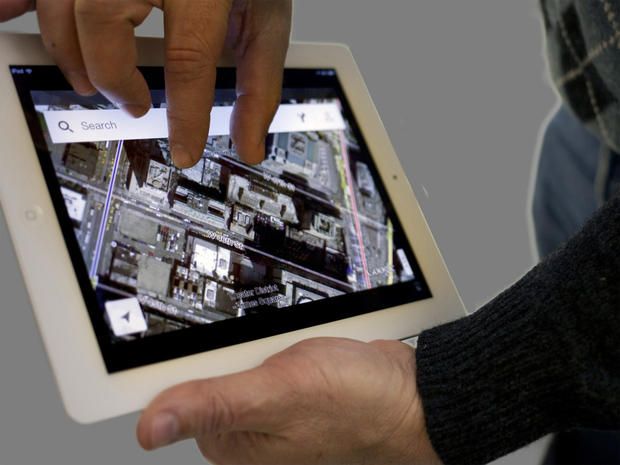
When Apple launched its Apple Maps app in 2012, replacing an earlier iPhone map application by Google, iPhone consumers may have been forgiven for believing they were using a Beta version. Apple Maps pulled in data from numerous suppliers, to produce maps that drew train stations in water and highways that crossed airport runways, and that placed target push-pins nowhere near the intended destinations.
How embarrassed was Apple by its Maps app? Embarrassed enough for Apple CEO Tim Cook to publish an open letter recommending people use rival apps and, gasp, Google and Nokia Maps instead.
advertisement
#5 Pepsi A.M.
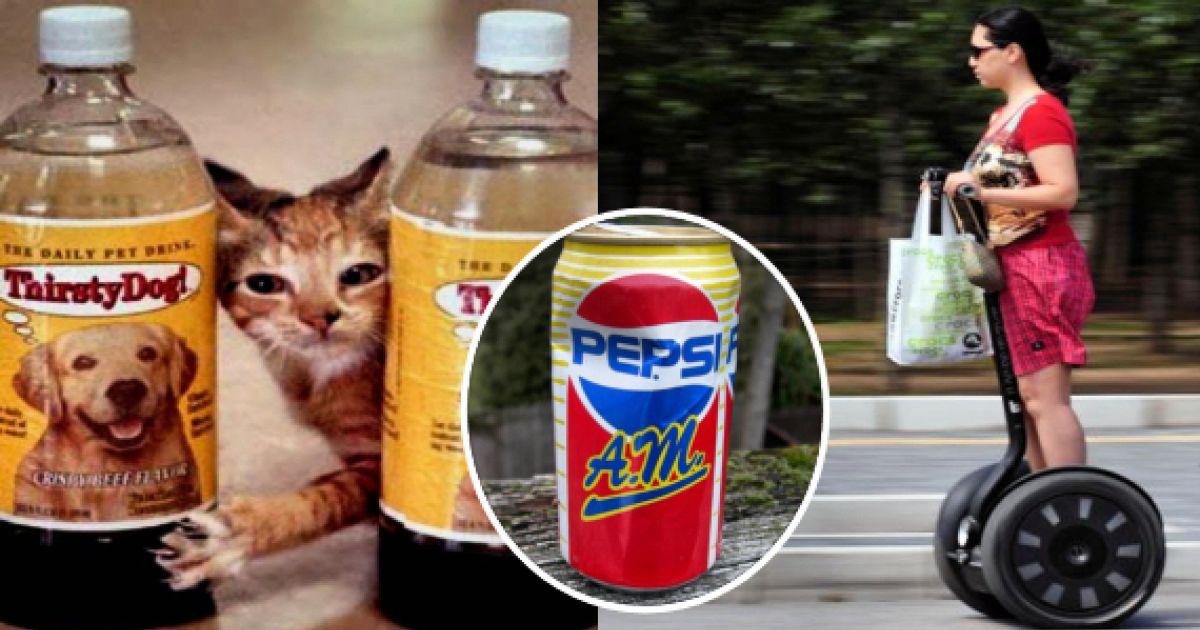
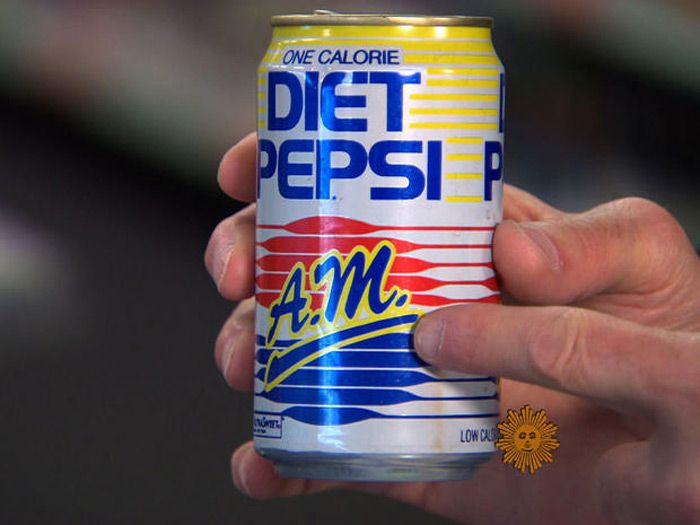
Crystal Pepsi -- a "clear" cola beverage -- was a flop, but an even weirder marketing ploy was the 1989 "Pepsi A.M.", a soft drink to be consumed for breakfast. Pepsi identified a group of young consumers who were drinking cola for their morning perk instead of coffee. The drink contained tons of caffeine.
"Pepsi has done a lot of brilliant things in their advertising and new products," said Elliott Rossum of New Product Works. "But this was not one of them."
advertisement
#6 Toaster Eggs
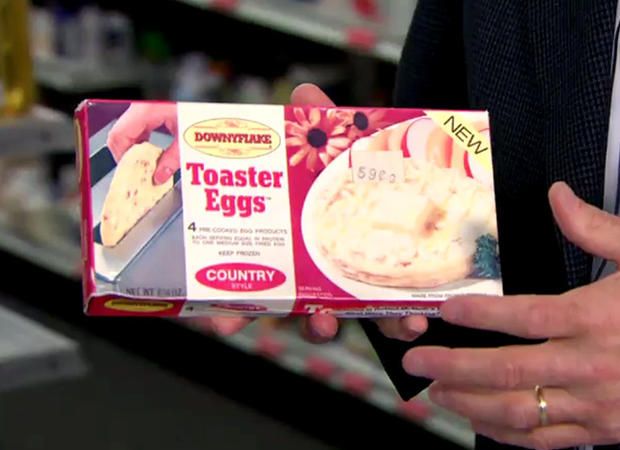
Downyflake's Toaster Eggs were a kind of hockey puck of "egg product" that tried to ride the popularity of Pop Tarts for re-heatable breakfast food.
At least Toaster Eggs didn't drip grease onto heating elements, like Reddi-Whip's short-lived Reddi-Bacon ("Real bacon that cooks in your toaster!"). Sadly, they were way ahead of their time, as similar products on the market today are great sellers and tasty breakfast treats.
advertisement
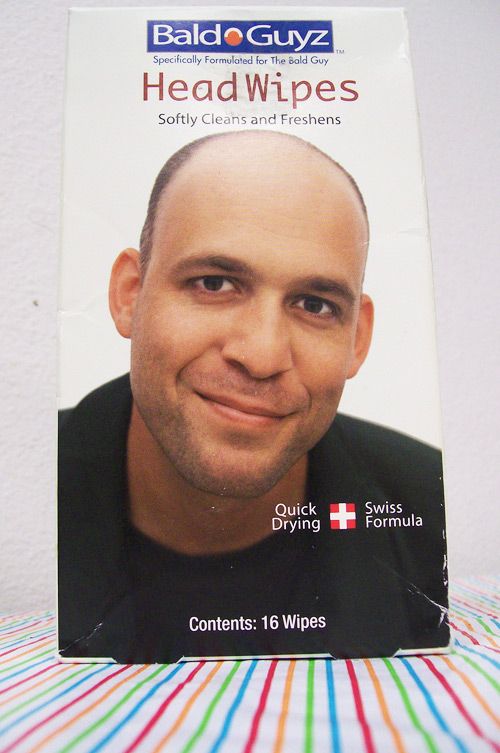
#7 Bald Guyz Head Wipes
Bald Guyz created what is basically a folded moist towelette for men to wipe of the tops of their balding heads. While so many men are going hairless, the product just wasn't needed, and flopped with a huge THUD. However, you can still find the product online or at swap meets as it is currently being manufactured under the name Keep Bald Beautiful.
advertisement
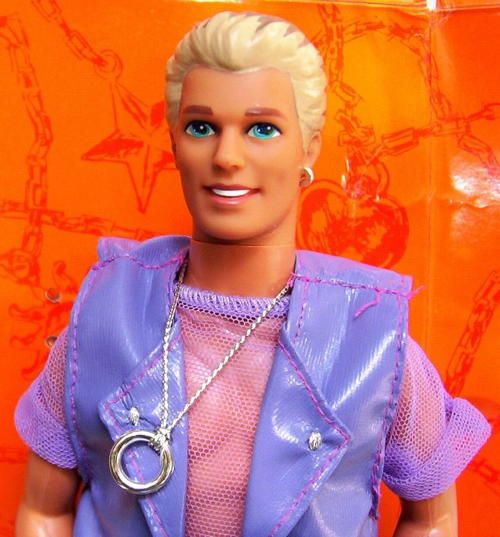
#8 Earring Magic Ken
While Mattel swore he was just a regular "90s guy," the gay community insisted there was no way Earring Magic Ken was not catered towards them. Lesbian and Gay Rights activists claimed that it was a blatant stereotype of the gay man of the time, and with the uproar of homophobic parents, Mattel pulled the doll as quickly as you can say "fabulous!"
(In all honesty, I think the doll reflects the time it was released, and envoake's the styles worn on television shows like Miami Vice)
advertisement
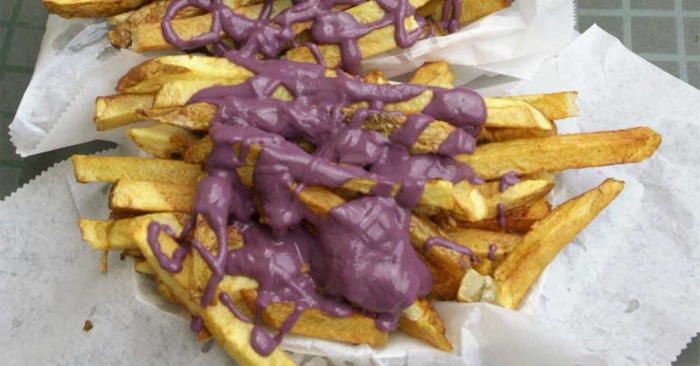
#9 Colored Ketchup
Just say NO!
"Heinz 57 Varieties" - the advertising slogan of the ketchup maker - didn't really need any more varieties, especially when they were the Funky Purple, Blastin' Green or Stellar Blue ketchups marketed to kids beginning in 2000.
What was even worse was the "Mystery Color" ketchup, which meant you had no idea what color condiment would coat your French fries. C'est degoutant!
advertisement
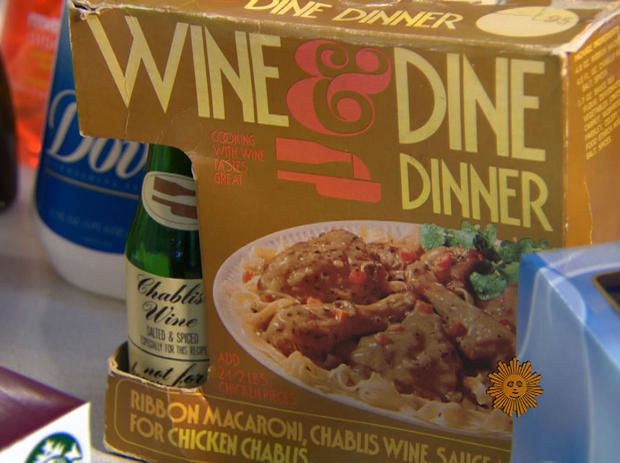
#10 Wine & Dine Complete Dinner
Heublein's Wine & Dine Dinner packaged a small bottle of cooking wine with its easy-to-make Chicken Chablis meal in 2007. Consumers who didn't know better thought the enclosed wine was for drinking, only to discover a rather unpleasant surprise to the palate. The meals were to be prepared at home with your own meat products and the wine as a base for sauce. It stayed on shelves for less than 8 months.
advertisement
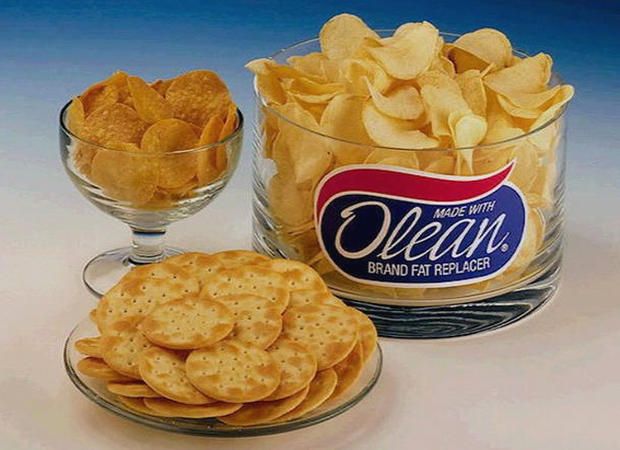
#11 Olestra's Olean
In the mid-1990's the FDA approved Olestra, a zero-calorie fat substitute (sold under the brand name Olean) for use in place of high-fat oils and shortening in processed foods. With great fanfare Olestra was added to the nutrition labels of snack foods, such as Lay's Light potato chips. However, the FDA also required a warning label: "Olestra may cause abdominal cramping and loose stools," which -- according to thousands of complaints received from consumers -- it did.
The FDA warning was later rescinded, but a 2011 study published in Behavioral Neuroscience found that rats with a high-fat diet eating potato chips cooked with Olestra gained more weight that did rats eating regular potato chips.
Proctor & Gamble has since posted an open letter from the "Olean Team". "All we are asking for is a fair chance," the letter states. "[T]ry foods with Olestra and you decide. At the end of the day, all you have to lose - is the fat."
advertisement
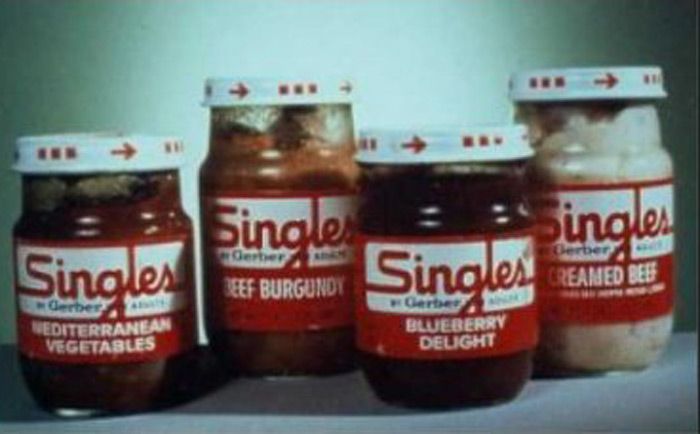
#12 Gerber Singles
Hey, who doesn't love the fruits and pudding baby foods in a jar? For mysterious reasons known only to Gerber, the longstanding baby food company decided to set out in the hopes of conquering the world of helpless college students and depressed single adults with Gerber Singles. However, they missed the mark, because instead of giving the adults those delicious fruits and sweet jars, the opted for individual servings of exciting meals like Beef Burgundy, Creamed Beef, Beef with Mushroom Cream, Chicken Madeira, Mediterranean Vegetables, and Blueberry Delight. They came out in 1974 and dies quickly by years end.
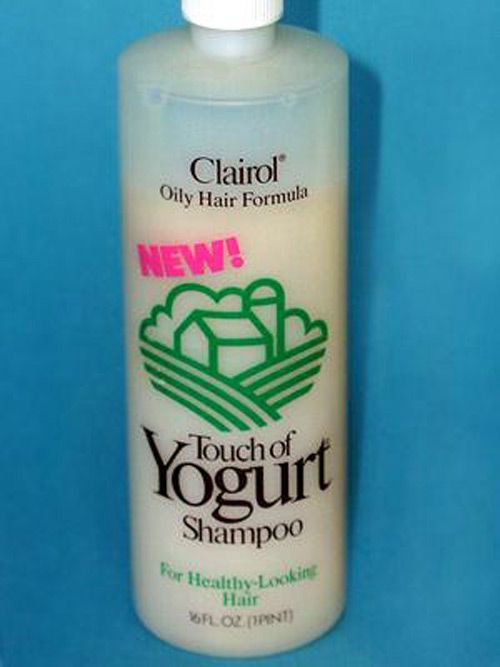
#13 Touch of Yogurt Shampoo
Introduced in 1979, Clairol decided that yogurt would clean oily hair, and began making Touch Of Yogurt Shampoo. They also did a conditioner. Nobody wanted to wash in yogurt, as the big thing of the day was fruity scents like raspberry, lemon, and strawberry. Sadly the products flopped, but it just goes to show that timing is everything. As of 2010, there were over 20 shampoo's and conditioners with yogurts, milks, herbs, oils, and spices as ingredients.
advertisement
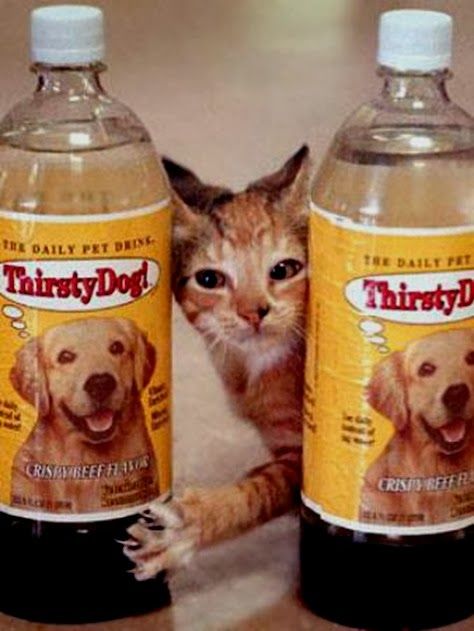
#14 Thirsty Dog Water
Thirsty Dog was bottled water for pets.
If at first an idea doesn't succeed, try, try again: In the early 1990's two competing product lines - Dr. George Hill Pet Drinks, out of Salisbury, N.C.; and Thirsty Dog! and Thirsty Cat! from the Original Pet Drink Company of Ft. Lauderdale, Fla. - marketed vitamin-fortified bottled water for pets, in such flavors as beef, chicken and fish.
Those failures didn't seem to put off the ambitions of the K9 Water Co., which in 2003 introduced "Gutter Water," "Puddle Water," "Hose Water" and "Toilet Water" for dogs. All three pet waters flopped in the marketplace. But you can make your own by mixing a pinch of meat flavored gravy or bullion to distilled water and let it sit for two weeks, then shake well and pour.
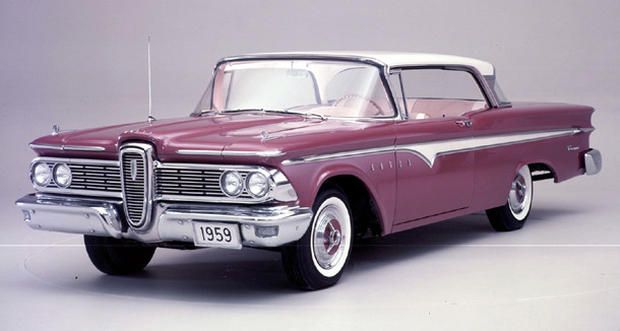
#15 Ford Edsel
In the 1950's the Ford Motor Company planned to upgrade its Lincoln line, and introduced a new car to compete against Oldsmobile and Buick. The Edsel gave everybody a good laugh -- unless you owned one. "People would talk about getting a car with different pieces missing that they'd have to go back and then get them replaced," said Jonah Berger, marketing professor at the Wharton Business School in Philadelphia. After three years and only 84,000 cars sold, the Edsel was killed, costing Ford $350 million.
advertisement
#16 Segway
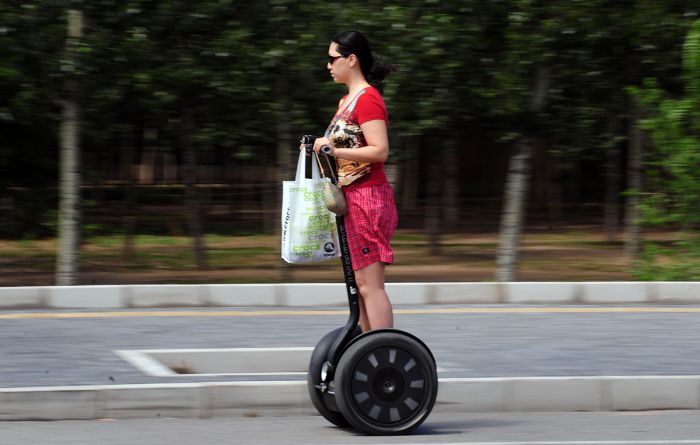
A cool product.. too bad it didn't work.
The Segway - a technologically advanced, two-wheeled, battery-powered vehicle invented by Dean Kamen - promised to change transportation forever, but at about $3,000, it was "much, much more expensive than people expected," said the Wharton Business School's Jonah Berger.
What's more, some cities started banning them from sidewalks. "It very quickly became a joke rather than the future," said Berger.
While institutional sales helped ensure that warehouse supervisors and mall cops would not have to actually walk anywhere, consumer sales were thin for a product that was heralded as the Next Big Thing.
To add injury to insult, in 2010 the owner of the Segway company, James Heselden, died when the Segway he was riding plunged off a cliff.
The Segway is still available for sale and in Norway, Denmark and Sweden the sales are doing very well. Maybe with a little fine tuning and a lower price tag, it will make it's mark once again.