

Some remembered for the amazing and dangerous acts around them and some remembered for the unfortunate consequences that followed.
Famous Pro Wrestlers Who Have Suffered Concussions
By
Editorial Staff in
Sports
On 23rd February 2016
advertisement
In the past few years “concussion” has become a buzzword in the world of professional sports
The world of Sports Entertainment is no exception with the WWE making headlines after initiating, and adhering to, a strict Concussion Policy that includes annual baseline tests and tests administered shortly after a Superstar shows symptoms of a concussion. If he or she fails they cannot return to action until they pass a future test and are cleared.
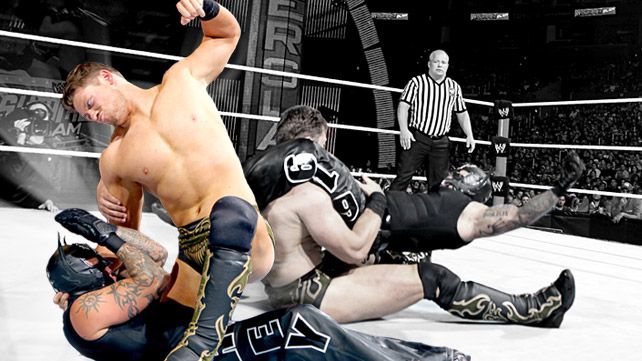
Although symptoms and levels of damage vary
a concussion is classified as a traumatic brain injury caused by a sudden blow to the head or certain movements that send the brain and head quickly moving back and forth. This can alter the way the brain functions and can manifest in a variety of ways: vision issues, confusion, and memory loss being the most common. These effects, and worse, are usually short lived but can sometimes linger for months or longer in extreme cases.
advertisement
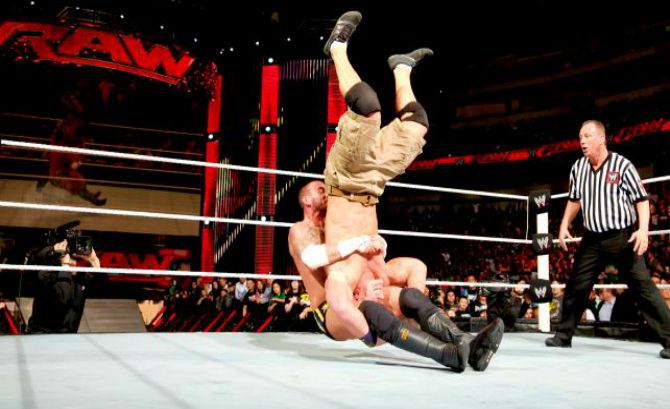
The world is finally starting to pay attention to how concussions, especially multiple concussions, can affect a brain over the long term
In the past, athletes who had their "bell rung" would shrug off their side effects from a concussion and continue to perform, often not remembering the events before, during and after the hit.
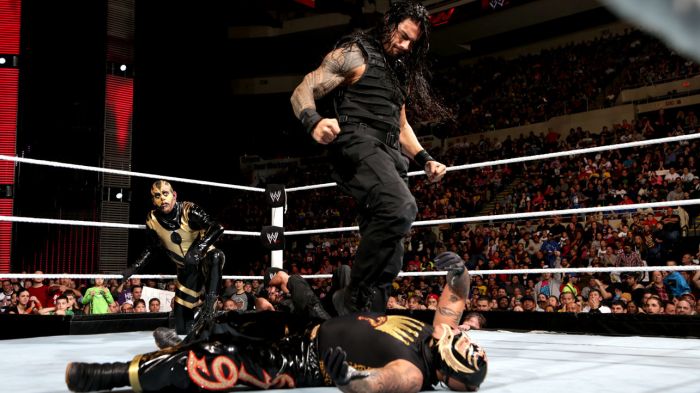
While WWE has made many changes to try and curb dangerous concussions it is impossible to eliminate them all.
Equally impossible is to try counting the amount of true concussions professional wrestlers have incurred over the years, as years of hard bumps, unprotected chair shots, and tables, ladders, and kendo sticks have all played a part in damaging brains, one hit at a time.
advertisement
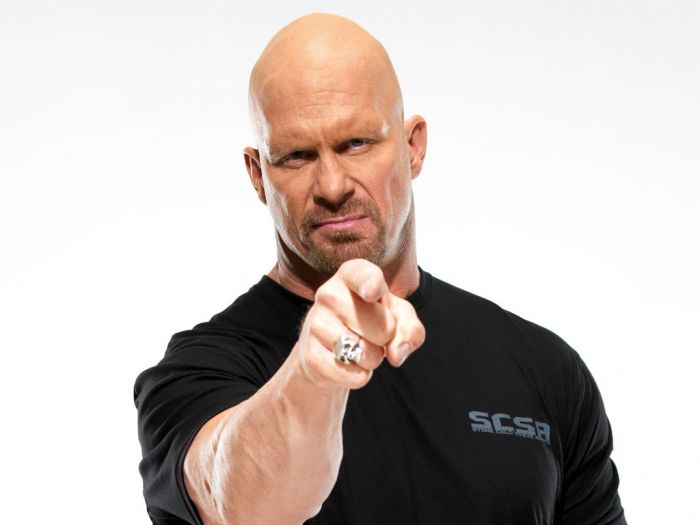
“Stone Cold” Steve Austin
Sometimes a concussion can be overlooked when it's part of a larger injury. This was never more evident than at SummerSlam '97 when Owen Hart gave "Stone Cold" Steve Austin a jumping sit-out inverted piledriver but failed to execute the move properly and spiked Austin right on his head.
The move left Austin dazed and temporarily paralyed. Owen Hart, knowing something was wrong, did his best to buy some time and eventually an obviously injured Austin was able to slowly and awkwardly crawl towards Hart and roll him up in what could be one of the worst pinfalls ever (though understandably so).
In the end, the blow to Austin's brain was the least of his worries as the botched piledriver had given Austin a broken neck which helped contribute to time out of the ring, a change in ring work style, and eventually, a shortened career.
advertisement
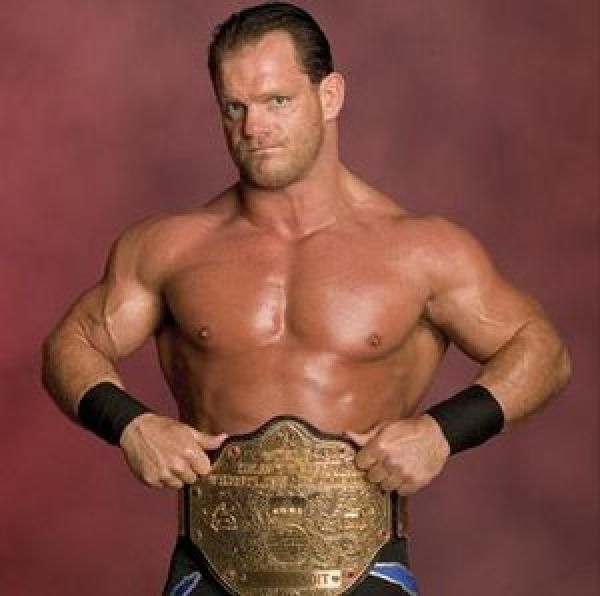
Chris Benoit
Chris Benoit may not have ever had a singular announced concussion that fans and pundits can point to but he obviously had suffered many, and often. After a career of hard hits and intense bumps Benoit's brain was so severely damaged from concussions and trauma that it resembled "an 85-year old Alzheimer's patient", according to Julian Bailes of the Sports Legacy Institute.
The reason we know this, unfortunately, is because after the tragic events of Benoit's murder-suicide weekend in 2007, his father donated his son's brain for research. The results, showing extensive and thorough damage throughout Chris Benoit's brain was truly chilling. It isn't much of a stretch to think he suffered several from just his diving headbutt alone, whether it be from the top-rope, off a cage, or onto a chair. It's incredibly likely that he was actively suffering extreme effects from that brain damage, as many of his friends and co-workers have pieced together looking back.
While we will almost certainly never know what happened the weekend that led to Benoit killing his wife, child, and himself or if his damaged brain actually played a role, the entire catastrophe was certainly enough of a red flag to at least spark some change in the WWE regarding concussion awareness, perhaps offering the tiniest of good in an otherwise unspeakable tragedy.
advertisement
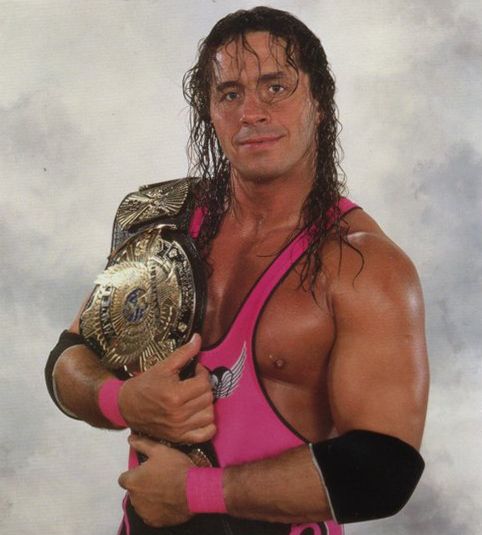
Bret Hart
The most famous concussion in all of wrestling ended the career of the best there is, the best there was, and the best there ever will be. The man who survived the Hart Dungeon, the Montreal Screwjob, and terrible WCW booking finally had to tap out to the perhaps the worst of all opponents: a thrust kick from Bill Goldberg.
Despite admitting that he may have suffered several more concussions in a short time after, the Goldberg Kick seems to be the catalyst that left him with his post-concussion syndrome and ultimately his retirement from in-ring competition.
This of course dashed hopes that Hart would overcome WCW pitfalls and rise to the top of the wrestling world once again including fan's dreams of a triumphant WWE return. Who knows how much the "Excellence of Execution" had left in the tank, especially with a great new crop of talent coming up through WCW or what would have happened when WCW was bought out. Although Hart did eventually have one last match against Vince McMahon at Wrestlemania 26, the limitations due to his concussion history and prior stroke issues were painfully obvious and the match was better left to the imagination of Bret and his legion of fans.
advertisement
Shane McMahon
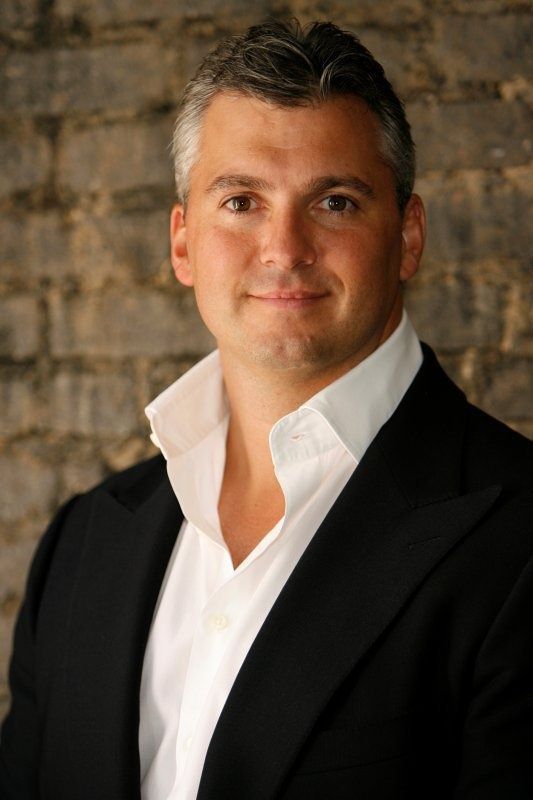
Shane McMahon might not have been a full-time wrestler but when he did decide to step in the squared circle he always delivered. His match against Kurt Angle at the King of the Ring 2001 proved to be no exception, though it wasn't without painful consequences.
The match was no DQ, the better to cover up Shane's lack of actual wrestling skill, and helped provide several memorable moments during the course of the match. Shane was always willing to put his body on the line and Angle of course took advantage of this.
As the two battled up the aisle Kurt attempted to suplex Shane through some big panes of glass that were part of the set. Kurt didn't have enough strength to throw Shane like he normally would and Shane wound up bouncing off the glass and landing on his head several times before all was said and done.
Despite the scary bumps and subsequent concussion, Shane went on to get an Angle Slam off the top rope while earning respect from fans and the locker room in the loss. If ever a concussion could be a considered a good thing, it might be this one as the match is regarded by many as one of the best of the Attitude Era.
advertisement
Dolph Ziggler
Although concussion awareness has become so much better monitored in the sports world, and WWE is no exception, the harsh truth is that being diagnosed with a concussion and having to miss time can really screw up a career.
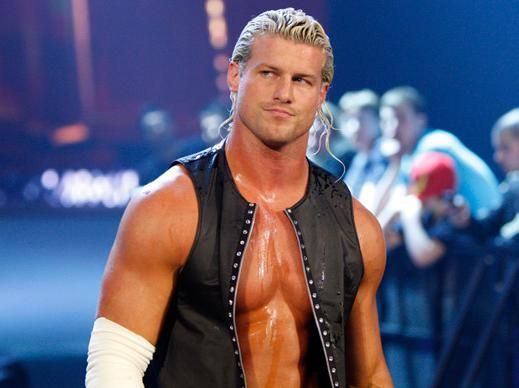
Never is this more evident than with Dolph Ziggler. It's no secret that Ziggler is struggling to stay relevant in the WWE pecking order and despite boasting all apparent skills needed to be a top hand and being extremely popular, Dolph's career isn't what many, including himself, feel it should be.
Part of the issue stems from when Dolph became the World Heavyweight Champion in 2013 by cashing in Money in the Bank against Alberto Del Rio. Right before his first major defense at Extreme Rules, Ziggler suffered his huge set back concussion at the prior Smackdown taping. Although he remained champion during his recovery, as soon as returned to face Del Rio he lost the title, causing Ziggler to turn face.
Instead of cementing Dolph as a main event player he instead found himself falling back down the card, suffering another concussion along the way. Although Ziggler has proved to be stubborn, unwilling to alter his intense style and talking out of turn on several occasions, most point to his first concussion as the moment his stock in the company fell. While it may not be the most famous wrestling concussion, it certainly might be the most infamous among his many supporters.
advertisement
Mick Foley
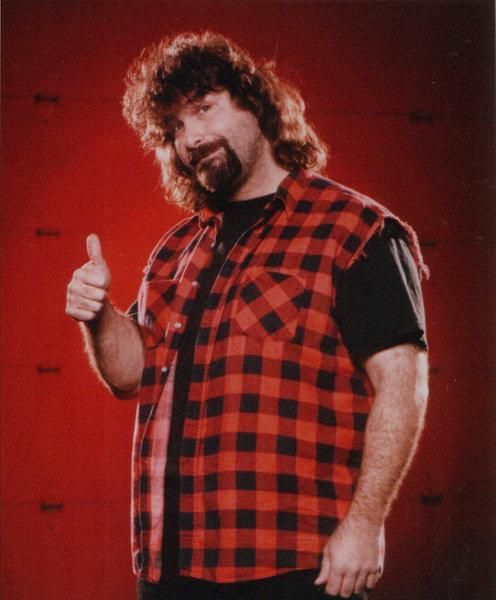
Mama Foley's baby boy has sustained countless concussions from any number of dangerous falls, slams on concrete, and shovel shots during the course of his career. The concussion that Mick is most known for, by far, was one he suffered at the Hell in the Cell match against Undertaker at King of the Ring '98.
Although the entire match was dangerous the worst of it was when Undertaker chokeslammed Foley through the ceiling of the cage. Foley not only fell to the canvas like a sack of potatoes but a steel chair had also dropped and cracked Foley in the head as he landed. This was enough to send a glaze over Foley's eyes and knock him out for a time.
As most fans clearly know, Foley went on to not only finish the match but also get slammed into thousands of thumbtacks before losing to Undertaker. Yet, as he tells it, he had to ask Taker post match if they had used them, despite still having an armful of tacks. Although this match was equal parts scary and captivating it was also extremely dangerous. The brain injuries Foley sustained in this match, combined with all his others, were part of the reasons Foley decided to retire the first time, especially with fans expecting him to keep up the dangerous stunts.
advertisement
Great Khali/Brian Ong
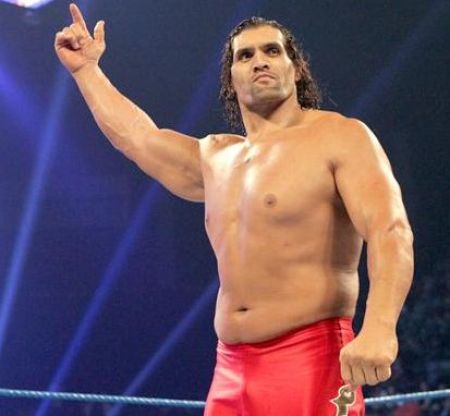
A series of unfortunate incidents in 2001 involving the Great Khali is a sobering reminder that concussions can not just end careers but can be, at worst, deadly. As the story goes, a trainee in All Pro Wrestling named Brian Ong was participating in training despite reportedly already having a concussion.
Ong, apparently trying to make up for sloppy work, was instructed to receive a "flapjack" maneuver from Khali (Giant Singh at the time). The two weren't on the same page as Ong landed on his head after at least two attempts at the move. The extra head trauma combined with the current concussion was a tragic mix and Ong sadly passed away from his brain injuries shortly after.
The exact details of the incident are a bit murky and vary slightly by reports but what is known is that Brian Ong's parents sued APW in a wrongful death suit which they won. And while a concussion related incident to a near anonymous trainee is by no means the most famous concussion in pro wrestling it certainly is the most tragic and an important reminder of the worst case scenario when dealing with brain injuries.
advertisement
Chris Nowinski
Christopher Nowinski's WWE career was merely a blip on the radar. Known for Tough Enough and his Harvard background he was forced to retire from pro wrestling after suffering from a debilitating bout of post concussion syndrome.
Nowinski's career ending concussion wasn't during a main event match nor does it stand out as a memorable moment, it was just a random concussion in a random match. But while it may not be the most famous it might turn out to be the most important because what he did after has been crucial in changing the dialogue about concussions, not just in pro wrestling but in the entire sports world.
After Nowinski retired he dedicated himself to becoming an expert in sports concussions. He helped found the Sports Legacy Institute, which then partnered with the Boston University School of Medicine to form the Center for the Study of Traumatic Encephalopathy, which has made giant strides in the research, treatment, awareness and prevention of concussions.
A large part of Nowinski's work involves getting the family of deceased athletes who have been affected by or suspected of having been affected by concussions to donate their brains for research. At the end of the day Nowinski is one of the go-to experts and advocates of concussions and concussion-awareness and continues to help bring the dangers involved to the forefront of society.
Undertaker
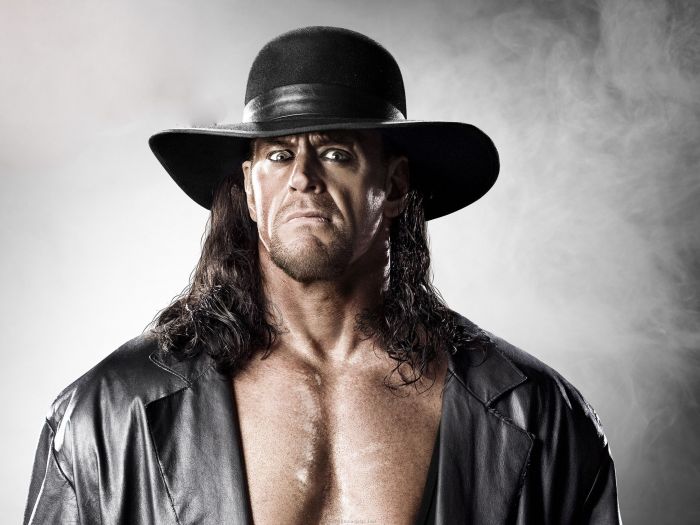
Before Wrestlemania 30 many fans didn't think WWE would actually pull the trigger on Undertaker and Brock Lesnar due to Lesnar's aggressive style and Undertaker's physical limitations. The match was booked and the feud went forth and the Beast would defeat the Streak in a match that few saw going the way it did.
As the match unfolded the worry that most had seemed to play out. After a decent start, Undertaker seemed to run out of gas. Instead of Undertaker rallying for one more Wrestlemania win he seemed lifeless and out of sorts, eventually shocking everyone by losing to Brock.
Immediately after the match there were tons of rumors and explanations given for the strange match and the shocking finish. Soon the truth came to light: while the finish was obviously planned in advance, Undertaker was badly injured quickly into the match. In fact, he did receive a bad concussion and had to be sent to the hospital after the match.
Although the concussion itself didn't alter the finish, because it was Undertaker, Wrestlemania, and the end of the streak, it will always be a part of the narrative when Undertaker's legacy is talked about, especially if he never has another match.
advertisement
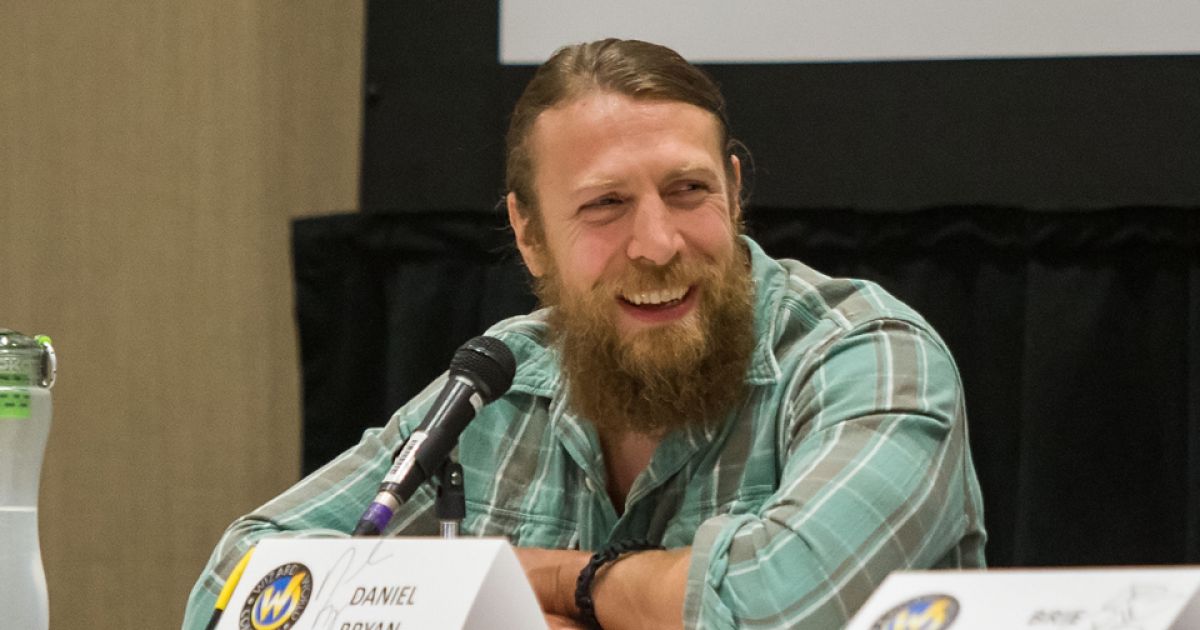
and now Daniel Bryan
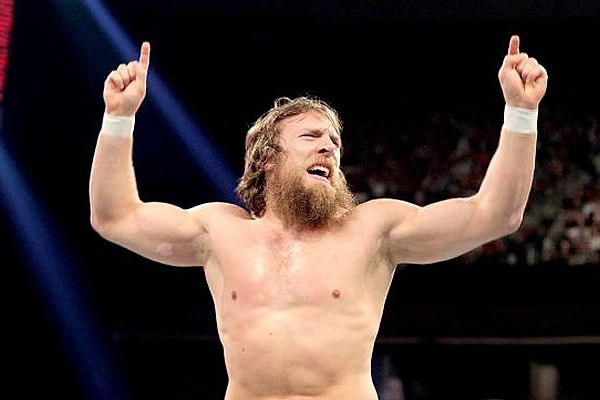
Pro wrestler Daniel Bryan nearly broke Twitter when he announced his immediate retirement from wrestling "due to medical reasons." On WWE's Monday night Raw, Bryan confirmed that concussions are what forced him to quit wrestling.
In his retirement speech, Bryan addressed his concussion issues with the kind of directness that you'd only expect from former pro athletes, and not from those still on company payroll. Bryan told the crowd:
The truth is, I've been wrestling since I was 18-years-old, and within the first five months of my wrestling career, I'd already had three concussions. For years after that, I would get a concussion here and there and then it gets to the point when you've been wrestling for 16 years, that adds up to a lot of concussions. It gets to a point where they tell you that you can't wrestle anymore. ... A week and a half ago, I took a test that said maybe my brain isn't as OK as I thought it was.
Wrestling may be "fake," but the pain is very much real
So are the consequences. It's in moments like this where that becomes obvious, no matter how hard you try to ignore it as a fan (or ignorantly disregard it, as so many non-fans do). Despite Bryan's belief to the contrary, the WWE owes its performers something for every single bump taken. For some time now, Steve Austin has preached that in the current hyper-athletic state of wrestling, where every single performer is trying to top what they did the night before in an attempt to claim Vince McMahon's proverbial "brass ring," one needs to work smarter. There's truth in that, but I'd argue it a point further: The WWE needs to book smarter. An offseason for WWE performers is not a new or unique idea, but given the current slate of stars sitting on the disabled list only a few months out from the biggest wrestling show of the year, it's starting to feel more and more like a necessity.
advertisement