Symbols have power and meaning, but much like the leftover pizza in your fridge, what starts out as beautiful and perfect can easily turn into something horrifying. Some symbols we've known all our life have a much, much different meaning buried deep in the past. As is our won't, we're now digging deep into the garbage bins of history to show you all the nastiest, weirdest, grossest bits we can find.
Famous Symbols That Originally Meant Something Completely Different
By
Sughra Hafeez in
Facts
On 9th August 2017
advertisement
#1 Hook 'em horns
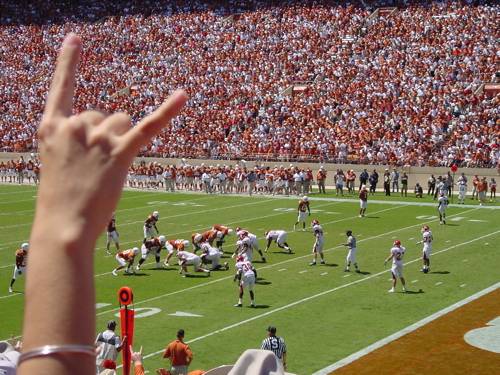
They're known as devil horns, hook 'em horns or the rock-on sign. No matter how you know them, the sign — made by a pinky and a pointer poking out, making horns out of your hands — is always seen as something raucous, if not downright demonic.
Hook 'em Horns is the slogan and hand signal of The University of Texas at Austin. Students and alumni of the university employ a greeting consisting of the phrase "Hook 'em" or "Hook 'em Horns" and also use the phrase as a parting goodbye or as the closing line in a letter or story.The gesture is meant to approximate the shape of the head and horns of the UT mascot, the Texas Longhorn Bevo.
However, the symbol did not begin that way. When the sign actually began, it was a sign to ward off evil. So how'd it become the sign we know and love? Well, Ronnie James Dio — the singer — started doing it as parts of his shows, and people just got the idea it was evil and demonic because Dio just looks like a guy who would summon Satan to help him hit the high notes.
But actually, he learned of the sign from his grandmother, who taught him it was a sign to ward off the evil eye — a look that caused bad luck. So every time you do that symbol, you're practicing a small bit of magic. Congrats, all you witches, and wizards, you.
#2 The Great Seal of the United States
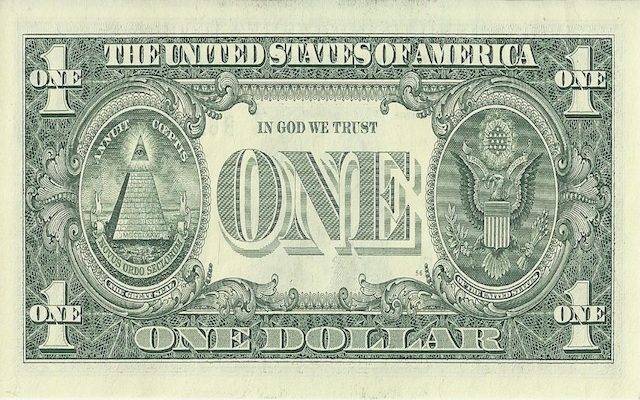
Here is a symbol, or rather a combination of symbols, that have sparked countless conspiracy theories over the years.The seal first appeared in 1782 and is used by the government to authenticate certain documents, especially with regard to foreign affairs. But what many don’t know, especially those who’re not US citizens, is that the seal has two sides. Its front side is also the country’s national coat of arms and has served as inspiration for the President’s own seal, as well as other government agencies. The backside, however, is more commonly known from the one dollar bill. In fact, both sides of the seal appear on the reverse of the bill since 1935, but not that many people know that they’re actually two sides of the same thing.
The reverse side is the one with the many conspiracy theories. This symbol, which stands for God watching over mankind, became widespread in Europe during the Renaissance and made frequent appearances in religious art. Its inspiration probably comes from Ancient Egypt with the Eye of Horus. Freemasons also use it in their iconography with the same meaning as the US seal. The first time they used it, however, was in 1797. There’s also a Latin motto at the top, Annuit Coeptis, which means “favor our undertakings”, referring to God aiding the US. And lastly, there’s a scroll underneath the pyramid reading “New Order of the Ages.” This symbolizes 1776 as being the start of a new era for America.
advertisement
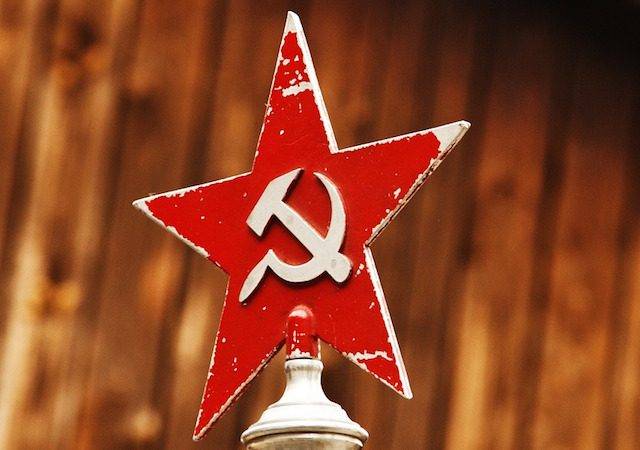
#3 The Hammer and Sickle
The Soviet Hammer and Sickle are arguably the most recognizable political symbols, next to only the Nazi Swastika and American Stars and Stripes. And even though their meaning is seemingly straightforward, there may be some hidden messages attached that not even Lenin himself knew about. The obvious symbolism behind them is that they stand for the proletariat (blue collar workers) in the form of the hammer, and the peasantry in the form of the sickle. Together they represented unity and a symbol of the Soviet state. But coming up with the emblem wasn’t as easy as it might seem. The hammer was indeed easier since it was traditionally associated with workers all over Europe. But the sickle was harder, and there were a number of other variations before this one. A hammer with an anvil, a plow, and a sword, or a scythe and a wrench were among them.
The intriguing part here is the designer himself, Yevgeny Kamzolkin. He reportedly wasn’t even a communist at heart and was a deeply religious man. He was a member of the Leonardo da Vinci Society and as an artist, he was well versed in symbolism. It isn’t then so farfetched to think that Kamzolkin may have used the hammer and sickle to send a completely different message, even if nobody else would get it. For instance, in Hindu and Chinese culture, the hammer is oftentimes linked with the triumph of evil over good. The sickle, on the other hand, was commonly associated with death in various religions. Before the scythe was introduced, Death was pictured with a sickle in medieval Europe. Old Slavic religions, as well as Hindu religions, portray their respective gods of death while holding a sickle in their left hand. Could Kamzolkin have meant these when he designed the Soviet Hammer and Sickle? Probably not, but it’s still an intriguing notion.
All of this, of course, is mere speculation and we have no way of knowing whether it is right or wrong. Nobody asked Kamzolkin and the answer died with him back in 1957. But this can be seen as a great exercise when looking at other symbols, particularly older ones that we know very little about. Interpretation is the key here, and depending on the context and one’s point of view, a simple thing like this Soviet emblem can mean two completely different things.
#4 Pentagram
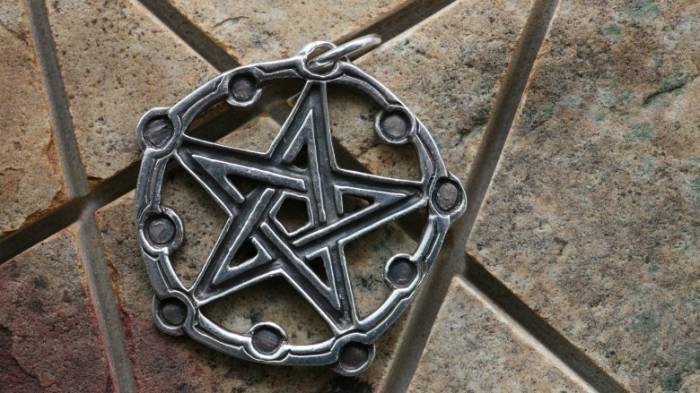
If you're anything like us, then the first time you saw a pentagram was in some horror movie, where it was probably scrawled in blood above a murder victim. Or carved into the murder victim. Look, all we know is it definitely was drawn with blood, because it's a symbol of evil, right?
Well, no, not exactly. While it's definitely not a Christian symbol now, it's still a positive symbol, used by witches all over to represent spirituality — the point at the top — triumphing over the world. Except, here's the thing — before that, it was still seen as a positive thing, but this time by Christians. There are even references to the pentagram being a devil deterrent in the famous "let's make a deal, with the devil!" play Faust. Imagine if a shield somehow became representative of a sword — that's basically the change that the pentagram has undergone over the years.
That all said, there is some validity to the upside-down pentagram being evil, because there it represents the physical world over the spiritual world. However, that's about the same level of evil as "I'd rather eat a cheeseburger than going to church," so your mileage may vary with that.
advertisement
#5 Pink triangle
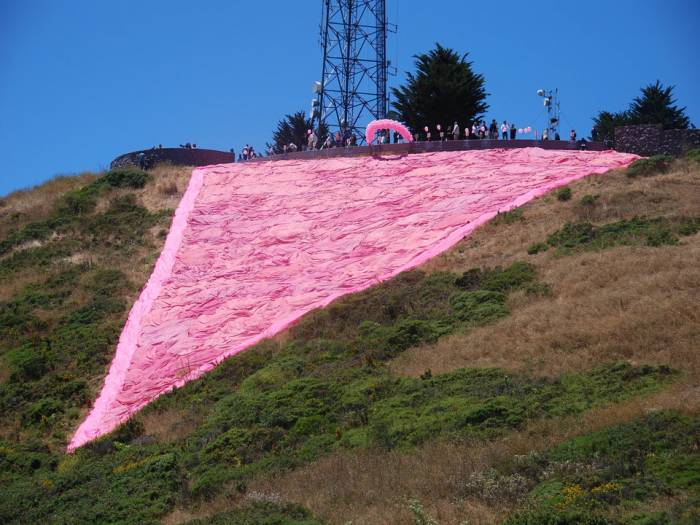
If you only know about the Pink Triangle from the Weezer song named that, then you need to learn some more queer history. See, the pink triangle is used across America as a symbol of gay pride — it's a mark that says, "Hey, look, I'm gay, ain't that great." It's branded on buildings, as part of organizations, and worn on people's clothes in a way to mark them as queer.
That whole "in clothes" thing is actually how it started, just in a very, very negative way. See, back in the Holocaust (yep, we're going there), people were arrested for a bunch of different things. The soon-to-be victims were marked with different triangles, according to their "crimes." You know the overlapping yellow triangles for Jewish prisoners, but there were a bunch of others, including one for communists, one for normal criminals, and one for homosexuals. Guess what color their triangle was? Pink, indeed.
Yep, a symbol of horror from the Holocaust later got reclaimed as a symbol of hope and pride, because honestly, what other choice did the queer community have? It's not like there were a bunch of great options for them in the first place.
advertisement
#6 Cross
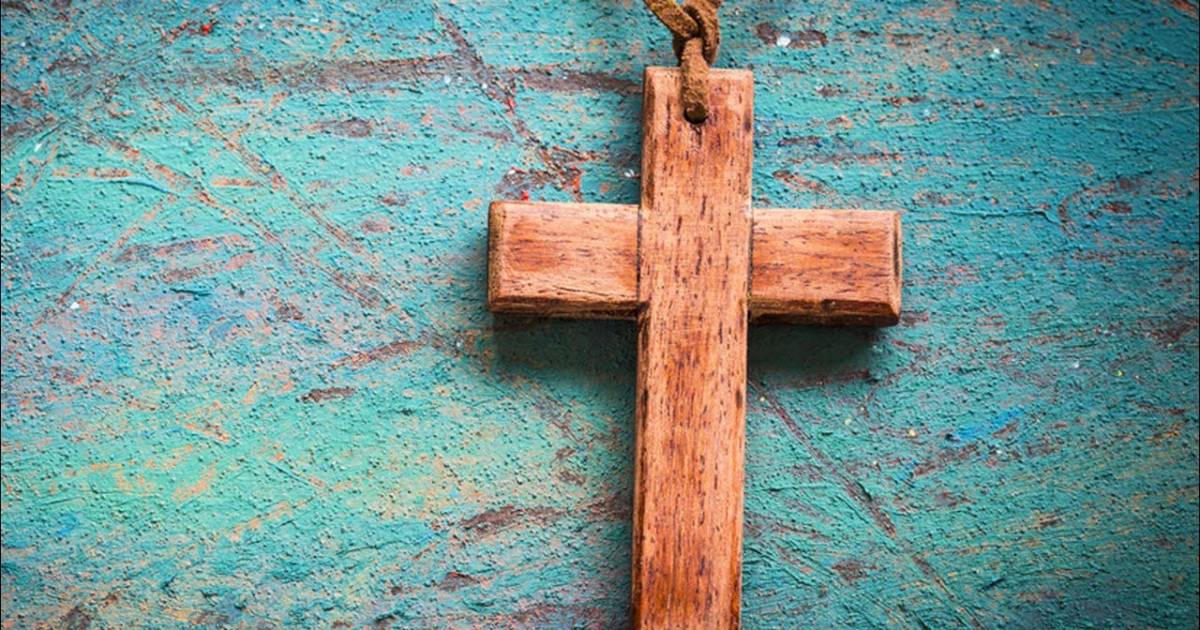
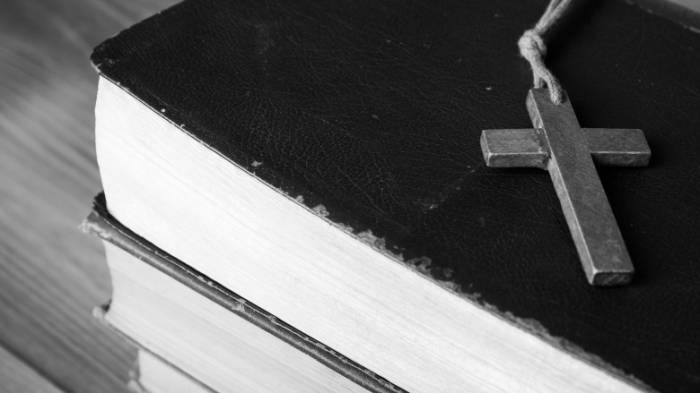
The cross is one of the most famous symbols in the world — it's a sign of Christ's death, our redemption, and Christianity in general. Everywhere you go, you can see crosses covering everything as a mark of Christianity. But see, before Christ even existed, there were still crosses being used as a symbol, by people in dozens of different countries. In almost every place you can think of, there's evidence of crosses being used to represent something holy. Some were seen as representations of life, and some were symbols of nature worship. But all of them are examples of the cross being a powerful religious symbol long before Christianity even came about.
Heck, it wasn't until the time of Constantine (the dude who decided which books of the Bible should count) that the cross became a symbol of Christianity. Was it adopted from the pagans? Probably, but it's got a neat justification behind it, is the thing that Jesus was crucified on. But what about the other religions — why such unification over making a glorified T a holy symbol? While we're not sure exactly why people are so drawn to the cross, our guess is that it's because God actually looks like a giant T. Namely, Mr. T. Don't pity the sinner, pity the fool.
advertisement
#7 The Anarchy Symbol
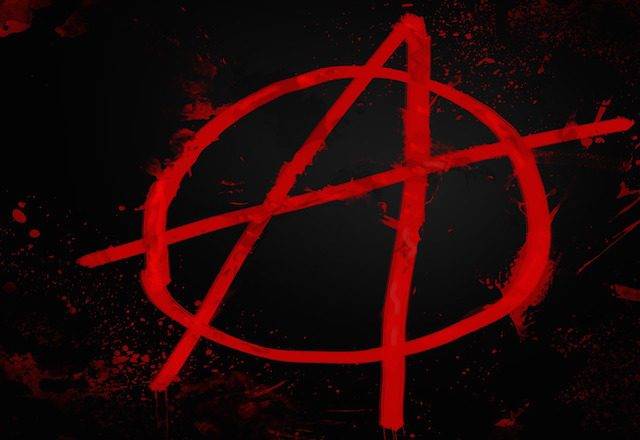
The symbol itself was designed by Pierre-Joseph Proudhon, a French journalist and libertarian socialist from the 19th century. The symbol is made out of the letter A which obviously stands for Anarchy, and a circle around it that is actually the letter O for order. It’s quite often to see this symbol spray-painted on walls, or people waving an Anarchy flag while wreaking havoc on a city street. But you can be sure that these people have no idea what Anarchy really is, and all that they end up doing is enforcing the idea instilled by the ruling classes from the 18th and 19th centuries; the idea that Anarchy is chaos. Civic duty and volunteerism are the driving forces behind Anarchy, not violence, as so many believe.
advertisement
#8 The Heart
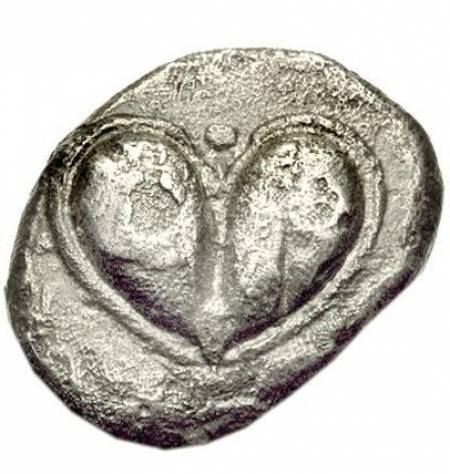
We all associate the love heart with romantic love and affection, and whilst it is not confirmed, a theory suggests that its shape actually derives from silphium, a giant fennel, which was used as birth control by the ancient Greeks and Romans.
advertisement
#9 Yin Yang
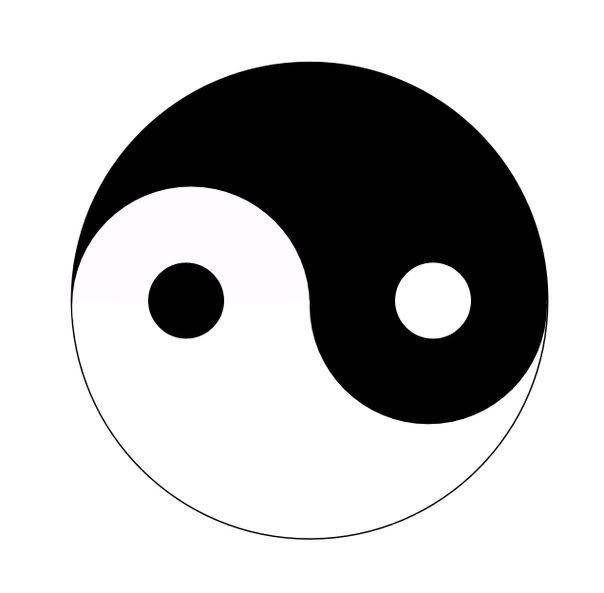
An important symbol in Chinese philosophy, Yin Yang represents perfect balance with two halves, which when combined, complete wholeness.
advertisement
#10 Evil Eye
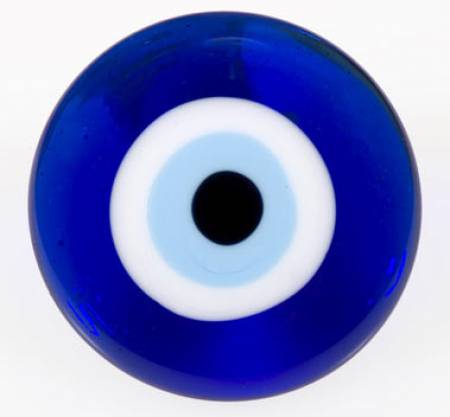
The Nazar Boncuk charm (or Evil Eye Bead) is an “eye”, often set on a blue background. It stares back at the world to ward off the evil spirits and keep you safe from harm.
Since then the people have been attaching this evil eye bead to everything they wished to protect from the evil eyes. From the new-born babies to their horses or even to the doors of their homes.
This tradition still lives in Turkey. The glimmering evil eye beads that are hand made with ancient methods by a very few glass masters are distributed from Anatolia to the whole world.
It’s believed that there are three types of evil eyes.
The first is unconscious evil eyes. These harm people and things, without intending to. The second type intends to harm. The third one is unseen, hidden evil which is the most sacred one.
It was believed that this eye saw all the wickedness in the world and removed poverty and ignorance. When Horus opened its eyes the world was enlightened, when he closed, it became dark. From Egypt, the eye talisman had spread to the Mediterranean, Middle East, and Europe.
The bead reflects the evil intent back to the onlooker. It somewhat resembles an eye and it is said the typical blue color is a factor in protecting the user.
To know evil eye meaning it is very important to know the blue color. What do the colors mean? In Turkey or in Greece and surrounding countries, the most popular evil eye charm color is blue. Turkey is in a dry part of the world, where water is precious — with water, things prosper and grow, and without it, things shrivel and die. The color blue reminds people of fresh, cool water.
In the Jewish faith, the color red is often associated with luck and good fortune, so red is also a popular color.When the Evil Eye Bead appears in other colors besides blue or red, it is usually for fashion reasons — color coordination with one’s wardrobe. Beads in the alternative colors have every bit as much protective power as the traditional blue ones