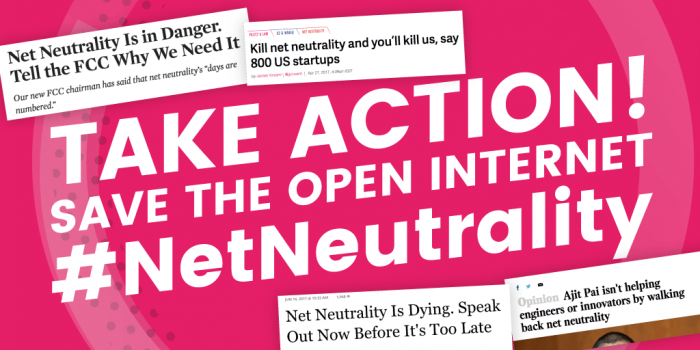
The US Federal Communications Commission announced that it planned to vote on an order to roll back Obama-era rules governing net neutrality.
FCC Plan Would Give Internet Providers Power To Choose Which Sites Customer's See And Use
By
Sughra Hafeez in
News
On 23rd November 2017
advertisement
#1
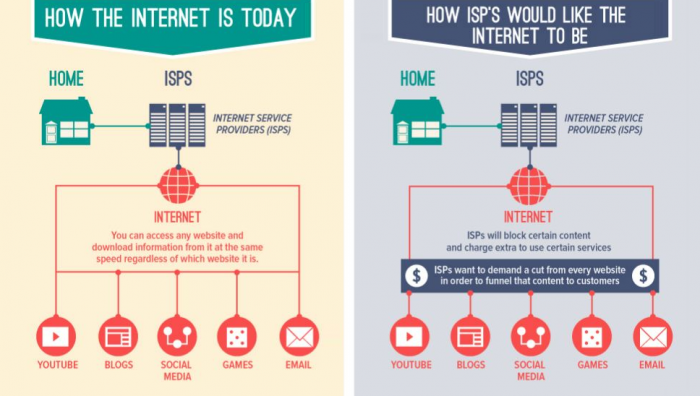
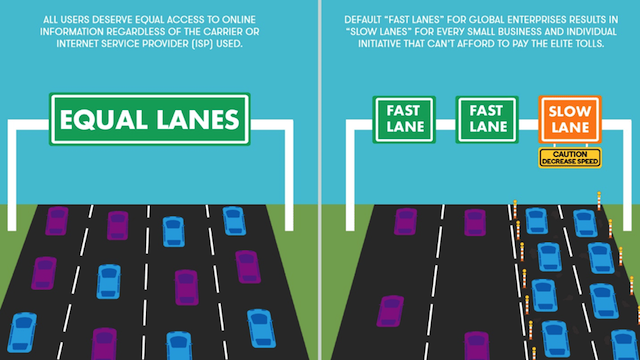
High-speed Internet services providers, such as Comcast, Verizon, and AT&T, would be able to block web content they do not like and auction off speedier delivery of content to the highest bidder. The rules mandate that they give equal access to all online content and apps.
#2
In reality, your ISP wants to roll back the current net neutrality rules and gain the ability to control your experience online.
Specifically, they could prioritize websites and apps they own over the rest of the web Or even slow down your connection to content they don’t like…

advertisement
#3
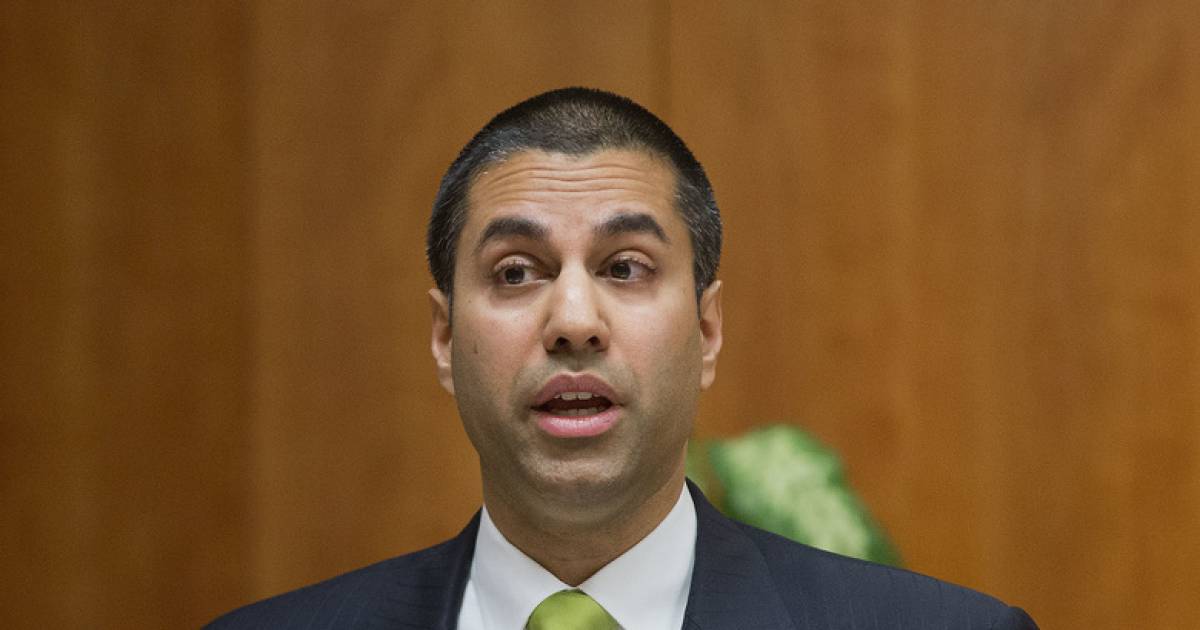
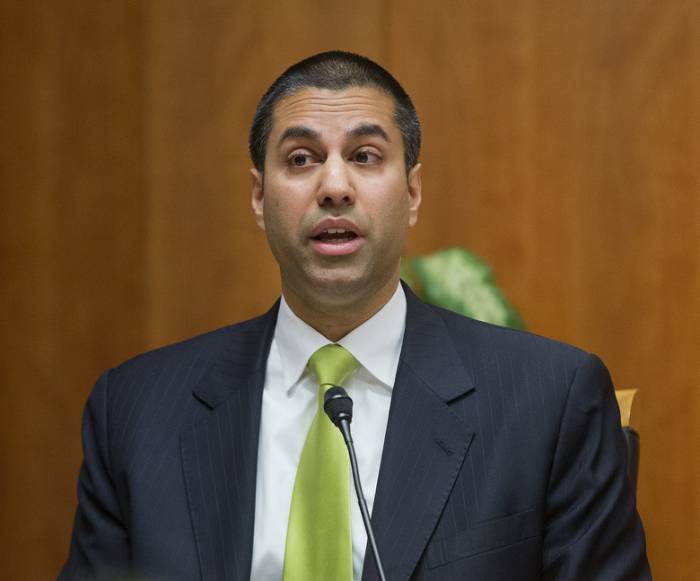
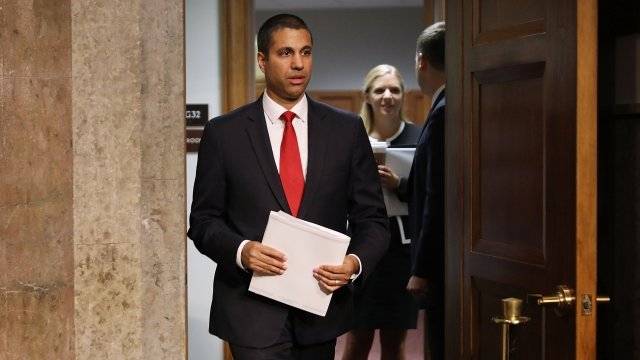
The FCC's Republican chairman, Ajit Pai, has made undoing the government's net neutrality rules one of his top priorities. “Under my proposal, the federal government will stop micromanaging the Internet,” Pai said in a statement. He distributed his alternative plan to other FCC commissioners in preparation for a Dec. 14 vote. Under the new rules, he said, the FCC would "simply require Internet service providers to be transparent about their practices."
#4
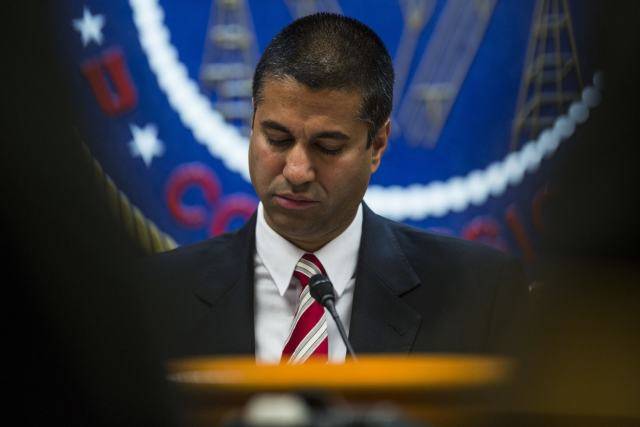
Pai’s announcement set off a firestorm of criticism from Internet companies and activists who vowed to hold demonstrations ahead of the FCC's vote.
Legal affairs for the National Hispanic Media Coalition director, Carmen Scurato, said ISPs’ ability to impose monthly caps on data use already act to raise prices and limit access. Repealing net neutrality, she said, “is just erecting more barriers.”
advertisement
#5
Verizon said in a statement,"We're very encouraged by Chairman Pai's announcement today that the FCC will move forward next month to restore the successful light-touch regulatory framework for Internet services."
advertisement
#6
Violations of the transparency rule could lead to fines by the FCC, said senior agency official. Repealing those rules would allow Internet providers to experiment with new ways to make money. In recent years, some broadband companies, such as AT&T, have tried offering discounts on internet service to Americans as long as they agree to let the company monitor their Web browsing history.
advertisement
#7
Net neutrality is the principle that Internet service providers and governments regulating most of the Internet must treat all data on the Internet the same, and not discriminate or charge differently by user, content, website, platform, application, type of attached equipment, or method of communication. For instance, under these principles, internet service providers are unable to intentionally block, slow down or charge money for specific websites and online content.
advertisement
#8
According to a recent Civic Analytics poll, 77 percent of Americans support keeping Obama's strong net neutrality rules and over 80 percent agree with the principles of net neutrality. Specifically, "73 percent of Republicans, 80 percent of Democrats, and 76 percent of Independents want to keep the FCC's Open Internet rules. 81 percent of Americans agree that ISPs should not ... block or throttle websites or charge extra for preferred access to consumers."

advertisement
#9
Netflix, which had been vocal in support of the rules in 2015, tweeted that it “supports strong #NetNeutrality” and opposes the rules rollback.
“The FCC’s net neutrality rules are working well for consumers, and we’re disappointed in the proposal released today,” Google said in a statement.
Sen. John Thune, R-S.D., praised Pai’s effort but renewed his call for a bipartisan compromise on net neutrality, saying it was the only way to “create long-term certainty for the Internet ecosystem.”
Some analysts said that the FCC proposal was appropriate and that there is no economic evidence for regulatory intervention.