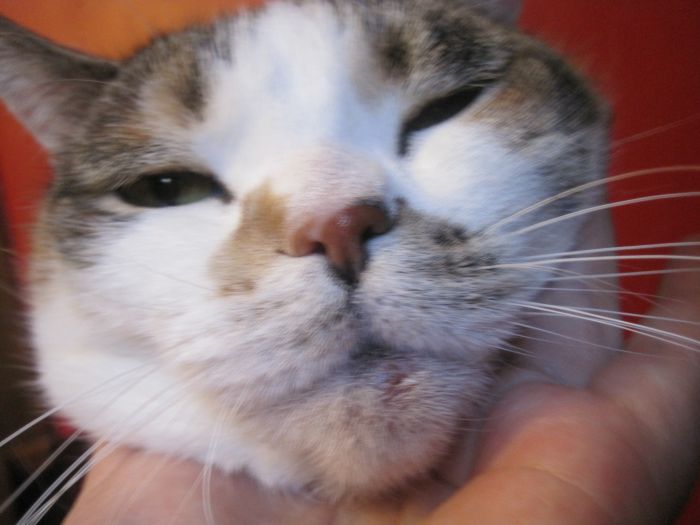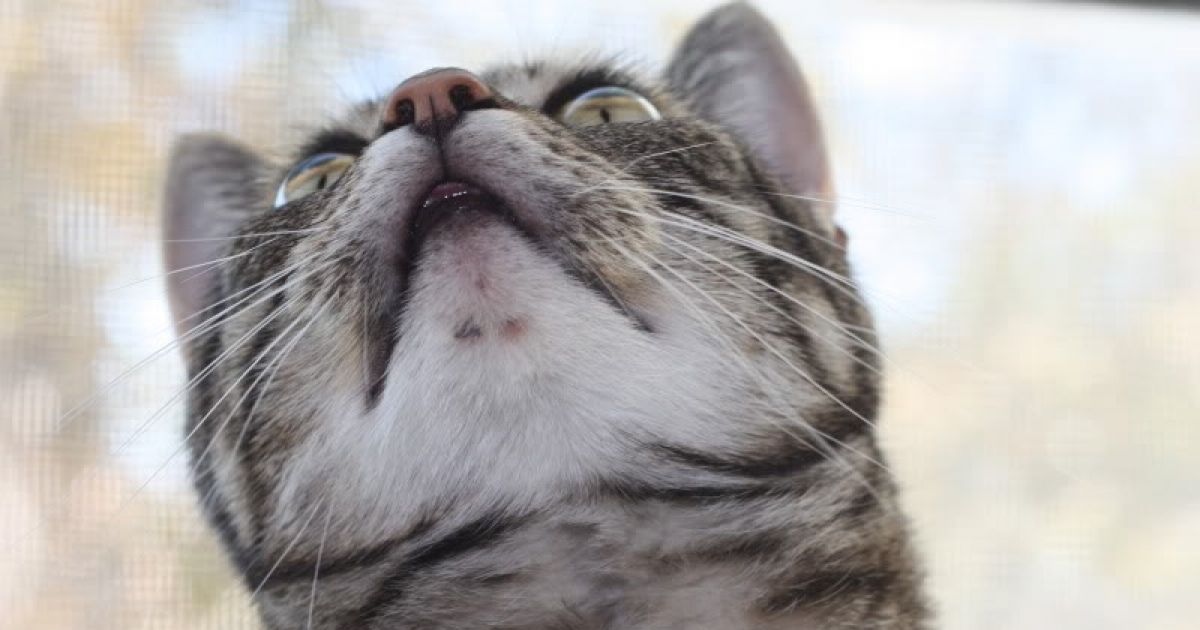
Feline acne is a condition in which blackheads develop on the chin of a cat.
advertisement
Feline acne is common in cats of all breeds, sexes and ages
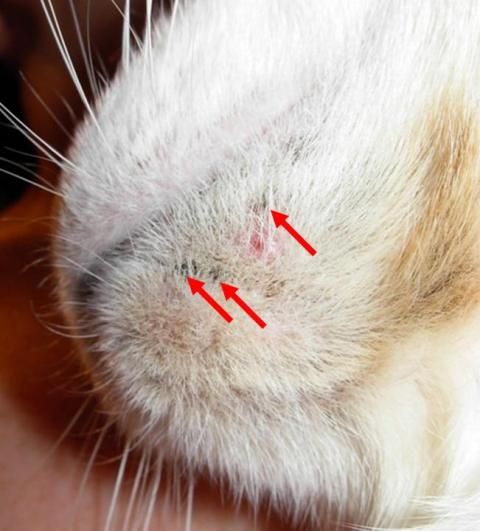
It occurs most often on cats' chins or around their lips, and in less severe cases cats' fur my hide the acne entirely. However, in more severe cases it can be very noticeable.
Acne occurs in cats when their hair follicles are blocked by the oils secreted to keep their skin moist.
Pimples and swelling can occur, and a cat scratching at these can cause a secondary infection and hair loss around the area.
advertisement
It can appear at any age, any gender, it may wax and wane, or be stubbornly hard to treat.
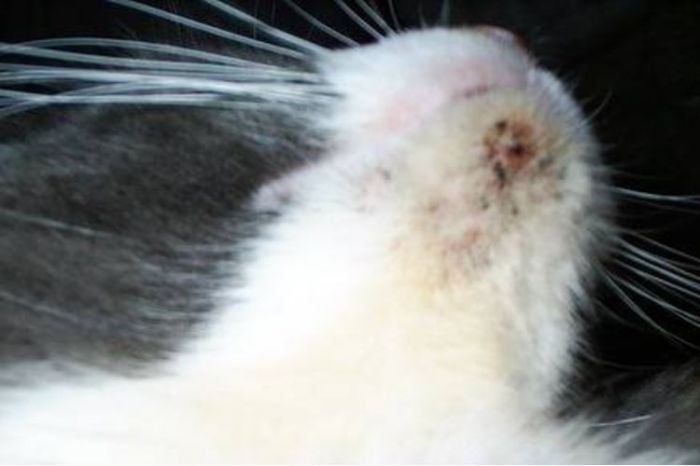
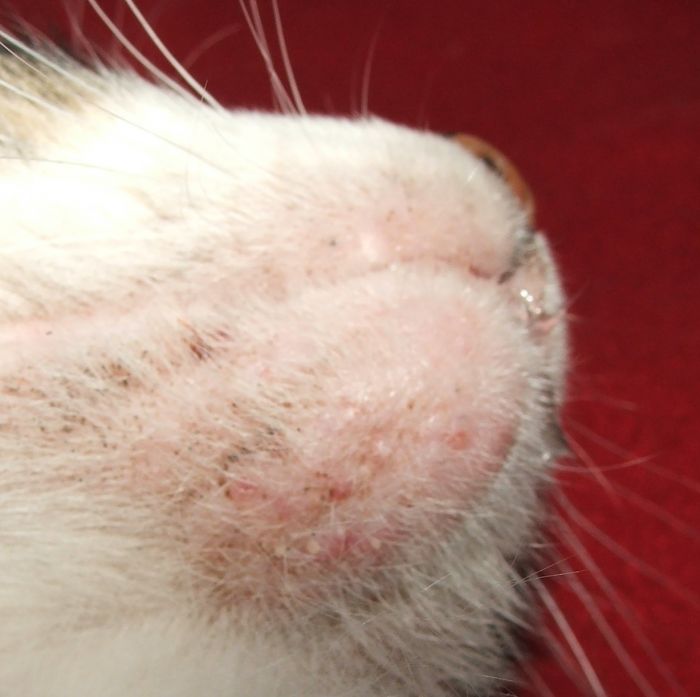
Signs range from barely noticeable comedomes (blackheads) to severely inflamed and draining pustules. Some cats are not seemingly bothered, and some are very itchy and painful. Local hair loss and redness are also common.
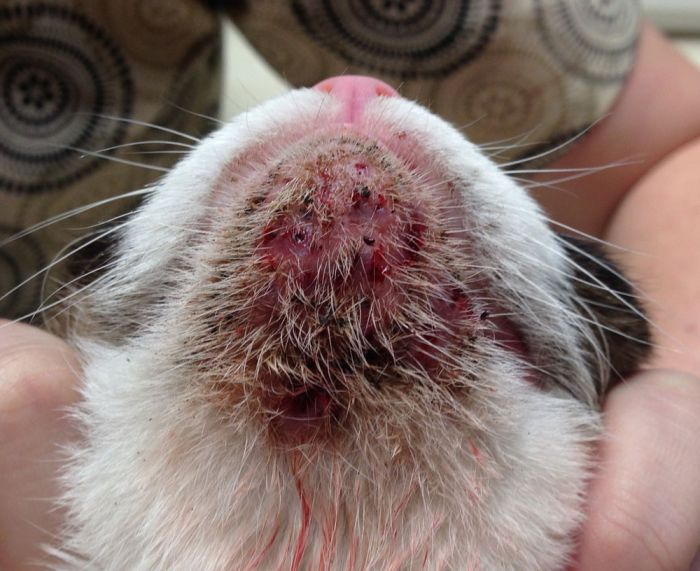
The photo is a severe case of feline chin acne, with draining pustles (pimples)
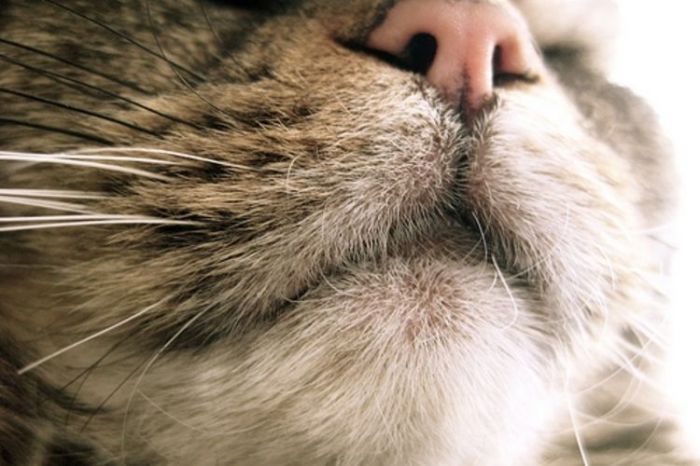
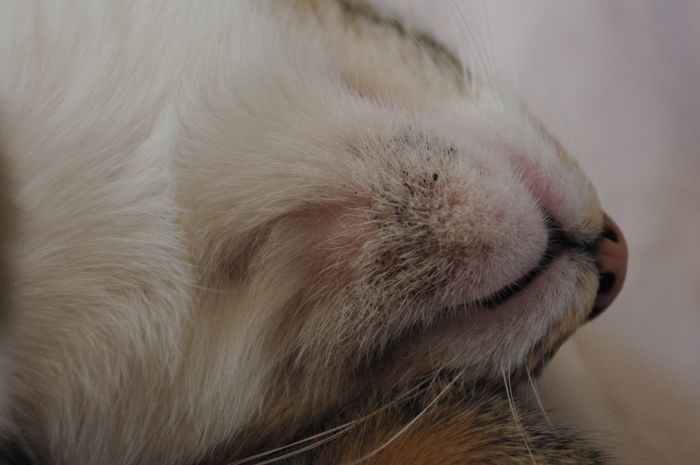
Many cats first present with a "dirty" chin -- small black dots in between the hair follicles. That may be it for some cats.
For others, this can progress to swollen, red lumps that may or may not rupture and drain.
advertisement
What causes chin acne?
The short answer is "unknown cause." There are several possible contributing factors:
stress
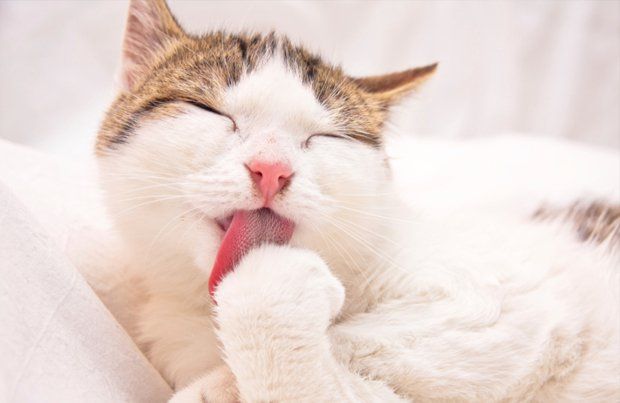
poor grooming
bacterial overload (i.e. from dirty food bowls)
abnormal sebum (oily substance) production
contact sensitivity/dermatitis
suppressed immune system
concurrent infection or disease
advertisement
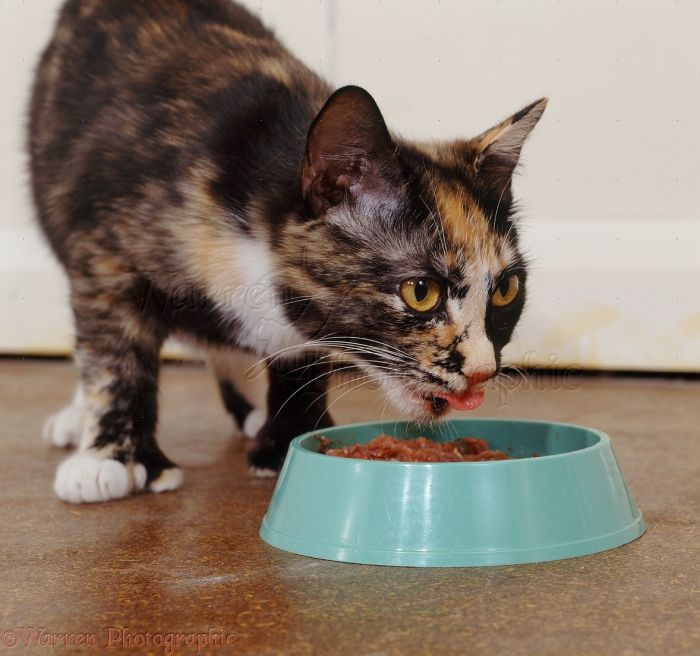
Plastic food bowls were once considered a possible culprit for causing feline acne
(allergic or contact sensitivity), but it is now thought that the bacterial levels found on plastic dishes may be the real problem.
Using glass, metal or ceramic dishes will help, as will frequent washing of the dishes.
advertisement
How is feline acne diagnosed?
Your veterinarian will perform a physical examination of your cat and tentative diagnosis is usually made based on the appearance of comedones on the chin.
As there are other conditions with similar symptoms to feline acne (bacterial pyoderma, contact dermatitis, food hypersensitivity, Malassezia, eosinophilic granuloma), your veterinarian may wish to perform skin scrapings and perform a fungal and bacterial culture to rule out other causes.
advertisement
How is feline acne treated?
Chin acne is usually "managed" rather than cured. Home treatments include gentle washing of the chin once or twice daily with a mild soap, benzoyl peroxide, chlorhexidine or other cleanser recommended by your veterinarian.
For pustles, warm water compresses or tea bag compresses will help soothe and heal.
Use metal, glass or ceramic food and water dishes. Wash dishes daily.
advertisement
For more severe cases, your veterinarian will likely prescribe additional treatments, such as:
antibiotics in the form of pills, liquids or a long-lasting injection in the office
topical antibiotics (i.e. mupirocin) - caution must be taken to ensure the cat cannot groom it off and ingest it
corticosteroid injection or tablets to calm inflammation
prescription-strength shampoo or wash
Additionally, all concurrent infections must also be addressed and treated according to what is found on examination
advertisement
Is there anything I can do to prevent feline acne?
Switch from plastic to glass, ceramic or metal food bowls.
Wash food and water bowls daily.
Washing the cat's chin after eating, if he is prone to acne.