Fortunately, diabetes can be treated and does not mean a death sentence for your beloved pet.
advertisement
Diabetes mellitus in cats is a chronic disease that affects carbohydrate metabolism due to either an insufficient insulin response or insulin resistance.
Like diabetes in humans, it is characterized by chronically high blood glucose. Diabetes strikes 1 in 400 cats, though recent veterinary studies note that it has become increasingly common. Symptoms in cats are similar to those in humans. Diabetes in cats occurs more frequently than in dogs. 80-95% of diabetic cats experience something similar to type-2 diabetes, but are generally severely insulin-dependent by the time symptoms are diagnosed. The condition is treatable, and treated properly, the cat can experience a normal life expectancy. In type-2 cats, prompt effective treatment may lead to diabetic remission, in which the cat no longer needs injected insulin. Untreated, the condition leads to increasingly weak legs in cats, and eventually malnutrition, ketoacidosis and/or dehydration, and death.
80-95% of diabetic cats experience something similar to type-2 diabetes, but are generally severely insulin-dependent by the time symptoms are diagnosed.
The condition is treatable, and treated properly, the cat can experience a normal life expectancy. In type-2 cats, prompt effective treatment may lead to diabetic remission, in which the cat no longer needs injected insulin. Untreated, the condition leads to increasingly weak legs in cats, and eventually malnutrition, ketoacidosis and/or dehydration, and death.
advertisement
The initial shock and fear you feel when the vet tells you that your pet has diabetes can be overwhelming.
Yet diabetes is a treatable condition and your pet can live a normal, happy, healthy life. Diabetes is not a death sentence for your pet! You can manage this condition, maintaining your own sanity and budget.
You are likely wondering, "How long will my pet live?"
Every pet is different, but very often your pet can live a normal life span. If you own an older cat, no doubt you've wondered if it's "better" to put it to sleep. This is a very complicated issue and depends on the overall health of your pet. But age alone should not be the deciding factor in determining whether to treat your diabetic pet or whether to euthanize it. Many older pets have been diagnosed with diabetes, and with commitment and loving care have lived many more years
advertisement
Feline Diabetes - What is diabetes mellitus?
Feline diabetes (also called diabetes mellitus) is similar in nature to human diabetes and occurs in middle age or older cats. Diabetes is a disease in which the pancreas does not produce enough insulin (the hormone that controls how the body absorbs and uses sugar) or the insulin produced is not effective at controlling blood sugar levels..
advertisement
Your cat needs insulin to metabolize or use sugar, fat and protein for energy.
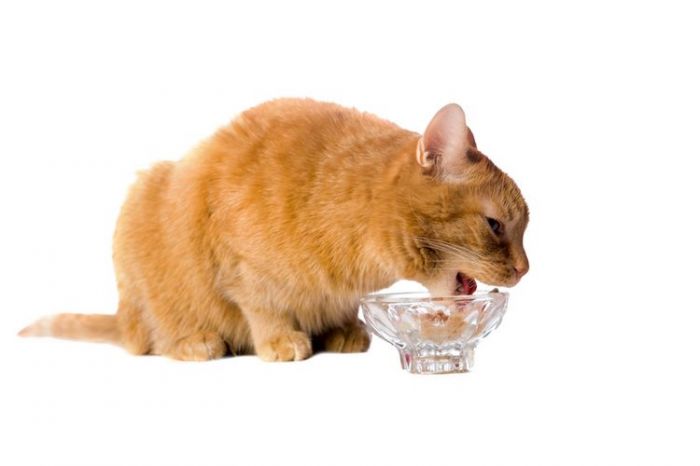
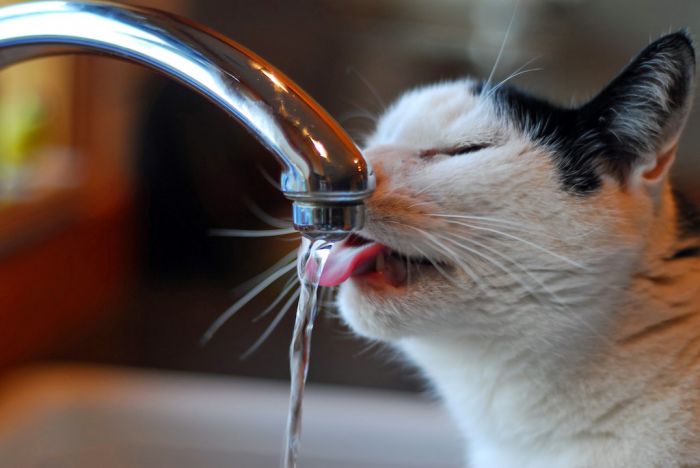
Without insulin, sugar builds up in the blood and spills into the urine. Sugar in the urine causes your cat to pass large amounts of urine and to drink lots of water.
advertisement
The level of sugar in the brain controls appetite.
Without insulin, the brain becomes sugar deprived and your cat becomes constantly hungry, even though she is experiencing weight loss due to the improper use of nutrients from the diet. Untreated diabetic cats are more likely to develop infections and commonly get bladder, kidney, or skin infections.
advertisement
There are two types of feline diabetes:
Uncomplicated diabetes: your cat will not be extremely ill and show basic signs of the disease such as excessive drinking, frequent urination and susceptibility to kidney and bladder infections.
Diabetes with ketoacidosis: your cat would be very ill and may be vomiting and depressed. Ketoacidosis happens when Ketosis and Acidosis occurs. Ketosis is the accumulation of substances called ketone bodies in the blood. Acidosis is increased acidity of the blood.
advertisement
Cat with feline diabetes will sometimes regain the ability to produce their own insulin in the pancreas.
Cats that developed diabetes after receiving long term glucocorticoids or hormones are more likely to stop needing insulin after a while compared to cats that developed diabetes without a known cause.
advertisement
Cat owners need to be aware of four cat diabetes symptoms:
excessive thirst (your cat will drink more water than usual)
increased need to urinate (your cat will urinate more than normal and may urinate outside of the litter box)
weight loss
increased appetite (even though cat is losing weight - see next paragraph)

advertisement
Other symptoms of cat diabetes are associated with a condition called ketoacidosis.
When sugar isn't available to the body for energy, the body creates an acid that helps to break down fats for energy. This triggers symptoms such as anorexia (lack of appetite), lethargy, vomiting, and diarrhea.
advertisement
How is diabetes diagnosed?
Diabetes mellitus is diagnosed based on the cat's signs, physical examination findings, laboratory test results, and the persistent presence of abnormally high levels of sugar in the blood and urine. Once diabetes has been diagnosed, immediate treatment is necessary.
Left untreated, diabetes will shorten a cat's lifespan
A dangerous, sometimes fatal condition called ketoacidosis may develop, indicated by loss of appetite, vomiting, diarrhea, lethargy, weakness, dehydration, and breathing abnormalities. Additionally, diabetes can lead to an unhealthy skin and coat, liver disease, and secondary bacterial infections. A diabetesrelated disorder called diabetic neuropathy may cause cats to become progressively weaker, especially in the hind legs, impairing their ability to jump and causing them to walk with their hocks touching the ground.

advertisement
Diabetes treatment is based on the severity of the disease.
Cats with ketoacidosis require prompt intensive care, which usually includes fluid therapy and short-acting insulin injections. For cats that are not severely ill, your veterinarian may recommend a treatment plan that includes insulin injections or oral medications, along with dietary changes.

The treatment is different for feline diabetes patients with uncomplicated diabetes and those with ketoacidosis.
Ketoacidotic diabetics are treated with intravenous fluids and rapid acting insulin. This treatment is continued until your cat is no longer vomiting and is eating, then the treatment is the same as for uncomplicated diabetes.
advertisement
Treatment involves daily insulin injections 1x to 2x a day.
There are also oral medications for diabetes in cats.
Your vet will show you how to give your cat insulin injections and tell you what type and when to inject them. The three types are:
Short-acting insulin (regular or crystalline) is used in sick diabetic animals until they are eating again
NPH and Lente are intermediate- acting insulins
Ultralente and PZI are long- acting insulins

Give her the medication at the same time every day.
It may or may not be necessary for you to check your cat's blood glucose levels at home. If it is necessary, your vet will show you how to do it as well.
advertisement
For a cat diabetes diet, feed your cat in regular intervals and consider a series of smaller meals.
2x a day is fine. This way the body can use the insulin it is producing to act against a smaller amount of food each time. Keep the portions about the same every day.
If you "free feed," leaving food available all the time, keep an eye on the amount she eats, making sure she is eating about the same amount each day.
Feed your cat a canned commercial cat food since these have a higher concentration of protein and a lower percentage of carbohydrates, the correct proportion for cats with diabetes.
Do not give her table scraps and use treats sparingly. Avoid foods that are loaded with preservatives and high amounts of sugar.
Most studies support a low calorie, low carbohydrate and high protein diabetic cat diet over a high fiber alternative.

advertisement
Overall, the diabetic cat prognosis is good.
If you can identify the cause, and then eliminate it, then the disease in many cases can be reversed. For example, if you cat is overweight, bringing the weight down will help. If the disease was triggered by medication, than changing the course of treatment will also help.
If the cause for the feline diabetes cannot be identified
then the prognosis is still good if you follow your veterinarians instructions and follow the prescribed treatment method. By carefully watching for changes in your cat's health and through frequent visits to the vet (every 2 to 4 months) you can expect your cat to live a long and healthy life.