Feline lower urinary tract disease is commonly diagnosed in the cat & can have a number of different causes.
Feline Urinary Tract Disease: What You Should Know
By
Editorial Staff in
Nature
On 25th February 2016
advertisement
Urinary Tract Problems in Cats
Problems that affect a cat's lower urinary system often prevent the bladder from emptying correctly or may even cause fatal blockage of the urethra, the tube connecting the bladder to the outside of the body.
Very often the culprit is Feline Lower Urinary Tract Disease (FLUTD)
Once called Feline Urologic Syndrome (FUS), FLUTD is not merely one problem, but a collection of clinical symptoms that may have more than one possible cause.
advertisement
Symptoms of FLUTD include frequent or painful urination, bloody urine and frequent licking of the urinary opening
One key to treating FLUTD is to determine the root cause, which may include bladder stones, urinary tract blockage, infection or cancer.
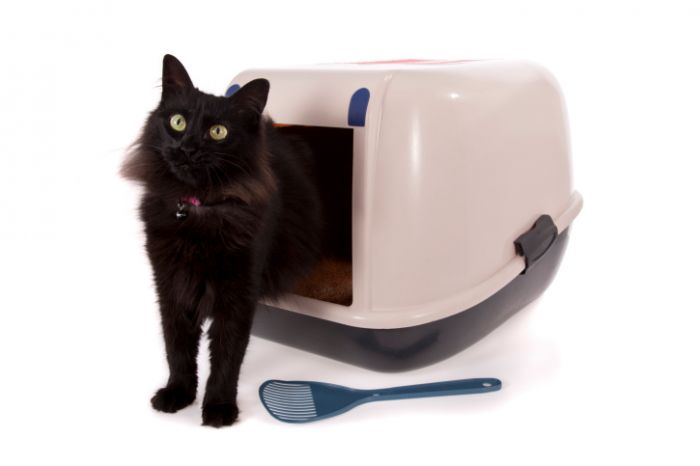
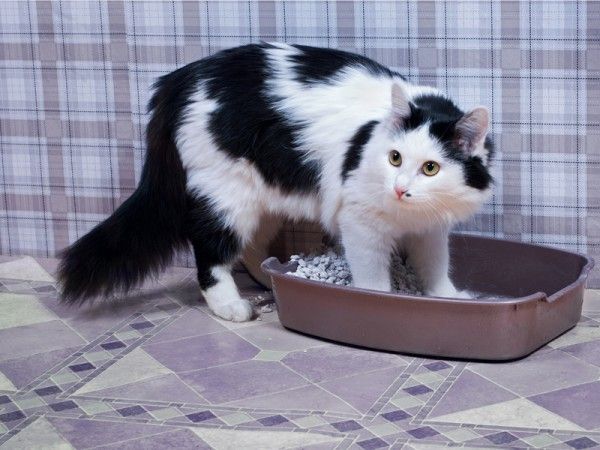
Unfortunately, urinary tract disease often leads to inappropriate urination, or urinating outside of the litter box
Urinating outside of the litter box is not always a medical issue but, either way, not using the litter box is one of the most common reasons cats are relinquished to animal shelters. Many of these cats are euthanized in shelters as a result of being unable to place them in an appropriate home.
advertisement
Potential causes of lower urinary tract disease in cats include:
*Bladder stones
*Bladder infection
*Interstitial cystitis (inflammation of the bladder)
*Urethral obstruction (may be caused by stones in the urethra or by plugs within the urethra made up of organic debris such as cells, proteins, and minerals. Less commonly caused by tumors or other physical abnormalities in the urethra.)
advertisement
FLUTD is thought to affect around 1-3% of cats each year, so is among the more common diseases seen
Because of the diverse nature of the underlying causes, cats of any age, breed and gender can be affected by FLUTD, but in general, the disease is more common in:
*Middle-aged cats
*Neutered cats
*Over-weight cats
*Cats which take little exercise
*Cats with little or no access outside
*Cats that eat a dry diet
advertisement
Underlying causes of FLUTD
A number of different disease may cause FLUTD, but the relative importance of these diseases does vary between different countries and different populations of cats. Some of the more common causes include:
advertisement
Urolithiasis
this is the term used to describe bladder stones. Just as in humans, cats can develop stones in their bladder. The two most common types of stone (determined by their composition) are 'magnesium ammonium phosphate' (or 'struvite') and 'calcium oxalate'. These two types of stone account for 80-90% of cases of urolithiasis, but others may also be seen. Urolithiasis generally accounts for around 10-15% of cases of FLUTD.
advertisement
Bacterial infections
bacterial cystitis (bacterial infection of the bladder) is the most common cause of lower urinary tract disease in many animal, but is relatively uncommon in cats. It accounts for around 5-15% of all cases of FLUTD. Bacterial cystitis tends to be seen in older cats.
advertisement
Urethral plugs
obstruction of the urethra in male cats may occur as the result of a 'urethral plug' - this is where there is an accumulation of proteins, cells, crystals and debris in the urine that combines together to form a plug that cannot be passed. Other causes of urethral obstruction include small bladder stones becoming lodged in the urethra or severe muscle spasm of the urethra (which can occur with severe inflammation/irritation).
advertisement
Anatomical defects
sometimes a defect in the lower urinary tract may cause signs of disease. Most commonly this occurs with a stricture affecting the urethra. If the urethra becomes damaged, during the healing process fibrous tissue may develop which can significantly restrict the diameter of the urethra. When that happens, it may be difficult for cats to pass urine normally.
advertisement
Neoplasia
although uncommon, particularly in older cats with signs of FLUTD, the possibility of a tumour (cancer) affecting the bladder or urethra needs to be considered. The most common bladder tumour is known as 'transitional cell carcinoma'.
Idiopathic cystitis
despite the well-recognised causes of FLUTD, in the majority of cats (probably around 60-70%) no specific underlying disease can be identified, and these cats are classified as having 'feline idiopathic cystitis' or a term that simply means inflammation of the bladder without a known cause.
advertisement
The treatment of FLUTD will depend on the underlying cause
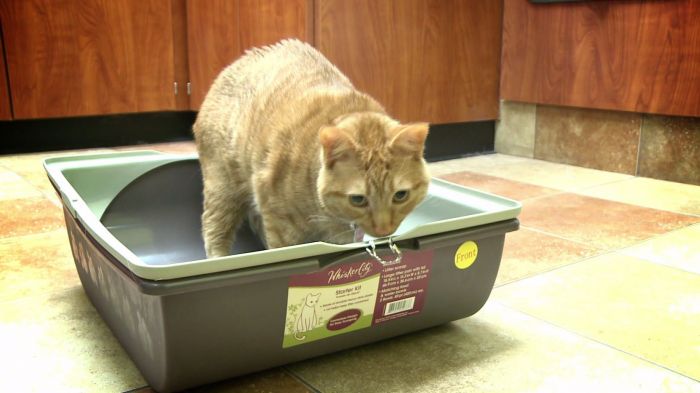
In general, increasing water intake, and encouraging more frequent urination are good objectives in all cases of FLUTD. This may be helped by feeding wet (tinned or sachet) foods rather than dry foods, encouraging drinking, correcting obesity, encouraging exercise, and encouraging urination by considering how best to use litter boxes (if the cat is an indoor cat)
Treatment of urinary tract disease depends to some extent on the cause of the disease:
advertisement
Cats suffering from a urethral obstruction will need to have the obstruction resolved
via the passing of a catheter through the urethra and into the bladder, relieving the obstruction. Supportive care such as intravenous fluids and monitoring of kidney function and blood electrolyte levels will likely be necessary also.
Antibiotics are used to treat bladder infections, if present
advertisement
Bladder stones sometimes require surgical removal
In other cases, therapeutic diets may be an acceptable alternative to surgery. Often, a therapeutic diet will be recommended even after surgical removal of bladder stones to keep additional stones from forming. Your veterinarian will help you decide what is best for your cat.
Water consumption should be encouraged
All cats should have fresh water available at all times. Water fountains and dripping faucets can entice some cats to drink more water. Feeding canned food is an alternative also because of the increased moisture content in wet food. Some cat owners also add additional water to their cat's food.
advertisement
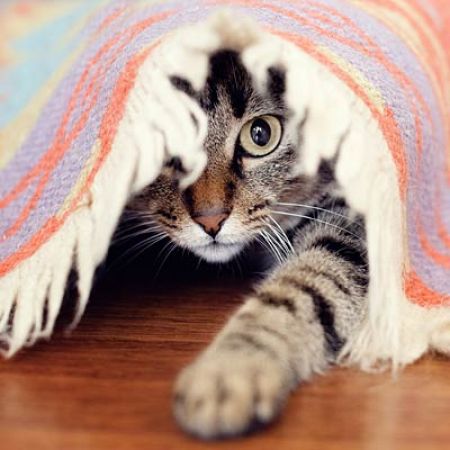
Environmental enrichment should be used to reduce stress for indoor cats
Enrichment includes toys, perches, hiding places, scratching surfaces, and other items to entertain your cat and make him/her feel safe.
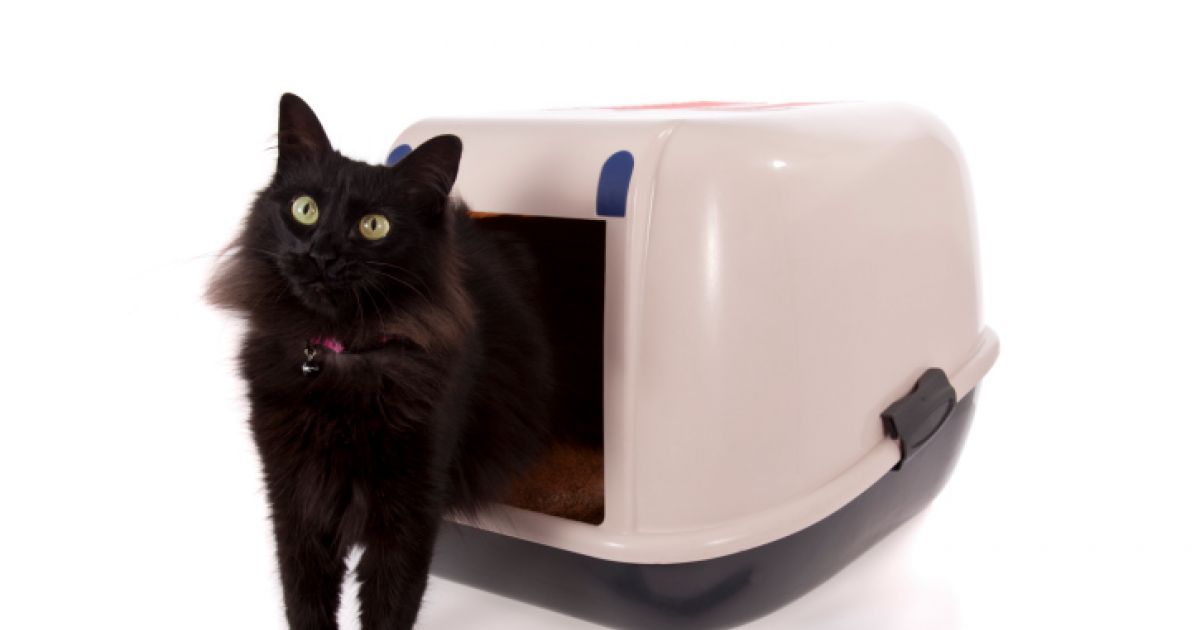
Litter boxes should always be kept clean
and care should be taken that your cat is not disturbed or harassed while using the box. In multi-cat households, an adequate number of litter boxes must be provided.
advertisement
Preventing urinary tract disease is not always possible
However, encouraging water consumption, environmental enrichment, and proper litter box care can help. If your veterinarian recommends a therapeutic diet for your cat, you should continue with the diet unless your veterinarian indicates otherwise. Do not change your cat's diet or stop the therapeutic diet without consulting with your veterinarian first.