Often providing small opportunities for movement can actually increase your special students concentration. The key is to find something discrete that allows for some movement, but doesn’t become a distraction to others.
advertisement
Fidgeting is a common symptom of neurodevelopmental disorders such as ADHD, processing disorders, learning disabilities and Asperger’s.
It occurs when your child carries out tasks that are not interesting enough to sustain his or her focus. The additional sensory-motor input gained through fidgeting stimulates your child's brain, allowing him or her to focus on the task at hand.

Why Does My Child Fidget?
Although scientists have developed different explanations for why children with neurodevelopmental disorders fidget, they do not know conclusively why fidgeting occurs. Some think that these children fidget to satisfy their brain's need for stimulation. Others believe that their brains are incapable of inhibiting the urge to fidget. Implementing certain strategies can help manage the need to fidget so that it no longer interferes with your child's school performance or disrupt the rest of the class.
advertisement
Often providing small opportunities for movement can actually increase your special students concentration.
The key is to find something discrete that allows for some movement, but doesn't become a distraction to the class. Here are our top five strategies:
Use an Exercise Band around the Student’s Chair legs.
A simple exercise band wrapped around the front of a student's chair legs allows a child to kick and get their energy out, increasing focus and decreasing distracting movements. Best of all if the student is sitting at a desk it's completely quiet and out of the site of other students.
advertisement
Give the Child a Small Hand Fidget.
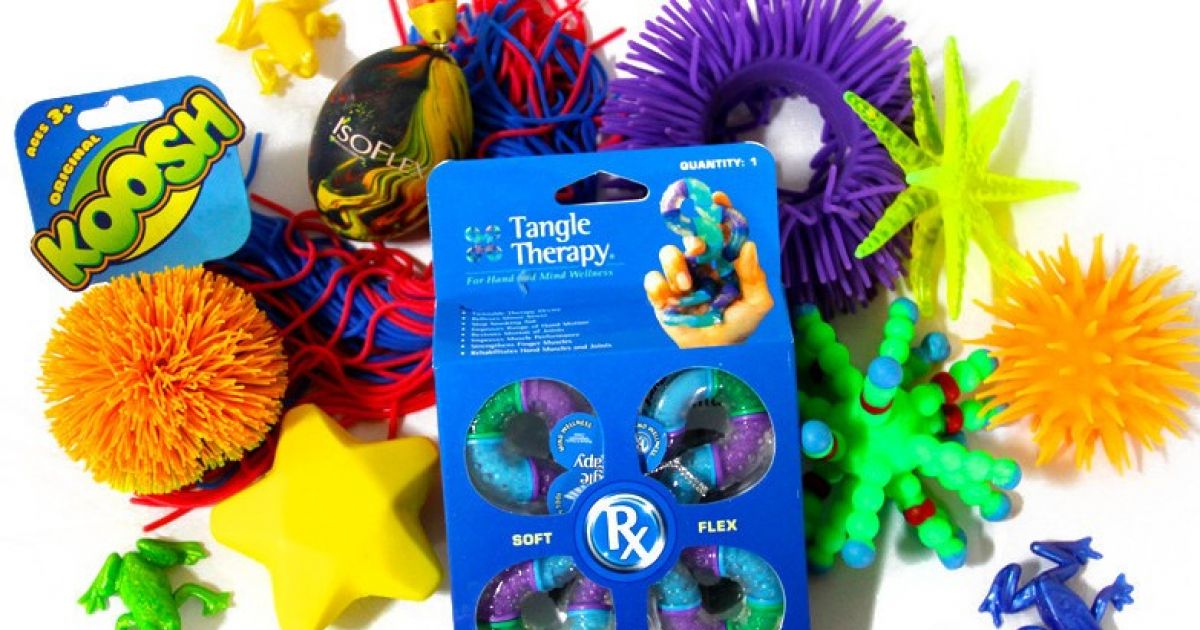
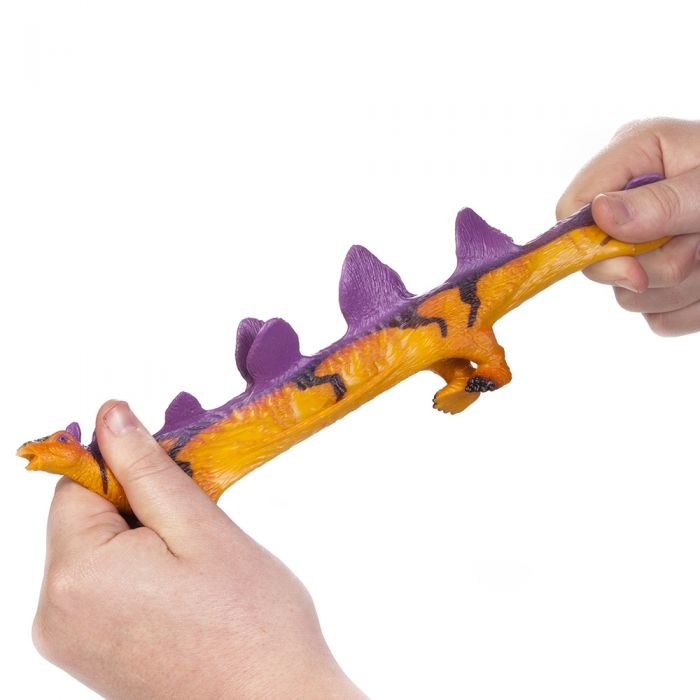
There are a couple of hand fidgets that work really well in the classroom depending on the student. Small stretchy frogs have long been a classroom favorite. These work well because they're inexpensive, discrete, and are great for squishing between fingers. This is a nice option for mainstream kids who tend to lose things. Usually they come in a bag so a teacher can keep a supply in her desk for the times a student really needs it.
advertisement
Isoflex balls work well with older students who may also be dealing with anxiety.
Squeezing the ball or putting it between a student's hands to squish can instantly relieve tension and increase focus. A micro bead filling provides enough give so that it takes some effort to squeeze, but not too much effort. However, the skins of these balls are made of several thin layers of latex. So if you have a destructive student, or one with a latex allergy, look at another option.

advertisement
Tangle Relax
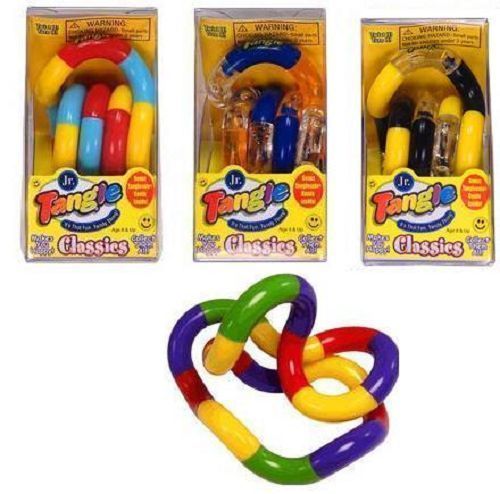
This fidget can be broken into two smaller rings, is very sturdy, and fairly inexpensive. It comes with a bumpy rubber skin that is a very pleasant tactile experience. Extremely durable, this is a nice option for elementary age students as well as adults. However, it is designed to snap open and shut and can break into small parts that could pose a choking hazard for young children or those with cognitive challenges.
advertisement
Let them Sit on a “Wiggle Seat“
A simple wiggle seat a student can sit on can encourage exercising the student's core muscles. These small core exercises can keep energy levels down, decrease distractions and help with focus. If you have a student with posture issues you may want to get a Move N Sit. This is a wedge shaped cushion that encourages the pelvis to tilt forward aligning the spine. Thankfully, there are discount versions available that are just as good.
advertisement
Let them chew something.
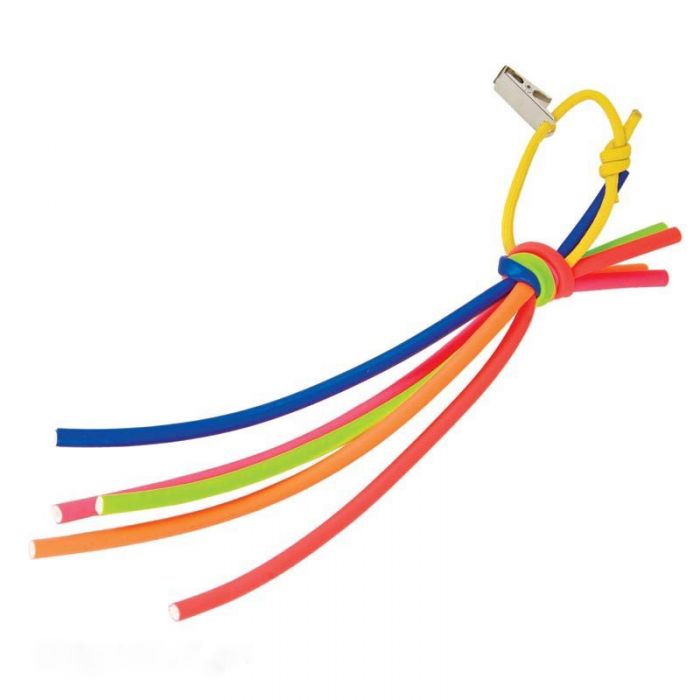
Do you have a student who is sucking or chewing on their clothes, hands or pencils? If so this may be a calming or focusing strategy. Why not give them something appropriate to chew on? There are a variety of inexpensive chewable jewelry options as well as clear pencil toppers you can use in the classroom. For younger children (preschool and under) a popular option is a Teether Ball. Not only is it a chewy, but it can keep hands busy during circle time.
advertisement
Try a weighted vest, or Lap Pad.
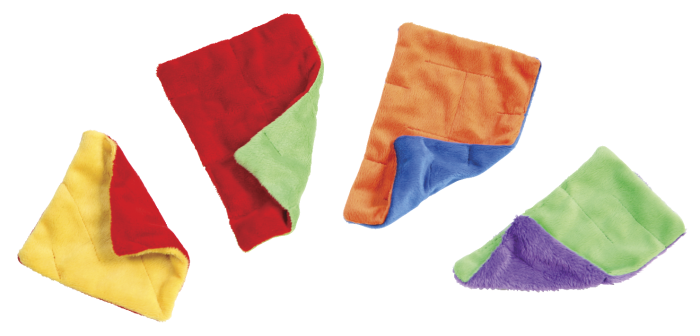
Easily distracted students may respond positively to the additional weight of a weighted lap pad or a weighted vest provides. In a recent review article from the Journal of Autism Developmental Disorders the author noted:
"Five of the seven studies reported some improvements in behavior of children with ASD. Weighted vests seemed to reduce stereotypic (repetitive) behaviors in some of the children. The vests increased attention or on-task time for some children. However, these were small studies and could not measure behaviors reliably."
advertisement
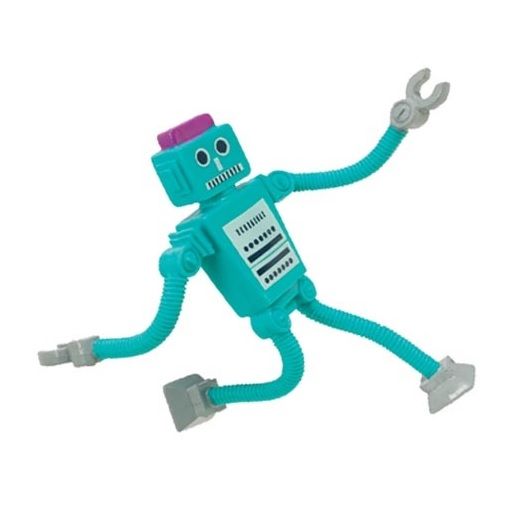
An effective fidget is both respectful to others
- it's not distracting to them and arousing enough to activate the brain to sustain interest where it couldn't before. Different tasks will require different fidgets. It's important to pick fidgets that don't compete with the task.
advertisement
Every child is different.
Sometimes finding a focus strategy for your special student takes some trial and error.