

This is nothing like the kind of noise you'd imagine a shark would make
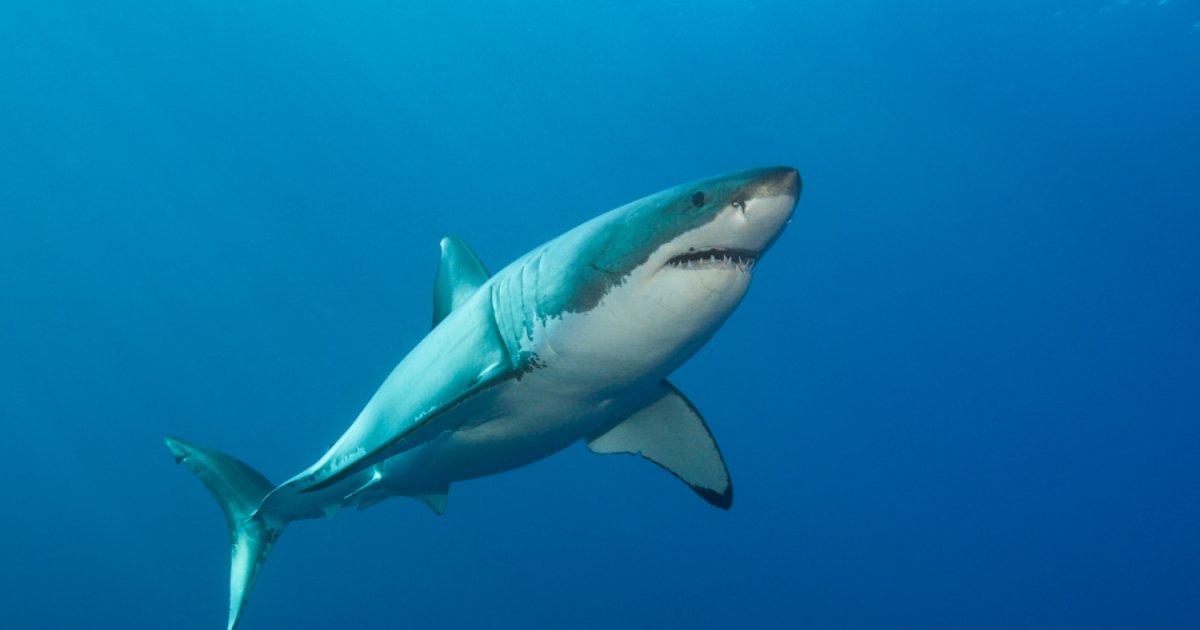
Scientists Shocked After First-Ever Shark Sounds Are Recorded In Chilling Underwater Audio
By
Khadija Pervez in
Animals
On 2nd April 2025
advertisement
Have you ever stopped to think about what a shark might sound like? And no, we’re not talking about the famous “duh-nuh, duh-nuh” soundtrack from Jaws.
Most people think of sharks as silent hunters, gliding through the ocean without making a sound. That’s why, when a marine scientist started hearing strange noises during her shark research, her first thought was that the sounds had to be coming from something else entirely.
This discovery happened while marine biologist Carolin Nieder was doing her PhD work at the University of Auckland in New Zealand, focusing her research on these ocean predators.
Her main interest was understanding how well sharks are able to hear. But what she didn’t expect at all was that the sharks might actually be making their own sounds.
That changed when she began recording rig sharks—these sharks aren’t the terrifying kind. They only grow to about three feet and three inches long and are considered much less intimidating.
They have uniquely flattened teeth and usually feed on creatures that live on the sea floor, such as crabs, instead of posing a threat to swimmers.
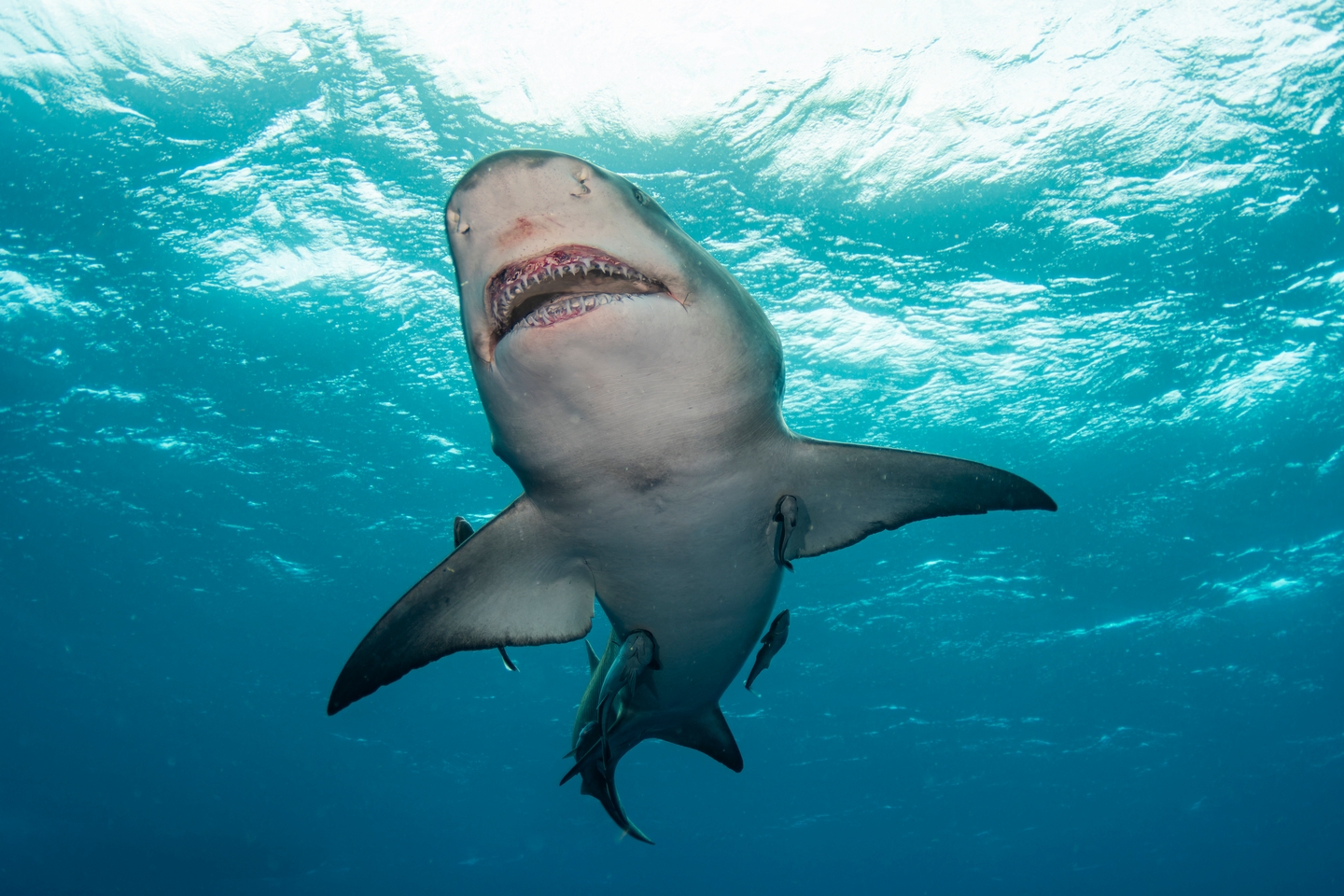
Sharks aren't traditionally known for being vocal
Getty Stock Image
advertisement
Nieder told Scientific American: "At first we had no idea what it was because sharks were not supposed to make any sounds."
"I remember coming home and just thinking more and more about how weird those sounds were."
If you're curious to hear what that sounded like, you can check out the audio clip here:
When you listen to it, what stands out right away is the clicking sound—it’s completely unexpected for a shark.
Once Nieder began suspecting that rig sharks might be the source of these sounds, she decided to put her idea to the test. She placed 10 young rig sharks into a tank, one at a time, along with underwater sound recorders to capture any noises.
That’s when she noticed something fascinating. The clicking sounds were a lot more frequent in the first 10 seconds after the sharks were picked up and placed in the tank. Compared to the 10 seconds after that, it seemed like the sharks were reacting to the sudden experience of being handled.
advertisement
According to the study, each shark produced an average of nine clicks over a 20-second period in the tank. Each click was incredibly short—only about 48 milliseconds in length.
It started to become clear to Nieder that she had made a significant discovery. She had recorded shark-made sounds for the very first time ever.
As for why these sounds are being made, Nieder explained to ABC News: "The rig is a smaller shark. It's vulnerable to predation."

Carolin Nieder was shocked by the discovery
ABC News
advertisement
"Maybe if a small shark like this gets attacked, maybe these clicks can disorient the predator for just a split second to escape."
So how are the sharks actually creating these clicking sounds? In a study that was published just last week, Nieder and her team shared their theory: "We propose that forceful snapping of flattened teeth may be the sound producing mechanism based on the plated tooth morphology and the acoustic characteristics of these clicks."
"Further behavioural studies are needed to test whether clicks are incidental to the handling or a natural acoustic response of behavioural significance."