

Did you know that fish talk? Cornell University ecologist Aaron Rice says that we always perceived that fish make odd sounds and it was believed that fish relied primarily on different means of communication, from color signals and body language to electricity to understand each other. However, recent research confirms that fish have voices too and they talk and communicate and this has been deciphered by researchers through sound recordings, and vocal accounts.
Fish Have Been Talking For 155 Million Years, And Now You Can Hear Their 'Voices'
By
Samantha in
Science and Technology
On 28th March 2022
advertisement
Earth's underwaters are surrounded by all kinds of croaks, chirps, and deep trombones just like the cacophony of sounds that fill its forest air. For example, reefs are surprisingly noisy places, and did you know that many of the noisemakers are fish?
"We've known for a long time that some fish make sounds, but fish sounds were always perceived as rare oddities,'' said Cornell University ecologist Aaron Rice.
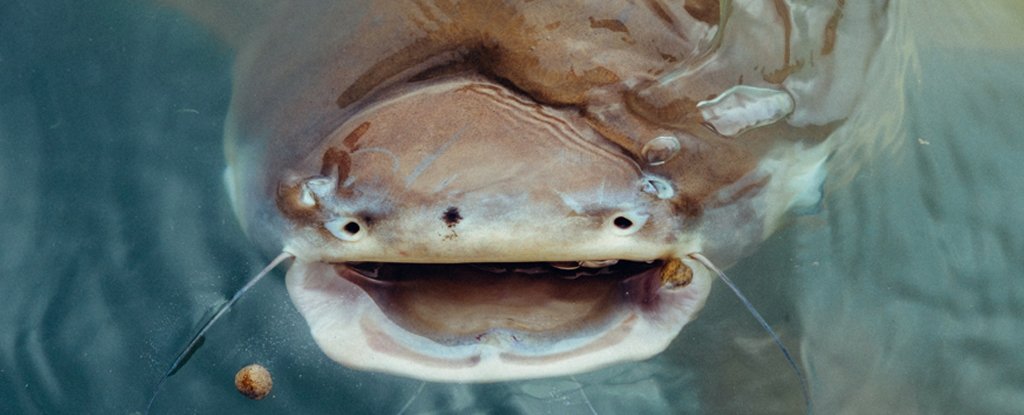
Getty Images
Earlier it was assumed that fish relied on some primary sources of communication like color signals and body language to electricity. However, recent revelations have suggested that even have dawn and dusk choruses, just like birds.
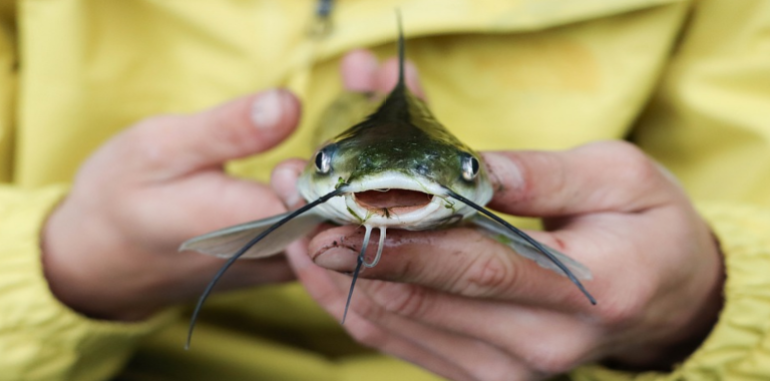
Getty Images
advertisement
"They've probably been overlooked because fishes are not easily heard or seen, and the science of underwater acoustic communication has primarily focused on whales and dolphins," said Cornell evolutionary neuroscientist Andrew Bass.
"But fishes have voices too."
And oh some even sound like magnificient foghorn.
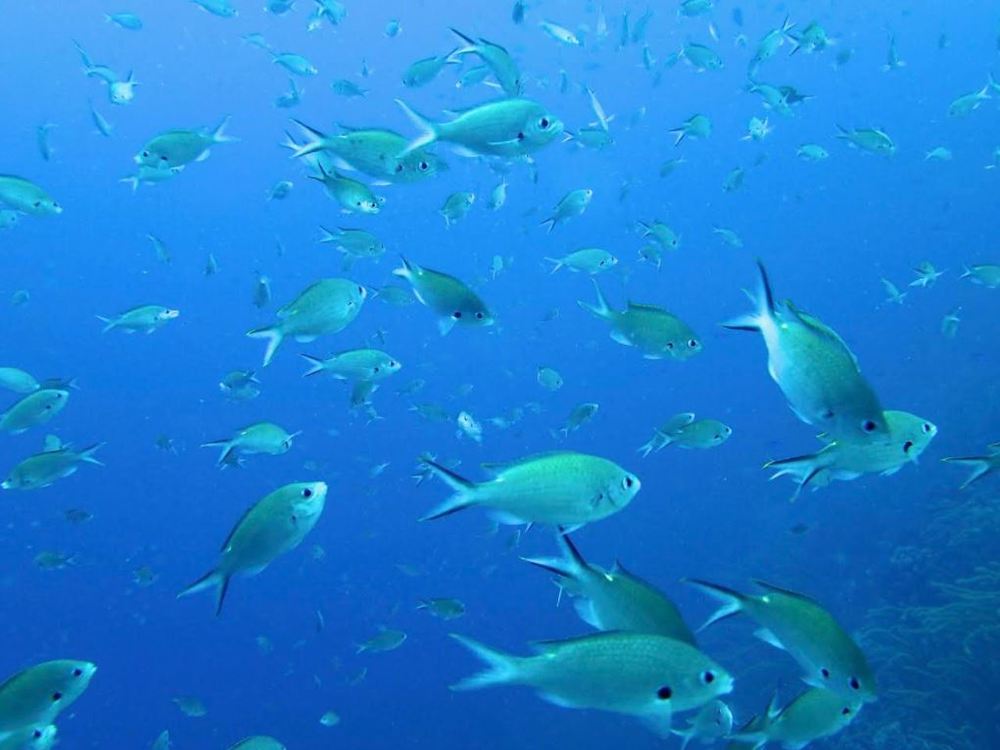
Getty Images
Scouring records of anatomical descriptions, sound recordings, and vocal accounts, Rice and colleagues identified several physiological features that allow the ray-finned (Actinopterygii) group of fishes to make these noises without vocal cords. This group contains more than 34,000 currently living species.
advertisement
"They can grind their teeth or make movement noise in the water, and we do see a number of specializations that are involved," Rice told Syfy Wire.
"Probably the most common adaptation are muscles associated with swim bladders. In fact, the swim bladder muscles of the toadfish are the fastest contracting vertebrate skeletal muscles. These are high-performing adaptations."
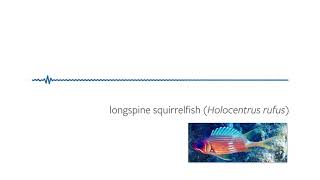
Youtube
advertisement
It is suggested that out of 175 families of fishes, two-thirds were likely to communicate with sound – much more talkative fish than the one-fifth previously estimated.
Further analysis also suggests that these vocal communications may have evolved independently at least 33 times in fishes. This shows that clearly, fish have some important things to say.
The most interesting thing is that fish speak appeared around some 155 million years ago which interestingly happens to be around the same time evidence suggests land animals with backbones first vocalized too – animals we eventually evolved from.
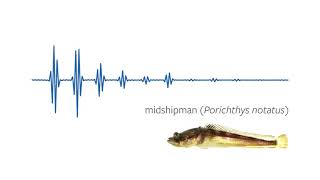
Youtube
advertisement
"Our results strongly support the hypothesis that soniferous behavior is ancient," the team wrote in their paper. "Together, these findings highlight the strong selection pressure favoring the evolution of this character across vertebrate lineages."
advertisement
Papers also suggest that some fish groups along with toadfish and catfish among the most verbose groups are chattier. However, Rice and the team caution that their analysis only shows the presence of vocalizing fish rather than the presence of absence – it may just be that we just haven't listened hard enough to hear the other groups out yet.
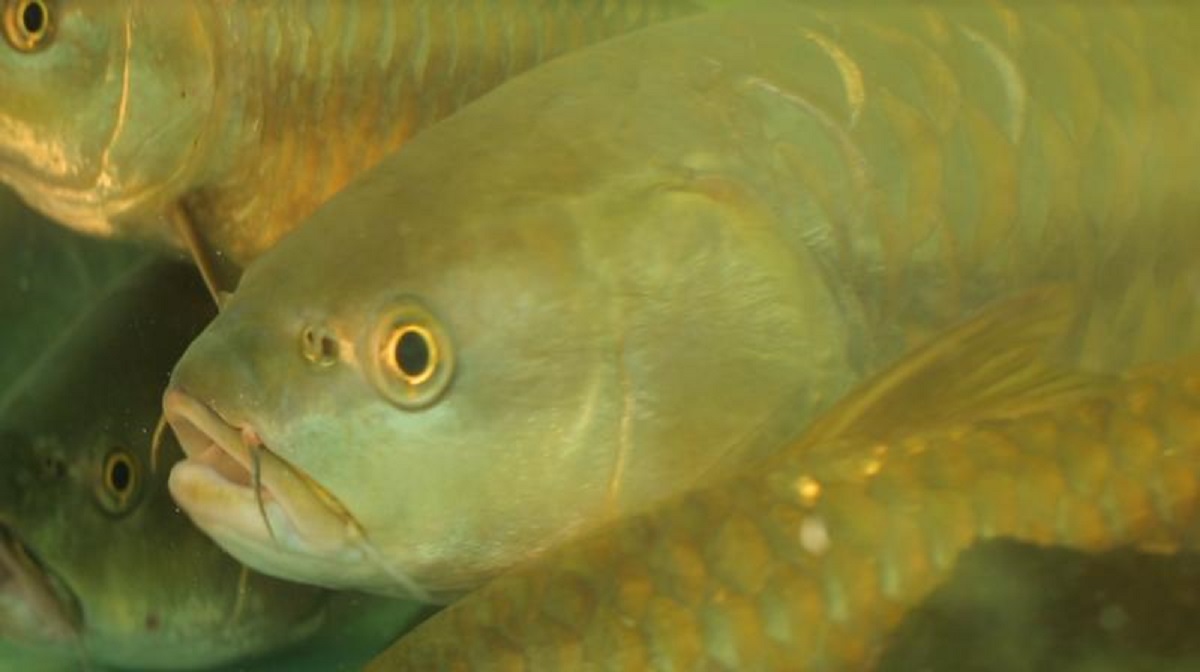
To basically sum this up, fish are probably gossiping about food, warnings of danger, social happenings (including territorial arguments), and who knows sex too.
Getty Images
advertisement
Apparently, few researchers have been trying to use fish songs underwater as siren calls to beckon fish back to rejuvenating coral reefs.
"Fish do everything. They breathe air, they fly, they eat anything and everything – at this point, nothing would surprise me about fishes and the sounds that they can make," said Rice.
This research was originally published in Ichthyology & Herpetology.

BBC News