

Despite being dragged deep underwater by the four-and-a-half-meter-long crocodile, a "lucky" fisherman nearly escaped death. He managed to free himself by sticking his fingers into the reptile's eyes.
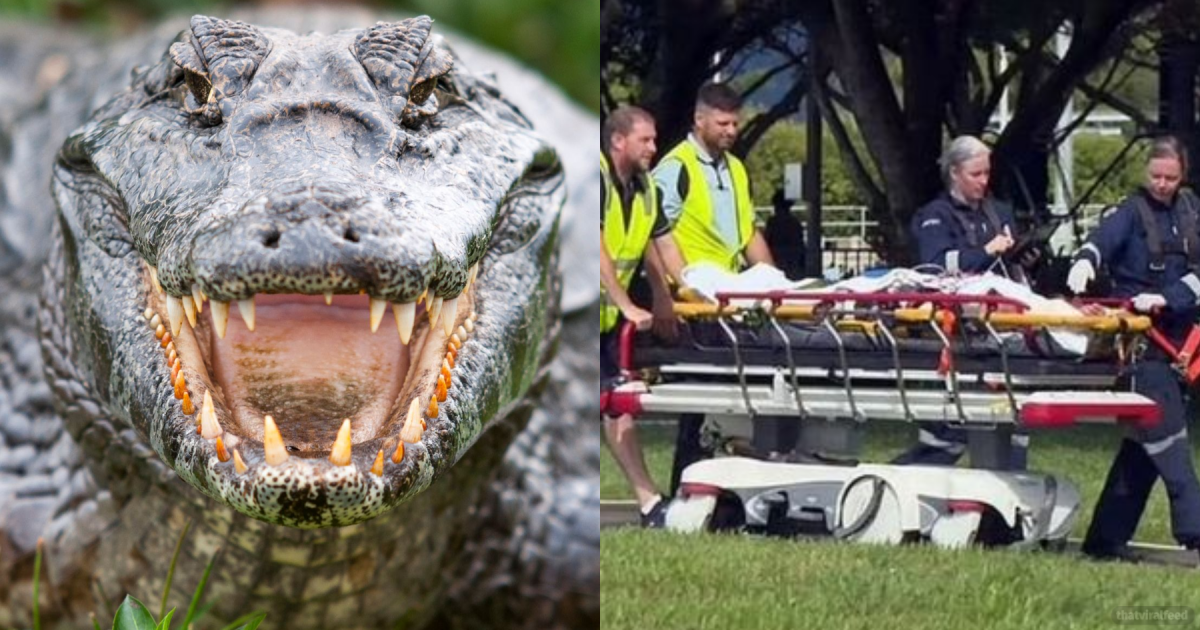
Fisherman Mauled By 15ft Crocodile Gouged Beast's Eyes To Break Free From Its Jaws
By
Haider Ali in
Real Life
On 10th April 2023
advertisement
Getty Images
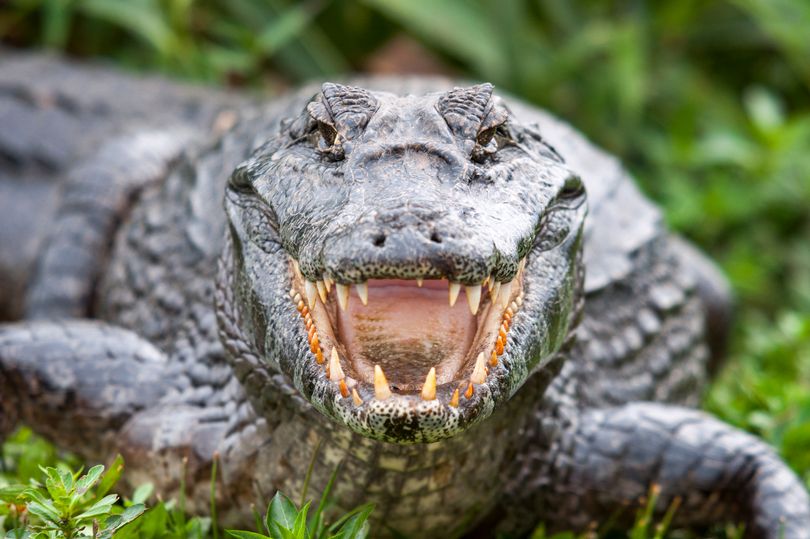
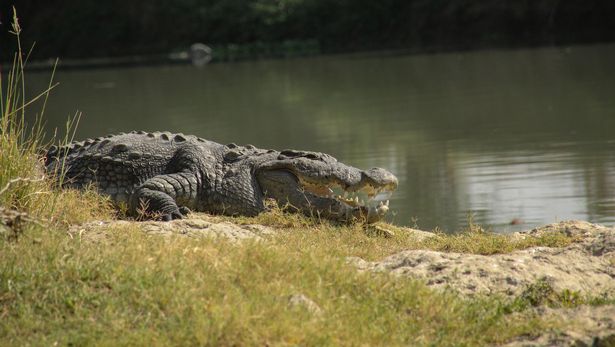
A 15-foot crocodile bit a fisherman on the head, but he managed to survive by sticking his fingers into its eyes.
The creature bit the 44-year-old man three times, leaving him with severe damage to his head, abdomen, and leg in addition to several fractures.
He is lucky to be alive.
advertisement
Getty Images
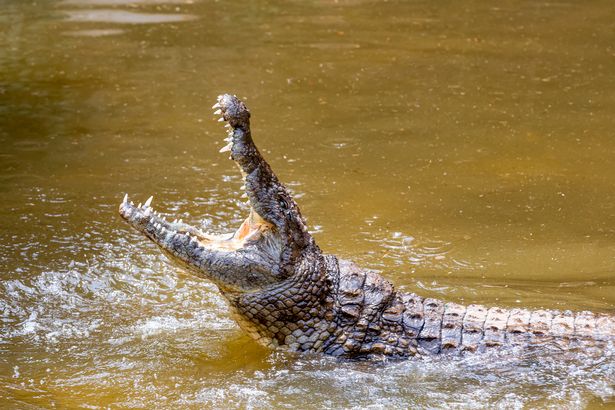
On a Saturday afternoon, the man was swimming at Archer Point, a well-liked campsite on the Cape York Peninsula in Queensland, about 20 kilometers south of Cooktown.
The beast pulled the victim well below the surface of the water, but he managed to free himself and swim to rocks before rescue crews arrived.
A group of six persons who were swimming with him provided medical assistance.
advertisement
(Image: Nine)
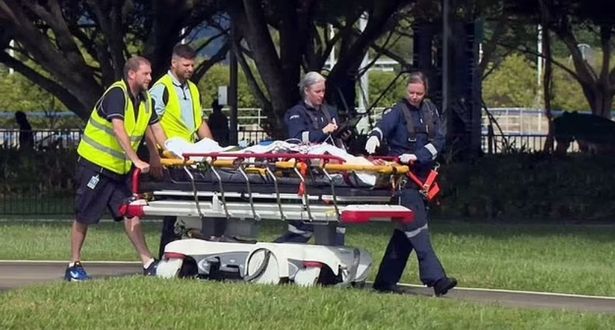
The injured man was treated by emergency personnel, and they then carried him to a hospital in Cairns.
advertisement
According to Queensland Ambulance Service's Valerie Noble, who confirmed this to the media: "(The croc) has bitten him three times and dragged him to the bottom.”
"He's managed to - according to him - stick his fingers in the crocodile's eyes multiple times and escape before swimming towards the shore.”
advertisement
Getty Images
"'He's an extremely lucky man, not many people would live to tell a story like that."
advertisement
Following the deadly occurrence, the 44-year-old male is stated to be in stable condition.
According to the Queensland Department of Environment and Science, they will look into the attack and determine whether the crocodile is still in the region.
advertisement
The following report was released a few days after a 65-year-old man was attacked by a crocodile while sleeping on April 4 at Newell Beach in Port Douglas.
The individual was treated for a minor leg injury and discharged the following day.
advertisement
Between 2020 and March 2023 in Queensland, Australia, there were eight crocodile attacks, according to the Queensland Department of Environment and Science (DES).
These attacks had placed all throughout, including on beaches, in rivers, and in creeks, emphasizing the possible risk posed by crocodiles nearby.
advertisement
The Queensland government is urging people to be "croc wise," which refers to understanding the dangers of residing in or enjoying recreation in crocodile habitats, in order to combat this problem.
This entails avoiding known crocodile habitats, exercising caution near waterways, and adhering to any warnings or notices issued by local authorities.
advertisement
People should take the required precautions when in places where crocodiles are known to live because crocodile attacks can be harmful and even fatal.
One strategy to help stop such attacks and guarantee the security of both people and crocodiles is to become "croc wise."