


Your daily cup of coffee may be doing more for you than providing that early-morning pick-me-up. The health impact of coffee has long been a controversial topic, with advocates touting its antioxidant activity and brain-boosting ability, and detractors detailing downsides such as insomnia, indigestion and an increased heart rate and blood pressure. But the latest wave of scientific evidence brings a wealth of good news for coffee lovers
advertisement
#1
A cup of coffee in the morning may pack more than just an energy boost.
More and more research is emerging to suggest that there may be several health benefits associated with drinking this dark black beverage, from helping prevent diabetes to lowering the risk of liver disease.
The consumption of coffee goes back centuries.
In 17th century England the popularity of the drink gave rise to a number of coffee houses which were dubbed 'penny universities', because with one penny a person could buy a cup of coffee and have intellectually stimulating conversations with other people.

Nowadays, with over 400 billion cups consumed every year, coffee is one of the world's most popular drinks. But what makes it special?
bellow are 5 ways which coffee special
#2 Coffee protects the nervous system.
In addition to keeping us alert, regular coffee consumption reduces the risk of stroke, depression, dementia, and Parkinson’s disease. When people with mild cognitive impairment (loss of memory and other mental functions less severe than outright dementia) drank three to five (8-ounce) cups a day, they reduced their risk of progressing to actual dementia.
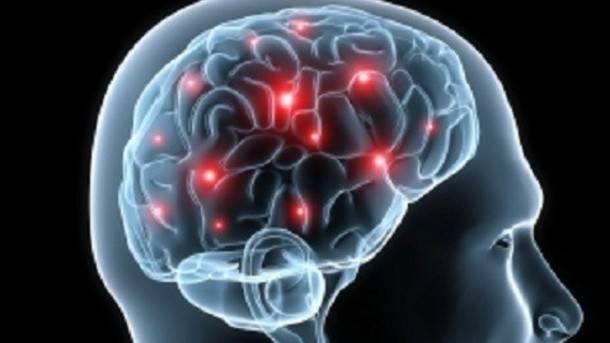
Research shows that people older than 65 can reduce their chances of developing Alzheimer’s disease if they drink about three cups of coffee a day. In particular, those who have less than 1,200 ng/ml of caffeine levels in their blood are more likely to progress to dementia. The stimulant works by suppressing certain enzymes that produce an abnormal human protein found in the brains of people with Alzheimer’s.
advertisement
#3 Coffee drinkers tend to live longer than non-coffee drinkers.
A large study conducted by the National Institutes of Health and AARP found that coffee is associated with lower risk of death. Men who drank two to three cups daily were 10 percent less likely to die over the course of the study; for female coffee drinkers, it was 13 percent. Even better news for caffiends—study participants who drank six or more cups of coffee per day were 10 or 15 percent less likely to die over those who abstained completely.

#4 Coffee is One of the best source of Antioxidants.
According to a study by researchers at the University of Scranton, coffee is the number one source for antioxidants in the United States. It easily surpasses all other sources, such as cranberries, chocolate, and tea. Antioxidants are an extremely important component of a diet because they work to fight off many diseases, including cancer and cardiovascular disease.

advertisement
#5 Muscle preservation
In an animal study, sports scientists at Coventry University found that caffeine helped offset the loss of muscle strength that occurs with aging. The protective effects were seen in both the diaphragm, the primary muscle used for breathing, as well as skeletal muscle. The results indicate that in moderation, caffeine may help preserve overall fitness and reduce the risk of age-related injuries.

The research found that compared to consuming carbohydrates alone, a caffeine/carb combo resulted in a 66 percent increase in muscle glycogen four hours after intense, glycogen-depleting exercise. Glycogen, the form of carbohydrate that gets stockpiled in muscle, serves as a vital energy “piggy bank” during exercise, to power strength moves, and fuel endurance. Packing a greater reserve means that the very next time you work out, you’ve upped your ability to exercise harder and/or longer.
advertisement
#6 Your liver loves coffee.
It’s true: In addition to lowering the risk of liver cancer, coffee consumption has been linked to a lower incidence of cirrhosis, especially alcoholic cirrhosis. A study in the Archives of Internal Medicine demonstrated an inverse correlation between increased coffee consumption and a decreased risk of cirrhosis — a 20-percent reduction for each cup consumed (up to four cups).
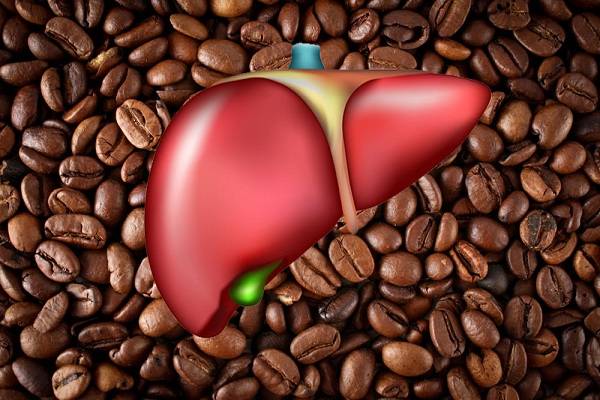
How it works: Scientists found an inverse relationship between coffee drinking and blood levels of liver enzymes. Elevated levels of liver enzymes typically reflect inflammation and damage to the liver. The more coffee subjects drank, the lower their levels of enzymes.