

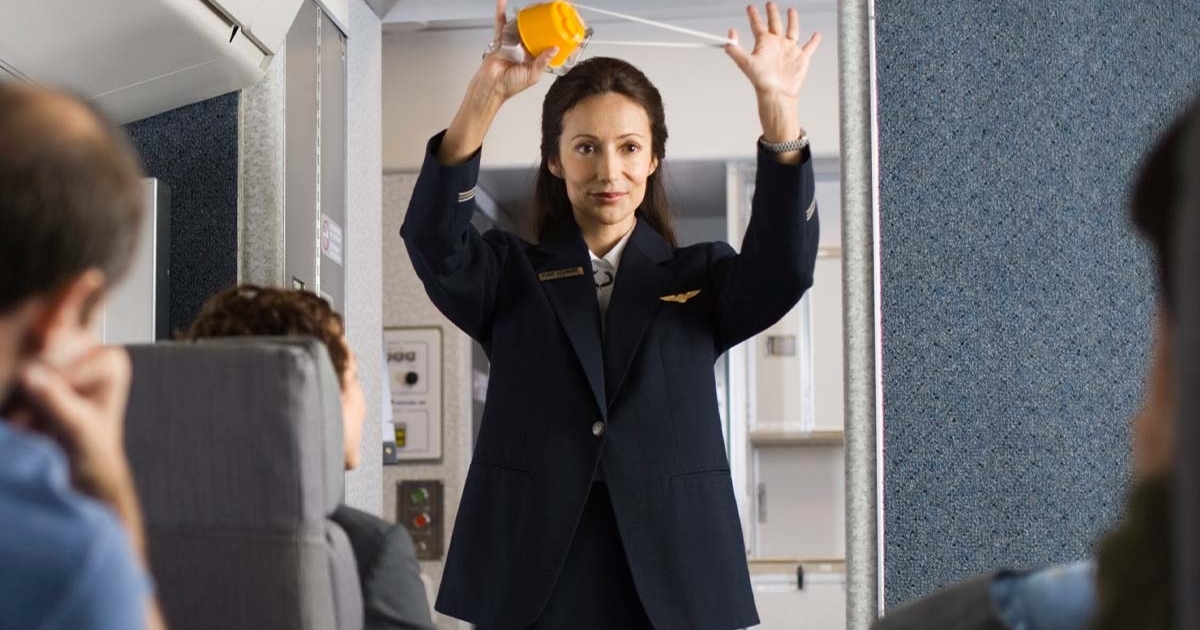
Cabin crew use short codes and low-key phrases to share important information without alarming passengers during a flight.
advertisement
Most passengers expect to hear the usual announcements when they fly, especially during the busy summer travel season. Seatbelt reminders, safety demos, turbulence updates, and arrival times are all part of the normal routine.
But not every message on a plane is meant for everyone to fully understand. Cabin crew often use short codes, casual phrases, and quiet wording to pass information to each other without causing panic in the cabin.
Some of those phrases are harmless, some are a little cheeky, and a few can point to something much more serious. Now, a flight attendant has explained which codes passengers may hear on board and why one three-letter term can matter in an emergency.
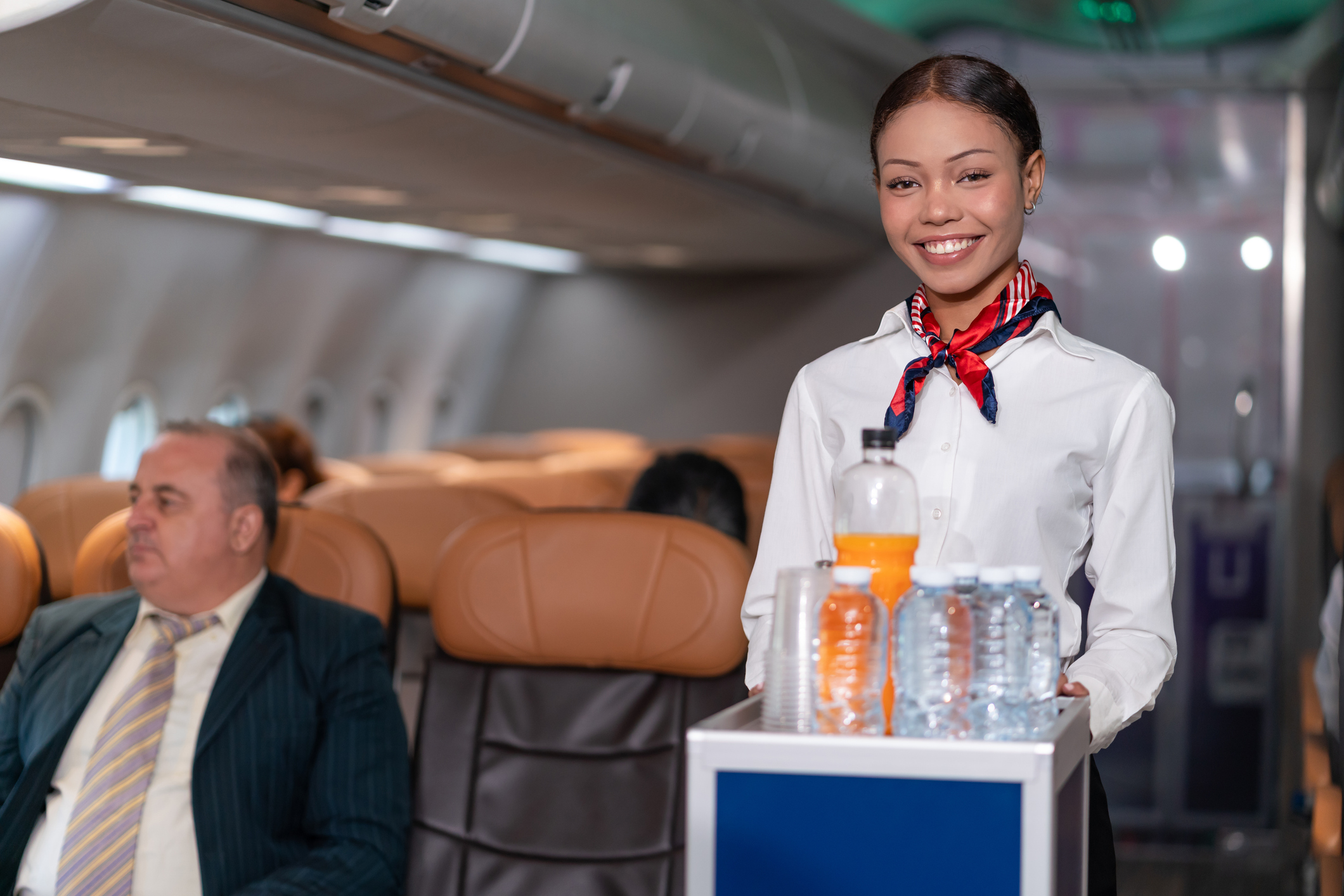
Fligth attendants discreetly communicate with subtle codes
Verin Makcharoen / Getty Images
One of the codes passengers would probably rather not hear is ABP. It does not mean an emergency has definitely happened, but it can mean the crew are thinking ahead in case they need help.
ABP stands for Able Bodied Passengers, an anonymous Qatar Airways flight attendant told MSN. It is a way for crew to identify passengers who may be able to assist if a serious situation unfolds on board.
Flight attendants may quietly look out for strong, calm, and capable passengers during boarding. If ABP is mentioned during a flight, it can suggest the crew are preparing for the possibility that extra support may soon be needed.
advertisement
Why Crew Use Codes Instead Of Plain Language
Planes are controlled spaces, so wording matters. If crew need to talk about a possible emergency, a medical issue, or a difficult passenger, using a code can help them stay calm and organized without alarming everyone around them.
Some aviation codes are used inside the cabin, while others are sent from the cockpit to air traffic control. For example, transponder codes are numbers pilots can enter so controllers know what kind of situation the aircraft may be facing.
According to FAA guidance, 7700 is used for an emergency when a pilot declares one and the aircraft is not already radar identified. That is different from cabin shorthand like ABP, but both show why aviation relies on quick signals when time and clarity matter.
Not every code is about danger, though. Some are more like private crew commentary, and a few are far less serious than they may sound at first.
According to The Sun, one phrase that may come up is BOB, which can mean Babe on board or best on board. In other words, it may mean a passenger has caught a flight attendant’s eye.
There is also said to be a small difference in how some crew say goodbye. If you hear cheerio instead of a more basic goodbye as you leave the plane, it may mean they would be happy to welcome you back for another flight.
advertisement
Of course, not every nickname used behind the scenes is flattering.
Some passengers make a flight harder than it needs to be, and crew may have their own quiet ways of describing that behavior without saying it openly in the aisle.
One of those labels is Philip, which is apparently not a name any traveler should want attached to them during a trip.
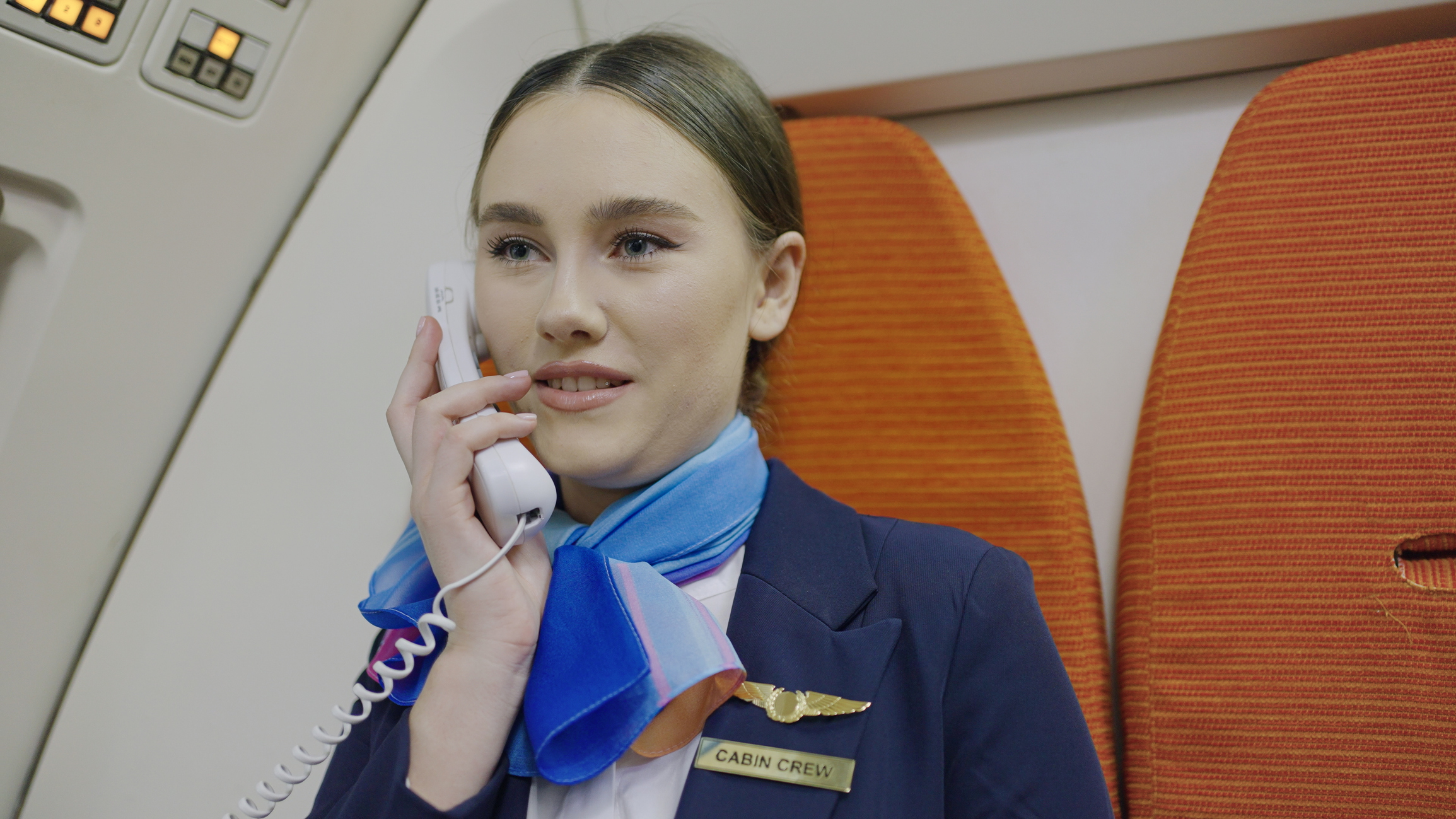
Sometimes the messages may refer to passengers, but others could indicate a situation on board
Getty Stock images
advertisement
"If you're labelled a 'Philip,' then you've done something wrong and should probably expect to get bad service for the rest of the flight," one flight attendant told the publication.
"That name originated from the term PILP – Passenger I'd Like to Punch – but has changed over time to become slightly more subtle."
The meaning is not exactly subtle once you know where it came from. Still, the softer version lets crew speak about a difficult passenger without making the situation more awkward or obvious to everyone nearby.
advertisement
Other codes are used for events that are much more serious than an annoying passenger or an in-flight crush. Some terms can point to a medical emergency, a death on board, or a possible security threat.
Code 300 and Angel, for example, are said to mean that a passenger has died during a flight. These phrases allow crew to communicate the situation while keeping the cabin as calm and respectful as possible.
Codes such as Squawk 7500 or Hotel are reportedly linked to a possible hijacking. "If you ever hear this code mentioned by the flight crew or air traffic control, it signals a potential security threat on the flight," the experts warn.
advertisement
"The aircraft's transponder will send a signal with this code to alert authorities that the plane is in danger."
For passengers, the main thing to remember is that hearing one of these words does not always mean immediate danger. Crew are trained to plan ahead, speak clearly with each other, and avoid creating panic when a situation can still be managed quietly.
So while some codes are just airline gossip, others exist because crews need a fast way to share key information. If you ever hear one on a plane, the best thing you can do is stay calm, follow instructions, and let the professionals handle the situation.