Food Facts They Should’ve Taught Us In School
By
Editorial Staff in
Facts
On 9th June 2017
As kids, our parents told us a lot about food to help us grow into healthy adults. They told us things like how we shouldn’t eat the seeds of watermelon or we’ll grow watermelon in our tummies. But what’s really true?
If it’s not our parents telling us things, it’s advertisers trying to sell us on things that are “healthier” but in reality are just more expensive. So who do we trust to tell us the truth? Everyone seems to have different motives.
Well, we might not have all the answers for you but we definitely could think of a few food facts that they should have taught us in school. Here are some food facts that you probably never really new about before!
#1 Myth: You shouldn’t eat after 7 pm.
The idea that you shouldn’t eat later in the evening is a pretty pervasive nutrition myth.
Marci Evans, MS, RD, Nutrition Therapist, debunks this when she explains; “Our metabolism keeps running 24 hours a day, 7 days a week, 365 days a year. Arbitrary rules (like telling yourself when to stop eating) create fear and a sense that you cannot be trusted with food. Consistently fueling your body every few hours-and especially when hungry-will allow you to feel your best and keep you from needing rules like this one! So when your tummy grumbles before heading to bed, eat some cheese and crackers then rest easy.”
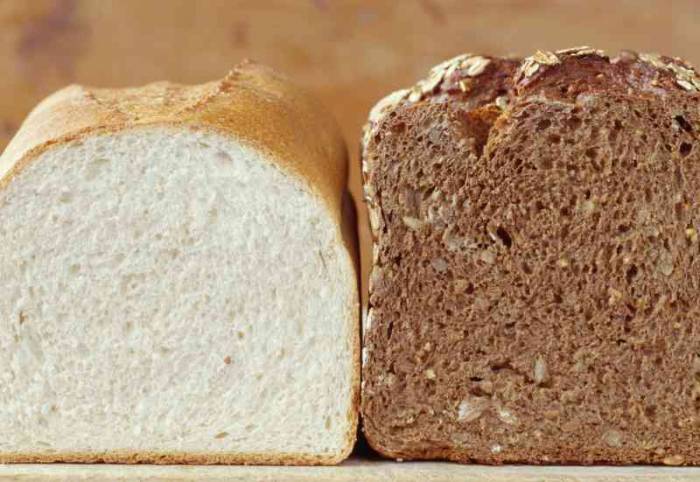
#2 Myth: Dark bread is always better than white
The truth: A dark bread might just have caramel coloring but be no better than white bread, University of Scranton psychology professor Michael Oakes, PhD, says. Look for the words “whole grain” or “100 percent whole wheat” on the package: that means the bread is made from unrefined wheat, which has more than double the fiber and is also higher in selenium, potassium, and magnesium.
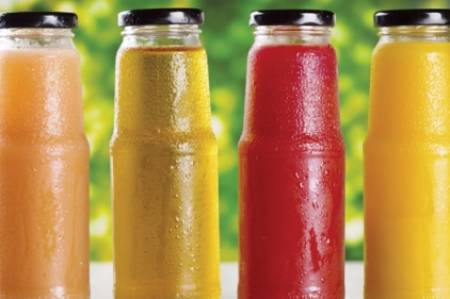
#3 Myth: Juices are good for your health.
Artificially flavored juice is probably not the best thing to drink. Freshly squeezed juice is much healthier. But too much of anything is never good. That’s why even with fresh, natural juices, you should only drink 3 glasses a day.
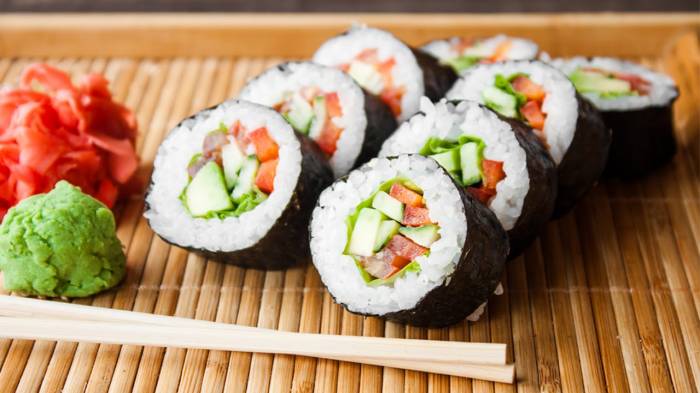
#4 Myth: Sushi is the best food for dieting.
People who are dieting turn to sushi as a diet favorite. The veggies and brown rice are way better than burgers and fries. But we hate to break it to you. The mayonnaise, soy sauce and any other sauces that they put into sushi are pretty fattening and can actually make you gain a lot more weight than you think!
#5 Myth: Chocolates/cookies are bad for your health.
We’ve all seen those “foods you should avoid at all costs” lists floating around the Internet. Desserts like chocolates or cookies are often considered to be “off-limits” by dieters or people who want to be “healthy.” However, the idea that you have to avoid desserts and sweets to be “healthy” is another pervasive myth.
Josée Sovinsky, a Registered Non-Diet Dietitian explains, “There is no single food that will improve or worsen your health (unless were talking rotten foods - definitely stay away from that). All foods provide a different nutrient profile and serve a different purpose. There are foods which feed the body, and some which feed the soul-and many which feed both!”
Further, mental health is an important part of one’s overall health. I think we can all agree that being terrified to eat a cookie is not mentally healthy. Rather then focusing on extremes and “food rules,” aim for balance, variety, and flexibility.
#6 Myth: Starving yourself will make you lose weight.
As much as you want to believe, starving yourself will not make you lose any weight. Actually, eating 5-6 small meals a day will make you lose weight.
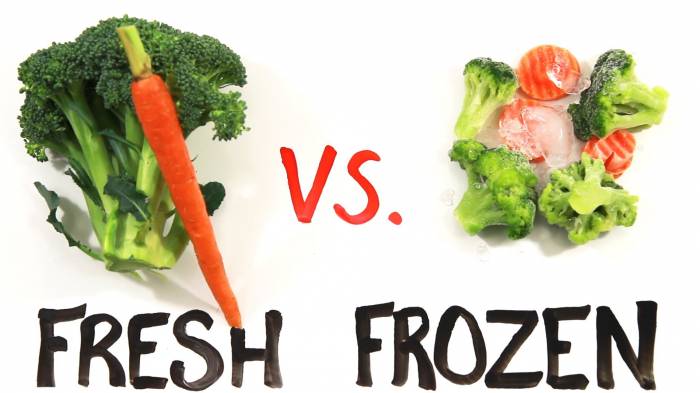
#7 Myth: Fresh Produce Is Better Than Canned/Frozen
When trying to figure out whether your dinner will send you to an early grave, usually you can put everything on your plate on a spectrum from "processed junk" to "canned or frozen fruits and vegetables" all the way up to the holy grail: fresh produce, eaten the way nature intended. This is why all the healthy people have piles of leaves sticking out of their carts -- even when getting their veggies, they don't want to eat a bunch of freezer-burned bullshit.
But Actually ...
Unless you live in an area with a ton of farms, your produce probably came from a place that's far, far away. From the moment that broccoli was plucked from the earth, it's been slowly decaying and losing its nutrients during its long journey to the grocery shelf. And it's not like it went directly from a produce truck to the vegetable showroom. No, it got tossed into a refrigerated storage room for a bit, then hung out in the produce section for a while hoping to get selected (this is on top of however long you leave it in your fridge at home after you buy it). If you do somehow manage to eat at least most of it before it rots, you're probably in the minority, which is part of the reason America has a huge problem with food waste.
That's why when it comes to nutrition, frozen produce will probably always be better than fresh. It's flash frozen right after it's picked, so it loses fewer nutrients between being harvested and landing on your plate. The same goes for some canned foods. For instance, canned tomatoes are higher in the cancer-fighting antioxidant lycopene than their naked brethren, due to how they're preserved.
Plus, frozen or canned food often allows you to buy higher-quality produce that was picked in-season at a better price than if it were fresh. But sure, go ahead and enjoy that sad off-white tomato from Trader Joe's in February.
#8 Myth: Everyone Should Drink 64 Ounces or 8 Glasses of Water Every Day
This myth is a holdover from a poor attempt by a number of doctors who wanted to wage an ill-researched campaign against sodas and sugary drinks. Their hearts were in the right place, but the fact of the matter is that there’s no uniform rule for how much water a person should drink in a given day. Alannah DiBona explains, “Water’s been touted as the cure for all sins, and in some ways, it’s true—proper hydration is necessary for just about anything body and mind-related. However, sixty-four ounces per day isn’t going to always be the right number for you.”
My old nutritionist explained to me that I should try to drink my body weight in ounces of water, divided in half. She noted that’s a good guideline for most people, but also noted that it’s a goal—not a rule. When I asked her whether there would be real health benefits from it, she explained that it’s not going to make my body work better or somehow stave off disease magically, but it will give me energy, prevent dehydration, get me up away from my desk and walking to the water fountain, and she pointed out that often our bodies interpret thirst signals as hunger. It’s anecdotal, but I have to admit that drinking more water made me feel better by leaps and bounds.
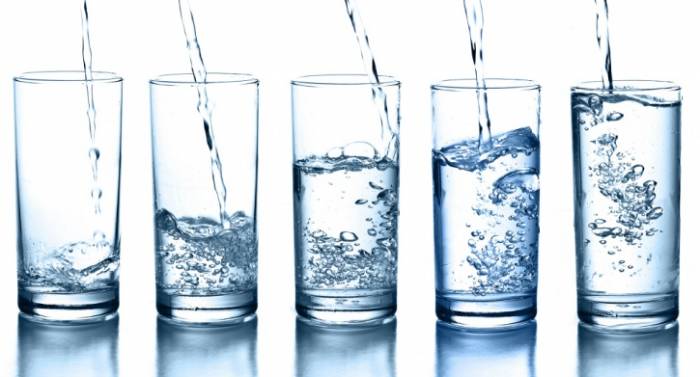
While it’s important to hydrate, it’s not important to stick to an arbitrary rule defining how you hydrate, or how much you drink, or even where you get it, although water is obviously the best source of, well, water. “Nutrition is an individual science, and there will be days when your body and mind require less than the average recommendation,” DiBona explains. “Remember that water is available to you through all liquids, fruits, and vegetables, and that the mark of proper hydration is very light yellow-colored urine.”
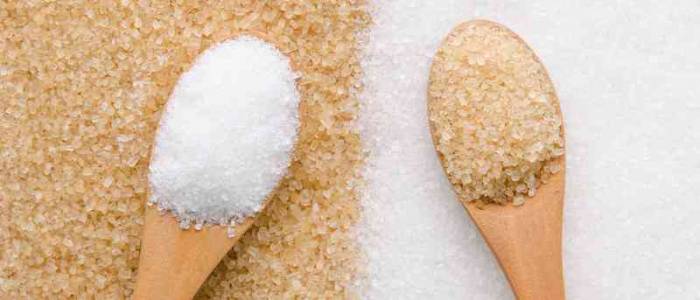
#9 Myth: Brown sugar is healthy.
This whole time we’ve been told that brown sugar is much healthier for you than white sugar. But in reality, both sugars are equally bad for you. Find other sweeteners!
#10 Myth: Always eat Dairy on an empty stomach.
When you’re starving and have to choose between yogurt or eggs, we suggest choosing eggs. Dairy products can seriously upset your stomach, especially when it’s empty.
#11 Myth: Salt Should be Restricted in Order to Lower Blood Pressure and Reduce Heart Attacks and Strokes
The salt myth is still alive and kicking, even though there has never been any good scientific support for it.
Although lowering salt can reduce blood pressure by 1-5 mm/Hg on average, it doesn’t have any effect on heart attacks, strokes or death.
Of course, if you have a medical condition like salt-sensitive hypertension then you may be an exception.
But the public health advice that everyone should lower their salt intake (and have to eat boring, tasteless food) is not based on evidence.
Bottom Line: Despite modestly lowering blood pressure, reducing salt/sodium does not reduce the risk of heart attacks, strokes or death.
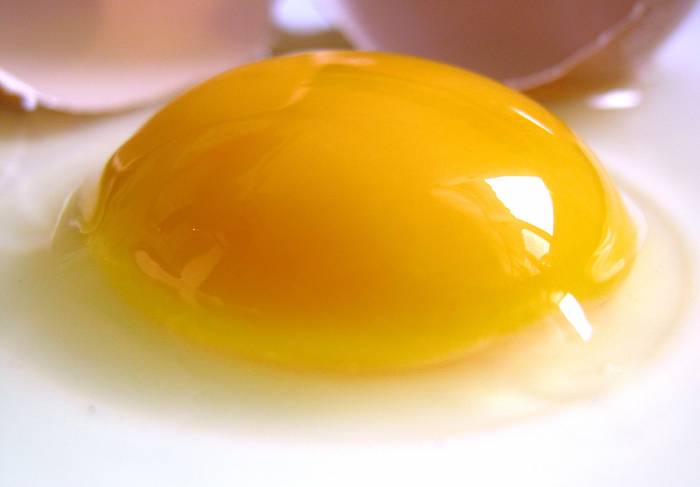
#12 Myth: Egg Yolks Should be Avoided Because They Are High in Cholesterol, Which Drives Heart Disease
We’ve been advised to cut back on whole eggs because the yolks are high in cholesterol.
However, cholesterol in the diet has remarkably little effect on cholesterol in the blood, at least for the majority of people.
Studies have shown that eggs raise the “good” choleserol and don’t raise risk of heart disease.
One review of 17 studies with a total of 263,938 participants showed that eating eggs had no effect on the risk of heart disease or stroke in non-diabetic individuals.
However… keep in mind that some studies have found an increased heart attack risk in diabetics who eat eggs.
Whole eggs really are among the most nutritious foods on the planet and almost all the nutrients are found in the yolks.
Telling people to throw the yolks away may just be the most ridiculous advice in the history of nutrition.
Bottom Line: Despite eggs being high in cholesterol, they do not raise blood cholesterol or increase heart disease risk for the majority of people.
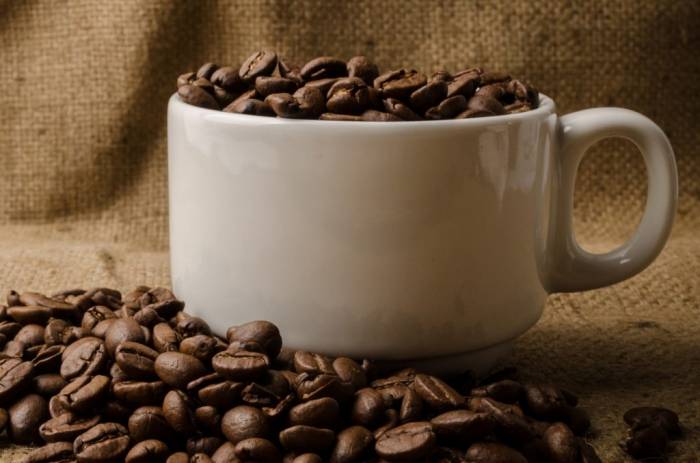
#13 Myth: Coffee is Unhealthy and Should be Avoided
Coffee has long been considered unhealthy, mainly because of the caffeine. However, most of the studies actually show that coffee has powerful health benefits.
This may be due to the fact that coffee is the biggest source of antioxidants in the Western diet, outranking both fruits and vegetables… combined.
Coffee drinkers have a much lower risk of depression, type 2 diabetes, Alzheimer’s, Parkinson’s… and some studies even show that they live longer than people who don’t drink coffee.
Bottom Line: Despite being perceived as unhealthy, coffee is actually loaded with antioxidants. Numerous studies show that coffee drinkers live longer and have a lower risk of many serious diseases.
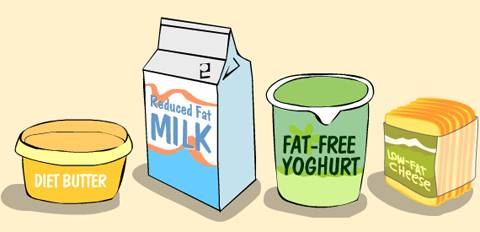
#14 Myth: Low Fat Foods Are Always Better For You
Alannah DiBona, a Boston based nutritionist and wellness counselor made this her number one food myth. She said:
“Without fat, the human body is unable to absorb a large percentage of the nutrients needed to survive. Additionally, fat deprivation prevents messages from being passed between neurotransmitters, resulting in all kinds of neural misfiring in the body! While good fats and bad fats do exist, the right fats in the proper amounts can actually aid in weight loss and cholesterol management.”
The high-fat/low-fat food myth is one that’s been around for a long, long time. Ultimately, it’s more important to flip over the food you’re about to buy and read the label, see what kinds of fats are in it, and then make an educated decision instead of immediately reaching for the low-fat version of whatever it is you’re planning to buy, thinking it’ll be healthier. In fact, many products that are “low-fat” are low in good fats as opposed to the bad ones, or substitute in other ingredients like sugars and sodium that you don’t want more of in your diet.
Seattle-based Registered Dietitian Andy Bellatti also called out this particular myth. He said, “A good intake of healthful fats is beneficial for cardiovascular health. Prioritize monounsaturated fats (avocados, olives, pecans, almonds, peanuts) and omega-3 fatty acids (hemp seeds, chia seeds, sea vegetables, wild salmon). Virgin coconut oil and dark chocolate (80% cocoa or higher) also offer healthful fatty acids. Many low-fat diets are high in sugar and refined carbohydrates (i.e.: white flour), which are increasingly becoming linked to increased rates of heart disease.”
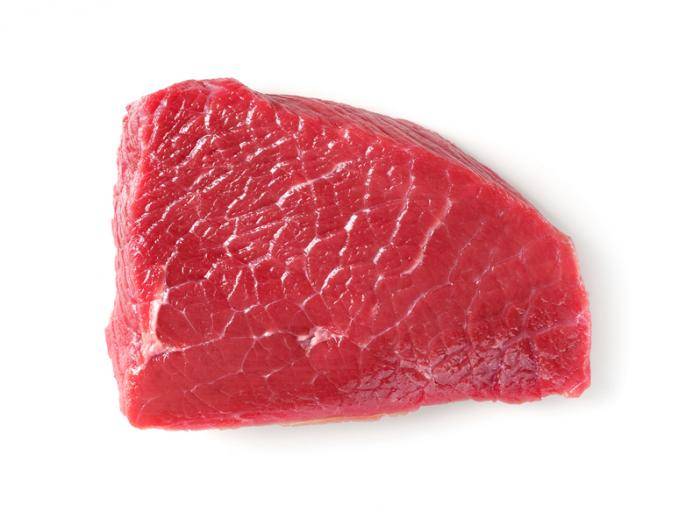
#15 Myth: Red Meat Consumption Raises The Risk of All Sorts of Diseases… Including Heart Disease, Type 2 Diabetes and Cancer
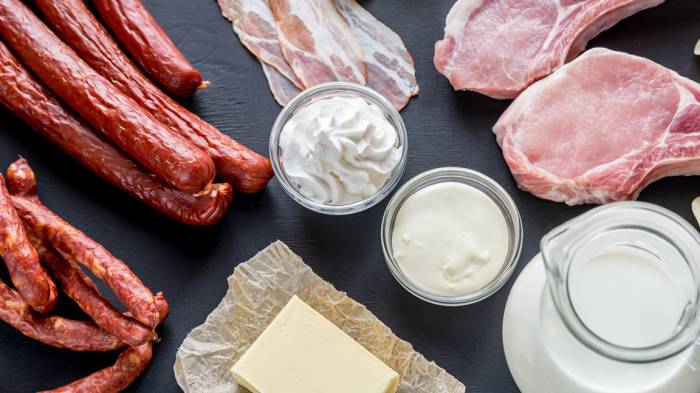
We are constantly warned about the “dangers” of eating red meat.
It is true that some studies have shown negative effects, but they were usually lumping processed and unprocessed meat together.
The largest studies (one with over 1 million people, the other with over 400 thousand) show that unprocessed red meat is not linked to increased heart disease or type 2 diabetes.
Two review studies have also shown that the link to cancer is not as strong as some people would have you believe. The association is weak in men and nonexistent in women
So… don’t be afraid of eating meat. Just make sure to eat unprocessed meat and don’t overcook it, because eating too much burnt meat may be harmful.
Bottom Line: It is a myth that eating unprocessed red meat raises the risk of heart disease and diabetes. The cancer link is also exaggerated, the largest studies find only a weak effect in men and no effect in women.
#16 Myth: Saturated Fats are Always Bad for You
In the 1960s, doctors began to promote low-fat diets as nutritionally superior and associated with better health (La Berge, 2008). Then, in the 1990s and 2000s, the “all fats are bad” conventional wisdom shifted, with scientists recognizing that polyunsaturated and monounsaturated fats -- the so-called “healthy fats” -- are actually associated with greater heart health. Another shift has occurred more recently.
Although saturated fats have always been firmly in the “bad” camp, new research shows that not all saturated fats are created equal. In particular, a diet high in stearic acid appears to lower levels of unhealthy LDL cholesterol, increase healthy HDL cholesterol, and decrease overall plasma cholesterol (Bonanome et al., 1988). Coconut oil and cocoa butter are both dietary sources of stearic acid.
#17 Myth: Organic Foods Contain More Nutrients Than Their Conventional Counterparts
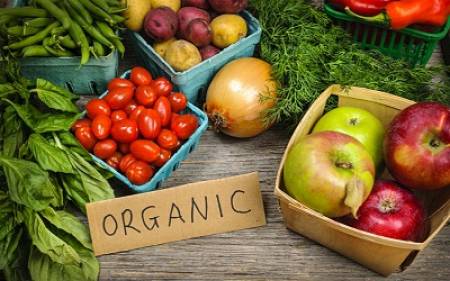
There are a lot of misconceptions surrounding the organic label you see on foods at the supermarket. The term “organic” is regulated by the U.S. Department of Agriculture. Legally, foods labeled “organic” must be grown without synthetic fertilizers, pesticides, antibiotics, or growth hormones (U.S. Department of Agriculture, 2016). Organic farmers also often follow production practices that are less harmful to the environment and to animal welfare.
However, many people believe that organic products are inherently more nutritious or healthier than their conventional alternatives. Large scale studies of this topic has shown that it is not true (Dangour et al., 2009). There is no difference in the amount or quality of the nutrients found in conventional foods versus their organic counterparts.
#18 Myth: Skipping Breakfast is a Good Way to Cut Calories and Lose Weight Faster
Creating a deficit between the number of calories you consume and the number of calories your body burns is the only way to lose weight. With this in mind, some people rationalize that skipping a meal -- usually breakfast -- is a good way to cut excess calories. Although breakfast does deliver calories to your body, it also boosts your metabolism, and eating a meal in the morning is associated with weight loss success (Wyatt et al., 2002).