It’s really no wonder that most of us love to eat. Eating is a fabulous multisensory experience. But if your child has sensory processing disorder, meal time can be anything but fun.
Food Issues & Sensory Processing Disorder
By
Editorial Staff in
Health and Fitness
On 2nd February 2016
advertisement
What Is Sensory Processing Disorder?
Sensory Processing Disorder or SPD is a neurological condition that makes it difficult for a person to interpret and manage a variety of different sensory stimuli. All five senses may be affected as well as sensory information from within the body. This disorder used to be known as "Sensory Integration Dysfunction".

Individuals with this disorder
have difficulty processing information in order to accurately respond to their environment and make sense of their world. A severe functional deficit results from a person's inability to properly evaluate sensory inputs received by the brain. Often, persons with SPD are described as "hyper-sensitive". Inconsistent and inaccurate neuro-transmission of brain signals interferes in the process of communicating data between the senses and the brain. This stressful condition overwhelms the brain as it attempts to organize and process sensory information.

advertisement
SPD is a real disorder
as opposed to a behavioral condition. Affected persons appear genuinely distressed and upset when faced with complex sensory stimuli, and day-to-day functioning is greatly impacted. Although there are individual variations in severity, this is a challenging disorder which makes it very difficult for sufferers to live a normal life.

When a person’s ability to tolerate certain foods is affected
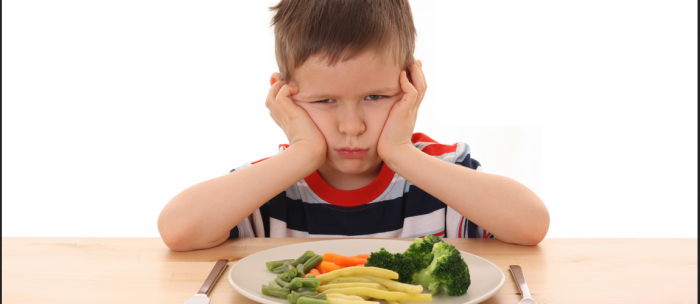
SPD produces symptoms that are similar to certain eating disorders such as anorexia nervosa or bulimia. Long drawn-out mealtimes and a very small appetite lead to poor nutrition and significant weight loss. This goes way beyond being a picky-eater. A severe dislike of certain food types can occur as the brain struggles to incorporate sensory messages regarding taste, sight, smell, and texture of the food itself. Lack of sensory regulation may present as avoidance around certain vital foods and nutrients. Sensitive and responsive treatment and support is required, as well as careful monitoring in order to ensure adequate nutritional intake.
advertisement
When a child over- or under-registers
smells, tastes, textures or even the sight of certain foods he might refuse to eat all but a small number of "safe" foods each day. Parents of toddlers are used to dealing with picky eaters, but kids with sensory processing disorder often eat so little in both amount and variety that nutrition becomes a very real issue. And unlike typical children who usually grow out of their picky ways, without intervention, kids with SPD have a tendency to hold tight to their food preferences.

advertisement
Children with these kinds of feeding issues
should be referred to an occupational therapist or feeding specialist, but in the meantime here are a few things parents can try to encourage a wider variety of food at meal and snack time:

advertisement
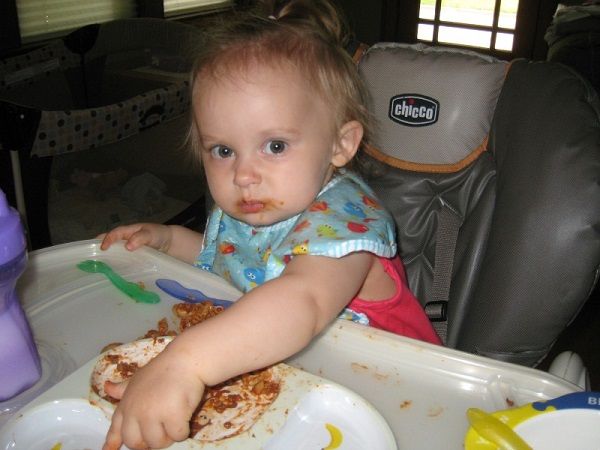
Let your babies play with their food ... and your toddlers and preschoolers, too.
Young children learn so much about eating through all of their sensory systems. When they touch, squeeze, lick, smear, smell, throw, smoosh, and spit, they are learning about eating and about themselves. Let them make a mess. Get a mat if it drives you crazy. Or, better yet, a labrador retriever.
advertisement
Engage your older child in food play, too.
Paint with yogurt, make a train out of crackers, stack cheese slicesincorporating food into no-pressure play time will expose your child to textures and smells without the challenge of eating.

advertisement
Take things slow.
Actually chewing and swallowing food is at the top of the ladder and some children need to start at the bottom and climb every rung. If your child won't even touch a food item, start with her allowing it to be on her plate (or even on the table). Work up to touch, then kissing it (a nonthreatening way to taste a new food item) and eventually to eating it.

advertisement
Let them graze.
Three squares a day might work for you and me, but most children need smaller, more frequent mealsat least three meals and two snacks. Don't let a need for routine cause a missed opportunity for trying a new food.

advertisement
Consider a divided plate.
Eating is challenging enough without mixing foods together, so those plastic divided plates are a cheap and easy solution. Try serving two foods your child will eat and two that are a challenge at meal time.