

Eating too much of certain foods could increase the risk of one of the most common causes of vision loss
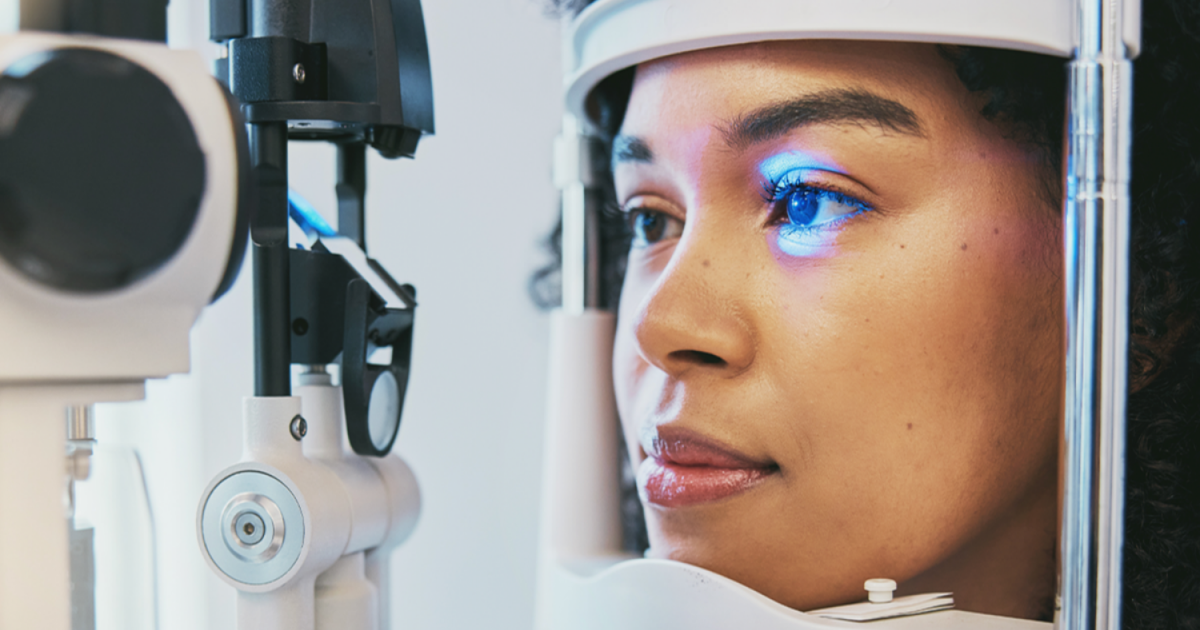
Experts List Five Foods That Can Harm Your Eyesight Including One Many Of Us Eat Every Day
By
Khadija Pervez in
Health and Fitness
On 6th March 2025
advertisement
Medical professionals have raised concerns about five specific foods that may negatively affect eyesight and even increase the risk of vision loss over time.
Most of us know that what we eat plays a big role in our overall health. However, we tend to think about diet in terms of weight management and heart health rather than its effects on our eyes.
Now, eye health experts are encouraging people to pay closer attention to their food choices, as certain dietary habits may contribute to declining vision.
Age-related macular degeneration (AMD) is a condition that affects the central part of vision, making it blurry and less sharp. According to the National Eye Institute, it is one of the leading causes of vision loss among older adults.
While aging naturally contributes to AMD, research suggests that diet may also play a significant role in its onset and progression. Poor dietary choices could increase the risk, while a balanced diet may help protect against it.
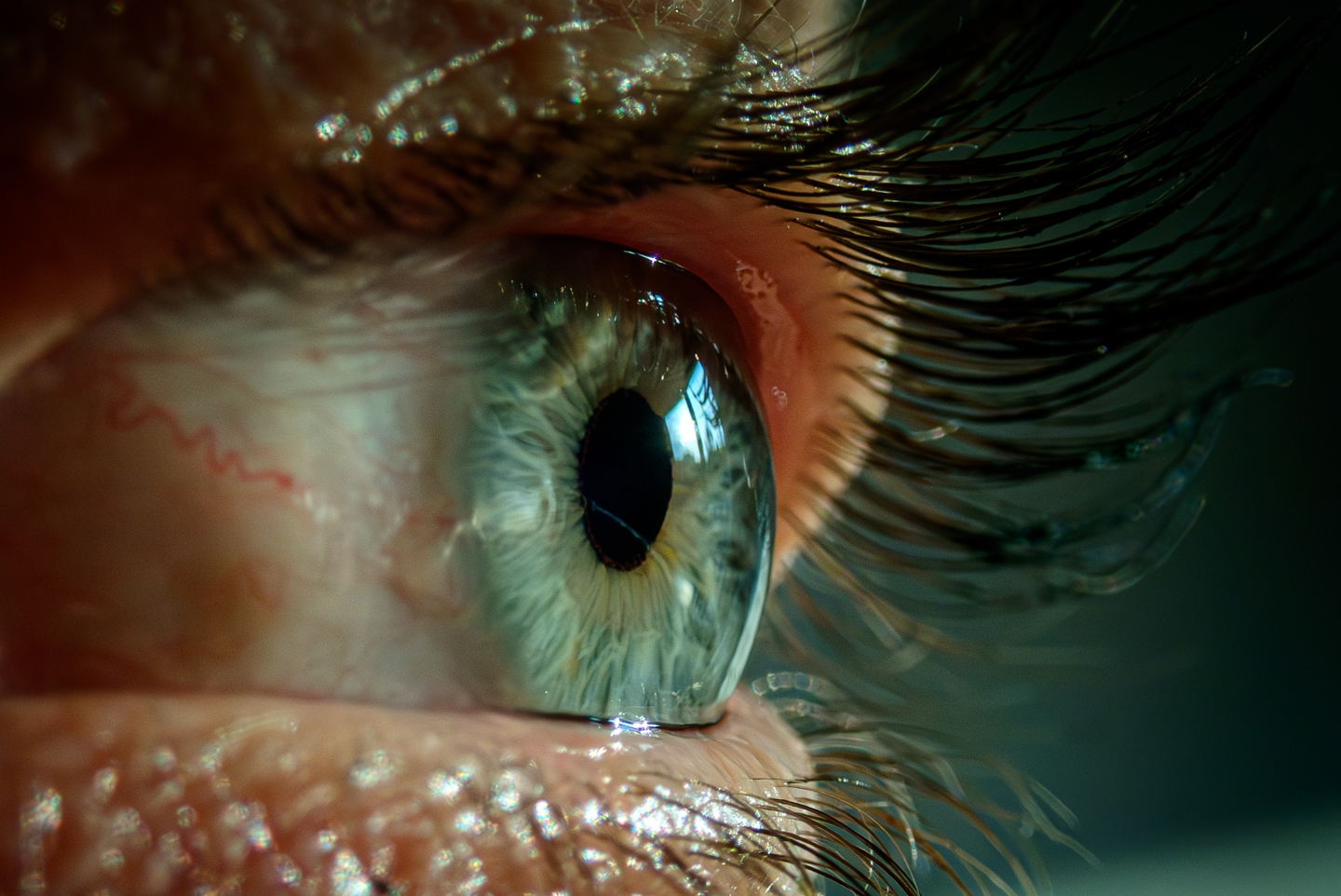
Diet can contribute to AMD
Getty Stock Photo
advertisement
White Bread
That classic sandwich staple you reach for every day may not be doing your eyesight any favors. Research cited by the National Institutes of Health (NIH) indicates that foods high in glycemic load, like white bread, may contribute to AMD.
A 2017 study examined the effects of diet on mice. Researchers found that those fed a high glycemic diet developed retinal damage as they aged. Interestingly, when they switched these mice to a low glycemic diet, the buildup of harmful compounds in eye tissue slowed down or even reversed, along with signs of AMD.
French Fries
French fries are a guilty pleasure for many, but they also fall into the high glycemic category linked to AMD. The NIH explains that high glycemic foods digest quickly, causing blood sugar spikes.
Repeated spikes in blood sugar levels can damage retinal blood vessels over time, increasing the risk of AMD. While fries may taste great, their impact on eye health might not be worth it.
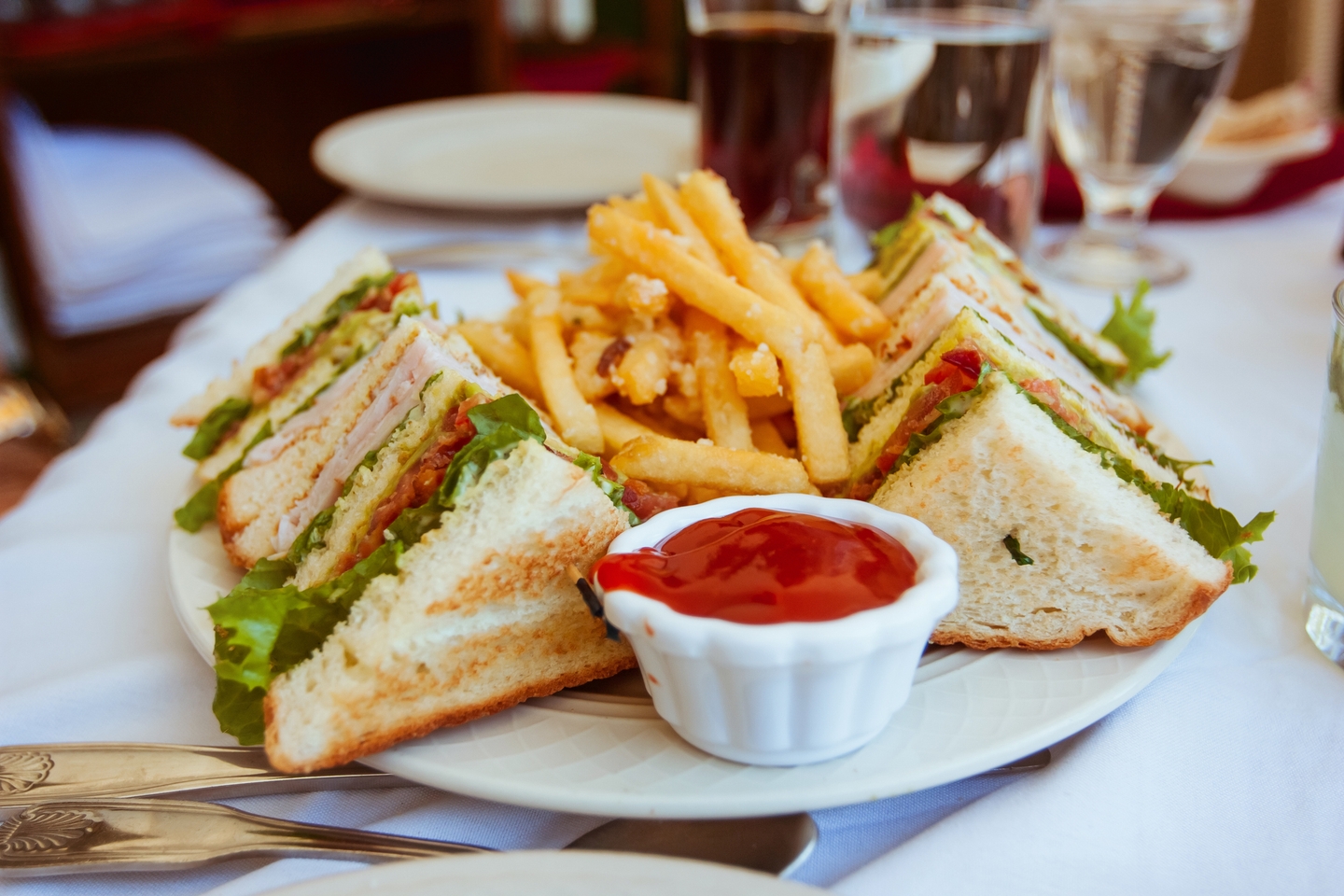
Foods with a high glycemic load can cause a spike in blood sugar
Getty Stock Image
advertisement
Rice Cakes
Rice cakes might seem like a light and healthy snack, but they may not be as beneficial as they appear. Like white bread and French fries, rice cakes have a high glycemic index, meaning they can cause rapid increases in blood sugar.
Consistently high blood sugar levels can lead to issues affecting not just overall health but also vision, making this snack a potential risk factor for AMD.
advertisement
Processed Cheese Slices
If you were thinking about making a grilled cheese sandwich with white bread, this might be the time to reconsider.
Processed cheese slices, often used in burgers or sandwiches, tend to contain high amounts of sodium. Consuming too much sodium has been linked to high blood pressure, which can negatively impact the blood vessels in the retina. This condition, known as hypertensive retinopathy, can contribute to long-term vision problems.
advertisement
Bacon
There’s no denying that bacon is delicious, but its health risks go beyond its high fat content. According to Medical News Today, foods that contain high levels of cholesterol can contribute to AMD.
Cholesterol can restrict blood flow to the eyes, affecting central vision. Red meat, sausages, and other high-cholesterol foods have also been flagged as potential contributors to vision-related health concerns.
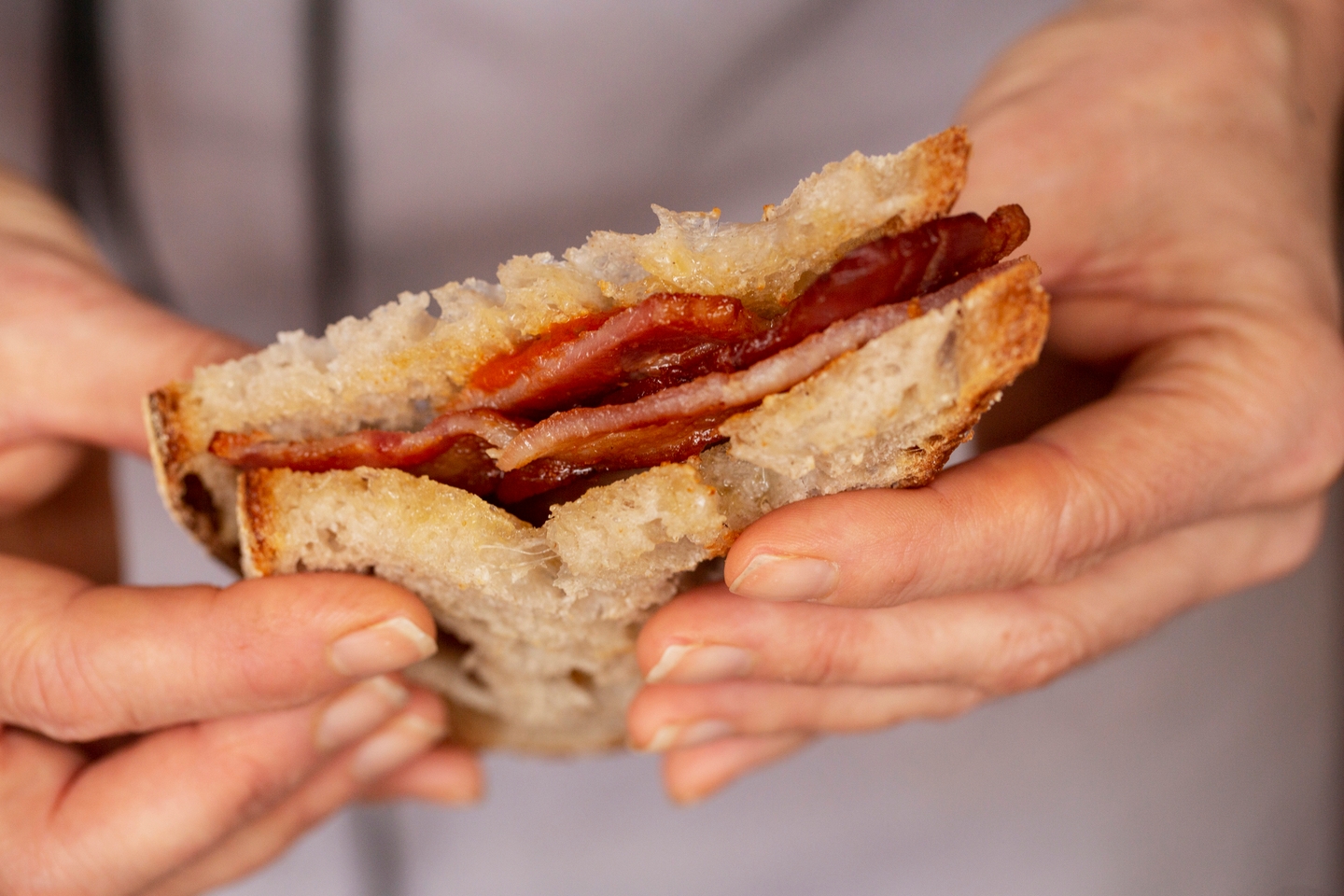
Processed food is among those that medics have warned of
Getty Stock Image
advertisement
What Are the Symptoms of Age-Related Macular Degeneration?
AMD is classified into two types: the more common 'dry AMD,' also called atrophic AMD, and 'wet AMD,' known as advanced neovascular AMD.
As AMD progresses, people may notice that straight lines appear wavy or distorted. A blurry spot in the center of their vision may grow larger over time, making it more difficult to read or recognize faces.
Other symptoms include colors appearing less vibrant and trouble seeing in dim lighting. These symptoms can worsen gradually, affecting day-to-day activities.
advertisement
Currently, there is no treatment for early AMD. However, doctors may recommend specific dietary supplements to individuals with intermediate AMD to slow its progression.
Experts suggest taking proactive steps to maintain eye health, including regular physical activity, keeping blood pressure and cholesterol in check, and eating a balanced diet rich in leafy green vegetables and fish.