When it comes to hydrating, it is not all about drinking plenty of water. Sometimes can be really boring and sometimes you just want to refill yourself with something both hydrating and tasty.
advertisement
Eat your water
According to the old rule of thumb, you're supposed to drink eight glasses of water per day (and some experts recommend even more). That can seem like a daunting task on some days, but here's the catch: You don't have to drink all that water. Roughly 20% of our daily H2O intake comes from solid foods, especially fruits and vegetables.
Cabbage
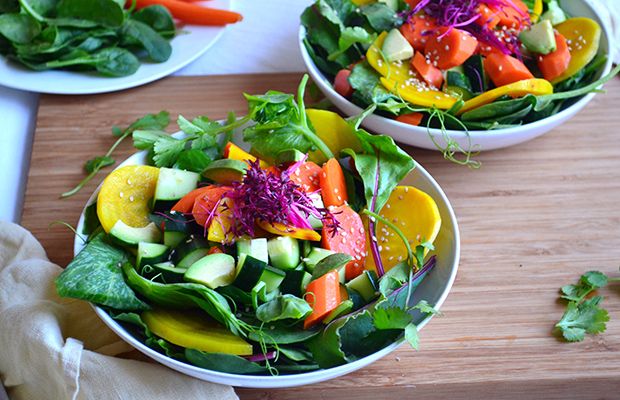
They are both very low in calories and full with important nutrients. Cabbage contains 93% water, which makes it very hydrating food. It can fulfill your fluid requirements and provide beneficial nutrients for your body! There are many salad recipes with cabbage, just find your favorite and enjoy the salad!

advertisement
Cantaloupe
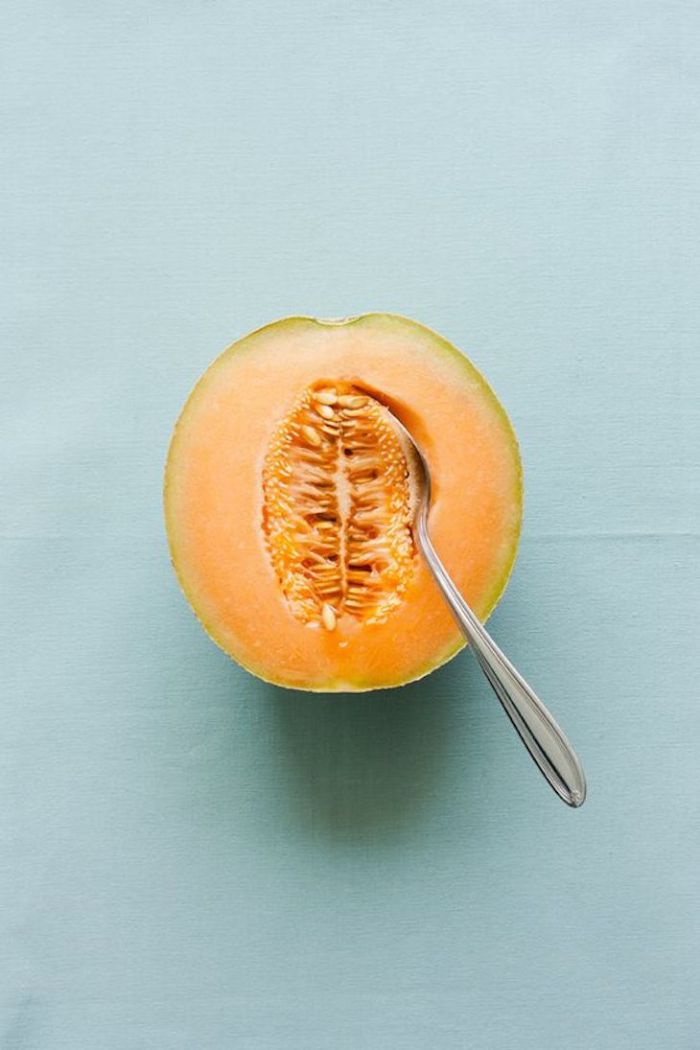
Wonderfully delicious and very low in calories! This fruit is an excellent source of potassium and electrolyte that are very important components in your body. It contains 89% water which makes it perfect food for warmer days. Combined with watermelon makes it the perfect fruit salad for the beach!
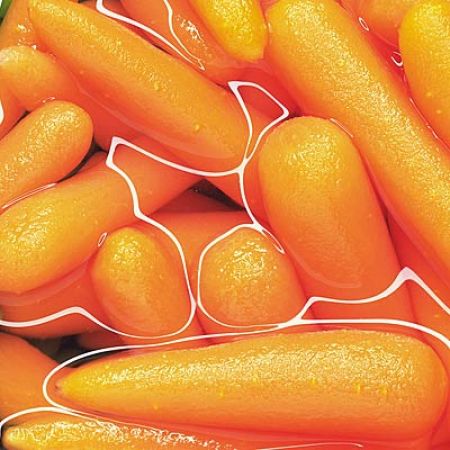
Baby carrots
A carrot's a carrot, right? Not when it comes to water content. As it turns out, the baby-sized carrots that have become a staple in supermarkets and lunchboxes contain more water than full-size carrots (which are merely 88.3% water).
advertisement
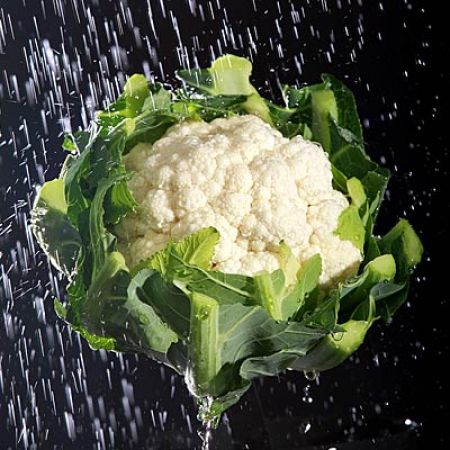
Cauliflower
Don't let cauliflower's pale complexion fool you: In addition to having lots of water, these unassuming florets are packed with vitamins and phytonutrients that have been shown to help lower cholesterol and fight cancer, including breast cancer. (A 2012 study of breast cancer patients by Vanderbilt University researchers found that eating cruciferous veggies like cauliflower was associated with a lower risk of dying from the disease or seeing a recurrence.)
advertisement
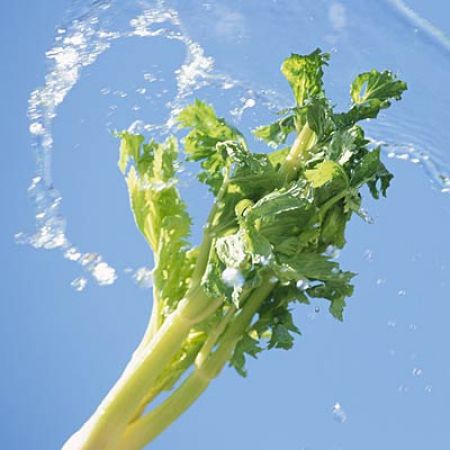
Celery
That urban legend about celery having negative calories isn't quite true, but it's pretty close. Like all foods that are high in water, celery has very few caloriesjust 6 calories per stalk. And its one-two punch of fiber and water helps to fill you up and curb your appetite.
This lightweight veggie isn't short on nutrition, however. Celery contains folate and vitamins A, C, and K. And thanks in part to its high water content, celery neutralizes stomach acid and is often recommended as a natural remedy for heartburn and acid reflux.
advertisement
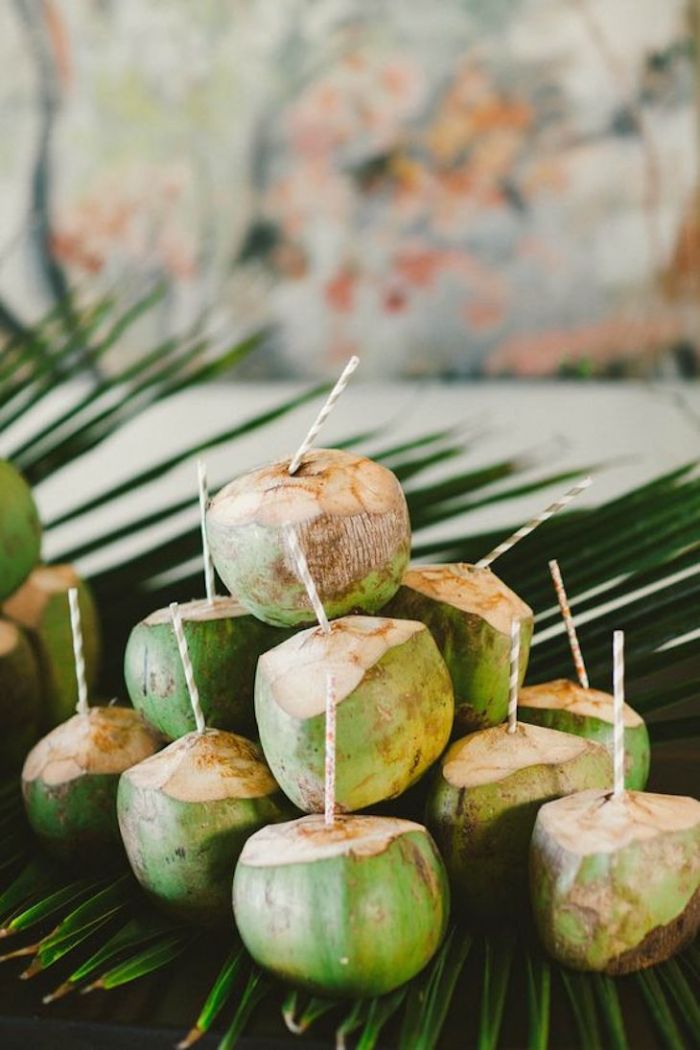
Coconut Water
Delicious and tasty alternative to water. It has only 45 calories and its full with nutrients that are effective at hydrating. Coconut water contains about 95% water and it is full with potassium, magnesium and antioxidants, which are very important components in your body.
advertisement
Cucumber
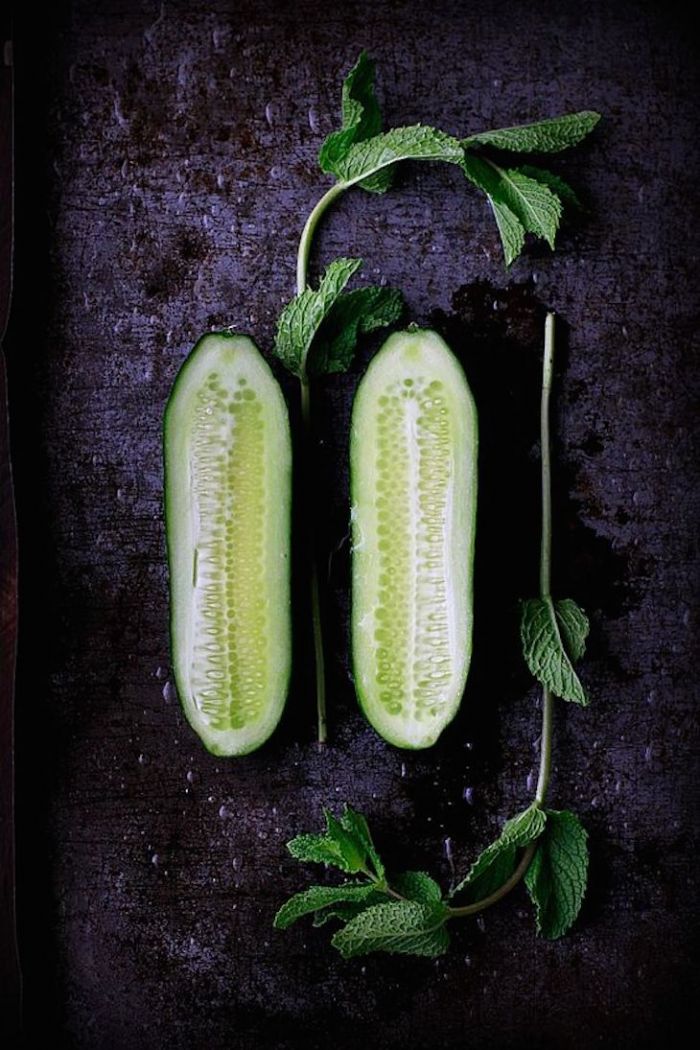
Cucumbers are made up of mostly 95% water, which means eating or drinking them on warmer days can help you stay hydrated. Cucumbers are also full with vitamins that your body needs in a single day and can help you eliminate toxins from it. They are just very beneficial for overall health!
advertisement
Broccoli
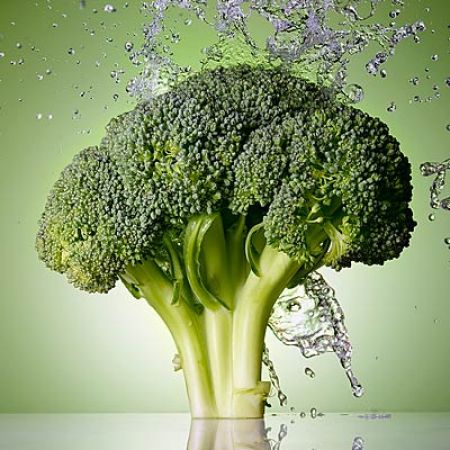
Like its cousin cauliflower, raw broccoli adds a satisfying crunch to a salad. But its nutritional profilelots of fiber, potassium, vitamin A, and vitamin Cis slightly more impressive. What's more, broccoli is the only cruciferous vegetable (a category that contains cabbage and kale, in addition to cauliflower) with a significant amount of sulforaphane, a potent compound that boosts the body's protective enzymes and flushes out cancer-causing chemicals.
advertisement
Green peppers
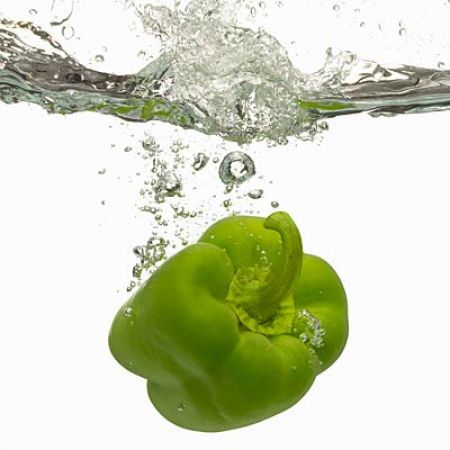
Bell peppers of all shades have a high water content, but green peppers lead the pack, just edging out the red and yellow varieties (which are about 92% water). And contrary to popular belief, green peppers contain just as many antioxidants as their slightly sweeter siblings.
advertisement
Grapefruit
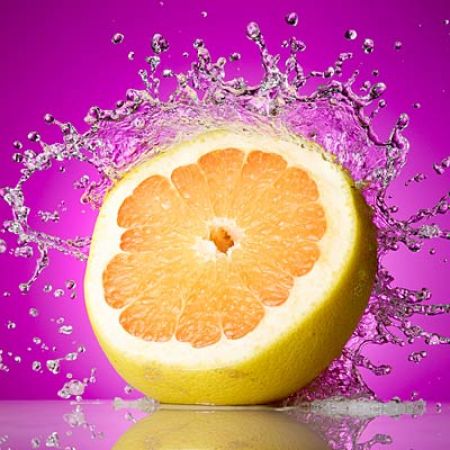
This juicy, tangy citrus fruit can help lower cholesterol and shrink your waistline, research suggests. In one study, people who ate one grapefruit a day lowered their bad (LDL) cholesterol by 15.5% and their triglycerides by 27%. In another, eating half a grapefruitroughly 40 caloriesbefore each meal helped dieters lose about three and a half pounds over 12 weeks. Researchers say that compounds in the fruit help fuel fat burn and stabilize blood sugar, therefore helping to reduce cravings.
advertisement
Lettuce
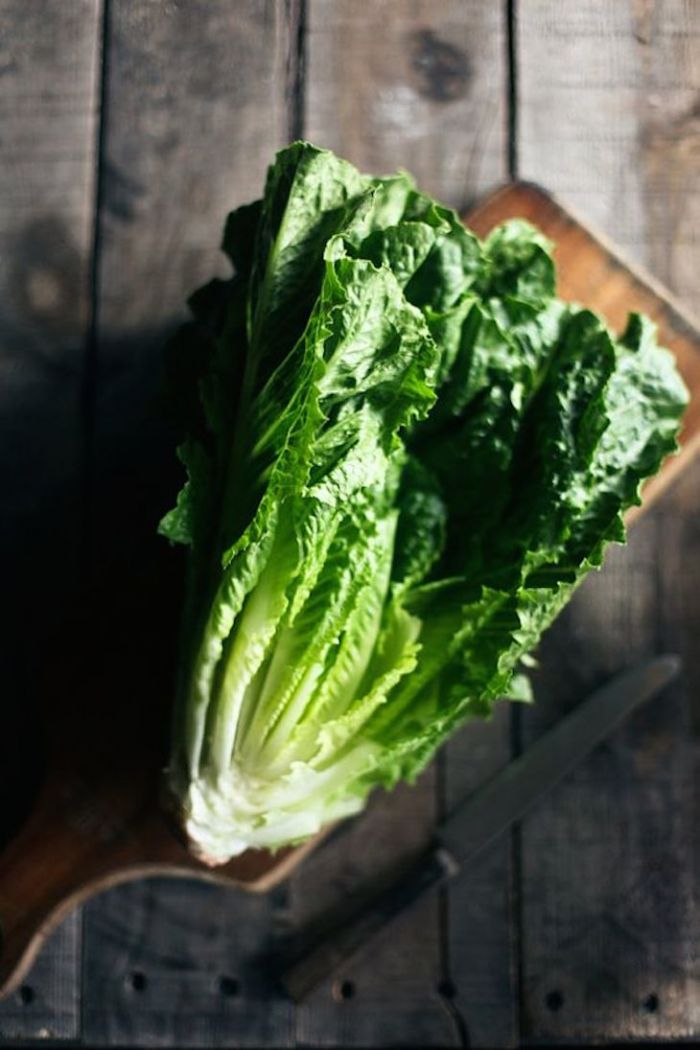
Lettuce contains 96 percent water and is a very good source of dietary fiber and Vitamin C. Lettuce is an excellent source of hydration and it can help releasing toxins and harmful fats from our bodies. So, never skip the salad!
Radishes
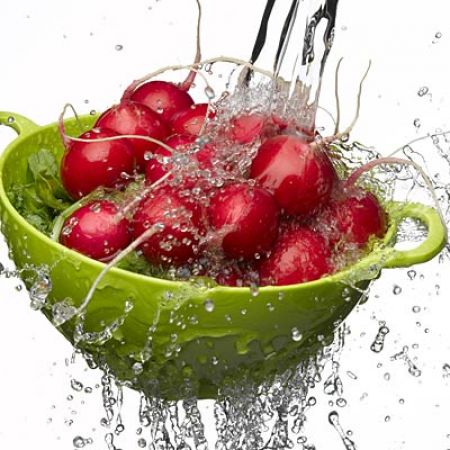
These refreshing root vegetables should be a fixture in your spring and summer salads. They provide a burst of spicy-sweet flavorand color!in a small package, and more importantly they're filled with antioxidants such as catechin (also found in green tea).
advertisement
Spinach
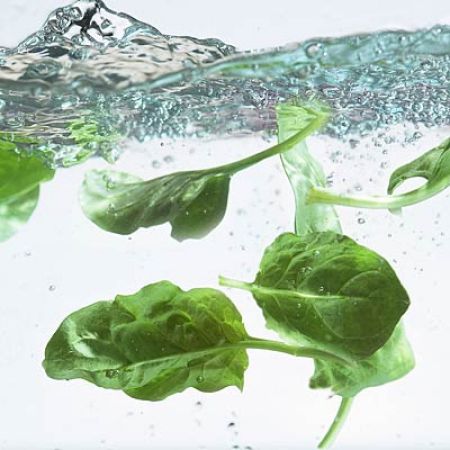
Iceberg lettuce may have a higher water content, but spinach is usually a better bet overall. Piling raw spinach leaves on your sandwich or salad provides nearly as much built-in hydration, with an added nutritional punch.
Spinach is rich in lutein, potassium, fiber, and brain-boosting folate, and just one cup of raw leaves contains 15% of your daily intake of vitamin Ean important antioxidant for fighting off the damaging molecules known as free radicals.
Star fruit
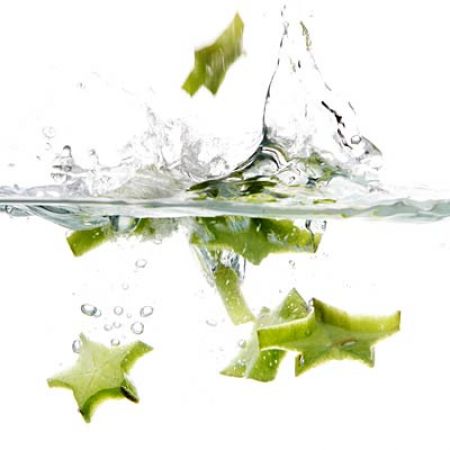
This tropical fruit, also known as carambola, comes in sweet and tart varieties and has a juicy texture similar to pineapple. Its eye-catching shape looks great in a fruit salad or as an edible garnish on the rim of a summer cocktail, and as an added bonus it's rich in antioxidants, especially epicatechina heart-healthy compound also found in red wine, dark chocolate, and green tea.
One note of caution: People with kidney problems should avoid star fruit because of its high levels of oxalic acid.
advertisement
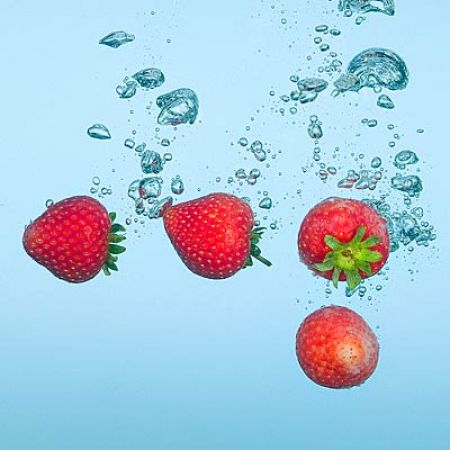
Strawberries
All berries are good foods for hydration, but juicy red strawberries are easily the best of the bunch. Raspberries and blueberries both hover around 85% water, while blackberries are only slightly better at 88.2%.
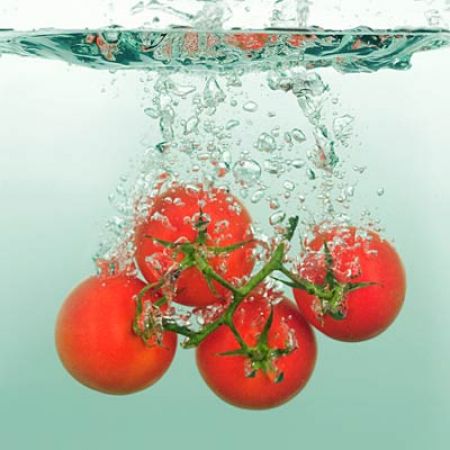
Tomatoes
Sliced and diced tomatoes will always be a mainstay of salads, sauces, and sandwiches, but don't forget about sweet cherry and grape varieties, which make an excellent hydrating snack
advertisement
Watermelon
Watermelon is one of the most powerful body-healing food in the world. It is incredibly hydrating and low in calories. It is not substitute for water but can help you avoid dehydration on a hot summer day! Whether you eat it in a fruit salad or you drink it as a smoothie, you will absolutely enjoy all the benefits!