Foods That Reduce Stress
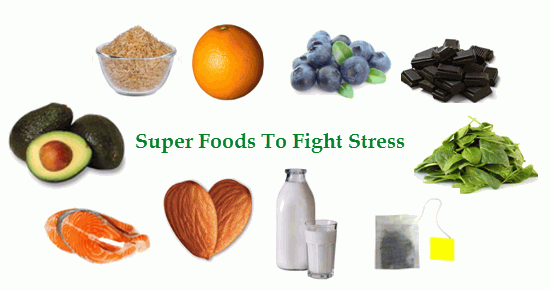
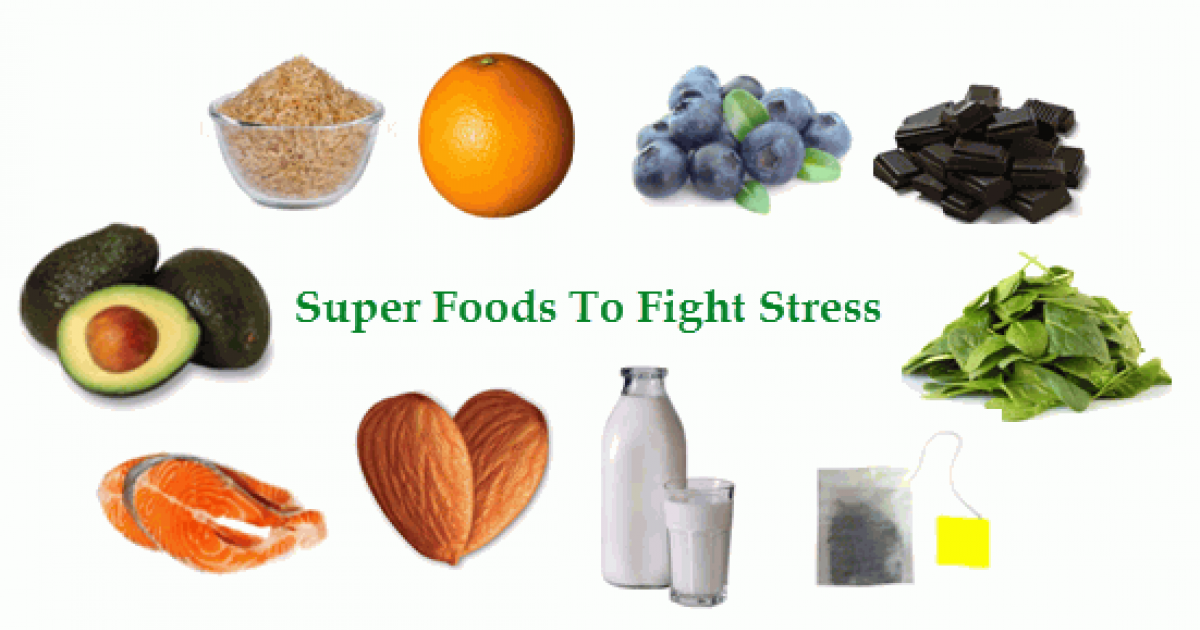
We all feel wrung out sometimes by the stress of daily life and, unfortunately, we tend to reach for junk food. But high-calorie or sugary foods only trick us into thinking we feel better. End the cycle of eating bad-for-you foods and find relief elsewhere. Instead, add these truly anti-stress foods to your diet.
Eating healthy food—and making that a conscious choice—can actually offer some real stress relief.
#1
Stress is the body's response to the environment, and, like most things, it can be both good and bad. It can help increase our focus and productivity, but it can also be detrimental to our health.
You've probably experienced the side effects of bad stress—racing heartbeat, heavy breathing, and sweaty skin—which can lead to a more serious toll on your body. The good news is that you don't have to look far to reduce this bad stress; maintaining a healthy and balanced diet can go a long way.
It's normal to reach for sugary foods when we're stressed but these foods actually end up making us feel worse. Here are the foods you should be eating to combat the symptoms of stress.
#2 Avocados
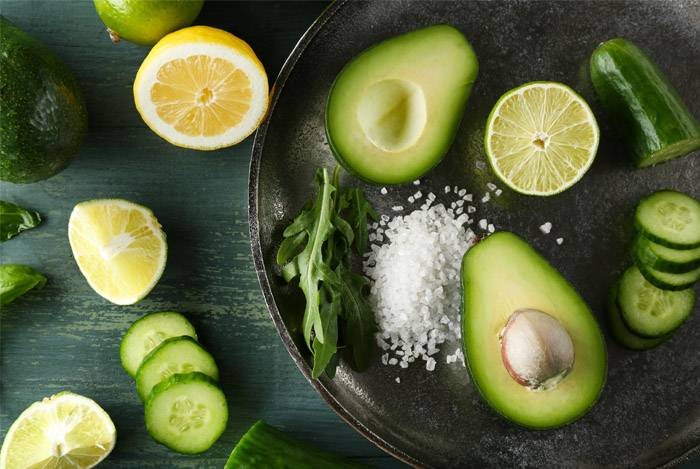
Avocados supply heart-healthy fat and potassium that help regulate the rise in blood pressure that occurs during stressful situations.
#3 Sweet Potatoes
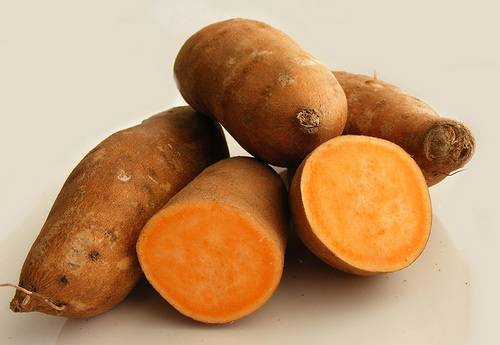
They're sweet, delicious, and packed with nutrients—including optimism-boosting carotenoids and fiber (it’s also low on the Glycemic Index). “You’ll get the carby, sweet sensation without the blood-sugar spike,” says Ramsey.
Make the most of your sweet spuds with more than 200 sweet potato recipes.
#4 Green leafy vegetables
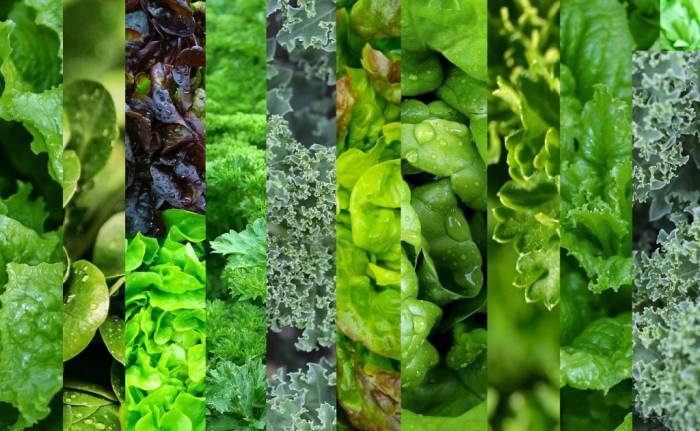
It's tempting to reach for a cheeseburger when stressed, but go green at lunch instead. "Green leafy vegetables like spinach contain folate, which produces dopamine, a pleasure-inducing brain chemical, helping you keep calm," says Heather Mangieri, RDN, a spokesperson for the Academy of Nutrition and Dietetics. A 2012 study in the Journal of Affective Disorders of 2,800 middle-aged and elderly people and found those who consumed the most folate had a lower risk of depression symptoms than those who took in the least. And, a 2013 study from the University of Otago found that college students tended to feel calmer, happier, and more energetic on days they ate more fruits and veggies.
It can be hard to tell which came first—upbeat thoughts or healthy eating—but the researchers found that healthy eating seemed to predict a positive mood the next day.
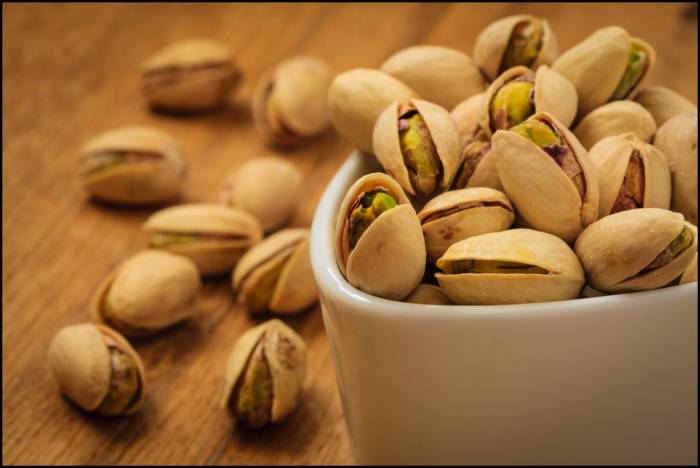
#5 Pistachios
According to a Penn State study, pistachios can reduce vascular stress. Pistachios have a high healthy fat content, lots of fiber and plenty of antioxidants to keep blood vessels open and relaxed during stressful moments. A great afternoon snack, pistachios also work well as a yogurt topping or baked into delicious cranberry cookies.
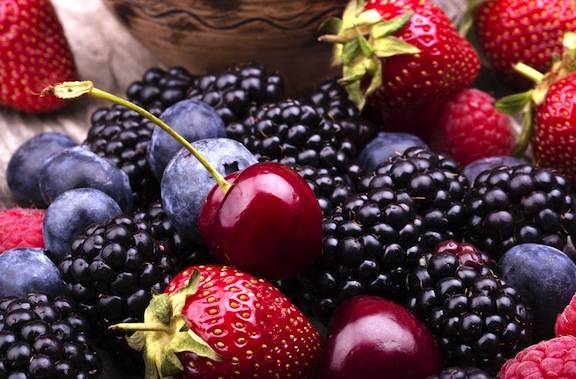
#6 Berries
Blueberries have some of the highest levels of an antioxidant known as anthocyanin, and they've been linked to all kinds of positive health outcomes, including sharper cognition. But all berries, including strawberries, raspberries, and blackberries, are rich in vitamin C, which has been shown to be helpful in combating stress. German researchers tested this by asking 120 people to give a speech, then do hard math problems.
Those who had been given vitamin C had lower blood pressure and lower levels of cortisol after the stressfest. Substitute berries for any other fruits on the plan whenever you want. I like to nibble on them frozen, too.
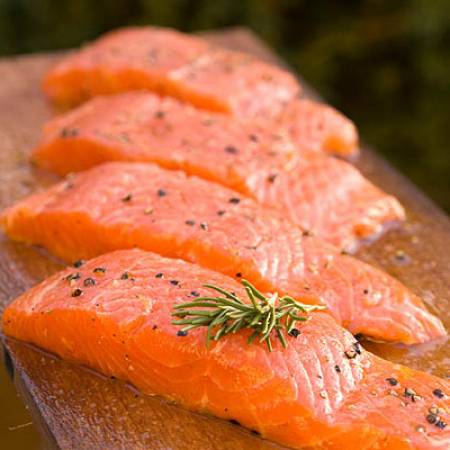
#7 Wild Salmon
If you don’t like fish, you have good reason to be stressed. But you can get the same benefits from an Omega-3 supplement. A study out of Ohio State University found that students who took regular omega-3 supplements had a 20% reduction in their anxiety levels, in comparison to students who were fish-free and didn’t take supplements.
If you know you have a big day ahead, plan to have some lox with breakfast for salmon on your salad. It will fight those overwhelmed feelings from stress and also keep you focused, so you can nail that afternoon presentation or meeting.
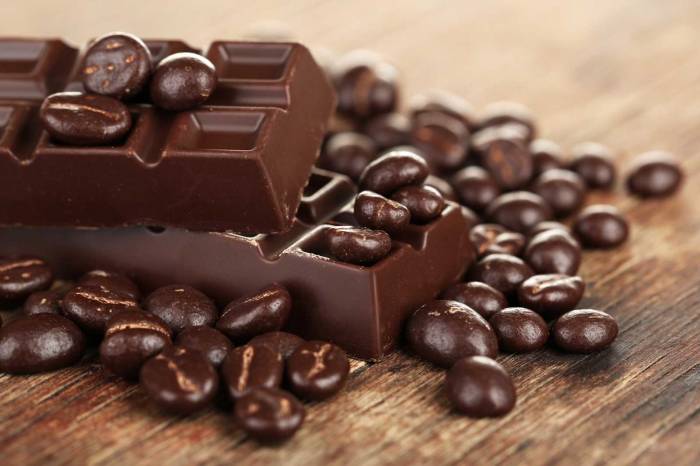
#8 Dark chocolate
You don’t have to eat a whole bar – you really shouldn’t! – but just a couple of bites of dark chocolate lowers your stress hormones. And, because the antioxidants in cocoa also relaxes the walls of your blood vessels, it lowers your blood pressure too. For best results, get the ones that contain at least 70% cocoa.
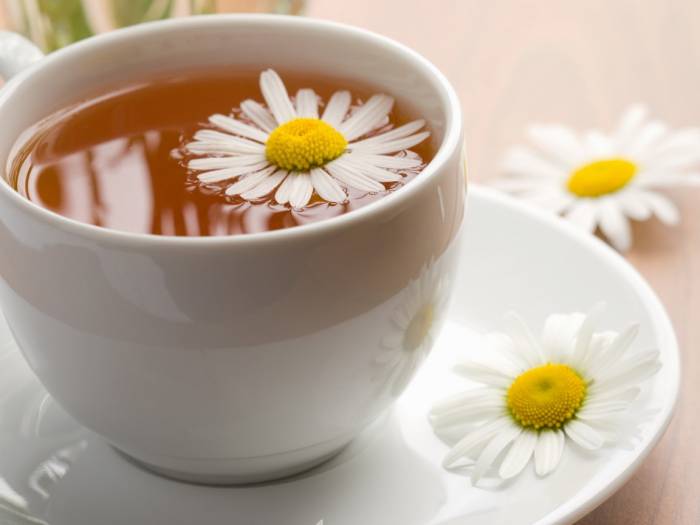
#9 Chamomile Tea
Chamomile Tea or often known as ‘anti-depressant’ helps in relaxing muscles and smoothens the blood flow in the body. It also helps people suffering from insomnia, which is caused when the stress or anxiety levels increase. Because of its natural ingredients, it is free from any kind of side effects.
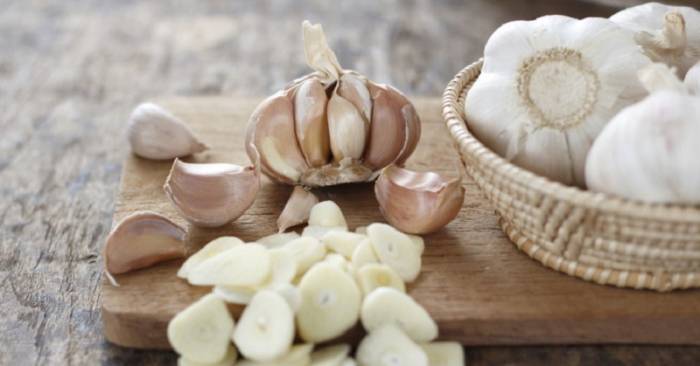
#10 Garlic
Like many plants, garlic is jam-packed with powerful antioxidants. These chemicals neutralize free radicals (particles that damage our cells, cause diseases, and encourage aging) and may reduce or even help prevent some of the damage the free radicals cause over time. Among the compounds in garlic is allicin, which has been linked to fending off heart disease, cancer, and even the common cold.
Because stress weakens our immune system, we need friends like garlic, which can toughen it back up. As long as you saute it in broth, not oil, you can add it liberally to all the meals on the plan.
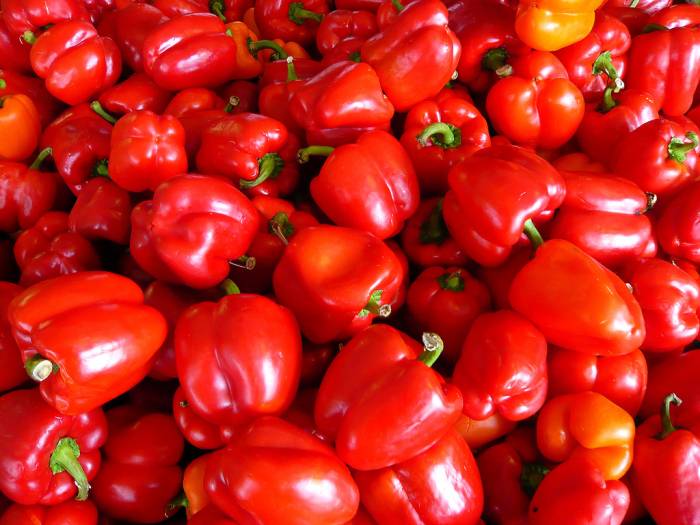
#11 Red Peppers
While oranges get all of the vitamin C hype, red peppers have about twice as much (95 vs. 50 mg per 1/2-cup serving). In a study in Psychopharmacology, people who took high doses of C before engaging in stress-inducing activities (oral presentation followed by solving math problems aloud) had lower blood pressure and recovered faster from the cortisol surge than those who got a placebo. "Diets loaded with vitamin-C-rich foods lower cortisol and help people cope," says Elizabeth Somer, R.D.