

Around the world, a number of locations remain completely off limits because they are either extremely dangerous, culturally protected, or too fragile to risk human interference
advertisement
Human beings have managed to explore almost every corner of this pale blue dot that we call home. Over the centuries, people have climbed the tallest mountains on Earth and crossed the icy, brutal landscapes of the polar regions. These efforts were driven by curiosity, ambition, and a constant desire to push beyond limits and prove that humans can reach even the most extreme parts of the planet.
However, despite this long history of exploration, there are still places on Earth where humans either rarely go or are completely banned from entering. These locations remain out of reach for the public. In many cases, governments or organizations have made strict rules that prevent anyone from stepping foot there.
Some of these areas are simply too dangerous for human life. They contain threats that could seriously harm people or shorten their lifespan. These risks may come from extreme nuclear contamination, unstable environments, or even encounters with isolated indigenous tribes that are known to defend their land from outsiders.
Because of these risks, many of these locations are now completely restricted. Almost no one is allowed to enter them. Even scientists or researchers must receive special permission before visiting.
What experts have already learned about these remote places has been enough to convince authorities that keeping people away is the safest choice. Governments and international organizations often enforce strict rules to make sure these environments stay protected and that no one puts themselves in unnecessary danger.
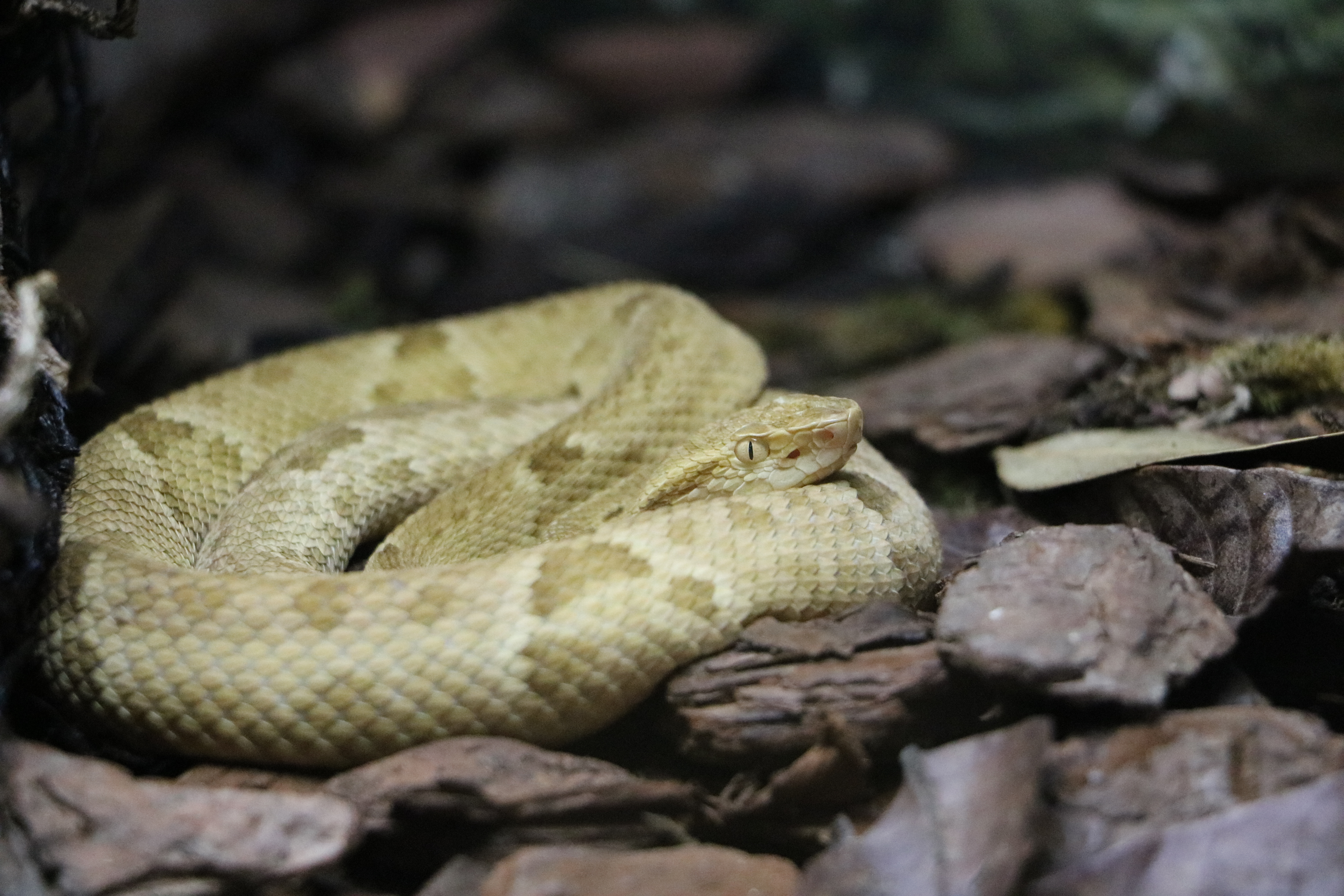
The golden lancehead snake is a very good reason to stay away from the 'Ilha da Queimada Grande'
Wikimedia Commons
advertisement
Below are nine of the most restricted and forbidden places on Earth. These are locations that the public is completely banned from visiting.
Snake Island, Brazil
With a nickname like "Snake Island," it is not difficult to guess why people are not allowed to visit Brazil’s Ilha da Queimada Grande. This island sits just off the southeastern coast of Brazil in the Atlantic Ocean, and it has earned its reputation for a very clear reason.
The island is packed with snakes. In fact, it is the last known home of a very old and rare species that survived only on this isolated piece of land after disappearing everywhere else following the last Ice Age. That species is the golden lancehead pit viper, a snake known for its extremely powerful venom.
To protect both the snakes and human visitors, the Brazilian Navy has banned people from entering the island since the 1920s. This rule helps preserve the rare species while also preventing dangerous encounters that could easily turn deadly.
advertisement
Surtsey, Iceland
Surtsey is one of the youngest islands on Earth. It formed during a massive underwater volcanic eruption that lasted about four years during the 1960s. As lava pushed upward through the ocean, the island slowly rose above the surface and became part of Iceland’s territory.
The island was named after Surtr, a fire giant from Norse mythology. Since its creation, it has become an incredibly valuable place for scientific research. Scientists study how plant life, animals, and ecosystems slowly develop on brand new land.
Because of this, only a small group of researchers are allowed to visit Surtsey. They stay in a small hut during research trips. The restrictions are not about safety. Instead, they exist to prevent human activity from damaging the fragile ecosystem or bringing outside seeds that could interfere with the island’s natural development.
advertisement
Lascaux Caves, France
The famous Lascaux cave system in Dordogne, France is another location that the public is no longer allowed to enter. The reason for this restriction is preservation.
Inside the caves are more than 600 remarkable prehistoric paintings. These artworks are incredibly important for understanding early human history. Some of the paintings date back nearly 20,000 years.
These images were painted by humans thousands of years before agriculture even began. Despite their age, many of them survived in stunning condition. This happened largely because a landslide sealed the caves for thousands of years, protecting them from human interference.
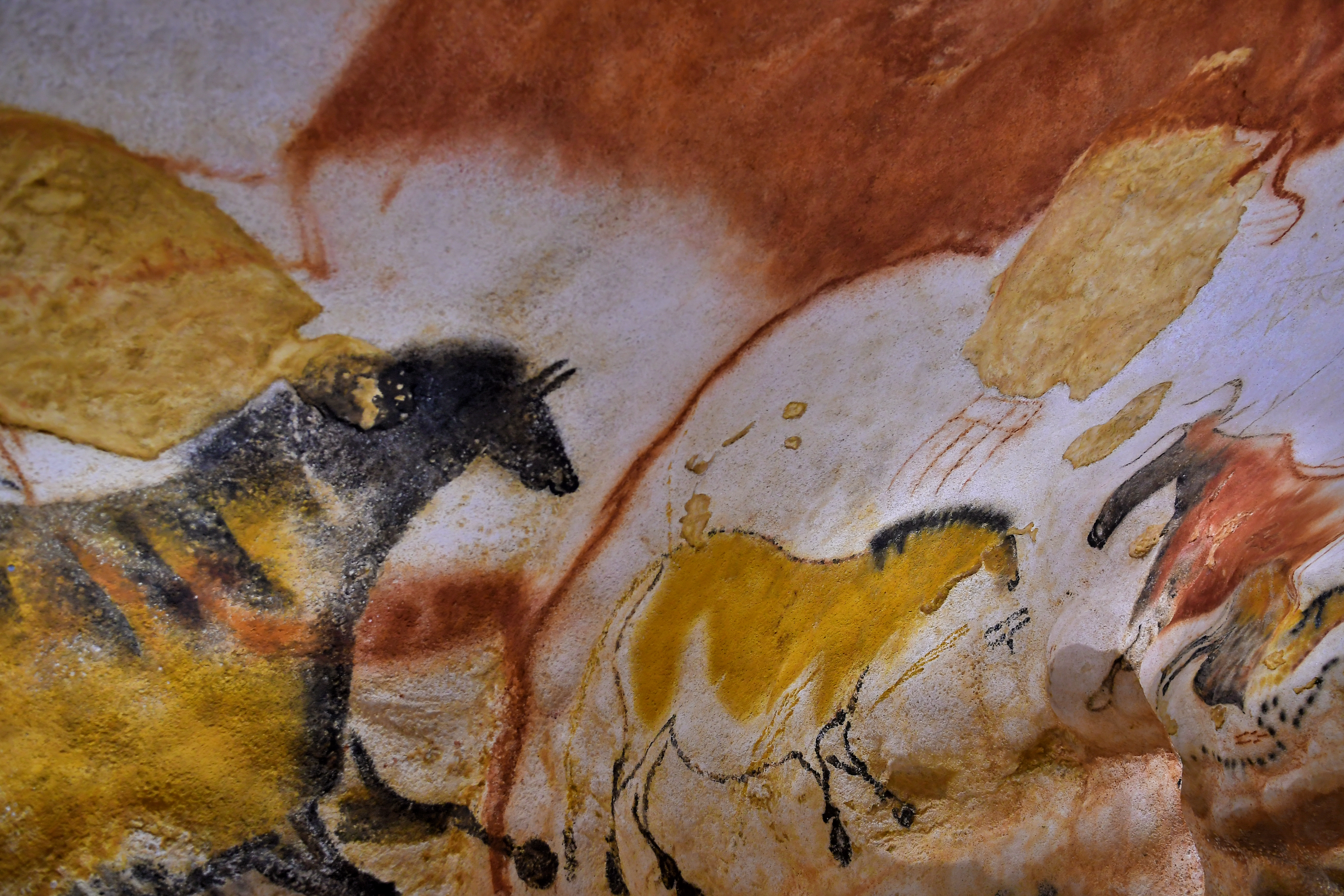
The Lascaux Caves are home to the stunning artworks of our ancient ancestors
Getty Stock
advertisement
When the caves were rediscovered in 1940, they completely changed how scientists viewed early human societies. The artwork revealed that ancient humans had complex creativity and artistic expression far earlier than many researchers expected.
Unfortunately, the caves became so popular that large numbers of visitors began to damage the fragile paintings. Human breath, heat, and moisture slowly started affecting the artwork. To protect these priceless paintings that had survived for 20,000 years, France decided to close the caves to the public in 1963.
advertisement
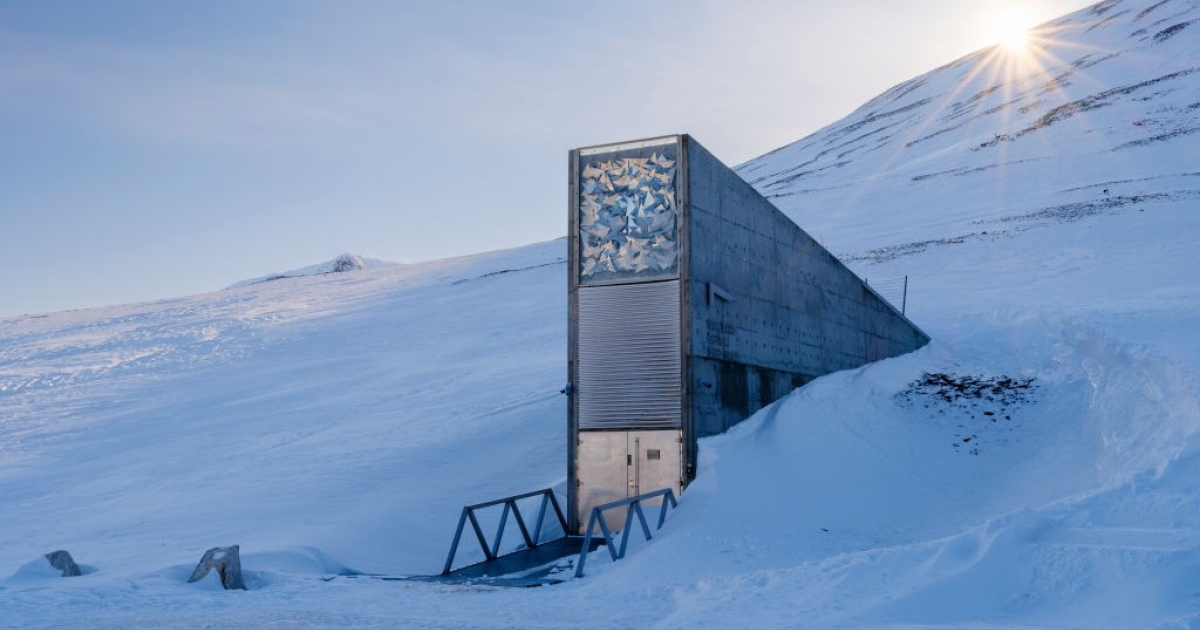
The 'Doomsday Vault', Svalbard
The Svalbard Global Seed Vault is often called the "Doomsday Vault." It was created to protect humanity in case a massive global disaster destroys crops or collapses food systems.
Inside the vault are copies of more than 1.3 million seed samples collected from around the world. These seeds represent crops that people rely on for food. They are stored deep inside a specially designed facility carved into Arctic permafrost, located about 130 meters above sea level.
The facility remains closed to the public for security and safety reasons. The goal is to prevent contamination or interference with the seed collections. On top of that, the vault sits in an area known for polar bears, which means lingering nearby is not a great idea either.
advertisement
Tomb of Qin Shi Huang, China
The tomb of Qin Shi Huang, the first emperor of China’s Qin dynasty, is one of the most famous archaeological discoveries in the world. The site gained global attention after the Terracotta Army was discovered nearby in 1974.
Despite this discovery, the emperor’s main burial chamber has never been opened. More than 50 years later, the Chinese government still prohibits excavation of the tomb itself.
There are several reasons behind this decision. Cultural respect for burial sites plays a major role in Chinese traditions. Another concern involves extremely high levels of mercury found in soil samples taken from the site. Experts believe these mercury deposits may represent artificial rivers that were created to surround the emperor’s burial chamber more than 2,200 years ago.
advertisement
If the tomb were opened, it could potentially release dangerous amounts of mercury into the surrounding environment.
advertisement
City 40, Russia
For many years, the location known as "City 40" did not appear on any official maps of Russia. Despite being home to tens of thousands of residents, it was completely hidden from public records. However, someone with a geiger counter might have been able to find it.
The settlement sits in the Ural Mountains and is now called Ozyorsk. Originally built in 1947, it became one of the Soviet Union’s most secret locations. This was where the country developed its early nuclear weapons program and produced weapons-grade plutonium.
During those early years, radioactive waste from the facility was dumped into the nearby Techa River. This contaminated large areas of surrounding land and water. The situation became even worse after the Kyshtym disaster, when a powerful explosion spread highly radioactive material across roughly 22,000 square miles.
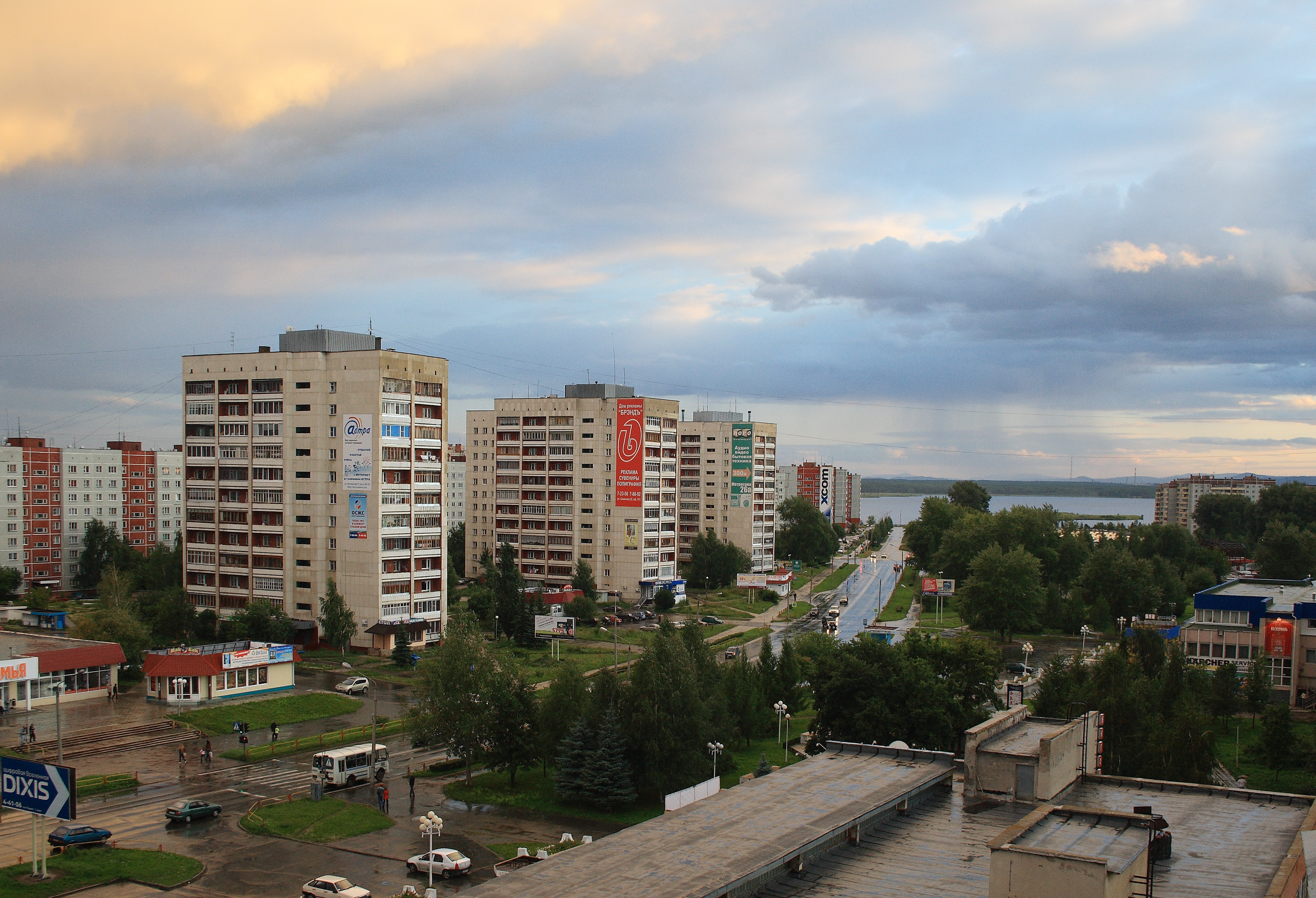
Ozyorsk is home to 80,000 Russians working in nuclear-related industries, in the shadow of a terrible radioactive disaster
Wikimedia Commons
advertisement
Even today, the city remains restricted. Ozyorsk has about 80,000 residents, but it is still classified as a "closed city." Outsiders are not allowed to enter, and only people who work in the region’s nuclear industries are permitted to live there.
North Sentinel Island, India
North Sentinel Island is one of the most famous forbidden places in the world. The island is part of the Andaman Islands, which are controlled by India, and it lies about 80 miles from the coast of Myanmar in the Indian Ocean.
Several islands in the Andaman group are home to indigenous Andamanese tribes. These communities are believed to have separated from other Asian populations more than 10,000 years ago when rising sea levels cut them off from the mainland after the last Ice Age.
While some tribes have had limited contact with outside societies, others reject any interaction with outsiders. The North Sentinelese are known for defending their island with bows and arrows and have attacked anyone who attempts to approach.
advertisement
One well-known example involved American missionary John Allen Chau, who was killed in 2018 after paying local fishermen to take him to the island. Despite the incident, no legal action was taken against the tribe. The Indian government has long enforced a rule that prohibits anyone from coming within three miles of the island.
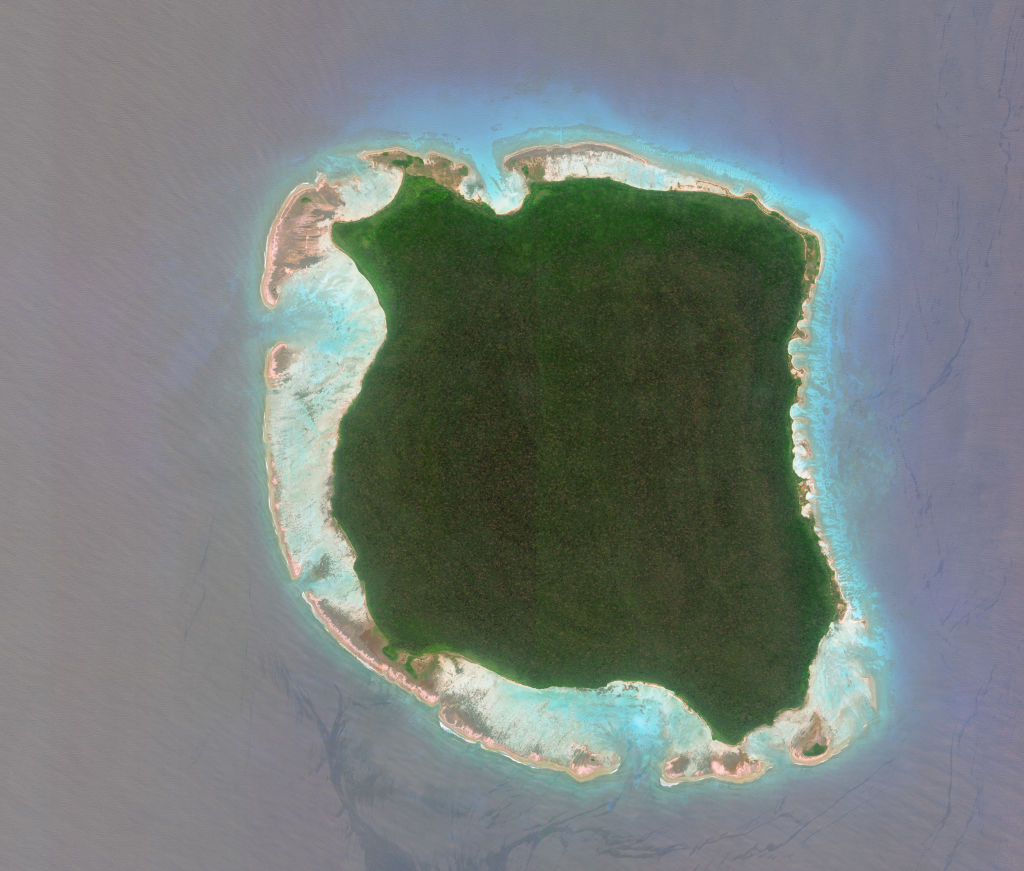
Anyone approaching North Sentinel Island is likely to get shot with a bow and arrow
DigitalGlobe via Getty Images via Getty Images
Niʻihau, USA
NiÊ»ihau is the seventh largest island in Hawaii, yet tourists enjoying beach vacations are not allowed to visit it. The restrictions exist to protect both the island’s native Hawaiian community and several rare plant species that grow there.
The island was purchased in 1864 by Scottish plantation owner Elizabeth Sinclair. She bought it from the Kingdom of Hawaii for what would be roughly $200,000 in modern US dollars. Since then, the island has remained in the hands of her descendants.
Instead of developing the land for tourism or large-scale business, the family chose to preserve its natural environment and cultural heritage. Over the years they have focused on conservation and protecting the traditional lifestyle of the island’s residents.
advertisement
Because of these efforts, only members of the Sinclair family, their invited guests, and the US Navy are allowed to set foot on Niʻihau.
Uluru, Australia
Uluru is one of the most recognizable natural landmarks in the world. The massive sandstone formation rises about 1,142 feet into the air and stretches across more than five miles of the Australian desert.
Beyond its striking appearance, Uluru holds deep cultural importance. The area has been connected to Aboriginal communities for thousands of years. Archaeological evidence shows human presence in the region dating back to at least 10,000 BC.
The monolith plays an important role in Aboriginal stories, traditions, and spiritual beliefs. Because of this cultural significance, the Australian government returned control of Uluru to the traditional owners. Authorities later decided to ban visitors from climbing the rock out of respect for its cultural meaning.
advertisement
Today, visitors can still admire the massive sandstone formation, but they must do so from designated viewing platforms located nearby.