

A former Royal Marine says burglars often make quick choices based on lighting, unlocked entry points, hiding places, and signs that nobody is home.
advertisement
Many burglaries are not completely random. Before approaching a property, an intruder may look for simple signs that suggest one home will be easier to enter, less likely to attract attention, or safer to approach than another.
The decision may come down to details that residents stop noticing because they see them every day. A dark doorway, an unlocked window, tall bushes beside an entrance, or several packages left outside can all affect how exposed or occupied a property appears.
The aim of basic burglary prevention is not to make a home impossible to enter. It is to remove the obvious signs of an easy opportunity and make an intruder expect more time, noise, and risk.
Burglars may judge a property within seconds
An intruder does not need a detailed map of a home before deciding whether to approach it. The outside of the property can reveal enough for a quick comparison with nearby houses.
A closed door may still look weak if there is no visible lock, camera, light, or activity around it. By contrast, several small security measures can suggest that entering the property would take longer and create a greater chance of being seen.
That first impression matters because many break-ins are described as crimes of opportunity. A burglar who sees an open window or a dark path may not need to plan much further before deciding the home looks accessible.
advertisement
A former Royal Marine who now creates online content shared several practical ways residents can make their homes less appealing to intruders. His video also covered what people should consider if they ever find themselves face to face with someone who has entered their property.
Robin, who posts under the username @dutchintheusa, said poor lighting is one of the first warning signs homeowners should address. A dark property can give a burglar room to approach without being noticed and may also suggest that everyone inside is asleep or away.
The four main signs listed in his video were unlocked doors or windows, a poorly lit property, clear signs that no one is home, and landscaping that offers an easy place to hide.
Motion-activated lighting can make an entrance less inviting
A dark entrance gives someone more privacy while they approach a door or window. Robin recommended lights that switch on when movement is detected, making it harder for a visitor to remain unnoticed near the house.
He explained: "If you have lights that turn on when you walk up to the house, they don't like that."
The light does not need to cover every part of the property. Placing it near a front door, side entrance, driveway, or path can remove the darkness an intruder may hope to use as cover. Robin explains the four warning signs in the video below.
advertisement
Lighting works best when it reveals the approach to the house
A bright fixture may be less useful if bushes, fences, or corners still hide the route toward an entrance. Clear lighting and an open view work together because they make movement around the property easier for residents, neighbors, and cameras to notice.
Motion lights can also create a sudden change that draws attention. Someone approaching a dark home may feel comfortable until a light comes on and exposes the doorway, path, or driveway.
The goal is not to leave every light burning throughout the night. It is to remove the sheltered areas where a person could stand near a window or work on a lock without being easy to see.
advertisement
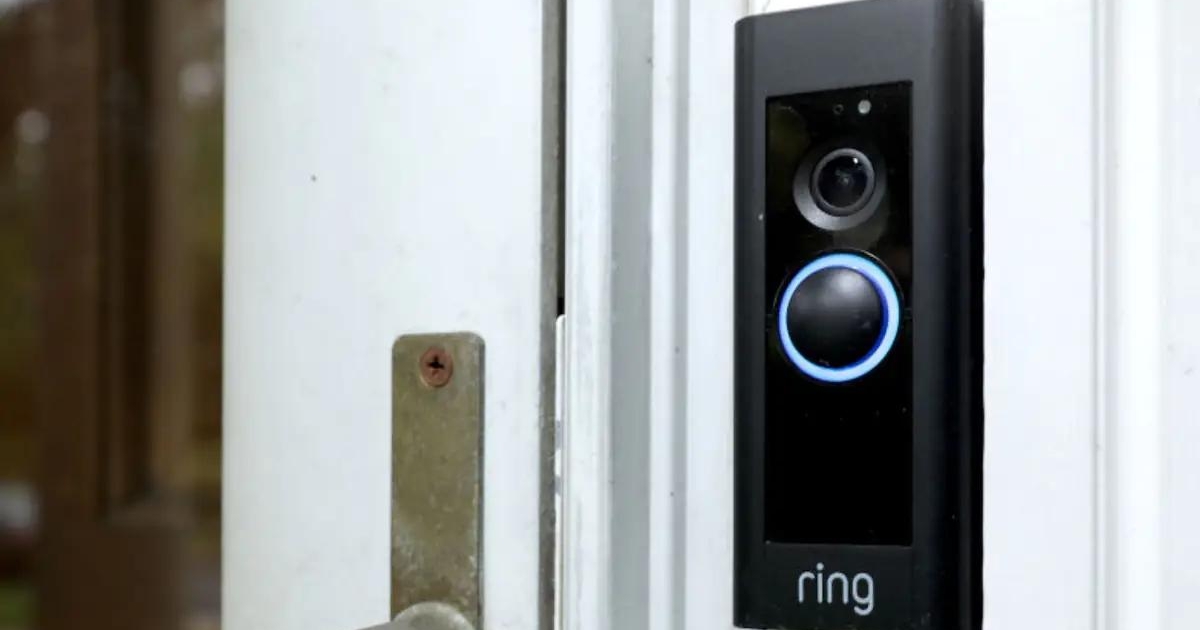
Visible cameras, alarm signs, and video doorbells can also change how a home appears from the street. These devices may record someone approaching, notify the resident, or provide footage that can help identify an intruder afterward.
Dogs may offer another warning because barking can alert the household and draw attention to movement outside. Robin's point was not that every dog will confront an intruder, but that noise and uncertainty can make a property seem like a more difficult target.
His video passed 300,000 views, and he also reminded people to check every door and window before going to bed. Warm weather can make it tempting to leave an opening unsecured, but an unlocked entry removes one of the biggest obstacles facing a burglar.
advertisement
An unlocked entrance can undo every other security measure
A camera may capture a break-in, but it does not stop an unlocked door or window from opening. Robin placed unsecured entry points first on his list because the easiest route into a home may simply be one that was never locked.
That includes doors that are used less often, such as garage entrances, back doors, side gates, and ground-floor windows. These areas can be forgotten during a nightly check because they are not part of the home's main entrance.
A simple routine can help: check the doors, close accessible windows, and confirm that spare keys are not left in obvious outdoor hiding places. These small home security steps are most useful when everyone in the household follows them.
advertisement
Robin also advised residents to make the strength of their doors more obvious. He added: "Consider visible secondary locks or reinforcing strike plates to signal extra effort is required."
A secondary lock gives a door another point of resistance, while a reinforced strike plate supports the area where the lock meets the frame. Even before anyone attempts to enter, visible hardware may signal that the door will require more effort to force.
The aim is to create layers rather than rely on one product. A locked door, strong frame, exterior light, and visible camera each address a different weakness around the same entrance.
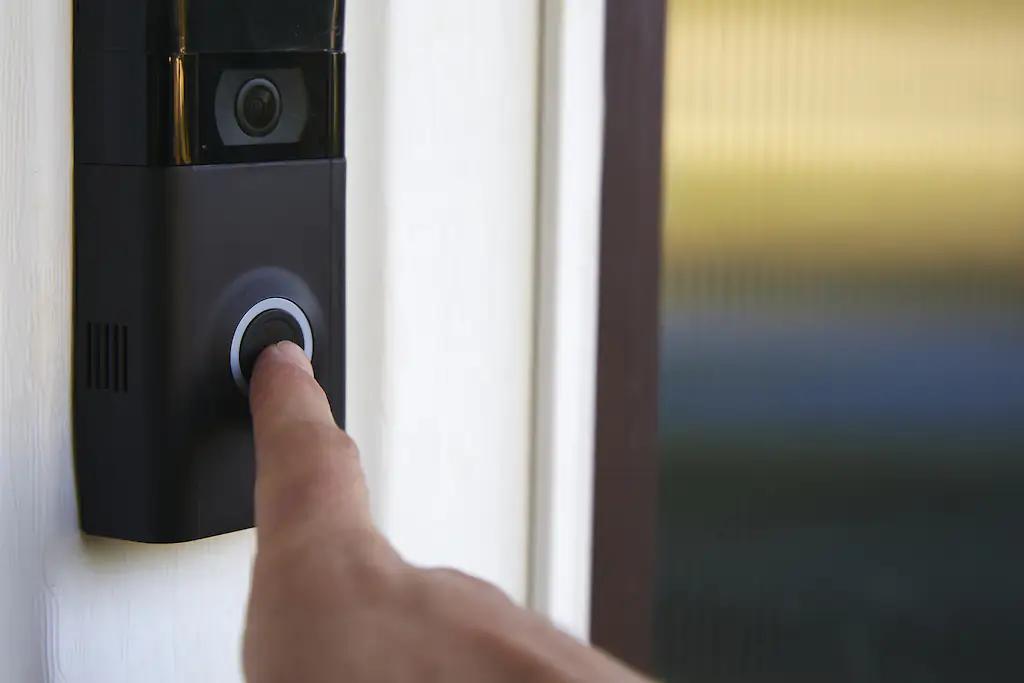
Having a doorbell camera could deter burglars.
Credit: EyeWolf/Getty
advertisement
Visible security can be as important as hidden protection
Some security features only become clear after someone tries to enter. Others can discourage an attempt before it starts because they are visible from the walkway or street.
A camera, motion light, alarm notice, and solid lock tell an approaching stranger that the property may record them, alert the resident, and resist a quick entry. None of those measures offers a guarantee, but together they remove several advantages an intruder may be looking for.
Residents do not need to cover the front of the house with equipment. The most useful placement is around the doors, windows, paths, and corners that someone would have to use to approach the building.
advertisement
Overgrown landscaping can give intruders somewhere to hide
One of Robin's less obvious warnings concerned the space around the house. Tall shrubs and thick plants can provide cover near a door or window, giving someone a concealed place to wait, look inside, or try to enter.
The former Marine advised his followers: "Keep vegetation trimmed, maintain clear sightlines to entry points and place thorny or low-maintenance plants beneath windows to discourage close approaches."
He also warned that burglars may watch for clues that a property has been empty for several days. Robin said: "Accumulated packages, overflowing mailboxes and empty driveways for days advertise absence."
advertisement
A tidy yard can improve the view of doors and windows
Plants do not have to be removed to make the outside of a home easier to watch. Trimming branches below windows and keeping paths clear can reduce the number of places where someone could remain hidden close to the building.
Robin also suggested thorny or low-maintenance plants beneath windows. The idea is to discourage someone from standing or moving through that area while keeping the window visible from outside.
Clear sightlines can also help cameras capture a useful image. A camera pointed at an entrance may miss important movement if leaves, branches, or decorative items block the view.
advertisement
Packages and mail can reveal when a home is empty
A property can look secure and still advertise that nobody has been there for days. Several untouched packages, a full mailbox, or a driveway that remains empty can create a clear pattern of absence.
These signs matter because they suggest an intruder may have more time before being interrupted. A home that appears active presents more uncertainty: somebody could return, answer the door, switch on a light, or notice movement outside.
Anyone leaving for several days can ask a trusted person to collect deliveries, move bins, or check the property. The aim is not to create an elaborate performance, but to prevent obvious signs of absence from building up.
For residents who plan to be away, Robin recommended several ways to keep the property from appearing abandoned: "Arrange package deliveries, request mail holds when away, use timed lights or run a car occasionally to create normal activity cues."
His advice drew thousands of responses, with viewers adding security ideas of their own. One commenter shared an unverified belief about flags and how burglars may judge the risk of entering certain American homes: "I don't know if this is true but I've heard they don't like houses with the American flag because they think the homeowners have guns."
That claim was presented as something the commenter had heard rather than a confirmed rule. Robin's main advice focused on steps residents can control directly: lock entry points, improve lighting, remove hiding places, and avoid leaving clear signs that the home is empty.