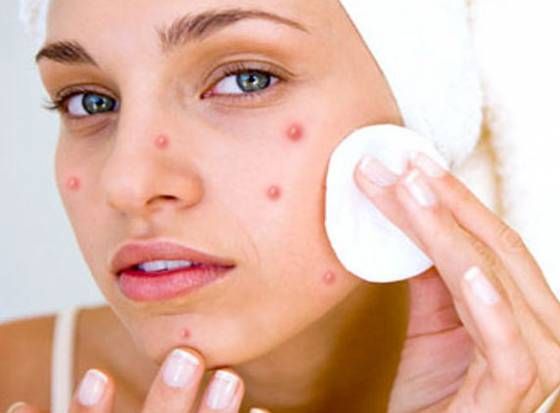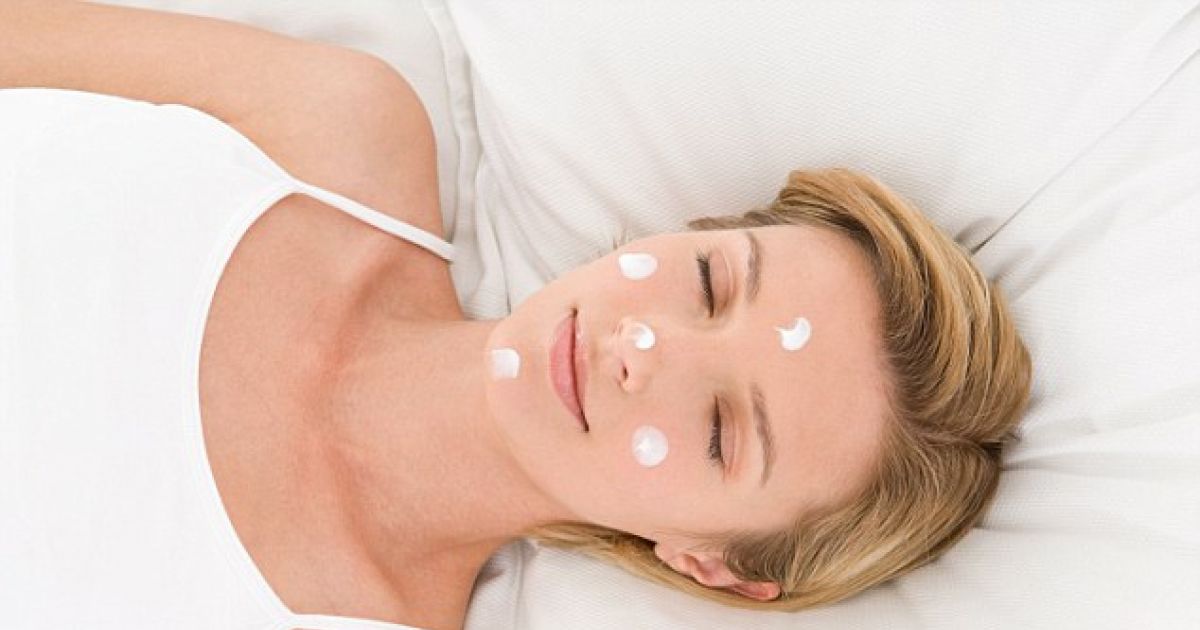
From Putting Toothpaste On Spots To Eating Raw Garlic And Rubbing Lemons On Your Face: We Debunk The Myths About How To Cure Acne And Spots
#1
With over 80 per cent of people between the ages of 11-30 suffering from acne and spots, it's little wonder there are so many myths, home remedies, misconceptions and herbal concoctions around.
But lacking in scientific basis and safety assessment, these can actually do more harm than good.
Here, we debunk a bunch of the most common blemish-busting myths and explain why you'd save face seeing your pharmacist instead
#2 Toothpaste
We've all tried it; a dab of toothpaste on a stubborn spot before bed in the hope it will have miraculously disappeared come morning by drawing out excess oil and drying it up.
But according to Dr Mahendra Patel, academic pharmacist and member of the Royal Pharmaceutical Society, this trick is little more than an old wives' tale.
'Toothpaste invariably contains various ingredients of a chemical nature that can often aggravate the acne and cause further irritation of the skin.' Much better to save the minty fresh for your pearly whites.
#3 Perfume
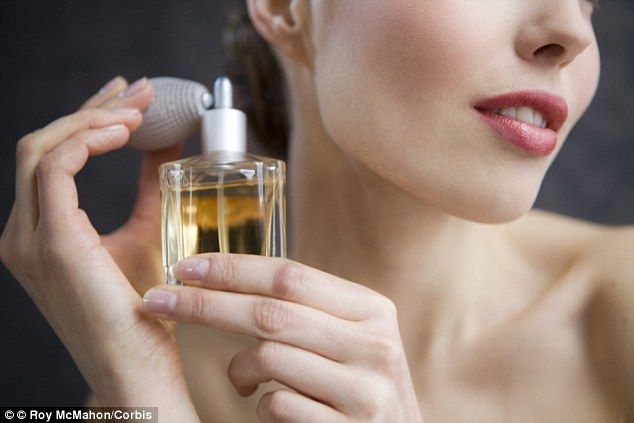
As well as wasting your favourite scent, spritzing perfume onto a breakout could have detrimental effects on your skin. In theory, the alcohol in perfume kills bacteria on the surface of our skin a contributing factor to acne and blemishes but it is also seriously irritating.
Researchers at the University of Washington found that synthetic fragrance ingredients can trigger skin irritation in over 20% of the American population and the European Scientific Committee on Consumer Safety has identified a total of 54 individual chemicals and 28 essential oils commonly used in perfume that can be categorized as allergens.
#4 Asprin
We often herald aspirin as a one-stop cure for all ailments gargling it for a sore throat, wiping it on wounds and taking it once a day to lower blood pressure. When it comes to acne, however, you'd be better off opting for a proven treatment.
While aspirin does reduce inflammation and even contains a form of the all-important spot-fighting ingredient, Salicylic Acid, aspirin is not designed for topical treatment for acne and can exacerbate existing conditions and cause severe allergic reactions.
It's far safer to pop in to your local pharmacy; 'The advice a pharmacist gives can be an essential component in managing acne,' says Dr Patel.
A pharmacist will be able to recommend topical treatments that contain the acne-treating ingredient Benzoyl Peroxide as well as other skincare products to support treatment. 'Your pharmacist can also recommend a medically-approved moisturiser and sun protection to support the use of a topical treatment containing Benzoyl Peroxide,' advises Dr Patel.

#5 Ice
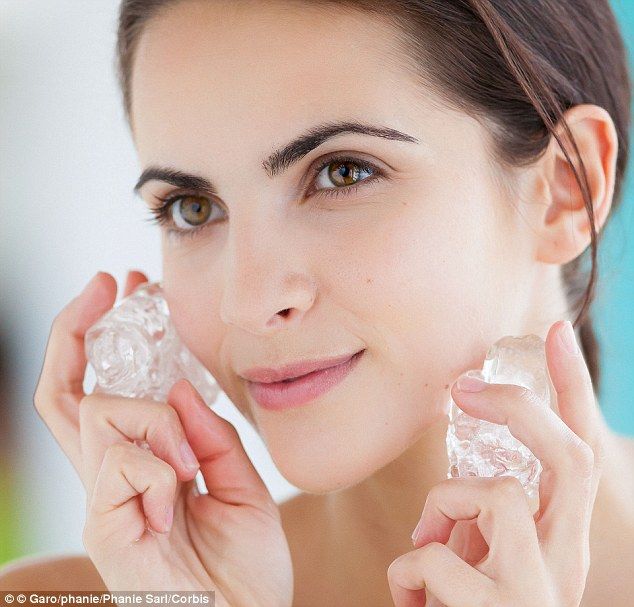
We all know to hold an ice pack to an injury to reduce swelling and many people believe that ice will have the same effect on spots. But while it may temporarily relieve soreness by numbing the area and clamp down on the blood vessels making the spot temporarily appear less red, ice contains no active ingredients that have been shown to help treat the causes of pimples and applying ice directly on to the skin can result in ice-burns and even rosacea.
#6 Garlic
Garlic has been used since medieval times to banish witches and evil spirits but it's not so great at banishing blemishes. The NHS notes that chomping on raw garlic can be a good source of Vitamins C and B6 but research conducted by the NHS in association with the British Dietetic Association found that there is no actual evidence to support garlic as a way to improve overall health.
The other rather bizarre remedy of rubbing cloves onto skin comes from the supposed antibacterial properties of the flavoursome bulb but can in actuality cause burns yes, burns. A case study published in the European Journal of Dentistry explains that diallyldisulfide a naturally-occuring chemical in garlic cloves is heat sensitive and so can result in burn-like injuries if in direct contact with skin
#7 Egg Whites
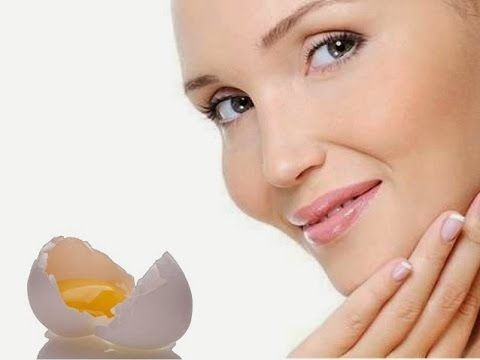
Aside form creating quite the mess, egg whites have been rumoured to be a miracle cure for acne. It's believed that egg whites are a rich source of skin-nourishing proteins that when applied topically result in flawless, baby smooth skin.
In actuality, egg whites are known to be comedogenic (meaning they clog pores and cause blackheads to form) which is exactly what you need to avoid if you suffer from congested skin.
It's much better to ask your pharmacist for advice on non-comedogenic skincare products and save the eggs for scrambling.
#8 Lemons
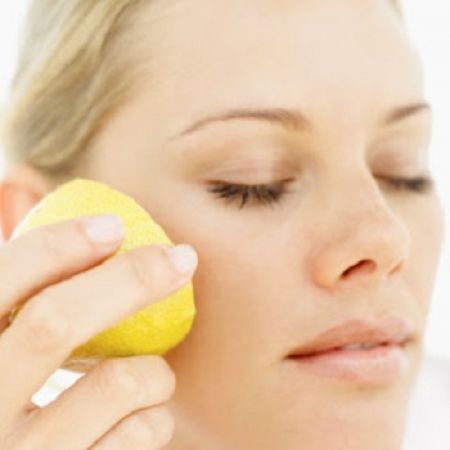
Lemons have potent antioxidant and antibacterial properties but putting the citrusy fruit directly on your skin cause unpleasant stinging, burning and peeling.
As well as these unpleasant immediate side effects of using lemons to treat acne, it can also cause the unwanted consequence of lightening the skin.
#9 SO WHAT CAN YOU DO?
Research has shown that acne has serious psychological effects, especially in teens and young adults, which are sometimes more harmful that the condition itself.
A study published in the Dermatology Online Journal found that teenagers with acne are four times more likely to suffer from depression than the general population while findings published by scientists in the Journal of the American Academy of Dermatology discovered that acne was directly related to lower self-esteem and feelings of uselessness.
Luckily, help is at hand with pharmacists easily accessible at pharmacies nationwide, able to provide expert and confidential advice and effective medication. 'The large majority of pharmacies have a private consultation room as standard. This means patients are able to seek advice off the shop floor with total peace of mind,' says Dr Patel.