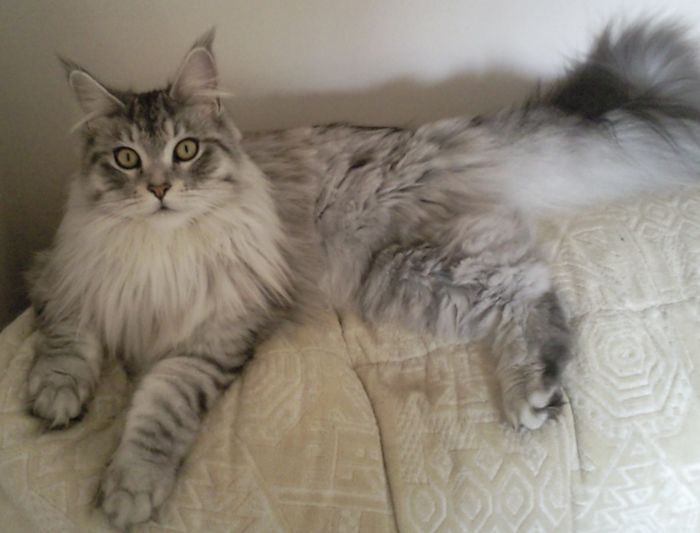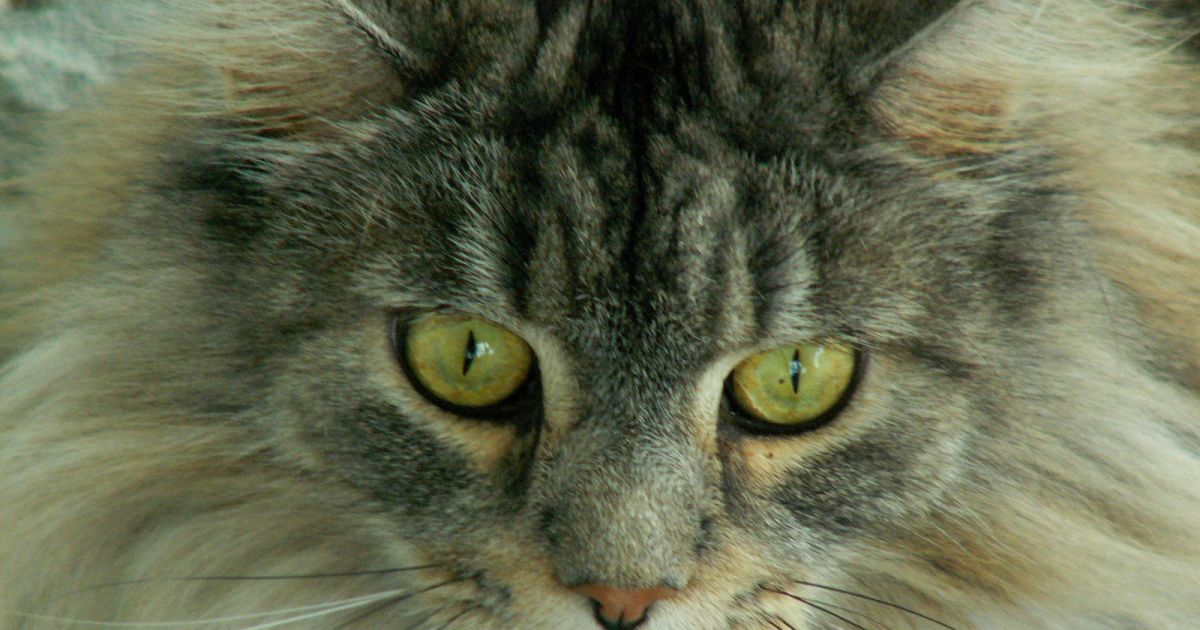
There are several legends about how this cat breed came into being. The most popular one is that a British captain was sailing along the coast of New England and finally came into port. This was in the early 1800s, and the cats on board the ship mated with those on land, thereby resulting in the Maine Coon Cats being born.
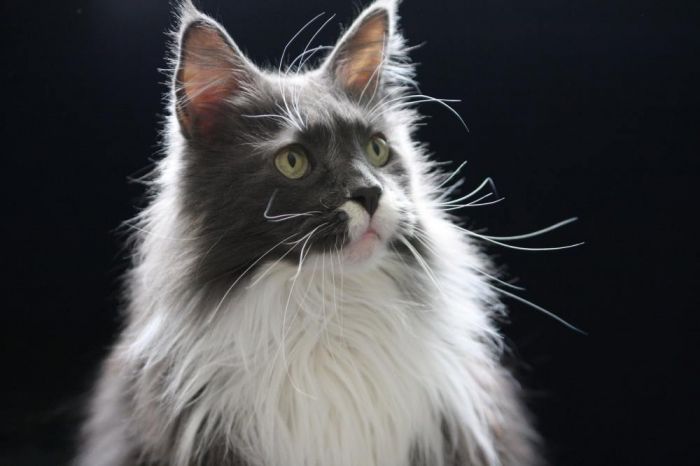
As its name suggests, the Maine Coon is thought to have originated in New England. It is the only show cat breed that is indigenous to the United States. The Maine Coon is believed to be the result of breeding between domestic shorthair cats that came to America with European settlers, and longhaired cats on sailors' ships that docked along the Eastern seaboard. Survival of the fittest determined which litters could live through the harsh New England winters, with the strongest starting the Maine Coon lineage. Known as a working cat, Maine Coons were acclaimed for their mousing skills on farms.
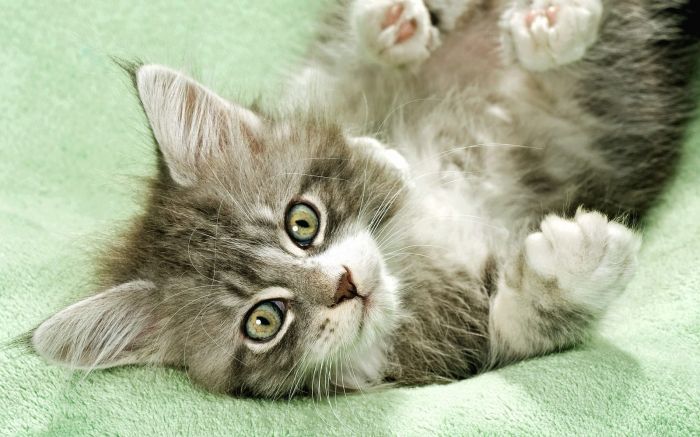
However these cats came into being, what is obvious is that they are rising in popularity. They became included in professional cat shows and are now the second most popular cat breed. The breed is also recognized officially by the International Cat Association.
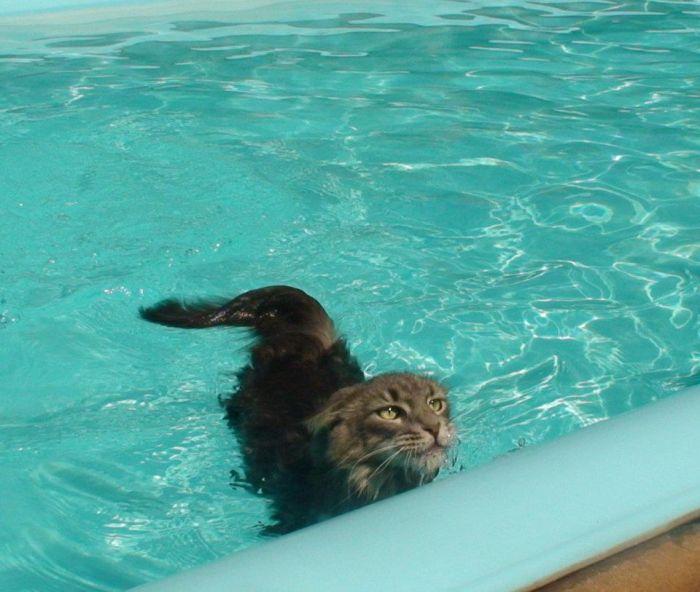
Floats On Water
Okay, okay, while the Maine Coon is an impressive cat, it cannot walk on water. It does, however, have water-resistant fur that not only enables it to withstand harsh frigid climates, but swim effortlessly through water.
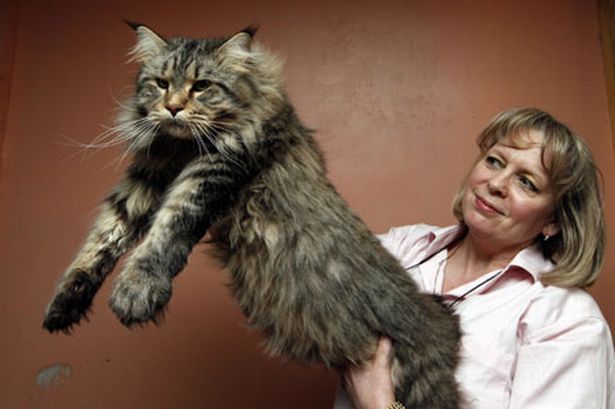
Biggest Domestic Cat
Maine Coons are the largest domestic cat breed. They're big boned and muscular, with males weighing up to 18 pounds. Maine Coons can be up to 40 inches in length and come in 75 different color combinations. They're also called the American Longhair.
They’re Ready for Winter
As Maine Coons adapted to life on the east coast, they have long, shaggy multi-layered fur and large paws that help them walk on the snow. They also have furry ears (some with tufts) and bushy tails, which they can actually wrap around their body for extra warmth.
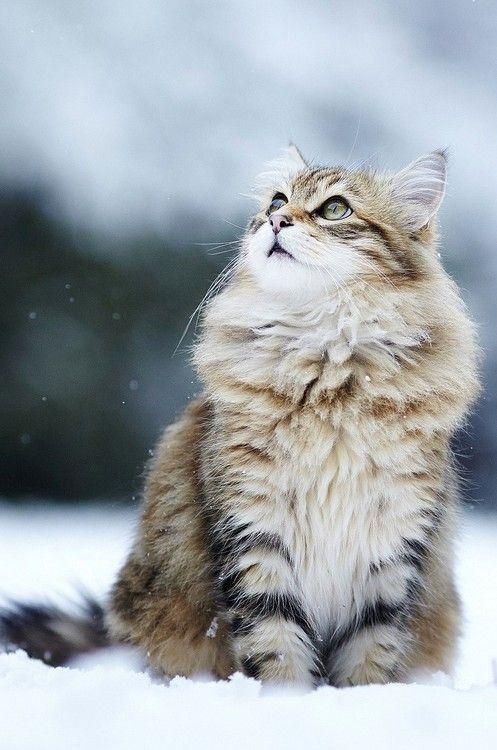
Alpine Cat
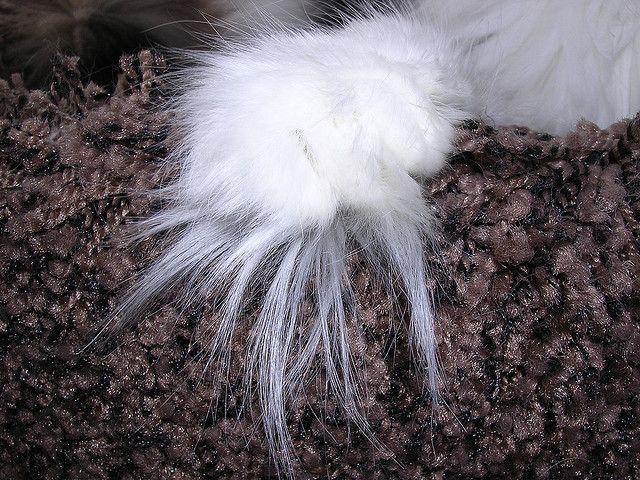
Although we're unaware of any Maine Coon champion skiers, this cat's extra large paws have big tufts of fur between the toes that work like built-in snow shoes. All that, and not one skiing lesson required. Who knew?
Do they make good pets?
Maine coon cats are clever, energetic and playful.
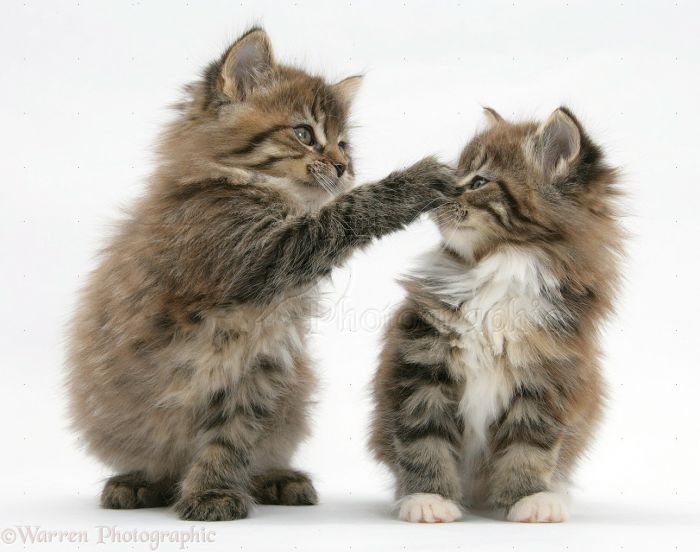
They love being in families that have lots of other pets as well as children. They possess much more dexterity than regular cats, and are capable of scooping up objects, toys and food using their paws, almost like raccoons. This breed of cat can stretch themselves up and use their flexible paws to open doors using door knobs.
They Chirp and Trill
Maine Coons don't typically "meow;" they chirp and trill (a mixture of a meow and a purr). Cats may chirp when they spot prey and a trill is often an expression of happiness.
Related to Norwegian Forest Cats?
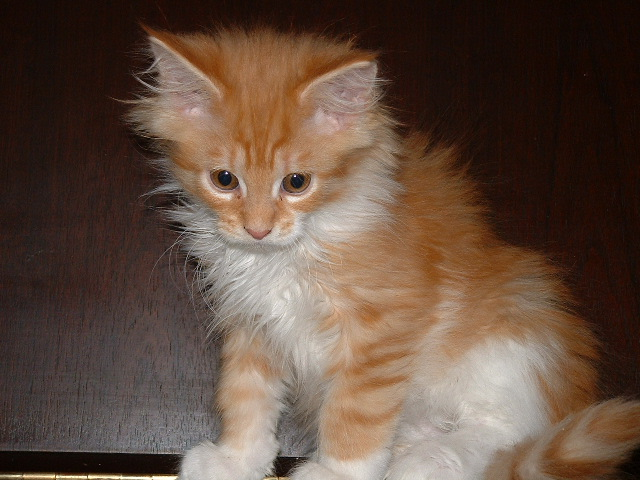
Yet another theory about Maine Coons' origins states that they came to America with the Vikings, which is why they resemble Norwegian Forest Cats.
Mensa-Ready
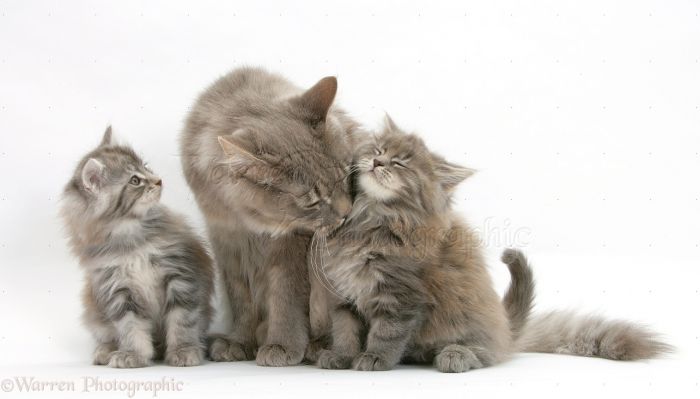
This cat is one super smart, athletic and lovable feline. Best of all, she will never leave you to sit with the "cool" kids. Cats are like that. They know a quality friend when they see one. And that's you. Cats are smart like that, too. Especially the Maine Coon.
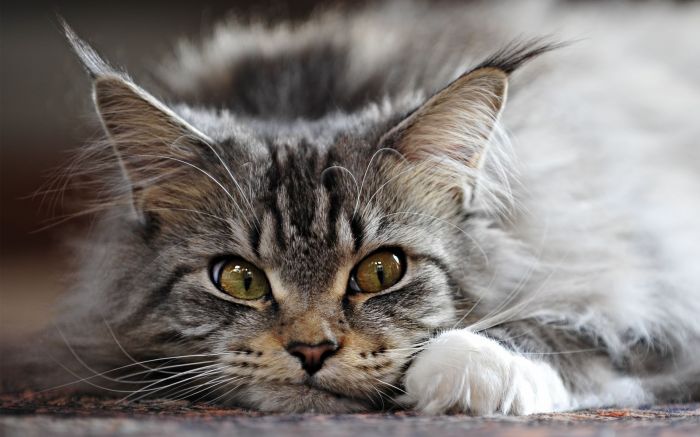
Coon’s Cats
Another theory for how Maine Coons got their name is that they are descendants of seafaring cats belonging to British Captain Charles Coon, who sailed off of New England in the 1800s. The cats were said to be called "Coon's cats."
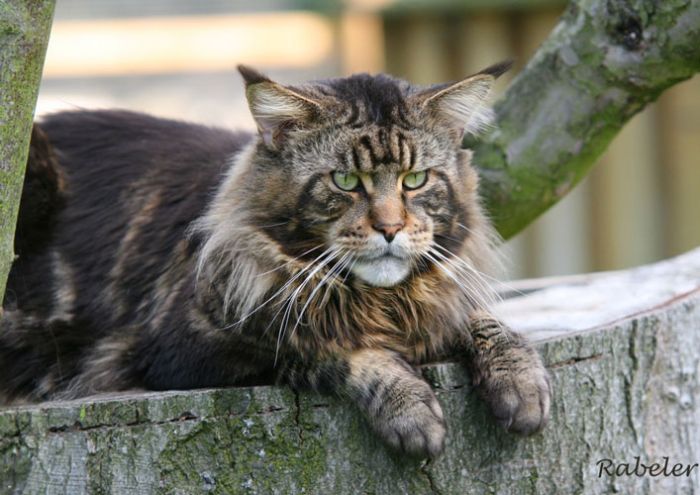
“Dogs of the Cat World”
Maine Coons tend to be highly social and like human interaction. They're known for being friendly, loyal, and playful, and they typically get along well with children and other pets. They can even play fetch and be walked on a leash!
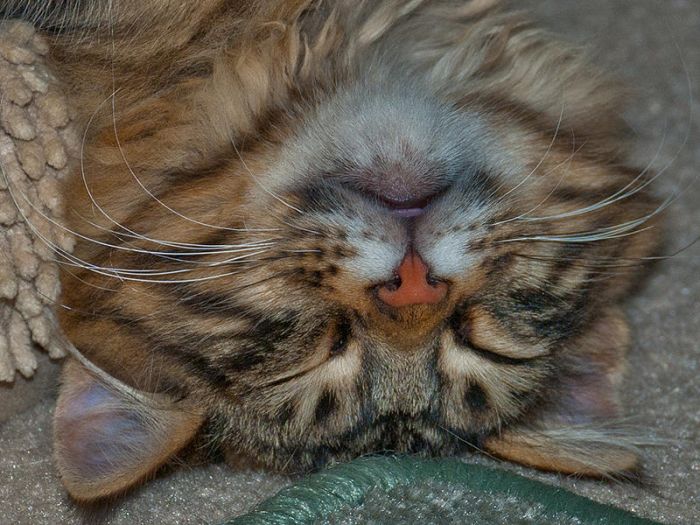
Official State Cat
Officiating as the Maine state cat, and bearing the title "America's native longhaired cat," these massive cats are one of the largest domestic cat breeds. Many of their physical attributes such as their water-resistant coats or rounded tufted feet are clearly adaptations made to enable them to survive the harsh Maine winters.
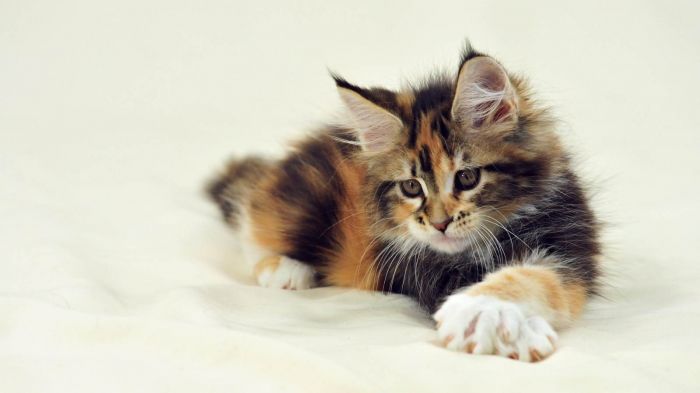
Playtime
Some people say cats are aloof. Obviously, these people haven't met the Maine Coon. Sure, the Maine Coon may not be a lap cat, but she's very loving and playful. Bring out the scrabble and the string! Additionally, she likes to talk in her special trilling voice and she's gentle when she plays. So, let the games begin!
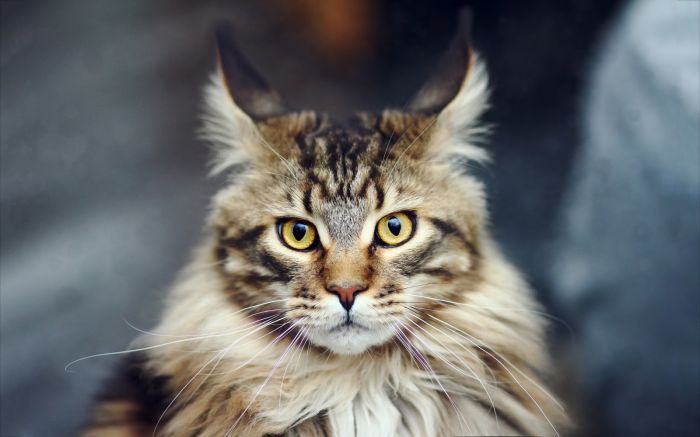
The Only Show Cat Breed Originating in the US
As mentioned, the Maine Coon is thought to be the result of breeding between domestic shorthair cats and longhair cats that hitched a ride to America on European settlers' ships. Only the strongest and fittest could survive the harsh New England winters, and to this day Maine Coons are known as hearty working cats with excellent hunting skills.
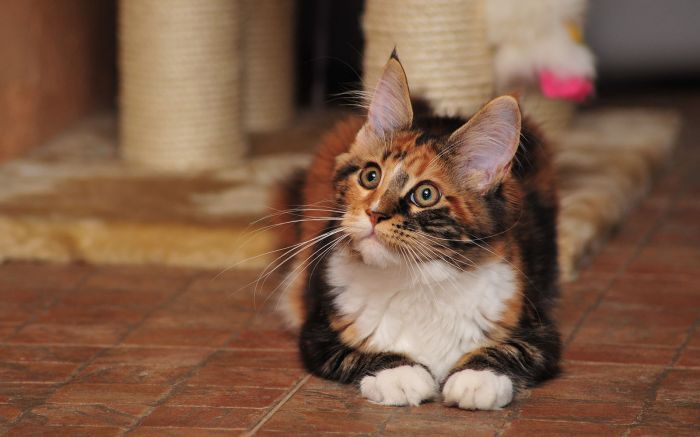
Care Requirements
Despite the length of the Maine Coon's coat, it has a silky texture that doesn't mat easilyif you groom it regularly. It is easily cared for with twice weekly combing to remove dead hair and distribute skin oils. Useful grooming tools include a stainless steel comb for removing tangles and what's called a grooming rake to pull out dead undercoat, which is what causes tangles when it's not removed. Use it gently, especially in the stomach area and on the tail. Maine Coons are patient, but they don't like having their hair pulled any more than you do. Check the tail for bits of poop stuck to the fur and clean it off with a baby wipe. Bathe a Maine Coon as needed, which can range from every few weeks to every few months. If his coat feels greasy or his fur looks stringy, he needs a bath.
Brush the teeth to prevent periodontal disease. Daily dental hygiene is best, but weekly brushing is better than nothing. Trim the nails every couple of weeks. Wipe the corners of the eyes with a soft, damp cloth to remove any discharge. Use a separate area of the cloth for each eye so you don't run the risk of spreading any infection. Check the ears weekly. If they look dirty, wipe them out with a cotton ball or soft damp cloth moistened with a 50-50 mixture of cider vinegar and warm water. Avoid using cotton swabs, which can damage the interior of the ear.
Keep the Maine Coon's litter box spotlessly clean. Cats are very particular about bathroom hygiene, and a clean litter box will help to keep the coat clean as well.
It's a good idea to keep a Maine Coon as an indoor-only cat to protect him from diseases spread by other cats, attacks by dogs or coyotes, and the other dangers that face cats who go outdoors, such as being hit by a car. Maine Coons who go outdoors also run the risk of being stolen by someone who would like to have such a beautiful cat without paying for it.
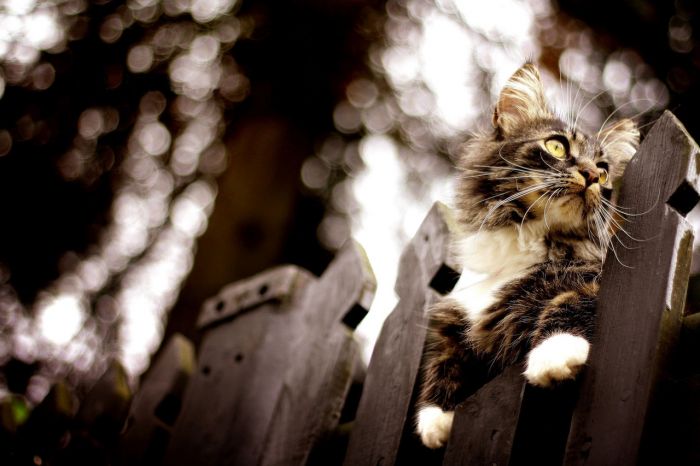
Winner of the First American Cat Show
The first American cat show was held in New York City in 1895. The winner was a brown tabby Maine Coon cat named Cosey, who belonged to Mrs. E. N. Barker.
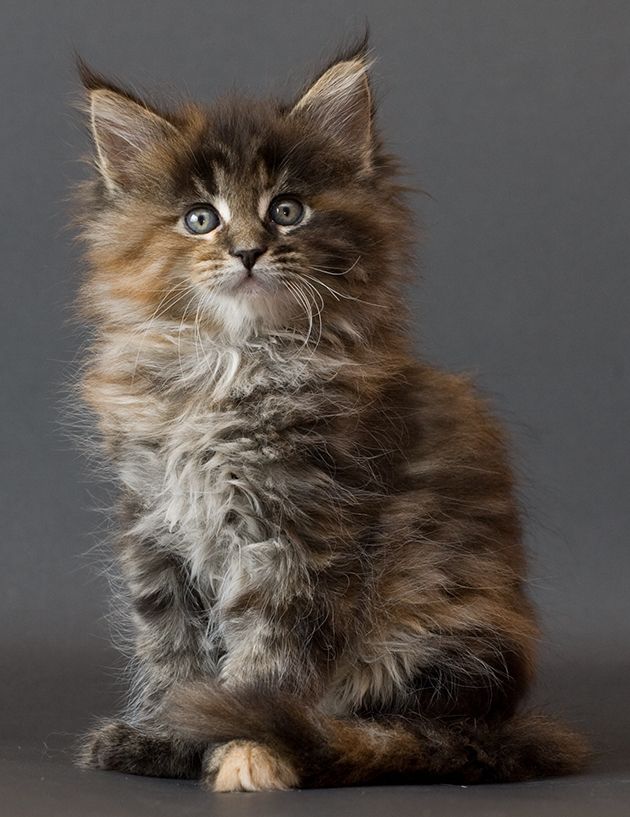
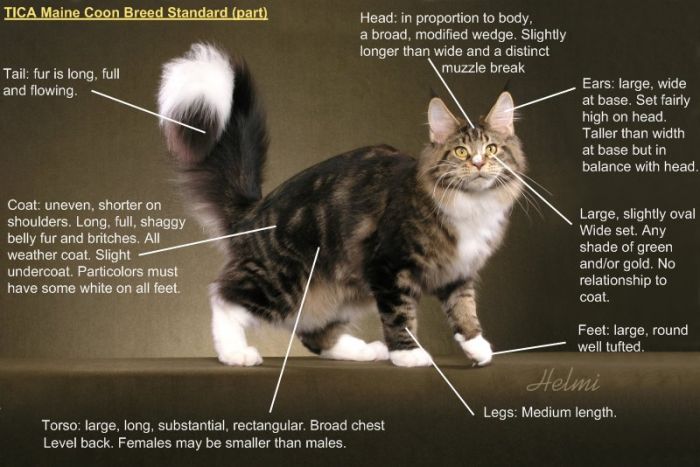
The Maine Coon coat comes in an amazing variety of colors and patterns, including a wide range of solids, tortoiseshell, tabbies, tabby with white, and parti-color (two colors).
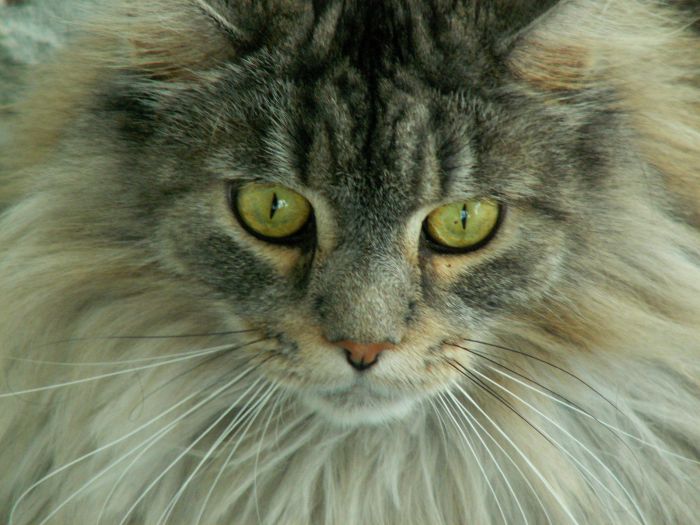
Did you know these 10 interesting facts about these Native American cats?
They are excellent mousers.
Their nickname is gentle giants.
The first recorded mention of the breed is in 1861. The cat was Captain Jenks of the Horse Marines who was owned by Mrs. E. R. Pierce (as reported on the TICA website.)
Their average lifespan is about 12 to 15 years.
The only restricted coat colors are chocolate, lavender, ticked tabby, or Siamese patterns.
Accepted eye colors are green, gold, green-gold, and copper. Blue-eyes or odd-eyes acceptable in white or bi-colored cats
Because of their lightweight undercoat, the breed is low maintenance for grooming. Weekly brushings keep their coats lustrous and flowing.
These cats are good companions without being overly dependent. Moderately vocal and social, they are intelligent enough to be leash-trained and smart enough to decide when they want companionship.
Maine Coons are loving and good-natured.
There are four common health problems with Maine Coon cats: feline hypertrophic cardiomyopathy (HCM), spinal muscular atrophy (SMA), polycystic kidney disease (PKD), and feline infectious peritonitis (FIP.)
Senior cats may gain weight due to decreasing activity levels so monitor their diets carefully.
Maine Coon cats socialize well with children and other pets.