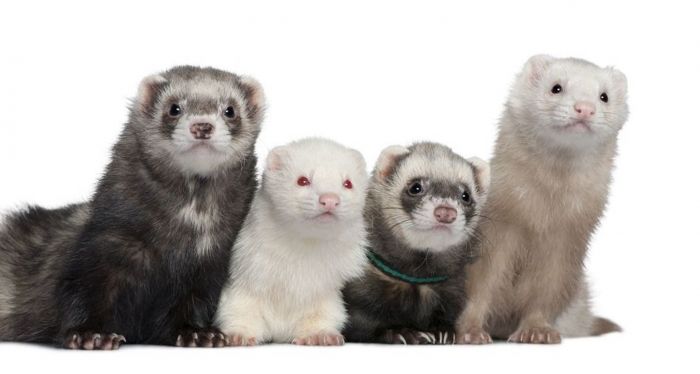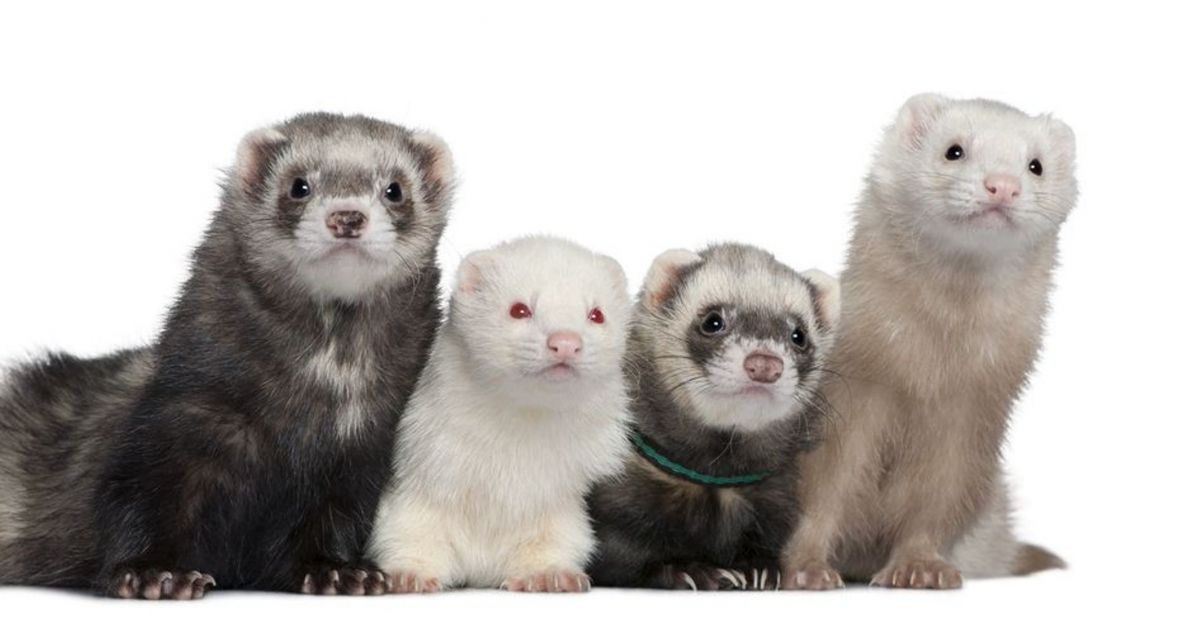
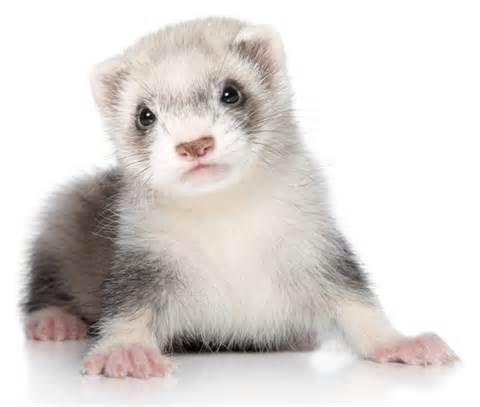
Ferrets are loyal, playful, intelligent, affectionate, and full of hilarious antics.
advertisement
Have you ever looked at a ferret in a pet store and wondered what it would be like to own one?
Or perhaps you have a friend who owns a ferret, and you've become curious about what kind of pet a ferret would be. The following is some basic ferret information - from the history of the ferret, to feeding requirements, to playtimes - to give you an idea of what ferret ownership will be like.
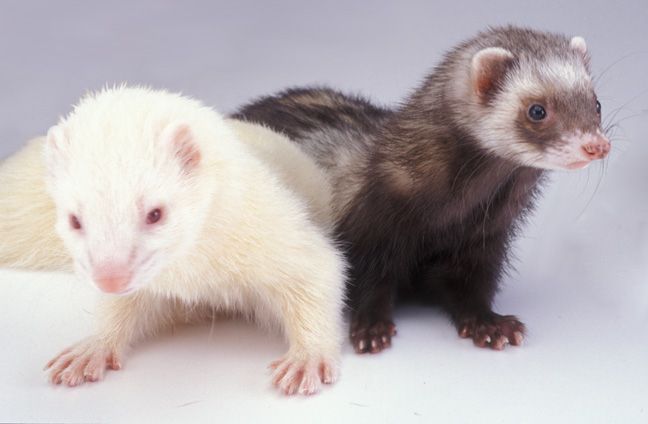
It's a common misconception that ferrets are rodents.
In fact, ferrets are in the Mustelid family along with otters, mink, weasels, and polecats. They have been domesticated for over 2,000 years, and their duties have included hunting rabbits, vermin control, running cable and wire through small spaces (there is even a rumor that ferrets ran video cabling for the wedding of Princess Diana and Prince Charles) and, of course, companionship.
advertisement
Only one species of ferret is kept as a pet.
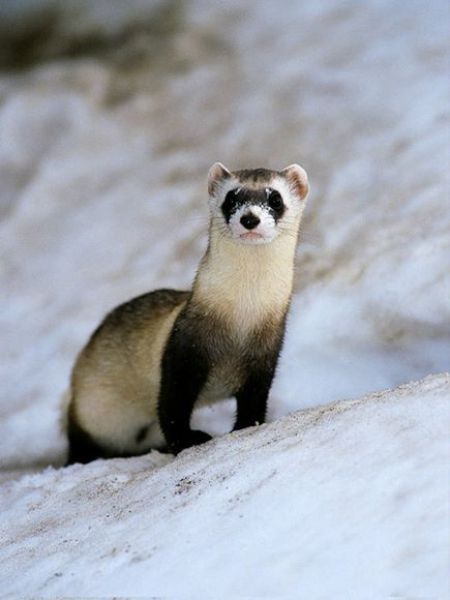
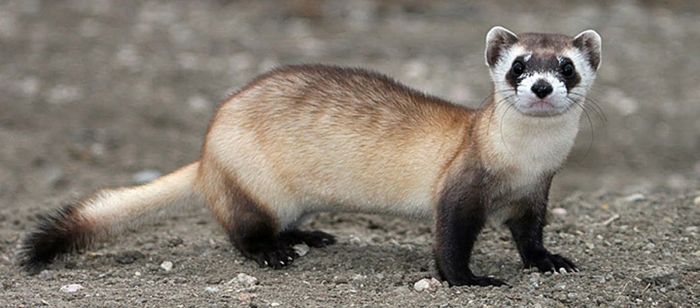
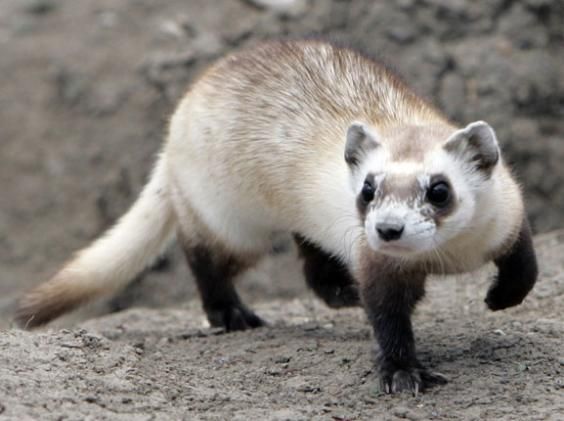
It descended from European ancestors, and its scientific name is Mustela furo. Pet ferrets are available in various coat colors and patterns within the species. Note: The black-footed ferret is a wild cousin of the pet ferret, but the two should not be confused. Black-footed ferrets (Mustela nigripes) are the only ferret native to North America and have never been domesticated. In fact, black-footed ferrets are fighting their way back from near extinction.
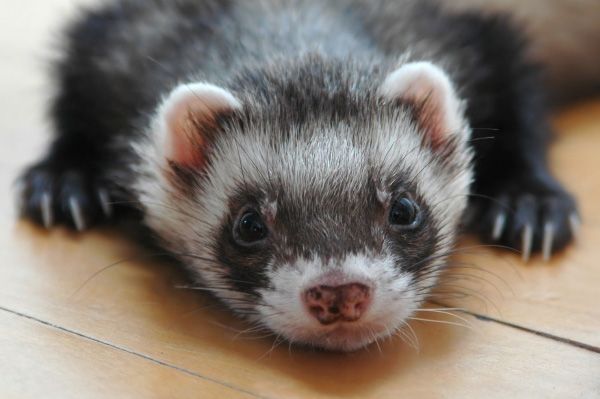
Is the ferret a wild animal?
No, a ferret is not a wild animal. Unlike its cousins, the otter, weasel and badger, the domestic pet ferret is NOT a wild animal. Ferrets were domesticated by humans as early as 63 BCE. The domestic ferret (Mustela [putorius] furo) should not be confused with the wild black-footed ferret (Mustela nigripes), an endangered species native to the Midwestern United States. If the domestic ferret escapes outdoors, it rarely survives for more than a few days. For this reason, it is very important to ensure a ferret's home and surroundings are safe and "ferret-proofed."
advertisement
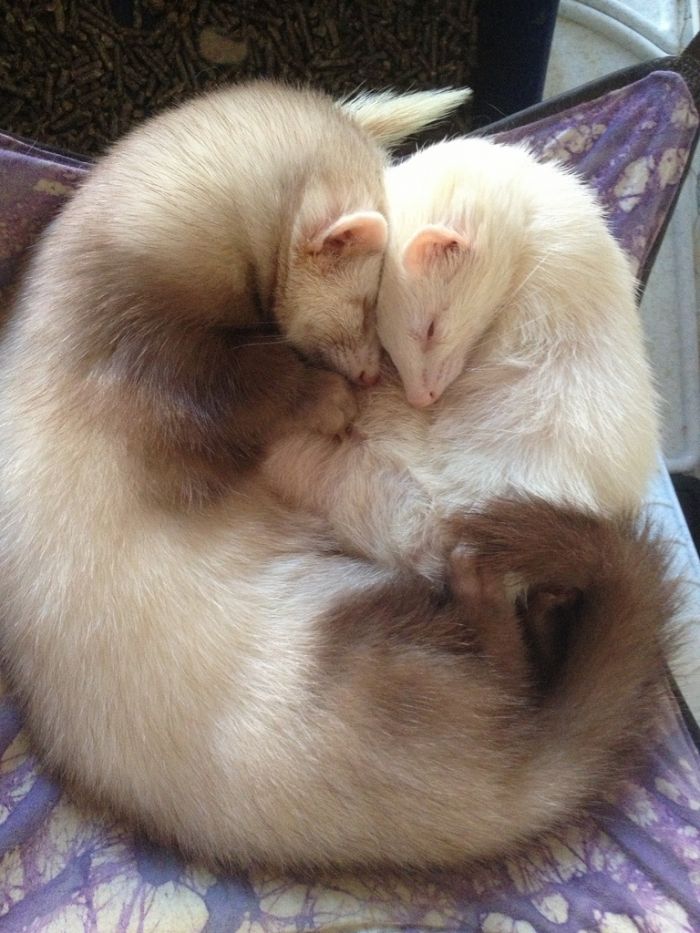
Females are called jills, and males are hobs.
Baby ferrets are called kits. In North America, spayed females are sometimes called sprites and neutered males called gibs. A group of ferrets is a "business of ferrets."
advertisement
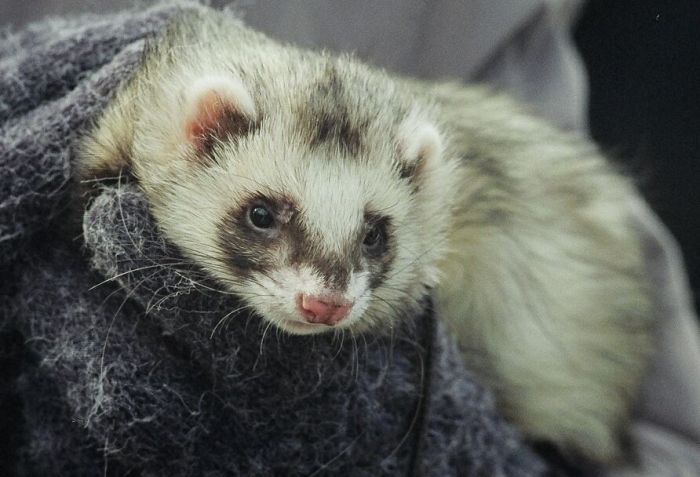
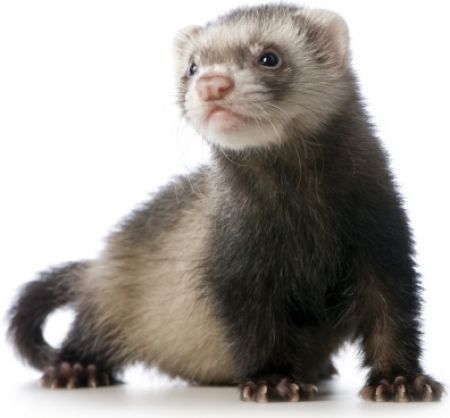
Males tend to be larger than females in length and weight.
Females are 13-14 inches long and weigh anywhere from 0.75 to 2.5 lbs, whereas males are on average 15-16 inches long and weigh 2-3.5 lbs if neutered and are even larger (4 or more lbs) if not neutered.
advertisement
Most ferrets obtained in North America are spayed or neutered and descented at a very young age before being sold.
advertisement
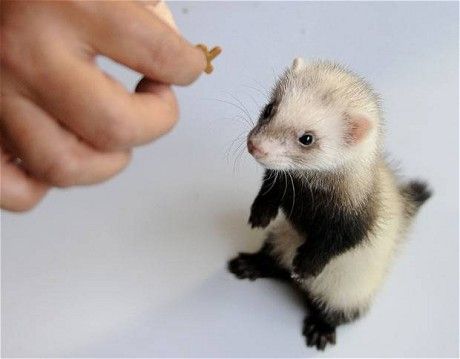
Ferrets sleep a large part of the day, commonly around 18 hours.
They naturally tend to be active at dawn and dusk, but usually adapt their sleeping and active times to the fit the schedules of their owners.
advertisement
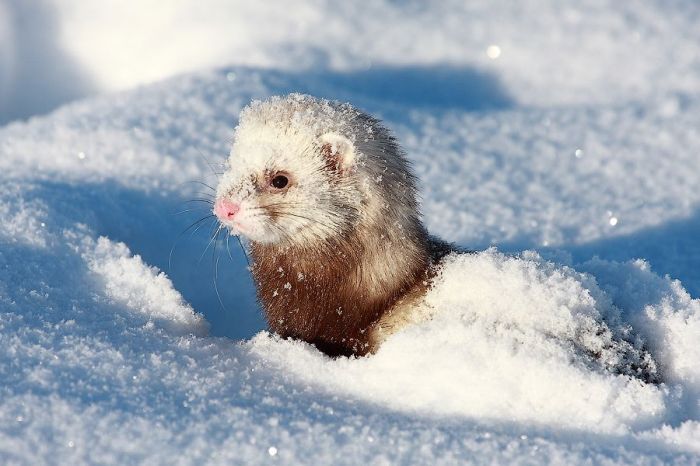
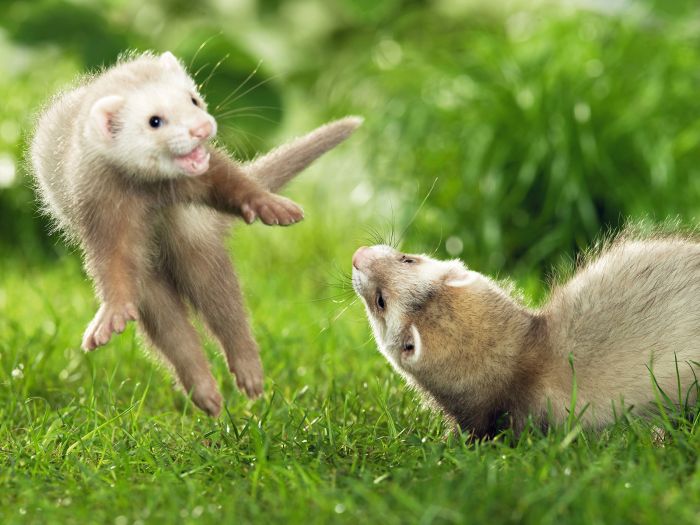
Ferrets are very playful, and are very entertaining to watch.
advertisement
Ferrets have relatively poor eyesight but a keen sense of smell and hearing.
advertisement
Ferrets have an undeserved reputation of being smelly.
It is true that they have a distinctly musky odor about them, but it is neither offensive nor overpowering. This musky odor comes from their skin glands and is present whether the ferret is descented or not. While occasional baths are recommended, frequent bathing will not reduce the scent, and will likely make it worse as the skin will get too dry and the skin glands will produce more oils in an effort to combat the dryness.
advertisement
The name ferret is derived from the latin furonem, which means "thief."
Ferret owners can attest that this is a well deserved name, as they will happily steal anything they can get their paws on and hide it in their house.
Ferrets come from the same family ("Mustelidae") as badgers, wolverines, otters, mink, weasels, black footed ferrets and polecats.
advertisement
The distant ancestry of the domestic ferret is somewhat of a mystery, although they are very closely related to the European polecat.
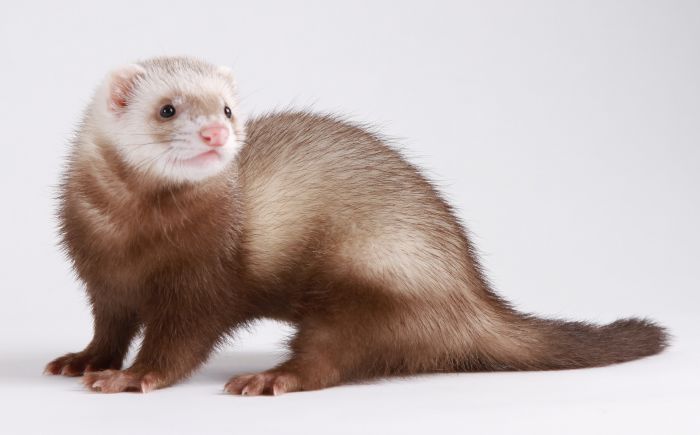
Ferrets are obligate carnivores
The natural diet of their wild ancestors consisted of whole small preyi.e., meat, organs, bones, skin, feathers, and fur. Ferrets have short digestive systems and quick metabolism, so they need to eat frequently. Prepared dry foods consisting almost entirely of meat (including high-grade cat food, although specialized ferret food is increasingly available and preferable) provide the most nutritional value and are the most convenient, though some ferret owners feed pre-killed or live prey (such as mice and rabbits) to their ferrets to more closely mimic their natural diet. Ferret digestive tracts lack a cecum and the animal is largely unable to digest plant matter. Before much was known about ferret physiology, many breeders and pet stores recommended food like fruit in the ferret diet, but it is now known that such foods are inappropriate, and may in fact have negative ramifications on ferret health. Ferrets imprint on their food at around six months old. This can make introducing new foods to an older ferret a challenge, and even simply changing brands of kibble may meet with resistance from a ferret that has never eaten the food as a kit. It is therefore advisable to expose young ferrets to as many different types and flavors of appropriate food as possible.
advertisement
Ferrets have four types of teeth (the number includes maxillary (upper) and mandibular (lower) teeth):
Twelve small teeth (only a couple of millimeters) located between the canines in the front of the mouth. These are known as the incisors and are used for grooming.
Four canines used for killing prey.
Twelve premolar teeth that the ferret uses to chew foodlocated at the sides of the mouth, directly behind the canines. The ferret uses these teeth to cut through flesh, using them in a scissors action to cut the meat into digestible chunks.
Six molars (two on top and four on the bottom) at the far back of the mouth are used to crush food.
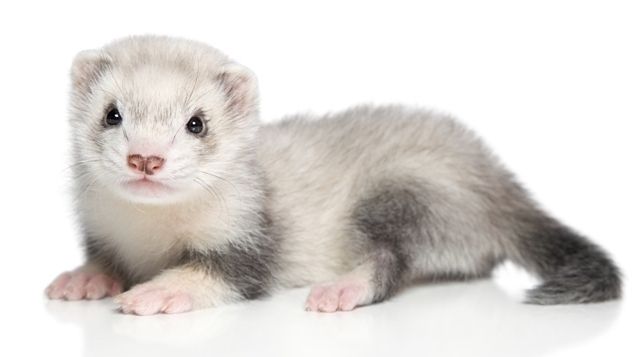
Ferrets are known to suffer from several distinct health problems.
Among the most common are cancers affecting the adrenal glands, pancreas, and lymphatic system. Viral diseases include canine distemper and influenza. Health problems can occur in unspayed females when not being used for breeding. Certain health problems have also been linked to ferrets being neutered before reaching sexual maturity. Certain colors of ferret may also carry a genetic defect known as Waardenburg syndrome. Similar to domestic cats, ferrets can also suffer from hairballs and dental problems.
advertisement
For millennia, the main use of ferrets was for hunting, or ferreting.
With their long, lean build, and inquisitive nature, ferrets are very well equipped for getting down holes and chasing rodents, rabbits and moles out of their burrows. Caesar Augustus sent ferrets or mongooses (named "viverrae" by Plinius) to the Balearic Islands to control the rabbit plagues in 6 BC. In England, in 1390, a law was enacted restricting the use of ferrets for hunting to the relatively wealthy
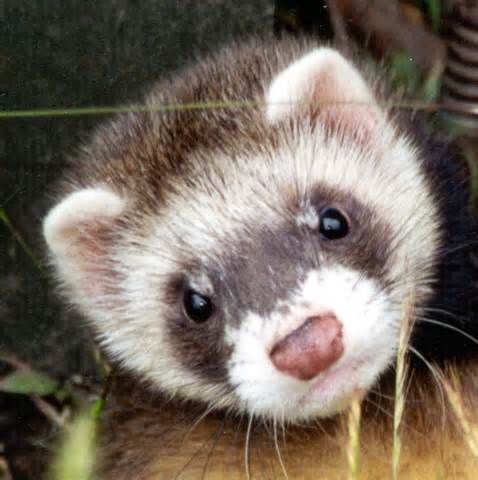
Ferrets were first introduced into the New World in the 17th century
and were used extensively from 1860 until the start of World War II to protect grain stores in the American West from rodents. They are still used for hunting in some countries, including the United Kingdom, where rabbits are considered a plague species by farmers. The practice is illegal in several countries where it is feared that ferrets could unbalance the ecology. In 2009 in Finland, where ferreting was previously unknown, the city of Helsinki began to use ferrets to restrict the city's rabbit population to a manageable level. Ferreting was chosen because in populated areas it is considered to be safer and less ecologically damaging than shooting the rabbits.
advertisement
Ferret owners have a variety of fun nicknames for ferrets: ferts, fuzzies, carpet sharks, furballs, and more!