Video gaming disorder is going to be named a mental condition for the first time, according to New Scientist.
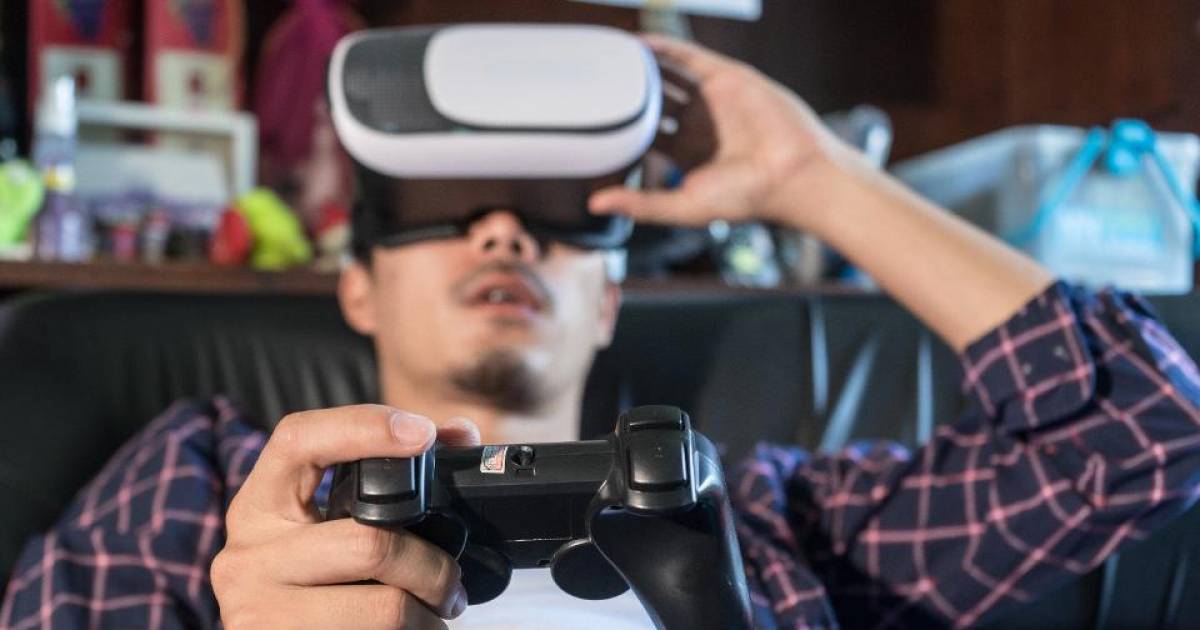
Gaming Disorder Is A Mental Health Condition, According To The World Health Organization.
By
Sughra Hafeez in
Health and Fitness
On 27th December 2017
advertisement
#1
Gaming Disorder is now labeled in the International Classification of Diseases, a diagnostic manual that is published by the World Health Organization.

#2
The beta draft of the WHO's forthcoming 11th update of International Classification of Diseases (ICD-11) now includes "gaming disorder" along with the following description:
Gaming disorder is characterized by a pattern of persistent or recurrent gaming behaviour (‘digital gaming’ or ‘video-gaming’), which may be online (i.e., over the internet) or offline, manifested by 1) impaired control over gaming (e.g., onset, frequency, intensity, duration, termination, context); 2) increasing priority given to gaming to the extent that gaming takes precedence over other life interests and daily activities; and 3) continuation or escalation of gaming despite the occurrence of negative consequences.

advertisement
#3
The behavior pattern is of sufficient severity to result in significant impairment in personal, family, social, educational, occupational or other important areas of functioning. The pattern of gaming behavior may be continuous or episodic and recurrent. The gaming behavior and other features are normally evident over a period of at least 12 months in order for a diagnosis to be assigned, although the required duration may be shortened if all diagnostic requirements are met and symptoms are severe.
#4
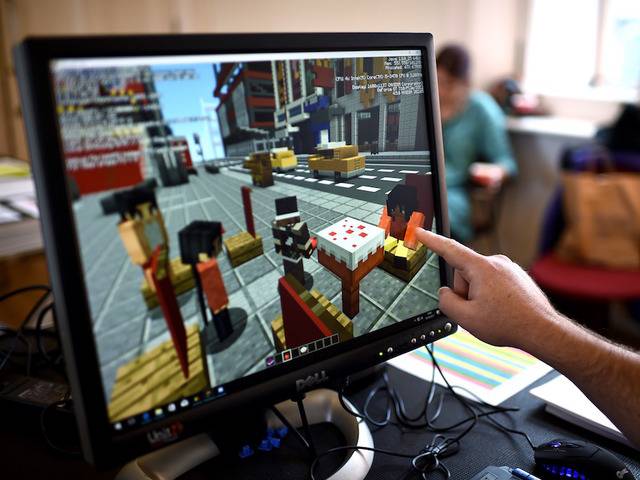
The agency has not listed other conditions linked to technology, such as a so-called smartphone or internet addiction, due to a lack of evidence they are 'real disorders'.
advertisement
#5
Last year, researchers from the University of Oxford’s Internet Institute undertook a study to investigate the percentage of gamers who are addicted to video games.
The study, published in the American Journal of Psychiatry, found that only 2 to 3 per cent of the 19,000 men and women surveyed from the UK, the US, Canada and Germany admitted that they experienced five or more of the symptoms from the American Psychiatric Association checklist of health symptoms.

advertisement
#6
The WHO said gaming disorder is wider than just video gaming disorder. It will be a subset of its International Classification of Diseases, which was last updated in 1990.

advertisement
#7
Estimates of the proportion of computer game players who have a problem range from 0.2 percent to one in five. Action games like Call of Duty and Grand Theft Auto have been found to deplete a key memory center in the brain called the hippocampus.

advertisement
#8
"Gaming is highly addictive, and it is no wonder so many respondents from our study admit to playing them for so long," said Mark James, a security specialist at ESET.

advertisement
#9
There is still a major debate about whether or not gaming poses a threat to an individual's mental health. Especially when the amount of time per day one plays video games is factored into the equation.

advertisement
#10
A member of the WHO’s Department of Mental Health and Substance Abuse said according to The Independent, "Most people who play video games don’t have a disorder, just like most people who drink alcohol don’t have a disorder either. However, in certain circumstances overuse can lead to adverse effects."