

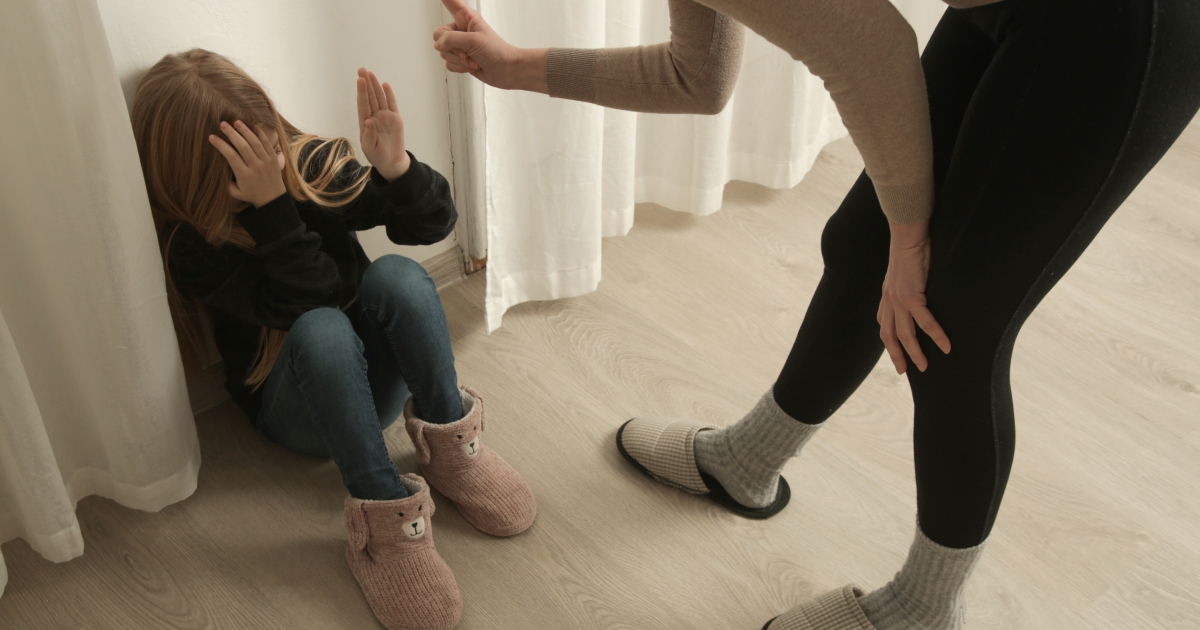
A study of 4,000 adults found that many millennial and Gen Z parents still use physical punishment, often repeating discipline they experienced as children.
advertisement
Spanking has become less common with each new generation, but it has not disappeared from family life. A recent study found that a sizable number of Gen Z and millennial parents still use it to punish their children.
The research was published last month in the Canadian Journal of Public Health. When younger parents were asked whether they had ever struck a child with an open hand as punishment, about one in five answered "yes."
The generation gap was clear. Around 45% of Gen X parents said they had spanked their children, more than twice the share reported among millennials and Gen Z. The drop suggests that attitudes are changing, though physical punishment remains part of many homes.
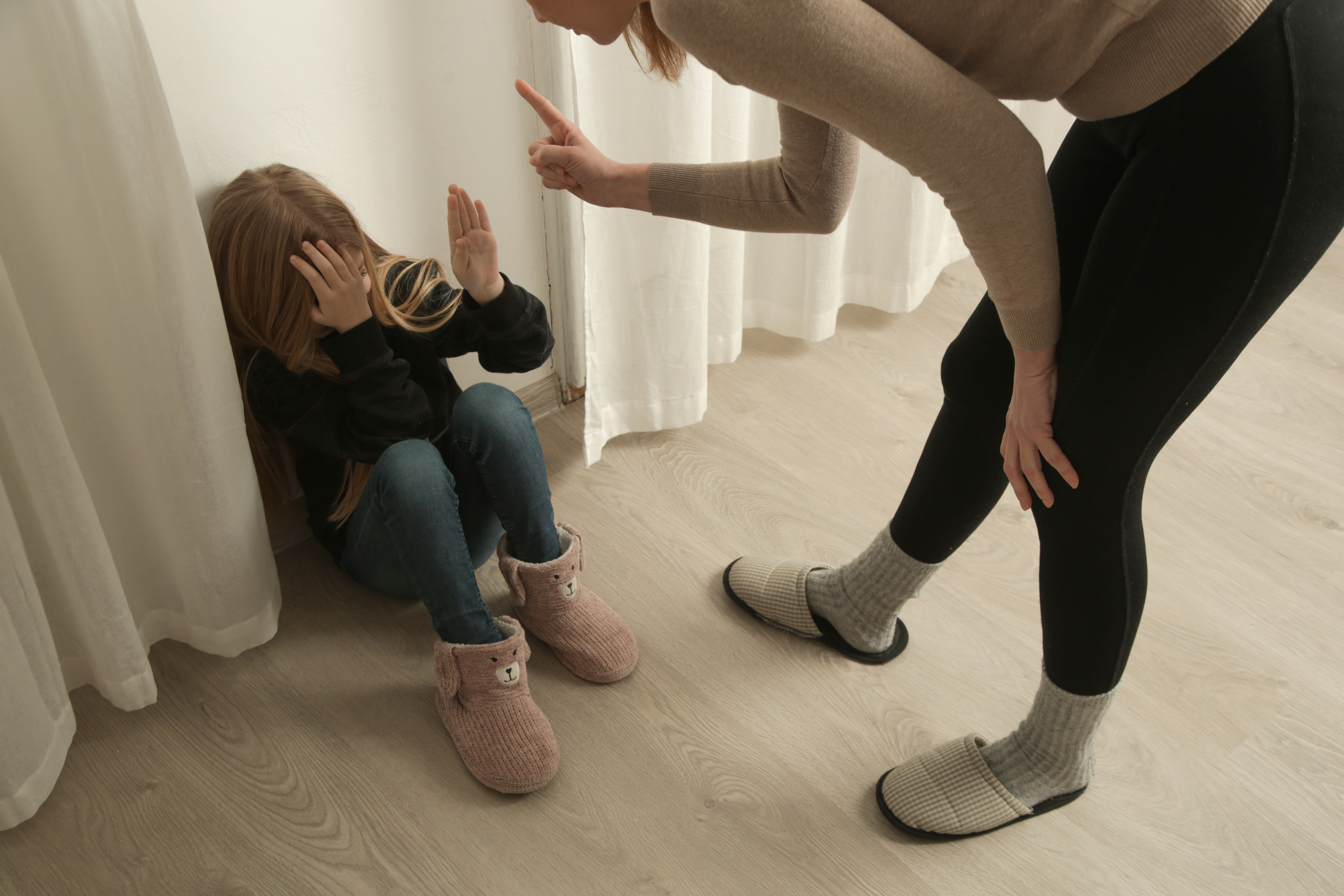
When Gen Z and millennial parents were asked whether they had ever spanked their children, about one in five reported doing so.
triocean – stock.adobe.com
Child health experts say a lower rate does not make spanking harmless. The main concern is that it may stop a behavior for a few minutes without teaching the child what to do differently the next time they feel angry, upset, or overwhelmed.
"I generally do not recommend physical discipline," mother, pediatrician, and parenting expert Isha Mannering told The Post.
She explained why quick obedience can be misleading: "While it may result in compliance in the moment, it does so through fear rather than by teaching the deeper skills children actually need, such as self-regulation or sound judgment." A child may become quiet because they are scared, but fear does not teach patience, problem-solving, empathy, or control over strong emotions.
advertisement
The survey included 4,000 adults. Although younger generations reported using less physical discipline, 15% of everyone questioned still believed spanking was needed to raise a child properly.
Mannering said children also learn from how adults respond to stress. When a parent uses force during anger or conflict, a child may begin to see hitting as an acceptable way to deal with frustration, especially when the stronger person believes the other person has behaved badly.
She pointed to a 2021 study that followed children over time. Those who were spanked at age 3 had a greater chance of showing outward behavior problems by age 5, including damaging their own belongings, treating others badly, or becoming physically aggressive.
Why immediate obedience does not prove spanking works
Parents may feel that spanking is effective because the unwanted behavior often stops at once. That reaction measures what happens in the next few seconds, however, rather than whether the child understands the rule or can make a better choice later.
Physical punishment may teach a child to avoid being caught instead of helping them understand why an action was unsafe, unkind, or unacceptable. It can also shift the child's attention away from what they did and toward anger, fear, or resentment about being hit.
Discipline works differently when it gives children a clear limit and a predictable result. The goal is not to let bad behavior pass without a response. It is to correct the behavior in a way that also builds the judgment and self-control the child will need when no adult is standing nearby.
advertisement
The possible effects may continue beyond childhood. A 2017 study found that people who had been spanked were more likely to act violently toward a romantic partner later in life.
Both the American Academy of Pediatrics and the World Health Organization oppose spanking. Their guidance treats physical punishment as a child development and health concern, not simply a private disagreement over different parenting styles.
The organizations also reject the idea that there is a harmless dividing line between a light spank and more serious physical discipline. Their position focuses on the use of pain or discomfort to control behavior, even when no lasting physical mark is left.

Dr. Isha Mannering (above) notes that physical discipline can normalize the use of physical force as a response to frustration or conflict.
Isha Mannering / Facebook
advertisement
The WHO defines corporal punishment as any punishment "in which physical force is used and intended to cause some degree of pain or discomfort, however light." That definition covers actions intended to hurt or frighten a child, even when the force is described as mild.
The American Academy of Pediatrics had already strongly advised against spanking in its 1998 clinical report on discipline. Its updated 2018 policy took a firmer position and urged parents and caregivers not to use physical punishment at all.
"Although many children who were spanked become happy, healthy adults, current evidence suggests that spanking is not necessary and may result in long-term harm," the academy advised in a statement. The wording recognized that many adults who were spanked grew up without obvious problems while still making clear that this does not prove the practice is safe or needed.
advertisement
What pediatricians recommend instead
The AAP advises parents to focus on teaching good behavior rather than causing pain for bad behavior. Its positive discipline guidance includes setting clear limits, noticing good choices, redirecting younger children, and using consequences that connect to what happened.
Consistency matters more than severity. A child is more likely to understand a rule when the parent explains it in simple words and follows through with the same calm response each time. For example, a toy that is being thrown can be removed for a set period rather than the child being hit.
Parents can also pause before responding when they feel close to losing control. Taking a short break, placing a young child somewhere safe, or asking another trusted adult to step in can prevent a stressful moment from turning physical. The limit can still be enforced once everyone is calmer.
advertisement
Mannering said experts across the medical community have reached a consistent view because study after study has failed to show that physical punishment works better than non-physical methods. At the same time, research continues to link it with possible harm.
"Physical punishment is not more effective than non-physical discipline, and it carries greater potential for harm," she said.
That does not mean children should face no rules or consequences. It means discipline should be firm without using pain. Parents can remove privileges, use short and reasonable consequences, help a child repair harm they caused, and explain what behavior is expected next time.

The medical community is unified against physical punishment, according to Mannering.
zilvergolf – stock.adobe.com
advertisement
Governments have also moved away from physical punishment. At least 69 countries have legally banned all corporal punishment of children, including in the home. Sweden became the first country to introduce a full ban in 1979.
In the United States, parents could still legally use some form of physical punishment in all 50 states as of 2024, though laws differ and do not permit conduct that meets the legal definition of child abuse.
The study found that childhood experience strongly shaped later behavior. Adults who had been spanked were much more likely to use the same punishment with their own children, turning one generation's response to stress into the next generation's parenting habit.
advertisement
Among the people surveyed, 55.6% said they had been spanked at least three times while growing up. Another 40.2% reported that it had happened no more than twice, including those who said they had never been spanked.
For parents who grew up with physical punishment, the urge to repeat it may appear before they have time to think. Mannering believes millennial and Gen Z parents can "re-wire" that learned response, especially during moments when exhaustion, anger, or stress makes familiar behavior feel automatic.
"Gen Z and millennial parents have already shown a willingness to break cycles, and they can do that here as well," assured Mannering. Breaking that pattern does not require pretending the impulse never occurs. It begins with noticing it early enough to choose a different action.
advertisement
Mannering explained the practical first step: "Rewiring the response begins with a mindset shift — recognizing the impulse in the moment and replacing a physical reaction with calm, consistent, predictable discipline."
A calm response does not mean a passive one. Parents can stop unsafe behavior, separate children who are fighting, remove an object, or end an activity while keeping their voice and actions under control.
Changing a response learned in childhood can take time, especially when a parent is tired or under pressure. But each moment handled without hitting gives both parent and child another example of discipline based on clear limits, safety, and trust rather than fear.