Get In A Better Mood By Adding These Foods To Your Diet
Work issues, family problems, and all the other obstacles you face in a day can trigger a bad mood.It’s common, but it can affect your physical health and productivity as you go throughout your day.
The problem is that most of us don’t pay enough attention to it and let ourselves gradually fall into an emotional low that significantly alters our quality of life.
Thus, you should pay it the attention it deserves by doing certain activities that make you feel better and increasing your consumption of certain foods that will give you energy and put you in a better mood.
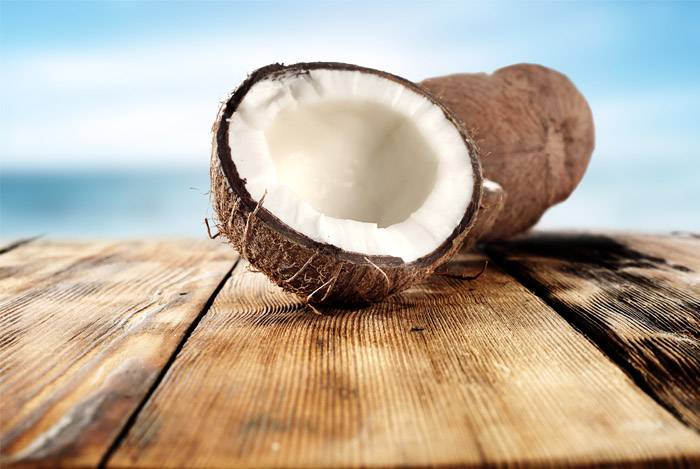
#1 Coconut
The oils that are found in coconut provide a super nutritious source of energy as it primarily consists of medium chain triglycerides, a type of fat that is turned into energy quickly and efficiently. Coconut is utilized by the body to actually produce energy rather than store it as fat.
That’s what we want! Coconut is an awesome food to prevent you from feeling sluggish throughout the day
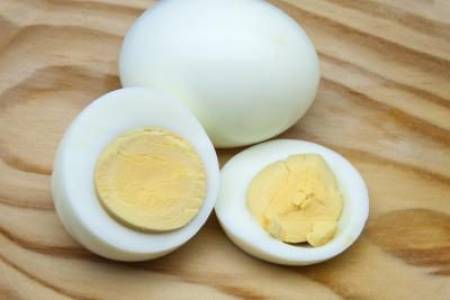
#2 Eggs
Eggs are a good source of the vital nutrient choline. Choline has been shown to have a number of vital functions including optimal cell membrane function and neurotransmission thought to be related to mood and energy levels.
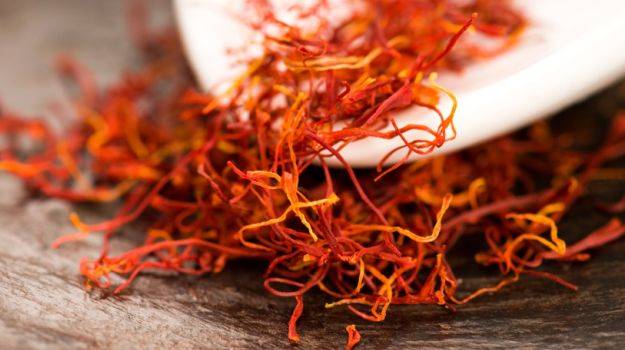
#3 Saffron
Saffron, a spice made from the dried stigmas of crocus plants, is popular in Middle Eastern, Spanish and Indian cuisine. It's also been used to treat depression (and right other internal wrongs) in traditional Persian medicine and as a nerve-calming medicinal incense in Tibetan healing practices
There isn't a wealth of research to back up saffron's effect on mood, but a series of smaller experiments from Iran, which produces most of the world's saffron, showed promising results: Capsules of 30 mg of saffron were more effective at lifting depression than a placebo and were also found to be as effective as Prozac. Saffron can be expensive, and it will take about 15 strands (there are only 3 per flower) to make up a 30 mg dose, according to Duke's Handbook of Medicinal Herbs of the Bible. But consider this your excuse to enjoy an extra helping of paella, the Mediterranean fish stew that owes its color and unique flavor to the spice.
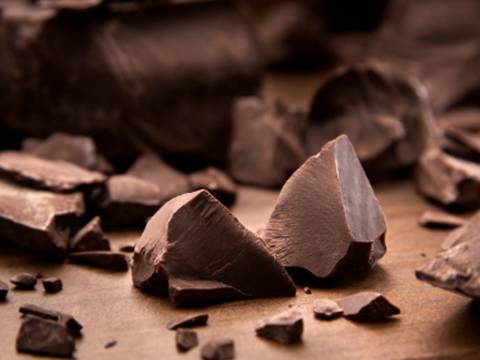
#4 Raw chocolate
When you’re feeling down, believe it or not, eating raw chocolate has the ability to make you feel better. Raw cacao is high in phenylethylamine (the love chemical) and anandamide (the bliss chemical) as well as theobromine, which give you a pick-me-up without any negative side effects-like what you would experience from coffee.
#5
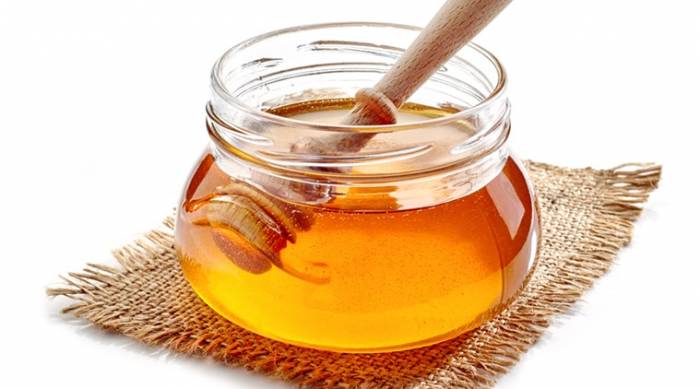
Honey, unlike table sugar, is packed with beneficial compounds like quercetin and kaempferol that reduce inflammation, keeping your brain healthy and warding off depression. Honey also has a less dramatic impact on your blood-sugar levels than regular sugar, so it won’t send your body into fat-storage mode the way the white stuff can.
#6 Berries
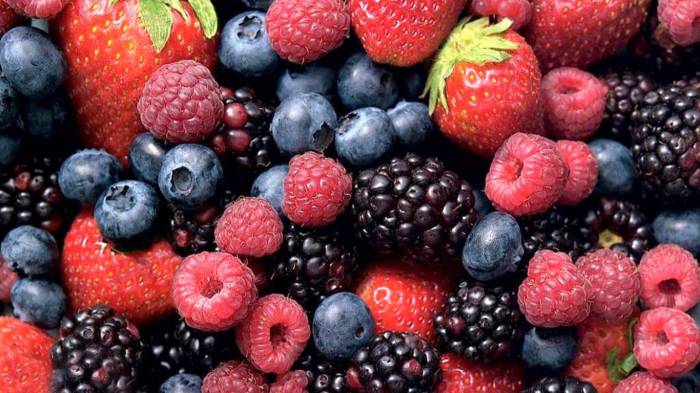
You can’t go wrong with berries if you’re looking to feel good. Raspberries, blueberries, and blackberries contain plenty of antioxidants that will help prevent oxidative stress, leading you to feel better right now.
#7 Mussels
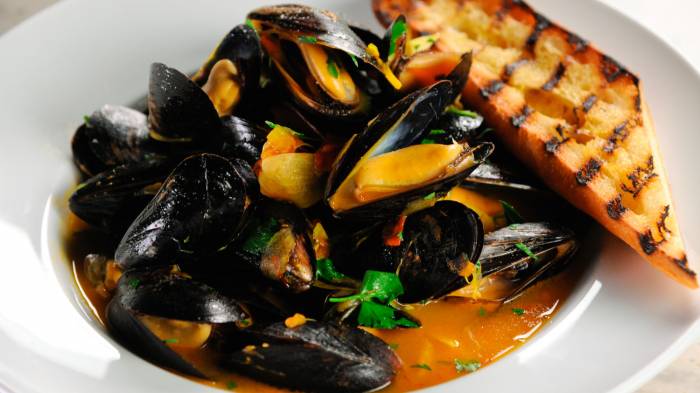
Mussels are loaded with some of the highest naturally occurring levels of vitamin B12 on the planet—a nutrient that most of us are lacking. So what’s B12’s mood-saving trick? It helps insulate your brain cells, keeping your brain sharp as you age. Mussels also contain the trace nutrients zinc, iodine, and selenium, which keep your mood-regulating thyroid on track.
Another benefit? Mussels are high in protein and low in fat and calories, making them one of the healthiest, most nutrient-dense seafood options you’ll find.
#8 Fish
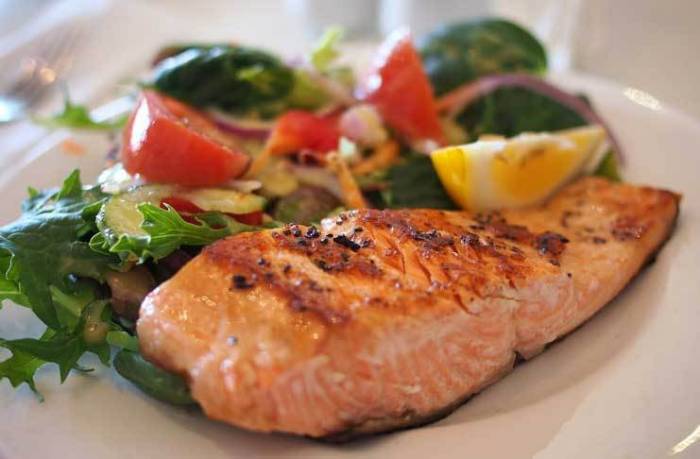
Eating oily, fatty fish (salmon, tuna, sardines, rainbow trout) will give you omega-3s—a key mood-boosting nutrient and one our bodies don’t produce. Omega-3s alter brain chemicals linked with mood—specifically dopamine and serotonin. (Low levels of serotonin are linked with depression, aggression and suicidal tendencies, while dopamine is a “reward” chemical that the brain releases in response to pleasurable experiences, such as eating or having sex.)
#9 Coffee
When You're Feeling Dull its the time for a coffee break. Within half an hour of drinking a cup, says Somer, you get a mental goose. Your nervous system gets revved, and you feel alert and better able to concentrate. Even your reaction time is faster. The caffeine in your cuppa joe effectively short-circuits a nerve chemical called adenosine that blocks your energy-boosting brain chemicals, helping them give you a healthy rush.
To maintain a pleasant, temporary buzz, limit yourself to one to three 5-ounce cups of coffee a day, depending on how well you tolerate caffeine. (Watch portion size: A mug is usually much bigger than a cup, as are the servings in most coffee shops.) If you have trouble sleeping, avoid coffee and other caffeinated foods and beverages before bedtime.
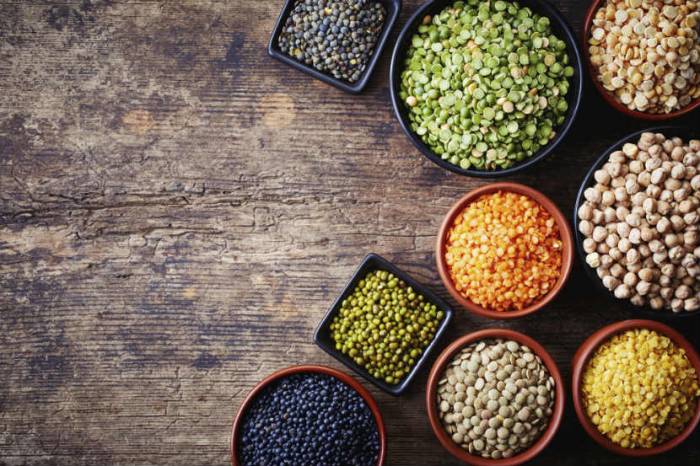
#10 Legumes
Peas, beans, and peanuts are stand-up sources of magnesium, a mineral that plays a core role in your body's energy production. (It's involved in more than 300 biochemical reactions in your system.) "When you exercise, magnesium is redistributed throughout the body to help energy molecules get to where they're needed," explains Forrest H. Nielsen, PhD, a research nutritionist in the USDA's Agricultural Research Service.
A deficiency may cause you to fizzle out more easily. Workout queens need to be extra vigilant (you lose some magnesium through sweat). Legumes will help you fulfill the RDA of 320 milligrams: One cup of white beans has 134 milligrams; even a cup of frozen peas delivers 35 milligrams.
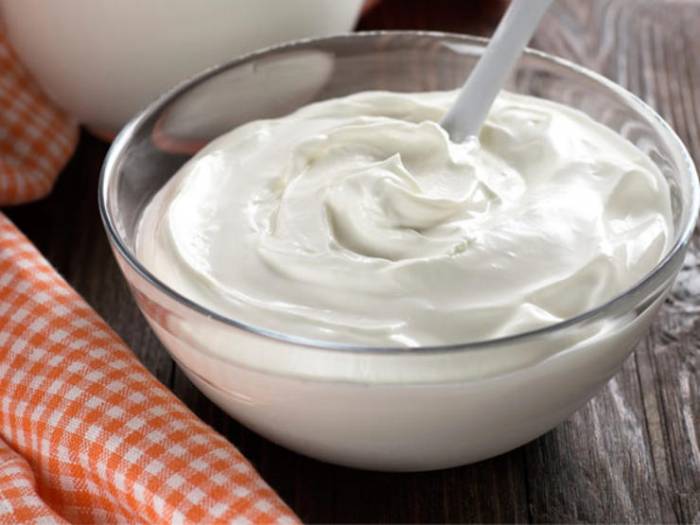
#11 Yogurt
Yogurt has two major components that can help with mood: calcium and beneficial bacteria.
One cup of yogurt contains 44.8% daily value of calcium. Calcium, consumed regularly, has been shown to improve the moods of people who had not been diagnosed with depression.
That is not to say that eating yogurt will immediately make you feel better. These studies had people consuming supplemental calcium daily for several weeks.Yogurt is a fermented food, so it contains colonies of bacteria. Probiotic foods such as yogurt are being heavily researched now, and we can expect more positive effects to be discovered in the coming years.
Your gut contains the majority of your body’s serotonin receptors (serotonin is one of your “feel good" neurotransmitters), so it should not be surprising that there is research being done on probiotics and depression.
Due to the interplay of stress, hormones, inflammation, and levels of gut bacteria, some scientists would consider probiotics to be useful in those with major depressive disorder. In an intervention study, subjects who were initially depressed reported an improvement in mood after supplementation with a probiotic.
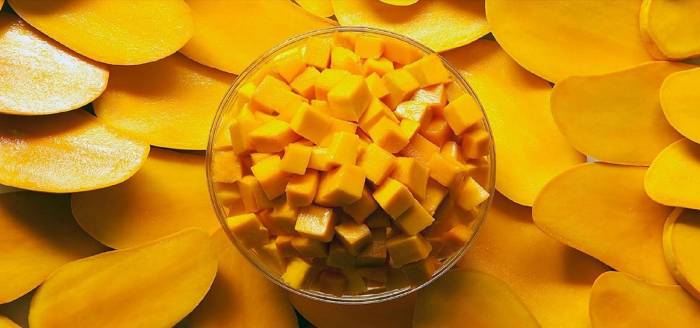
#12 Mango
Mangoes contain more vitamin C than oranges, and that’s not just good for your immune system (although who’s happy when they’re sick?!). Vitamin C may also fight depression by helping the body recover faster from stress.
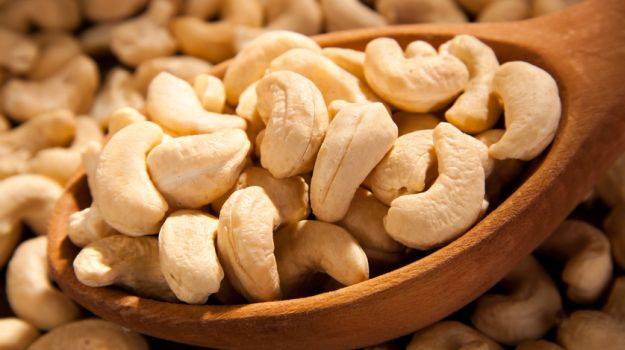
#13 Cashews
Researchers have found that zinc plays a major role in our brain and body's response to stress. A deficiency in this vital mineral can lead to depression, learning and memory impairments, and aggression. Italian researchers discovered that blood levels of zinc are consistently lower in people with depression. One ounce of dry roasted cashews contains 1.6 mg of your daily intake (8 mg for women, 11 mg for men), and they're easy to add to meals or snack on throughout the day.
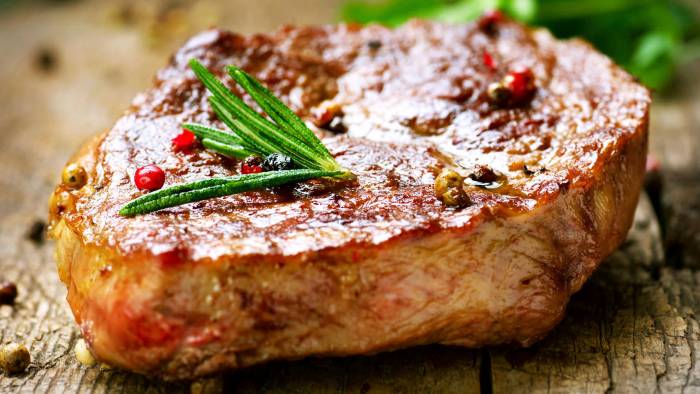
#14 Grass-Fed Beef
High-quality proteins are building blocks for a mood-boosting diet, Jacka says. She highlights grass-fed beef as an example of a healthy protein to include for balancing depression and diet.
According to a research team, grass-fed beef contains more of the healthy fats, such as omega-3 fatty acids, that might play a role in managing depression.
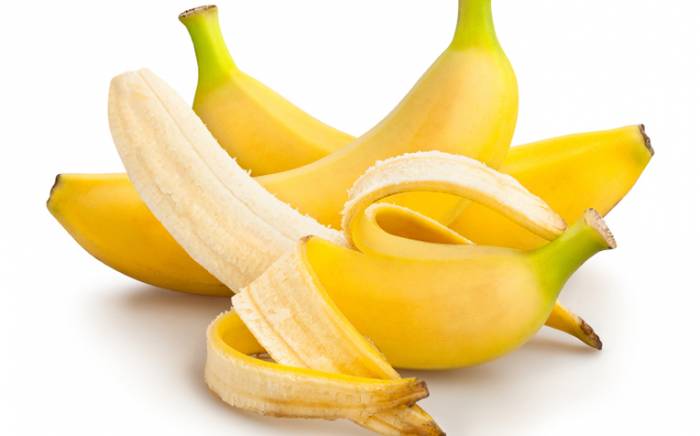
#15 Bananas
Bananas contain the amino acid tryptophan as well as vitamins A, B6 and C, fibre, potassium, phosphorous, iron and carbohydrate. Mood-boosting carbohydrates aid in the absorption of tryptophan in the brain, while vitamin B6 helps convert the tryptophan into the mood-lifting hormone serotonin.
This helps to boost your mood and also aids sleep. Because of its ability to raise serotonin levels, tryptophan has been used in the treatment of a variety of conditions, such as insomnia, depression and anxiety.
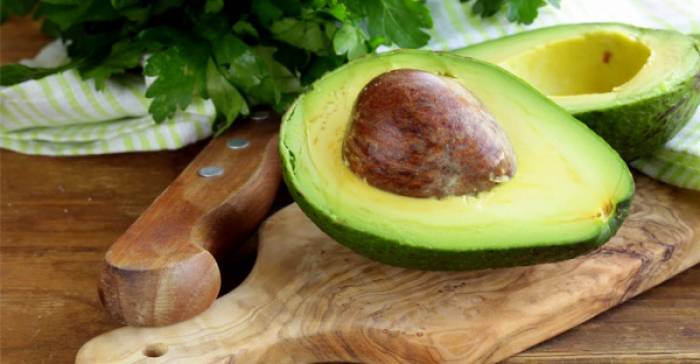
#16 Avocado
Avocado benefits are far-reaching, particularly in the brain department. In fact, you’ll find them on nearly every healthy-eating list I create — and with good reason. This superfood is loaded with benefits ranging from protecting your heart to helping with digestion, but it’s also a great pick for improving your mood.
Avocados are natural hormone balancers, ensuring your brain is making the right chemicals needed for keep it feeling great. If I had to recommend just one food to eat to feel happier, this would be it, the mood-boosting avocado. It’s the No. 1 food to eat to feel happier.
#17 Water
Water is extremely important for our bodies to function properly – and even the smallest degree of water loss can impair our physical and mental wellbeing. When we're dehydrated, it can really affect our ability to concentrate.
How much do you need? Experts recommend 1-2L of water a day. But if you're not that keen, remember teas count towards that goal. Try starting the day with a mug of freshly boiled water and a slice of lemon, or add a fresh sprig of mint, cucumber or strawberries to a jug of cold water to jazz it up.
#18 Leafy greens
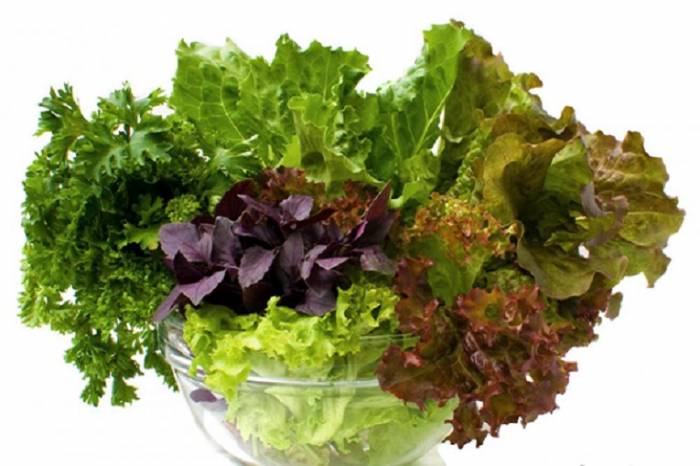
Spinach, chard and other dark leafy greens contain magnesium, which can positively impact serotonin levels and boost your mood. About half of all Americans are low in magnesium, and this deficiency has been linked to an increased risk of depression and anxiety. In addition to your greens, add magnesium-rich pumpkin seeds, Brazil nuts, chickpeas and beans to your meals