

If you've ever wondered what the difference is between certain public toilets, this might leave you feeling a bit grossed out
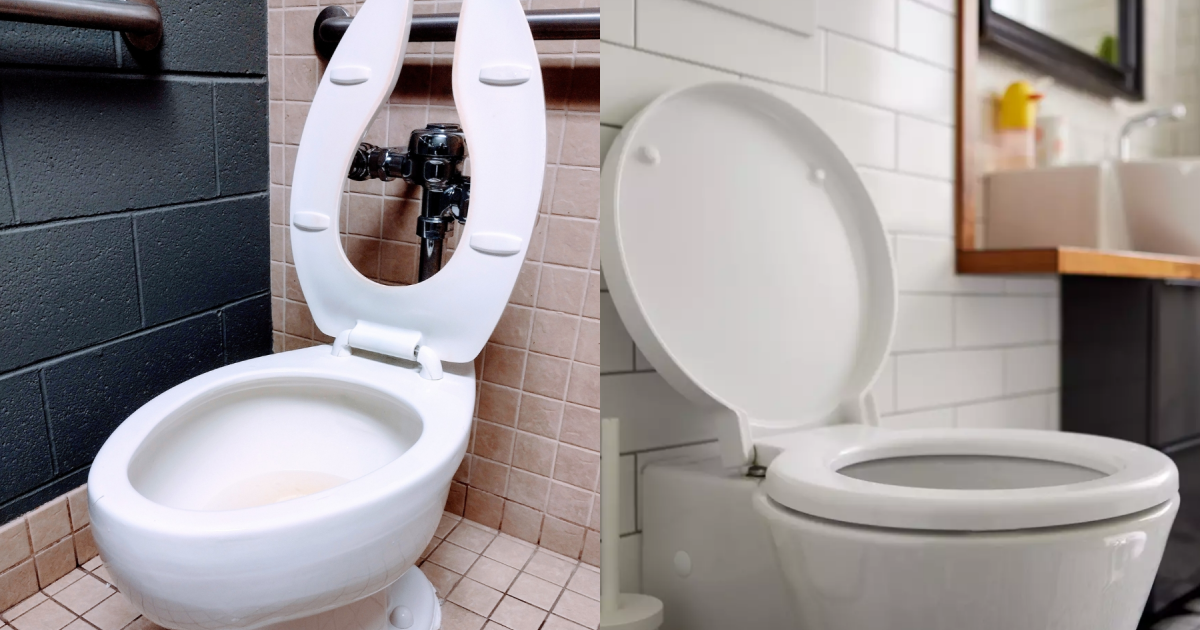
Gross Reason Behind U-Shaped Seats In Some Public Toilets
By
maks in
Health and Fitness
On 14th October 2024
advertisement
You may have noticed that public toilet seats aren’t always the same. Some have a full, rounded seat, while others have more of a 'U-shape' where the front is left open.
It turns out there's an actual reason for this difference, and it has everything to do with health and hygiene. The U-shape isn’t just missing a chunk for no reason.
While toilets raise all sorts of questions, from what happens if you don’t close the lid before flushing (spoiler: it’s not great), to why sitting too long isn’t a good idea, one question that’s popped up is why some public toilets have that U-shaped seat.
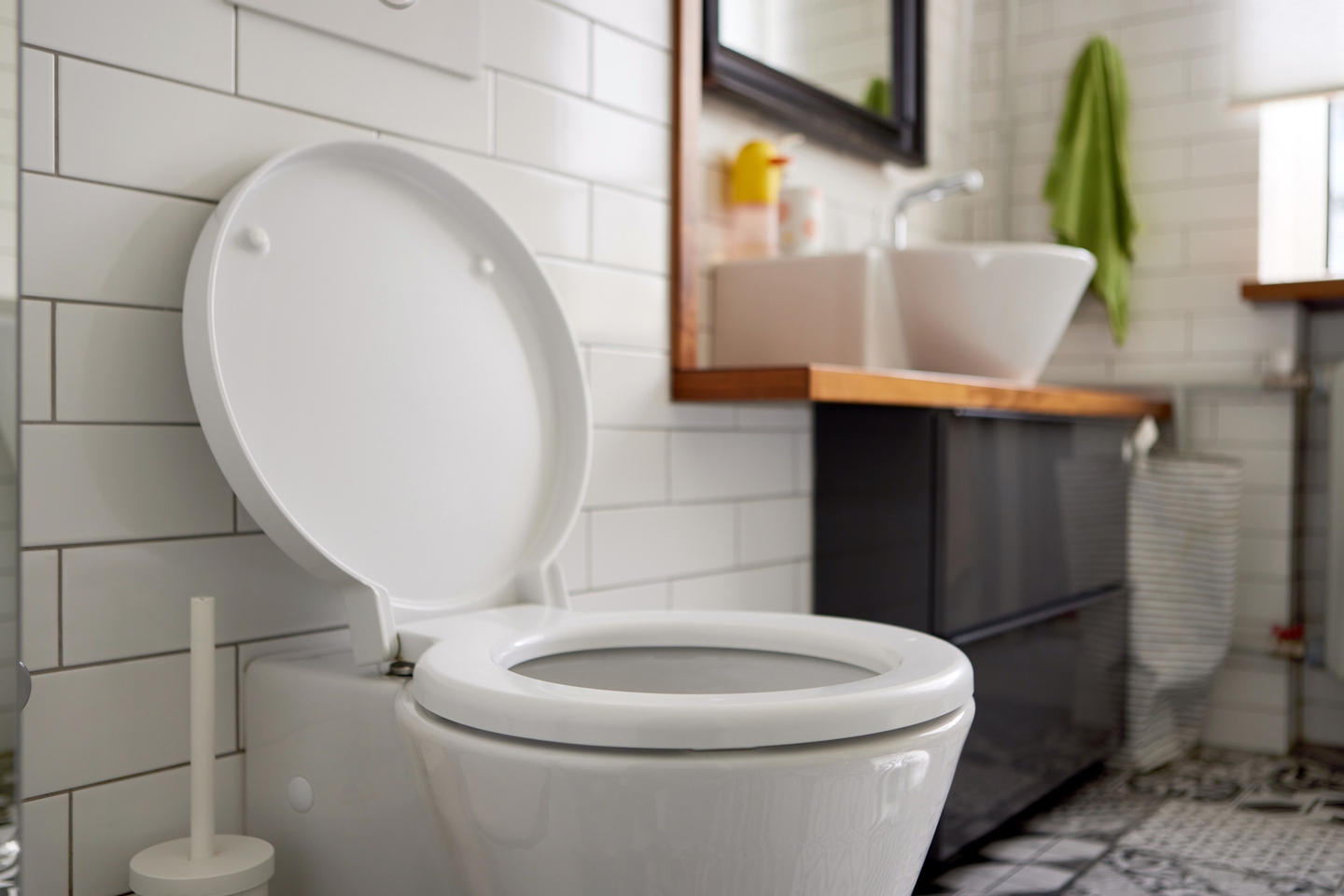
Some toilet seats are fully round, and others are not and there's a reason behind this.
Getty Stock Photo
The U-shaped toilet seat became much more common about 50 years ago, thanks to the American Uniform Plumbing Code, which introduced it back in 1973.
That code actually goes back even further, nearly 70 years to 1955, when it was first put in place to set hygiene standards for public restrooms.
Although you won’t get in trouble for not following it, this U-shaped seat design has been adopted by many states and cities as a preferred standard for public toilets.
advertisement
The plumbing code specifically states: "Water closets shall be equipped with seats of smooth non-absorbent material. All seats of water closets provided for public use shall be of the open-front type."
The design isn’t random either—it’s meant to be more convenient, especially for women.
The idea is that women can clean themselves without having to touch the seat where germs are most likely to hang out.
Lynne Simnick, senior director of code development at the International Association of Plumbing and Mechanical Officials, explained to Slate that the U-shaped design allows women to 'wipe the perineal area after using the water closet' without the risk of touching a potentially dirty seat.
She also said the open-front seat 'eliminates an area that could be contaminated with urine' and helps 'reduce genital contact with the seat'.
Dr. Roshini Raj, a gastroenterologist at NYU Langone, has also discussed the health risks in bathrooms.
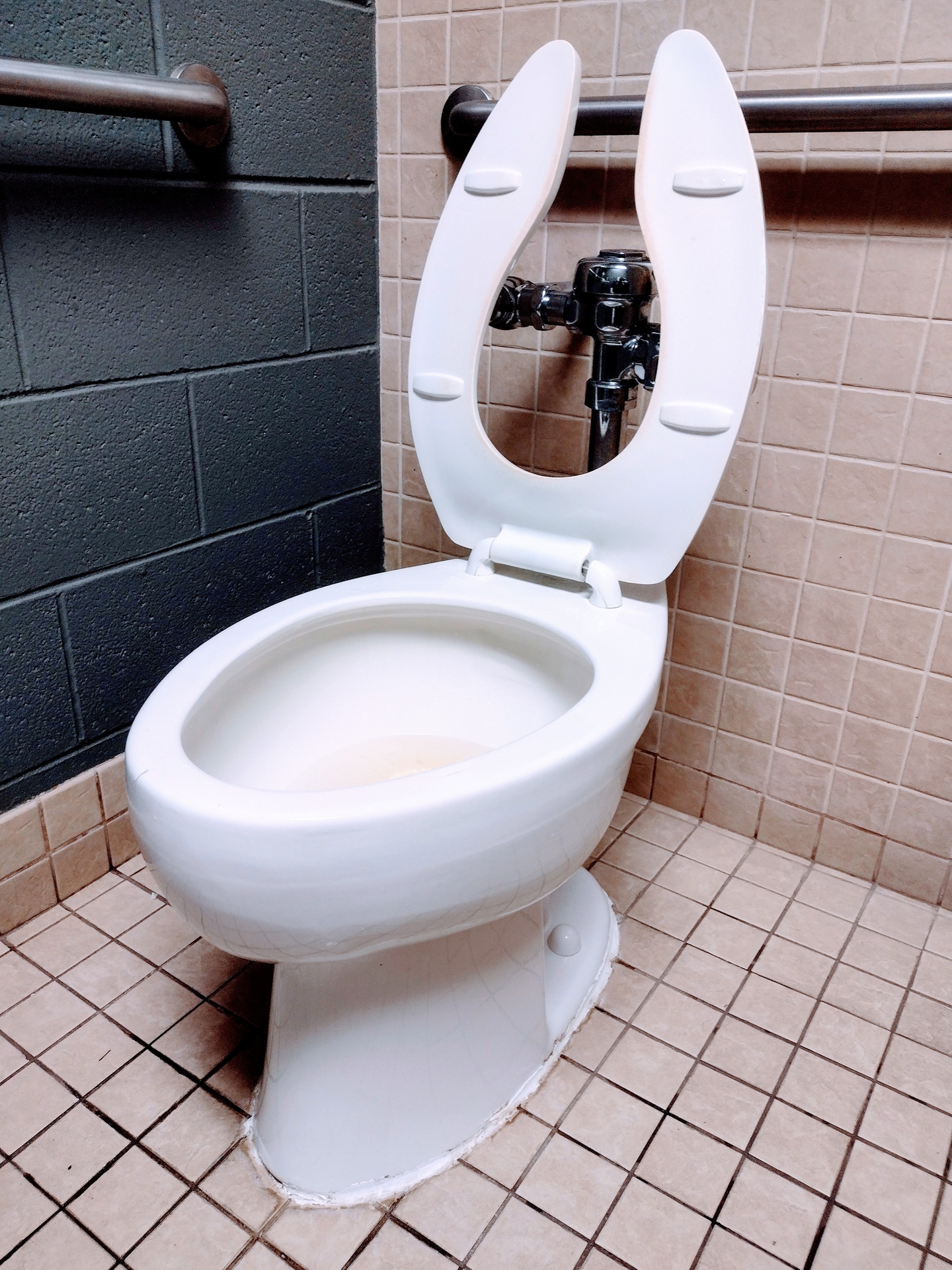
The U-Shaped toilet seat is part of the American Standard National Plumbing Code.
Getty Stock Photo
advertisement
She said, "I see a lot of people who get food poisoning or catch different things by not having good hygiene practices in the bathroom."
"I just think generally speaking, if you're on the toilet having a bowel movement or trying to have a movement, you shouldn't be using your fingers on anything else."
There’s some thought that the U-shaped seat could also have an ergonomic design to better fit our bodies, though the science on that isn’t very clear, and there isn’t much specific guidance on it.
advertisement
Most public restrooms now use the U-shaped seat, but there are some exceptions to this rule according to the Uniform Plumbing Code.
One exception is when a public restroom has an automatic toilet-seat cover dispenser.
In that case, a U-shaped seat isn’t required.