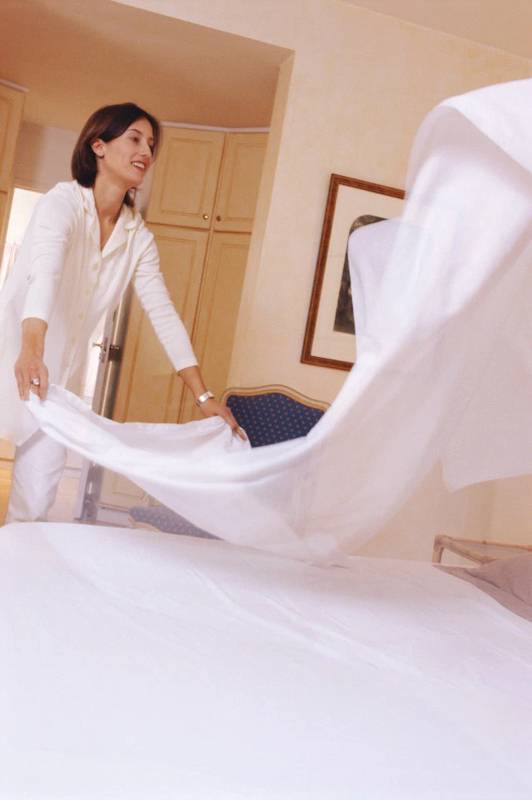
We all know that we’re not washing our bedsheets enough. We’re all gross. Disgusting, really. And even the joy of slipping into freshly dried sheets will not convince us to stop being lazy, get up, and shove our sheets in the washing machine. But did you realize just how unhealthy and gross dirty sheets are? These unpleasant things might just make you start washing your filthy sheets more often.
Gross Stuff That Happens When You Don’t Wash Your Bedsheets
By
Editorial Staff in
Facts
On 3rd September 2016
advertisement
#1 You May Be Sleeping In Filth
You wipe down your kitchen counters, you scrub your toilets, and you vacuum your floors. You like to think of yourself as a pretty cleanly person but have you ever wondered how often you should wash your sheets, really? We justify our unhygienic actions by telling ourselves that it's just some innocent laziness. So our sheets aren't super fresh. So what? But it turns out that failing to regularly wash your sheets can have some seriously disgusting consequences on our health.

#2 Not So Sweet Dreams
When you settle in for the night, the last thing you probably think about is what may be lurking in the nooks and crannies of your bedding. And your ignorance is most likely bliss because it turns out, beds are ripe pardon the pun, hotbeds for microscopic life. You have spores of fungi, bacteria, animal dander, pollen, soil, lint, finishing agents of whatever the sheets are made from, coloring material, all sorts of excrements from the body including sweat, sputum, vaginal, and anal excretions, urine milieu, skin cells, and the list can go on.

advertisement
#3 How Often Should You Wash Your Sheets & Bedding
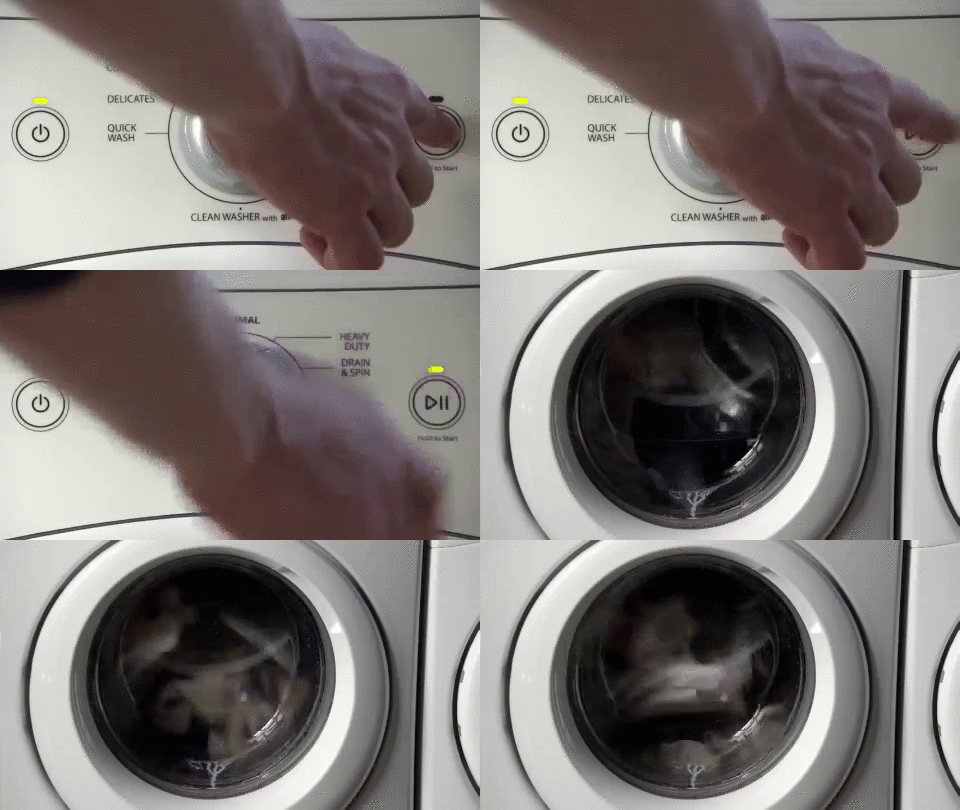
To be on the safe side and avoid things like dust mites, bacteria, and allergens, you should plan to wash your sheets once per week. You spend on average, 49 hours per week in your bed. What are you leaving behind, other than your comfort and desire to stay under the covers? Sweat, body oil, dead skin cells, drool, and tons of other nasty things you'd probably rather not think about. Your sheets and bedding need room to move around and get cleaned. avoid cramming everything in the washer at once. If that means washing the flat and fitted sheet separately, so be it. There's really no point in washing them if they don't have the space to actually get clean. Use HOT water if possible, and while they are being washed, sprinkle some baking soda on your mattress and let it soak in for an hour or so before vacuuming it off.
#4 It Can Get Pretty Naty Over Time
Now, let's move on to the terrifying part. What exactly happens if you neglect to wash those bed sheets regularly? Basically, a whole lot of nastiness including all of that sweat, body oil, and those dead skin cells we mentioned before. You can actually be making yourself sick. The worst part is that you don't really see the nasty mites, spores, and filth in and on your bed. But you might notice that you're not feeling well all of a sudden.

advertisement
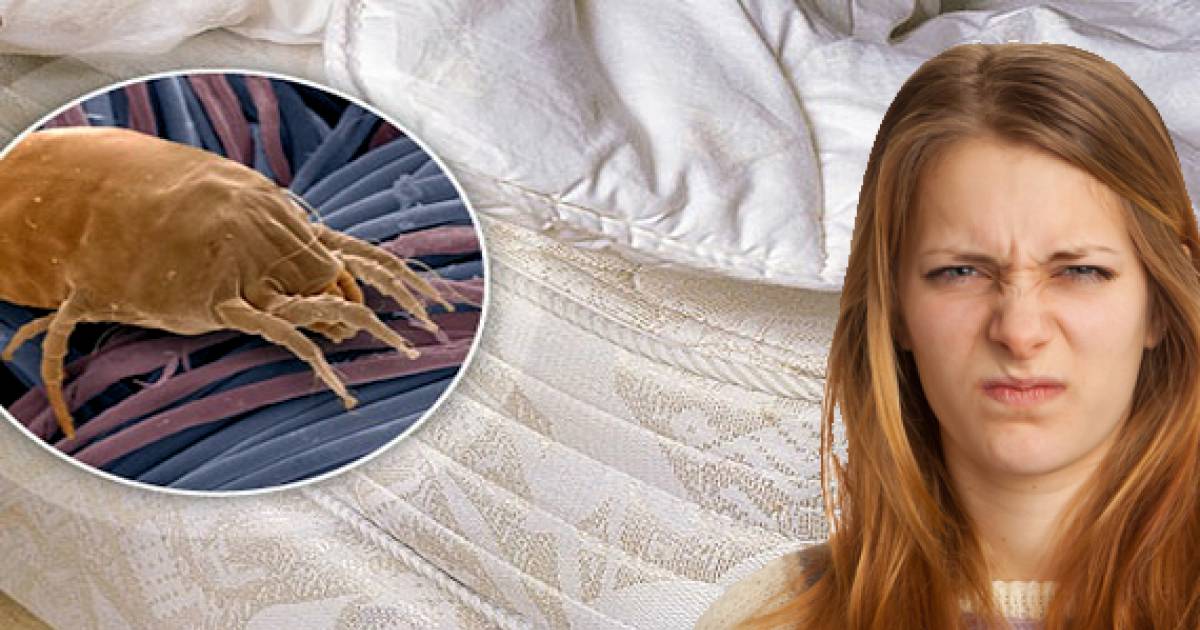
#5 Dust Mites
Yes, these nasty little critters really do exist. And, as if they weren't already terrifying enough, I'm sure knowing that they're feeding off of your dead skin cells is enough to scar you for life. While it's impossible to totally eliminate dust mites, washing your sheets regularly will help to keep them at bay. There are dust mite feces and dust mite debris, which are allergens. Even if you don't have an allergy, these allergens may cause you to wake up with a stuffy nose, cause or exacerbate allergies, or aggravate asthma.

advertisement
#6 Other Critters
If you're one of those people who loves munching on chips, cookies, and other snacks while relaxing under the covers (hello, who doesn't?), you can bet you're filling your bed with tons of tasty crumbs that can attract all sorts of other little critters like ants, lice, and bed bugs. So, unless you enjoy dozing off in a legitimate ant farm of terrors, regular washing is advisable.

advertisement
#7 Bacteria
That's right mold. Cladosporium mold is a type that tends to grow on damp mattresses, hence why that baking soda trick is so important. Inhaling the spores can lead to asthma and pneumonia. Even worse? It can cause a fungal infection called Onychomycosis. Not only is it hard to say, but it can also result in skin lesions and crumbling toenails. Ugh.
advertisement
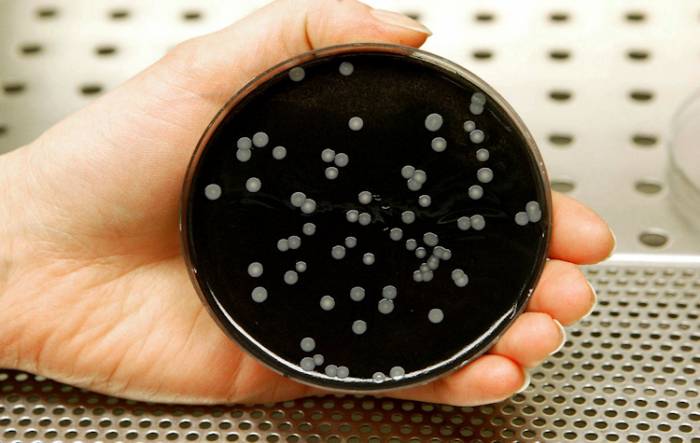
#8 Bacteria & Mold
Humans naturally produce 26 gallons of sweat in bed every year. This moisture, at high humidity, is an "ideal fungal culture medium." In a 2015 study that assessed the level of fungal contamination in bedding, researchers found that feather and synthetic pillows 1.5 to 20 years old can contain between 4 and 17 different species of fungus.
advertisement
#9 Skin Infections & Viruses
Some studies show that human sweat contains trace amounts of excrement and even E. coli. And, all of that sweat and those rubbed off cosmetic products that get stuck to your sheets? They can lead to plenty of body breakouts and other irritating skin reactions. Scarily, the longer you go between washes, the more difficult it becomes to remove all the old skin cells, mites, and various other nasties, as they become more deeply embedded into your bed. Laying in a dirty bed if you have an open cut or wound can actually lead to contracting an infection.

advertisement
#10 Animal Diseases
Wait, what? I'm one of those people who lets my dog sleep in the bed he even burrows under the covers most of the time. However, letting your pet snuggle into the sheets means you're at risk for catching worms, fleas, and all sorts of different animal diseases. Sorry, Fido, You might be getting demoted to the floor.

advertisement
#11 Wash Your Sheets For Better Sleep
Needless to say, that whole washing once per week thing is important if you want to avoid transforming your beloved sleep retreat into a horrifying science experiment. Everybody loves the feeling of slipping into some clean sheets. So, if these disgusting warnings weren't enough to inspire you, use that as your motivation to wash your sheets regularly. So, sleep tight and don't let those bed bugs bite literally.