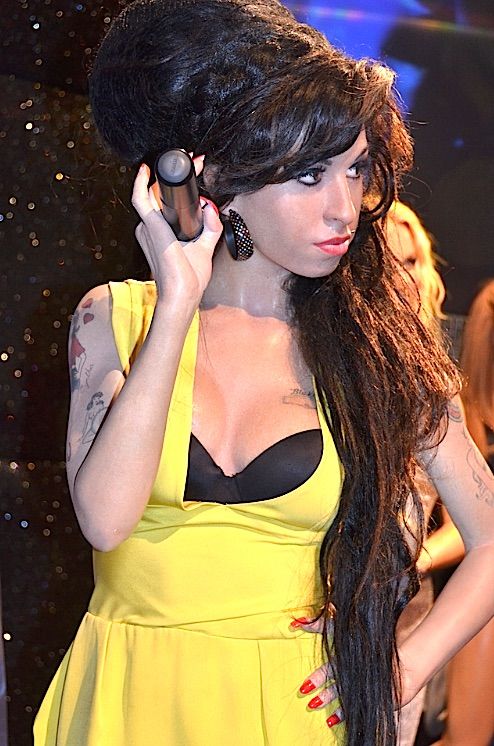
Large hair began with the giant do's of the Victorian era and was in it's heyday from the 1960's through the 1980's. But guess what... it's coming back! The history of BIG HAIR is crazy!
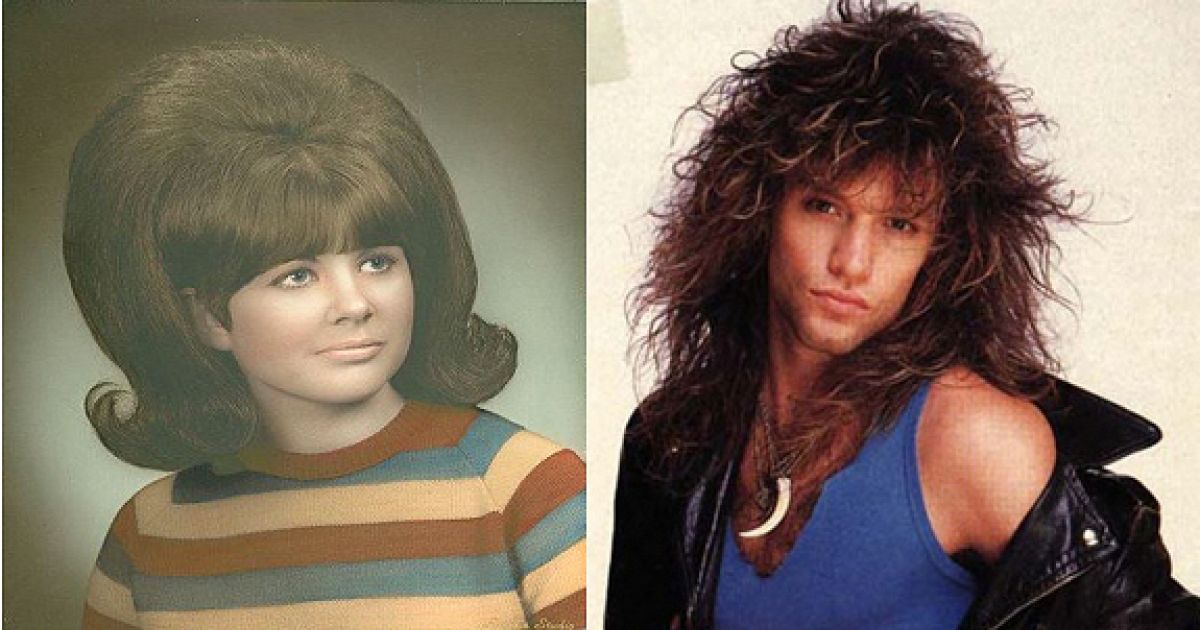
Guess What's Making A Comeback? Big And Beautiful Hair!
By
Editorial Staff in
Fashion
On 31st December 2015
advertisement
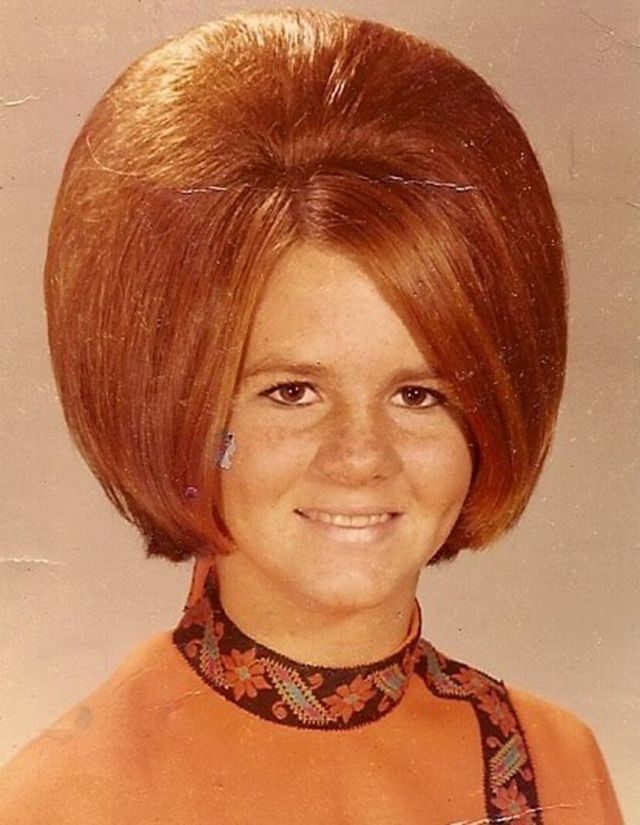
#1 Nothing was quite as bold as the hairstyles from the 60's.
Those incredibly enormous hairstyles of the 1960's, with loads of hairspray, Coke-can curls, a giant bouffant, or the Beehive, made women of the era believe "The higher the hair, the closer to God." But all that puffy hair took a lot of time to keep UP. And slowly, like most things, it drifted away in the mid 1990's... but guess what, it's back!
Have a look through the history of BIG HAIR...
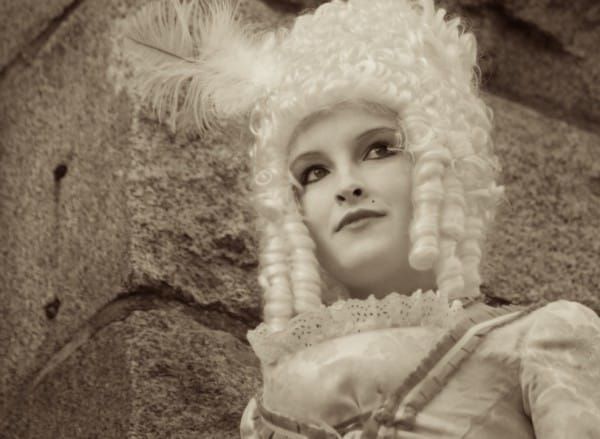
#2 Huge hair began with the giant Victorian wigs of the 17th and 18th centuries.
Women and men alike both wore these giant hair pieces as a sign of wealth. The higher the wig, the more expensive to build. By the mid-1800s, white was the favored color created by greasing, then powdering the wig with flour, starch, and plaster of Paris. The hair was actually hard to the touch and never got wind blown.
advertisement
#3 By the 1900's wigs made way for a more natural high head of hair.
From the 1950's to the swinging sixties, big hair was all the rage. For a whole decade it looked like all the women in the country had their hair done at the same exact parlor.
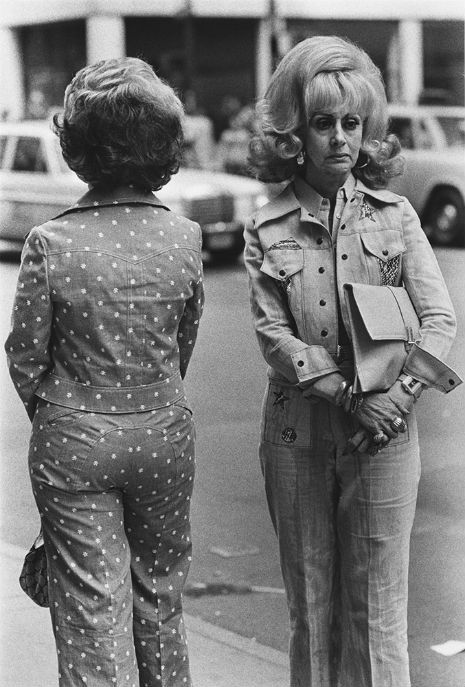
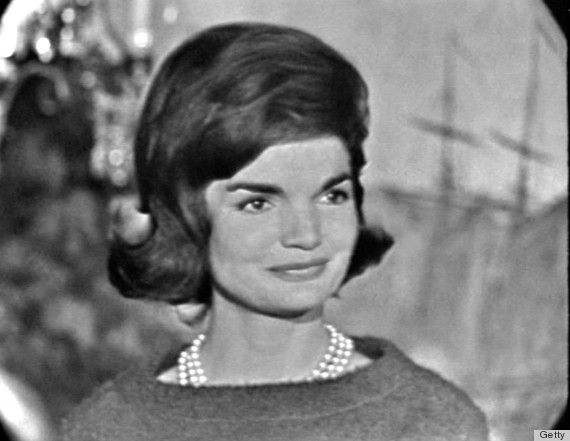
#4 Mrs. Jackie Kennedy paved the way for the look, setting the standard for high and glamorous hair.
Her style and look, created by hair professional Mr Kenneth, was quickly copied by woman all over the country.
advertisement
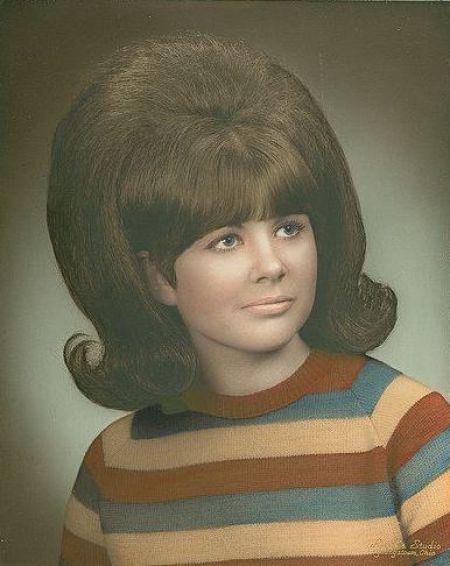
#5 Women began copying the big round shaped style.
The round shaped hair was so difficult to create that most women spent hours every week at the hairdressers. The bouffant is styled so as to stand out from the head in a rounded shape, and took hours to shape and style. Women were usually instructed not to touch their own hair until their next hair appointment. This provided for a booming beauty parlor business.
advertisement
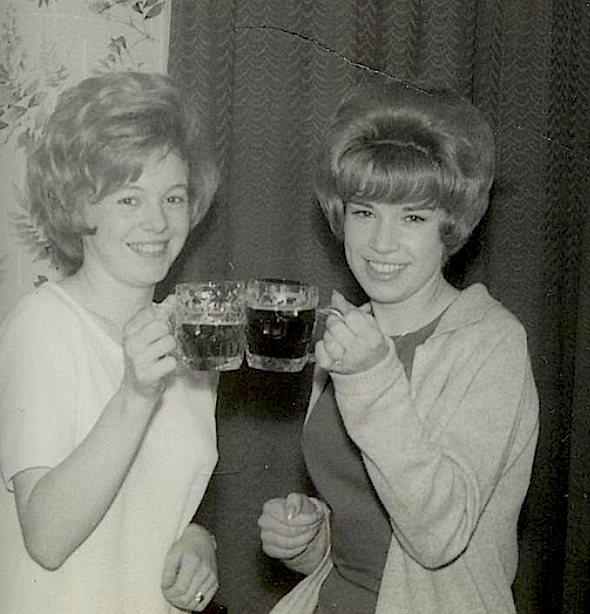
#6 For those brave enough to try the look at home, the full style could take a whole day to complete!
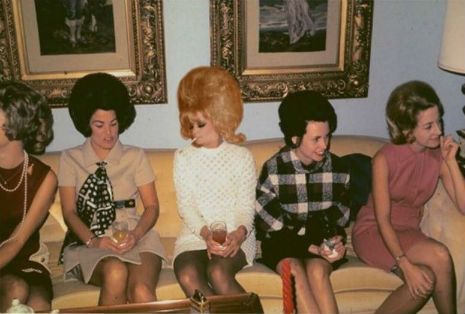
First, the hair was wound around rollers. The next step was sitting under a hooded dryer for a few hours. The women would gather around on Saturdays and do lunch and gossip as one by one, they had their hair puffed up and set for another week.
advertisement
#7 When the hair was fully dry, it was back combed to provide maximum height, then teased upward.
Finally, the look was topped off by a generous amount of hairspray. Yes, we mean lots of Aqua Net. To speed up the process, many women wore their curlers to bed the night before their hairstyling visit. Mind you, those curlers were sometimes the size of coke cans.
advertisement
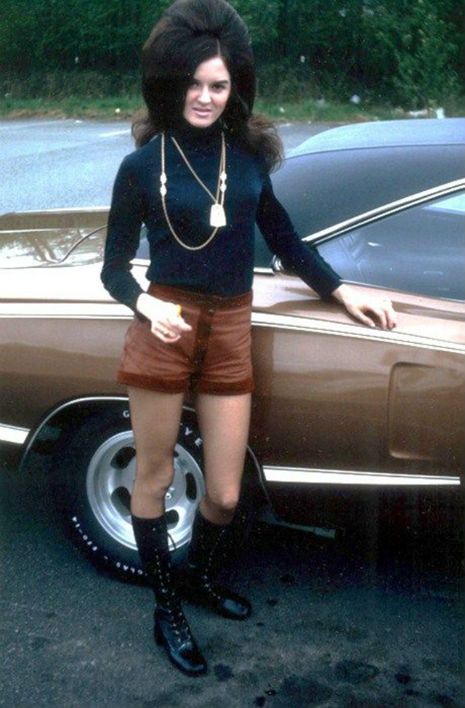
#8 Of course, there was a huge variety of hairstyles and curl options within the bouffant look.
You could sport a "Party Curl" or a "Piquant Pixie" each featuring straight bangs and a curlier top. Another popular look featured "Ruffled Curls," which were parted down the center, then curled at the bottom.
advertisement
#9 The big hair style leaked over into the celebrity world as well..
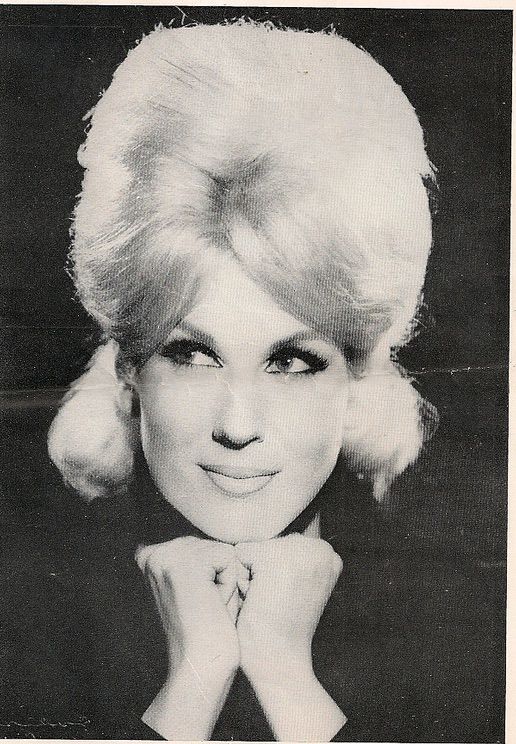
Dusty Springfield was another popular star that glamorized the bouffant, along with Audrey Hepburn, Sophia Loren, and more. Before long, big companies began to notice, and started creating products just for hair, which they had not done previously. The hairdryer became portable, coloring was sold over the counter, and home perm's became the big thing.
advertisement
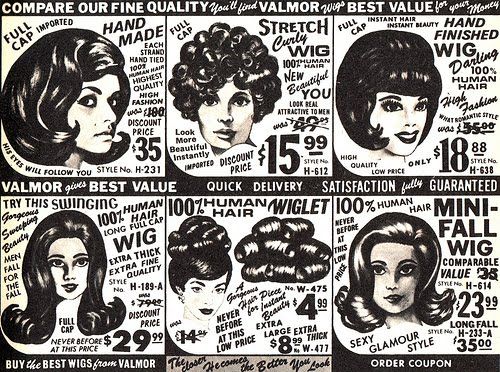
#10 But if you could only get your hair so big, there were wigs and hairpieces to give you that extra lift.
Wigs were fashioned with real hair and could be fastened with a cap or headband. One could also attach extra hairpieces to an existing ‘do, adding extra curls, a topknot, or just giving the illusion of a towering head of hair. The wigs sold through department stores or from newspaper and magazine ads.
advertisement
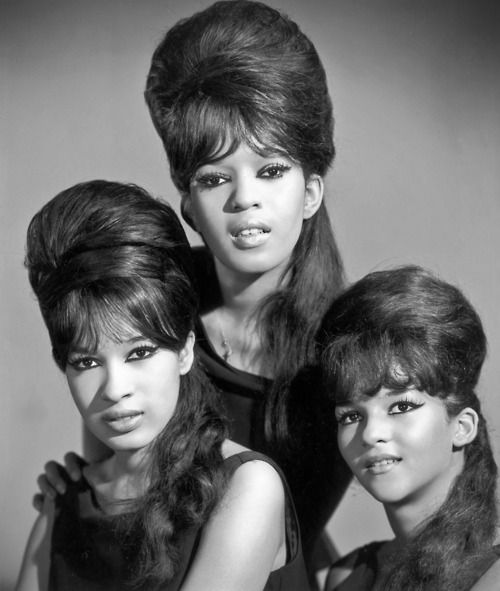
#11 As the bouffant gained even more popularity, it morphed it into yet another hairstyle: the Beehive.
Originating in Chicago and developed by Margaret Vinci Heldt, owner of the Margaret Vinci Coiffures, the style featured a more cone-shaped look.
The name itself is derived from the fact that it resembles both a literal beehive and the nose of a B-52 airplane.
advertisement
#12 The Beehive was achieved by using a comb and running it back and forward down the hair to essentially create a giant tangle or knot.
The hair was then lightly combed over the knot to smooth down the look. A higher Beehive was created with longer hair, though wigs and hairpieces could be easily added to existing hair. It was the many girl groups from the music industry who loved this style, and it caught on like wildfire!
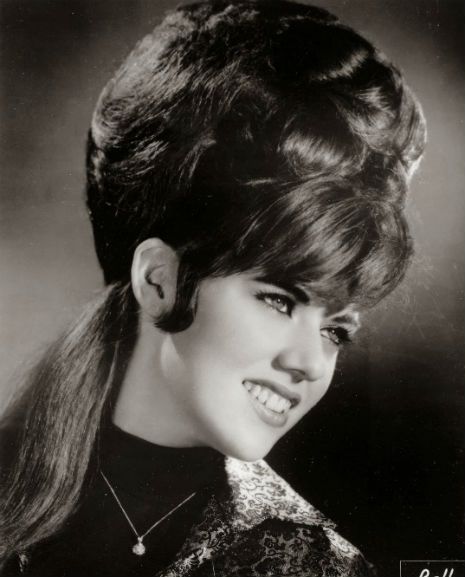
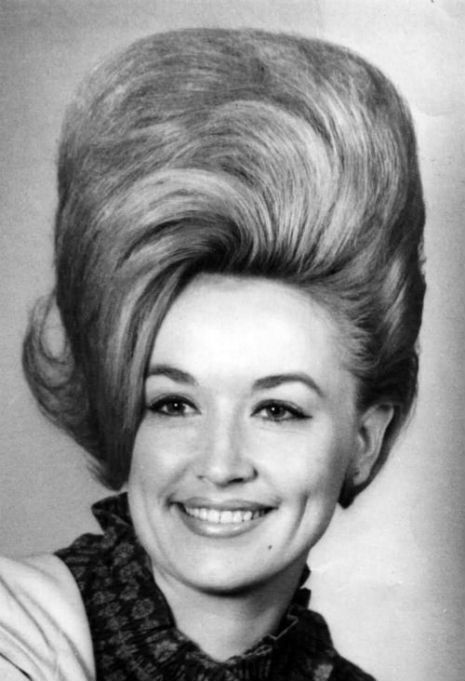
#13 It also became popularized by musical acts like the Ronettes, Aretha Franklin, Barbra Streisand, and Dolly Parton.
The look could be seen on everyone from average suburban moms to young teenyboppers, Barbra Streisand to glamorous Hollywood starlets. Many of the country music female singers of the time decided this was their signature style and it was sported for years by the likes of Tammy Wynette, Dolly Parton, Loretta Lynn, and Lynn Anderson.
advertisement
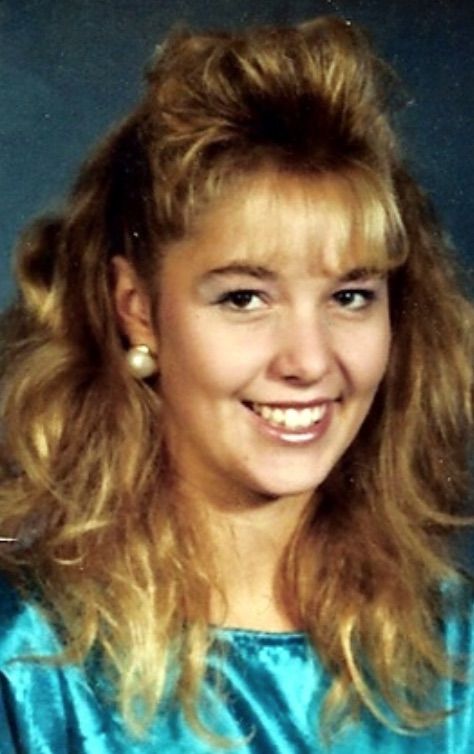
#14 After the return to straight hair during the 1970s, big hair was back in business again during the ’80s.
However, the look had certainly evolved from the '60s. This time around, the style included pouffy bangs, thickly teased curls, and plenty of hairspray giving it a "punkier" and less glamorous edge. Madonna and Cyndi Lauper helped spur the interest in the new high hair look, but it was cut short when everyone wanted the Jennifer Aniston cut in the middle 1990's.
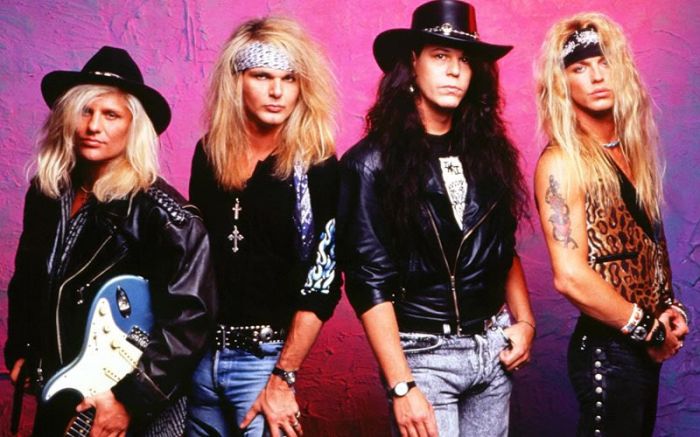
#15 Big hair in the 80's and 90's wasn't just for the ladies..
The wacky style was best reflected in popular "hair metal" bands like A Flock of Seagulls, Poison, Bon Jovi, and Guns N' Roses. There is still a huge hair band revolution going on in the rock world.
advertisement
#16 So it goes.. All things classic seem to come around again.
This is equally true with the iconic '60s Beehive hairstyle, later reimagined by crooner Amy Winehouse in the 2000s. Combining an updated fashion sense, like tattoos, with the big teased hair, lent a modern twist to the classic look.
From singers, to housewives, to pro wrestlers and beauty queens, big hair is certainly a large part of our great history. Who knows where big hair will take us next?