

A hardworking teenager who fell for a compelling phone scam was horrified to discover that her whole life savings were gone.
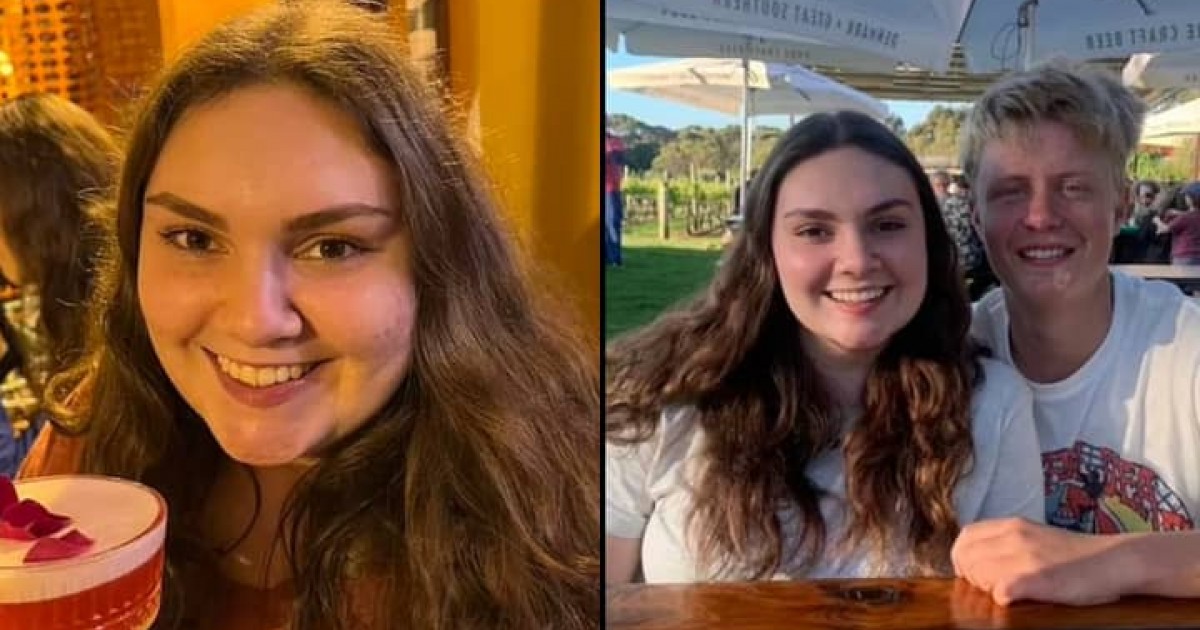
Hardworking Teen Loses $25,000 After Falling For Phone Scam
By
Haider Ali in
Real Life
On 8th January 2023
advertisement
A distressed teen who claims to have been scammed of $25,000 in a matter of seconds has delivered a terrifying warning.
Aurora Casilli began dreaming of the day she would have enough money to purchase her very own home when she landed her first casual job at the age of 14.
The 18-year-old Albany, Western Australia resident claims to have always understood the significance of money and to have meticulously saved every dollar she could throughout the years.
She even worked three jobs at one point to make her savings account grow.
News.com.au
However, Aurora now claims that all of her years of commitment and effort were in nothing since, as a result of becoming the target of an alleged phone scam, she “has nothing to her name."
“You never think something like this will happen to you,” she told news.com.au.
“I’m devastated. I’ve worked hard all my life, I was saving for a house.”
“All those shifts, all the work I put in, and now this.”
“While my friends were going out and buying nice things like makeup and clothes, I was saving. I was saving for my future.”

News.com.au
advertisement
“Now I have nothing. I have to start all over again.”
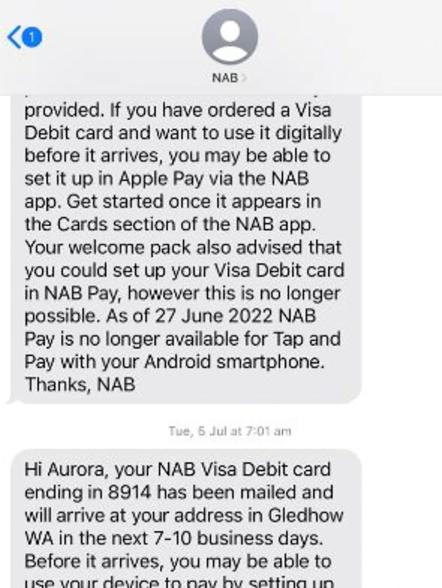
On December 3 of last year, Aurora received an alarming text message that she mistook for coming from her bank, warning her that someone trying to withdraw money from her account had a name she didn't know.
The message seemed to be from National Australian Bank since it came from the same phone number and was included in the same text message conversation as earlier, official messages from the institution.
Spoofing is a method that scammers frequently use to make themselves seem more trustworthy to potential victims.
News.com.au
The text urged her to call their 1800 number if she had not approved the payment, and the teenager chose to do so because she was "in a state of panic."
“I was just at home, about to make breakfast when the text came through,” she recalled.
“I panicked when I read it. All the money I had saved, and now I thought someone was in my account trying to make an unauthorized transfer.”
“The text was from NAB, [National Australia Bank] and was underneath other messages I got from them. It seemed legit to me, so I called the number in a panic.”
“If it was from a random mobile number, I wouldn’t have believed it. But it seemed so real.”
advertisement
Aurora said that nothing seemed "off" at the moment.
When she called the number for assistance, she claims the music and voice instructions were exactly the same as when she had previously called her bank. The text appeared to be from NAB.
Even waiting an hour on hold to speak to someone, according to her, just increased the call's perceived legitimacy.
Then, Aurora was visited by a man with a British accent she describes as "professional and polite," who informed her that someone had accessed her bank account.
advertisement
“He sounded like any normal person working at a bank,” she explained.
“You hear things on the news about scammers being from other countries and having broken English or heavy foreign accents.”
“But he was just a man with a British accent that spoke in a professional way. It did not seem suspicious.”
She was told to move all of her savings into another NAB account in her name that the man was allegedly setting up for her over the phone in order to ensure her financial security.
Aurora sent over $25,158.88—her whole life savings—as soon as she decided to believe him.
advertisement
The man confirmed the transfer before hanging up.
She discovered that the account she moved her savings into was actually a Commonwealth Bank account, not a NAB account, after looking up the BSB.
“I felt sick, I just got this gut feeling that something was terribly wrong,” she said.
“I called back and asked why he wanted me to transfer the money into a Commonwealth account. He hung up again.”
“That’s when it hit home, I’d been scammed.”
She had transferred the money into a Commonwealth Bank account, and the account's BSB [location code] is connected to an Australian branch in Perth.
advertisement
Aurora claims she tried to block the transfer by contacting Commonwealth, but it was too late; the money had already been moved out.
She claims that they are looking into the situation and have "flagged" the account.
Commonwealth Bank has been approached by News.com.au for comment.
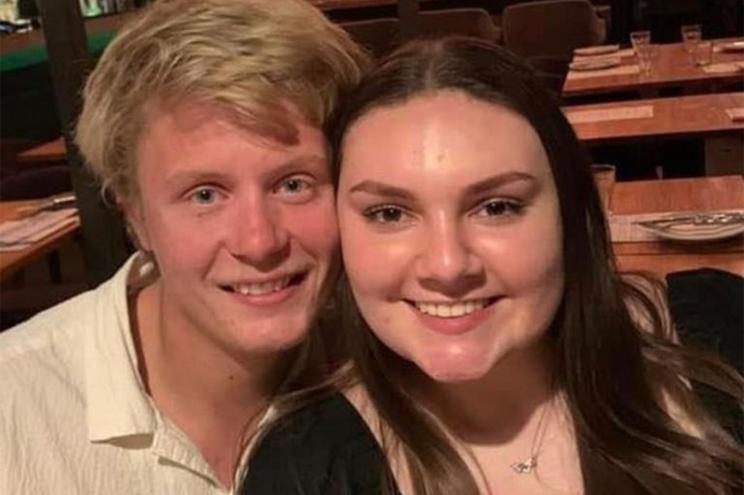
Aurora claims she is grateful to her boyfriend Matthew, 21, who is paying both of their living bills in their shared home even though she now has no money to her name.
“I was on the phone for hours trying to get through to CBA,” she said.
advertisement
“It was so stressful, and then I’m told there is basically nothing that they could do.”
“Once the funds are taken out, it is too late. I have no idea what happened to my money or what they are doing with it.”
Chris Sheehan, Executive of Group Investigations and Fraud at NAB, stated that the bank was unable to comment on specific cases but stressed the significance of being attentive and on the lookout for scammers.
“We’ve seen a significant increase in scams in recent years and it’s upsetting to see the devastating effects these can have,” he said in a statement.
“The prevalence of scams highlights they’re a society-wide issue and we all have a role to play in taking action, driving education, and raising awareness.”
advertisement
Sheehan claimed that scammers were able to use software to have their phone numbers appear on devices as being associated with reputable businesses like banks, the tax department, or the police.
“When a customer receives a text message or calls impersonating NAB, it means a criminal has ‘spoofed’ our number and is impersonating us. NAB’s systems have not been breached in any way,” he said.
“If someone is ever unsure if the person contacting them is from NAB, they should hang up, and call NAB on the number found on the back of their card.”
“NAB will never ask a customer to confirm, update or disclose personal or banking information via a link in a text message or email. People should know that their bank will never ask them to transfer money to another account to keep it safe.”