

‘Why does my heart skip a crazy beat?’ Maybe it’s love, like Diane Ross sings about. Most of the time…(a) skipping heart isn’t reason to worry. But sometimes these palpitations can be signs of trouble.” -WebMD
Has Your Heart Ever ‘Skipped A Beat’? This Is What It Means.
By
Editorial Staff in
Health and Fitness
On 6th May 2017
advertisement
#1
Though the contents of this article are meant to invoke a chuckle or two, a heart problem isn’t anything to joke about. So, here are signs that most often accompany a severe heart problem: shortness of breath, severe chest pain, heavy sweating and dizziness, or feelings of faint. This is a medical emergency, so you should probably cease reading and call an ambulance.
#2 Symptoms of palpitations
Most palpitations are caused by a harmless hiccup in the heart's rhythm. A few reflect a problem in the heart or elsewhere in the body. Doctors can be quick to attribute palpitations to anxiety, depression, or some other emotional or psychological problem. Although sometimes that's right, it's important to first rule out harmful heart rhythms and other physical causes.
Different people experience heart palpitations in different ways. Palpitations can feel like the heart is fluttering, throbbing, flip-flopping, murmuring ,or pounding. They can also feel like the heart skips a beat. Some people feel palpitations as a pounding in the chest or neck; others feel them as a general sense of unease.
advertisement
#3 Common triggers of heart palpitations
Often the cause of your heart palpitations can't be found. Common causes of heart palpitations include:
Strong emotional responses, such as stress or anxiety
Strenuous exercise
Caffeine
Nicotine
Fever
low blood sugar
pregnancy
menopause
Hormone changes associated with menstruation, pregnancy or menopause
Taking cold and cough medications that contain pseudoephedrine, a stimulant
Taking some asthma inhaler medications that contain stimulants

Occasionally heart palpitations can be a sign of a serious problem, such as an overactive thyroid gland (hyperthyroidism) or an abnormal heart rhythm (arrhythmia). Arrhythmias may include very fast heart rates (tachycardia), unusually slow heart rates (bradycardia) or an irregular heart rhythm.
#4 Too much coffee
That cup of coffee does more than just give your senses a jolt in the morning—it gives your heart one too. Caffeine stimulates the stress hormones, like adrenaline, to rapidly pump through your body, which exacerbates abnormal heart rhythms, like skipped beats. “It’s not that caffeine is causing it to skip, [caffeine] is just making it more obvious, more prevalent, and making it show up and cause symptoms,” says Dr. Hussein. Try cutting back on your intake by drinking decaf after your first to see if that helps regulate your heartbeat. Or try switching to tea and see if that makes a difference.
advertisement
#5 Loss Of Sleep
A sleepless night leaves both you and your heart feeling tired and miserable the next day. “When you don’t get a good quality of sleep you feel irritated,” says Dr. Hussein. “The body tries to react to the lack of sleep by increasing certain hormones to deal with the stress. The stress hormones can trigger those extra beats.” For a quick fix, make sure you get the recommended seven to eight hours of sleep every night. Writing away your worries and skipping the alcohol-induced nightcap are just a couple ways you can help give your body a full night's rest.

The National Sleep Foundation (NSF) recommends 7 to 9 hours for adults up to age 64, and 7 to 8 hours for ages 65 and over.
(For the curious parent out there, here’s what the NSF recommends for the youngsters:)
– Newborns (0-3 months): 14 to 17 hours
– Infants (4-11 months): 12 to 15 hours
– Toddlers (1 to 2 years): 11 to 14 hours
– Preschoolers (3 to 5 years): 10 to 13 hours
– School-age kids (6 to 13 years): 9 to 11 hours
– Teenagers (14 to 17 years): 8 to 10 hours
advertisement
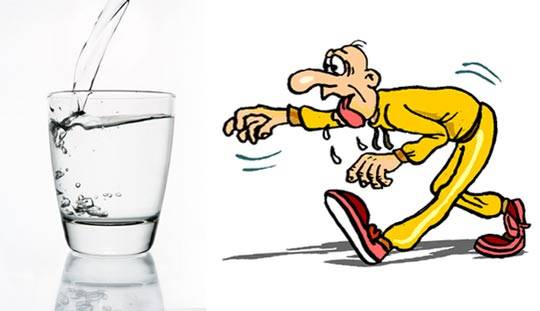
#6 Dehydration
Dehydration can cause your heart to skip. I have found that even just a little dehydration can make my heart begin to flutter. So drinking more water and staying hydrated has helped with my heart palpitations.
When you become dehydrated your body is depleted of minerals that help regulate the bodies natural rhythm (sodium, magnesium, potassium, etc).
advertisement
#7 How Do You Figure Out the Cause?
Take notes on what was going on before your palpitations began. Bring the notes with you to your doctor’s appointment.
He may suggest you have an electrocardiogram (all called an ECG or EKG). This test shows the electric activity in your heart and its rhythm. This information can help your doctor understand what might be going on.

Having extra, early beats usually isn’t dangerous, but it can be frustrating. It affects some people's quality of life. But once you know what triggers it, you can take steps to treat it and feel better.